Why DIY Wildlife Removal Often Makes the Problem Worse
Why DIY Wildlife Removal Often Makes the Problem Worse
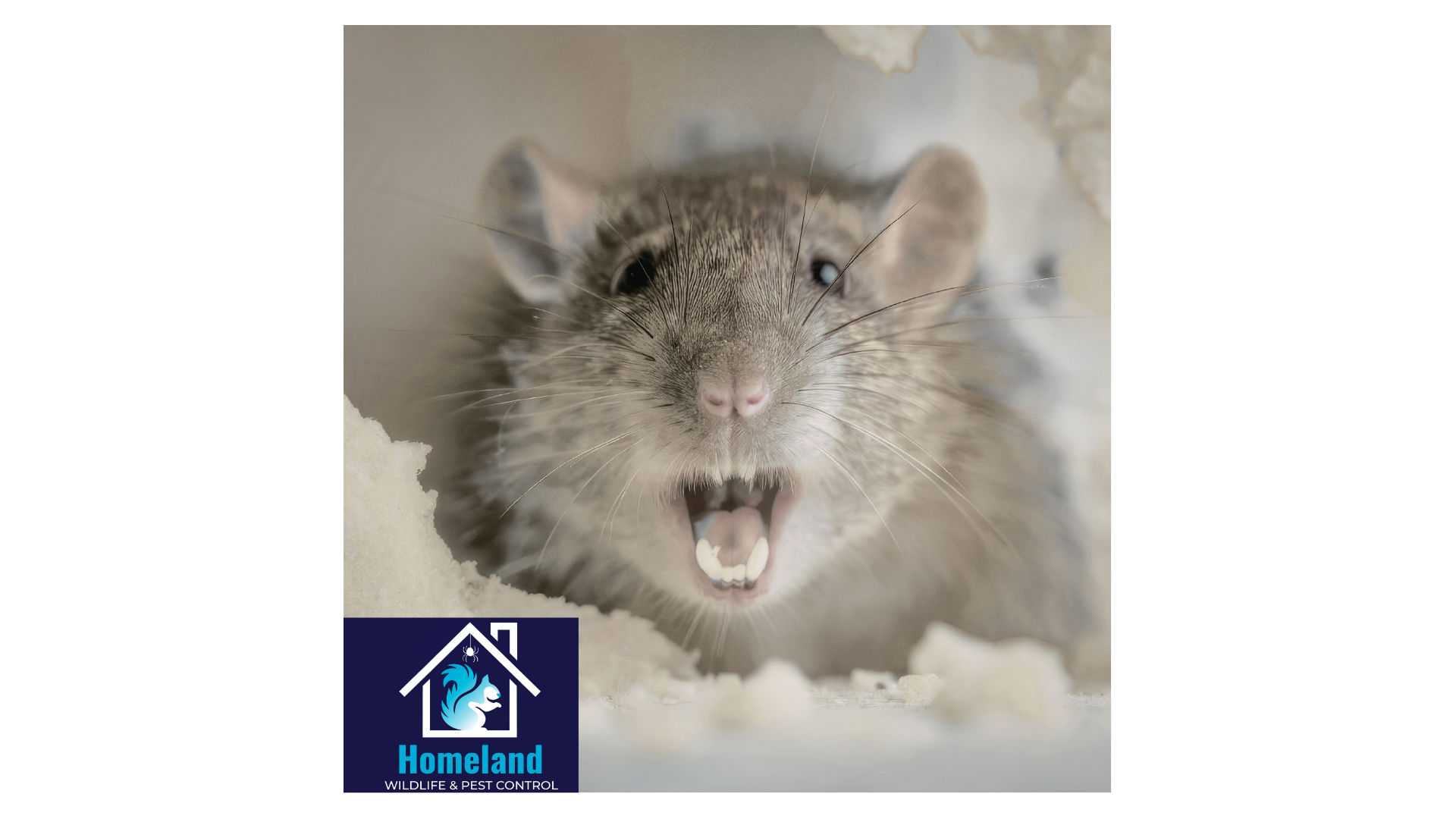
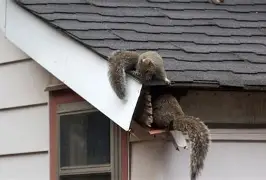
When you hear scratching in your attic, notice damage around your roof, or discover signs of wildlife inside your home, your first instinct may be to handle the problem yourself. With so many products, traps, and online tutorials available, DIY wildlife removal can seem like an easy and inexpensive solution.
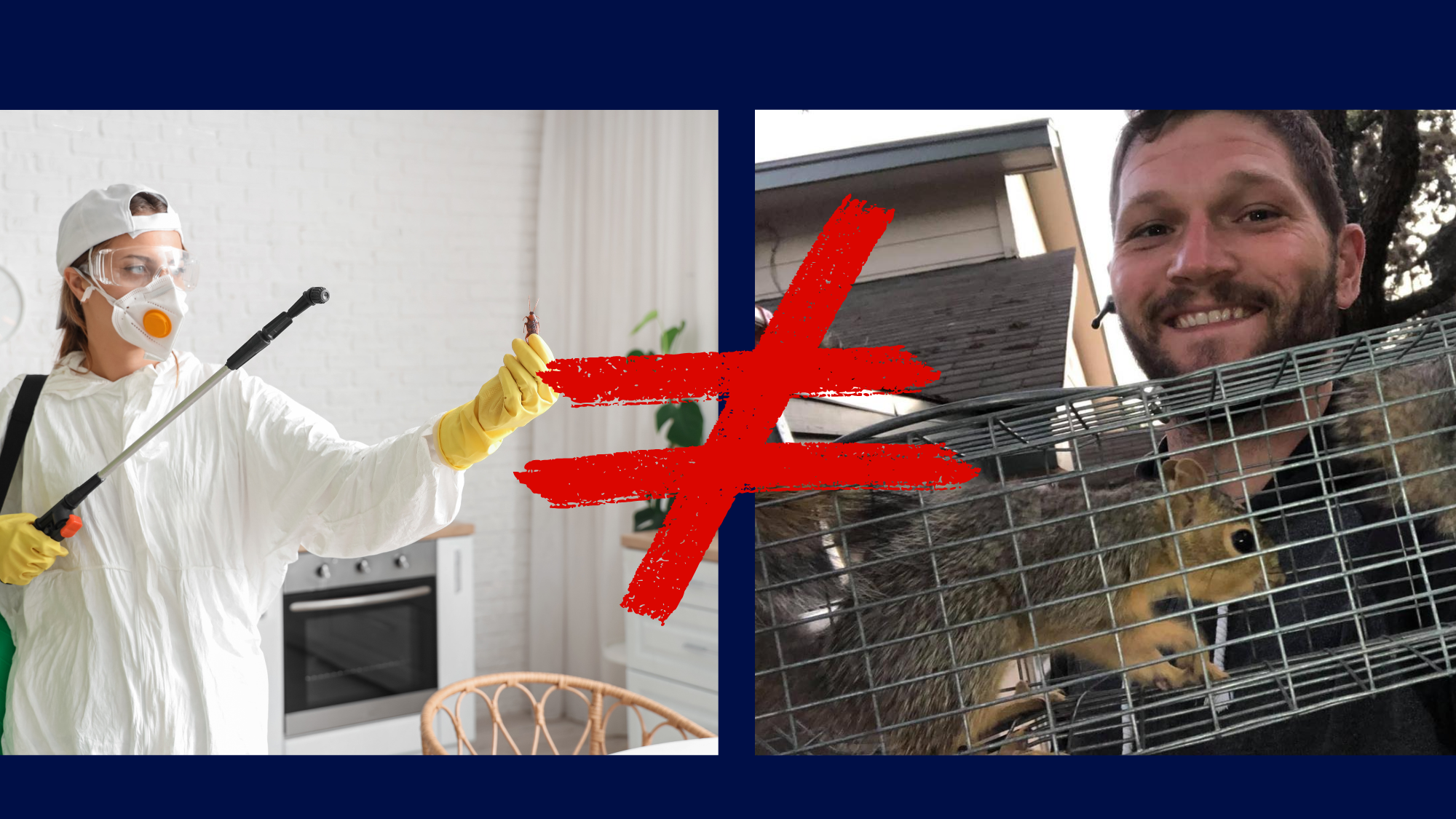
Unfortunately, attempting to remove wildlife without the proper knowledge, equipment, and experience can often make the situation worse. What starts as a small nuisance can quickly turn into costly property damage, recurring animal problems, and potential health risks.
At Homeland Wildlife Control & Insulation, we help homeowners identify wildlife problems, safely remove unwanted animals, and prevent them from returning.
1. You May Accidentally Trap Animals Inside Your Home
One of the biggest mistakes homeowners make is sealing an entry point before confirming that all animals have left.
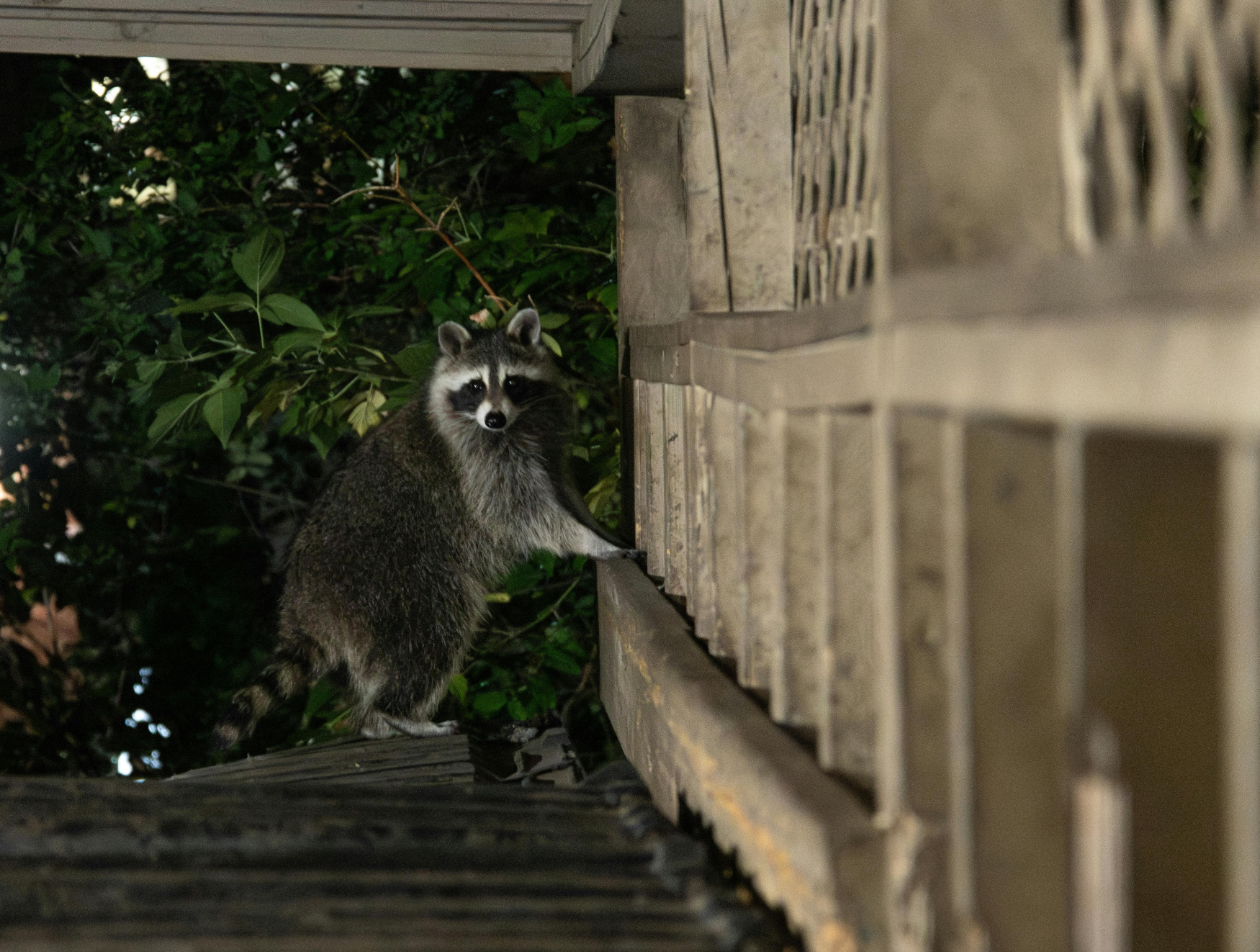
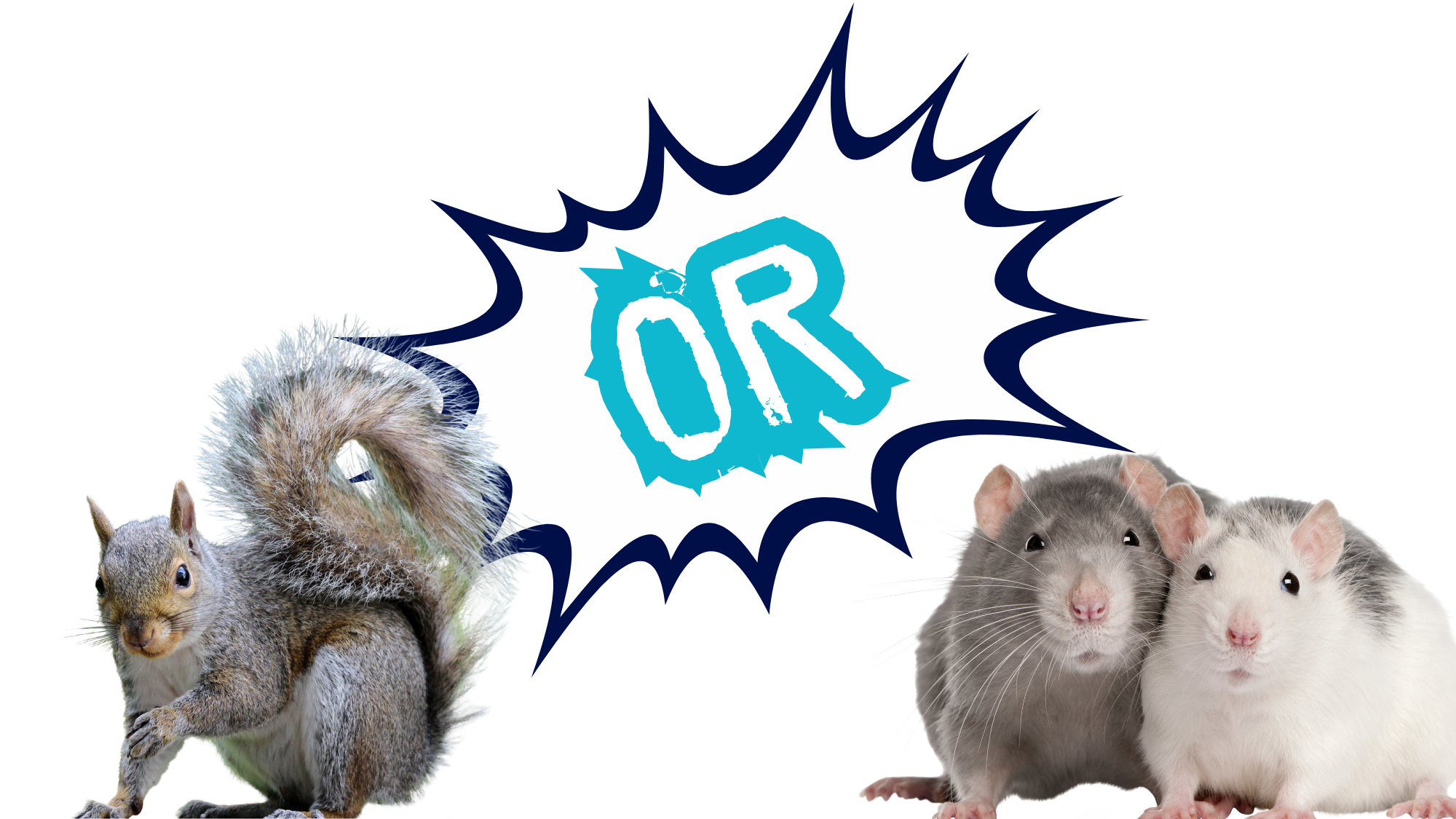
Wildlife such as raccoons, squirrels, and other animals may be nesting in attics, wall cavities, or other hidden spaces. Sealing an opening too soon can trap animals inside your home.
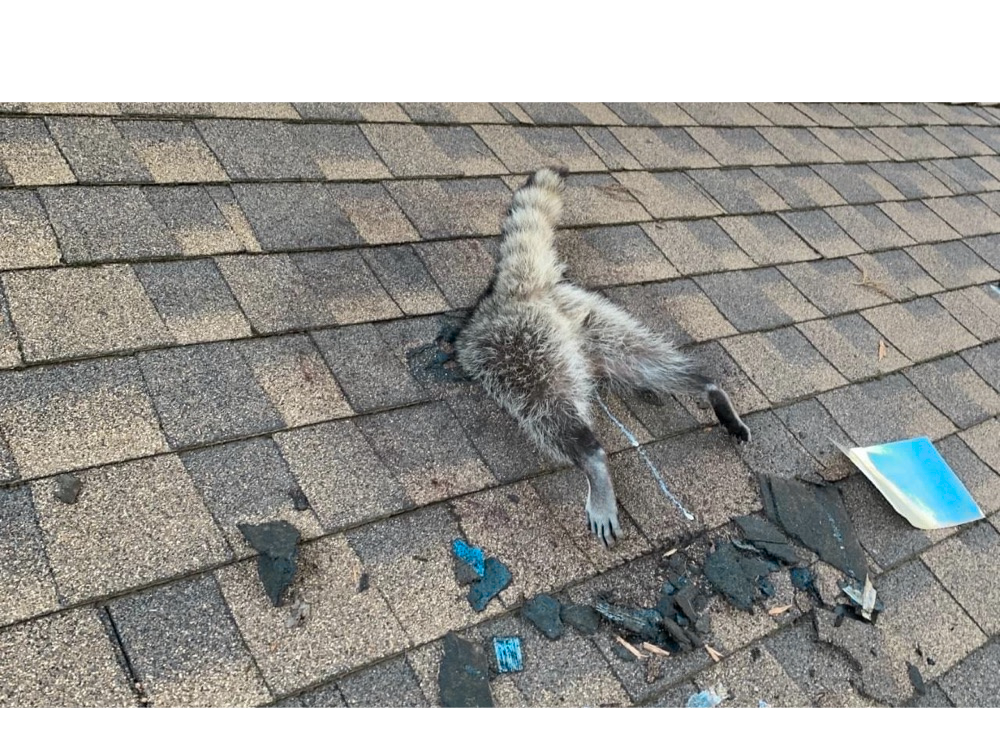
Trapped animals may panic, scratch through drywall, damage insulation, or create additional entry points while trying to escape. In some cases, animals may die inside walls or ceilings, creating unpleasant odors and additional cleanup concerns.
The solution: A professional inspection helps identify entry points, nesting areas, and animal activity before exclusion work begins.
2. Store-Bought Repellents Don't Solve the Root Problem
Many homeowners try sprays, ultrasonic devices, mothballs, or other products marketed to keep wildlife away.
While certain deterrents may temporarily discourage animal activity, they rarely address the reason wildlife entered the home in the first place.
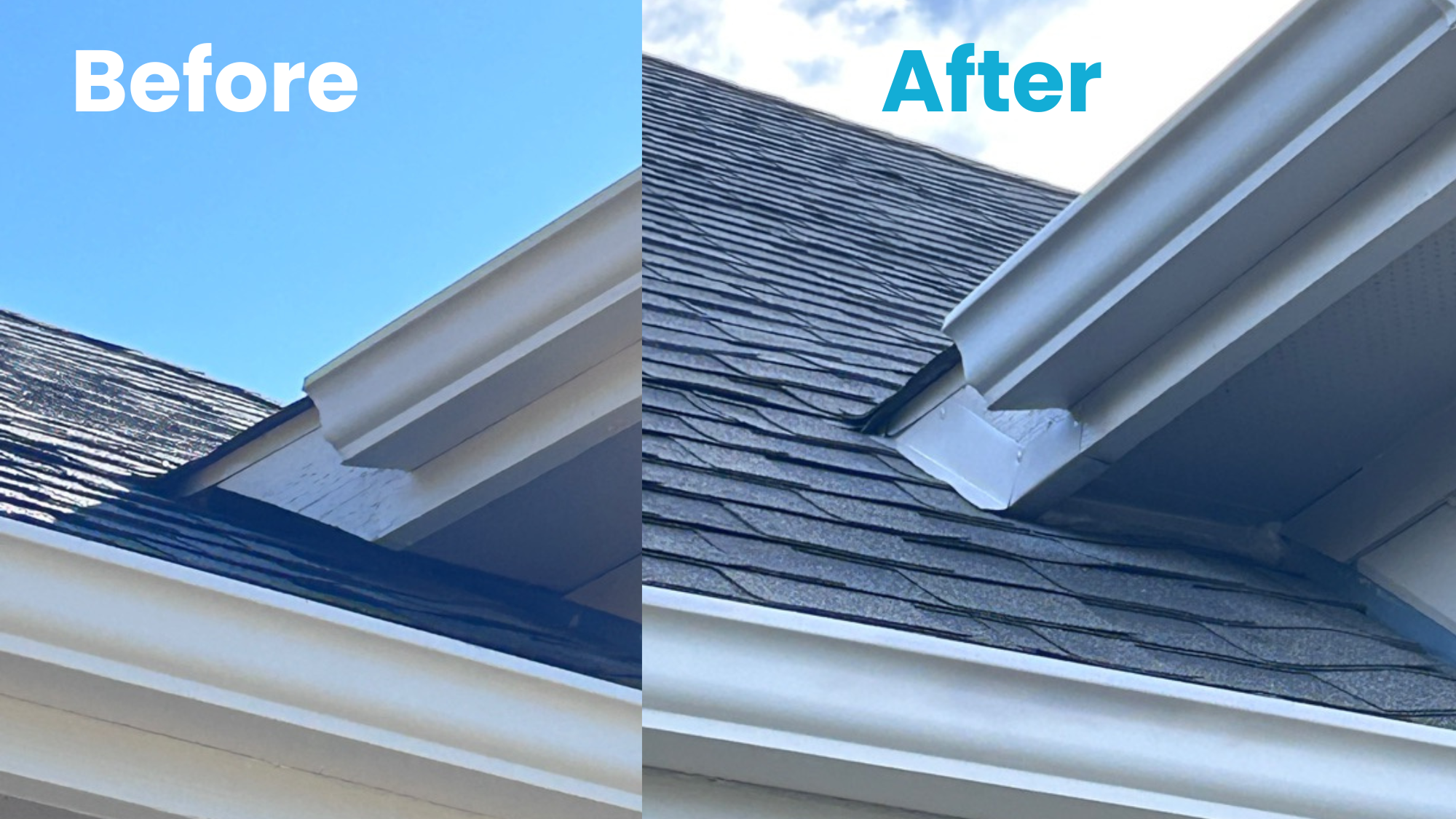
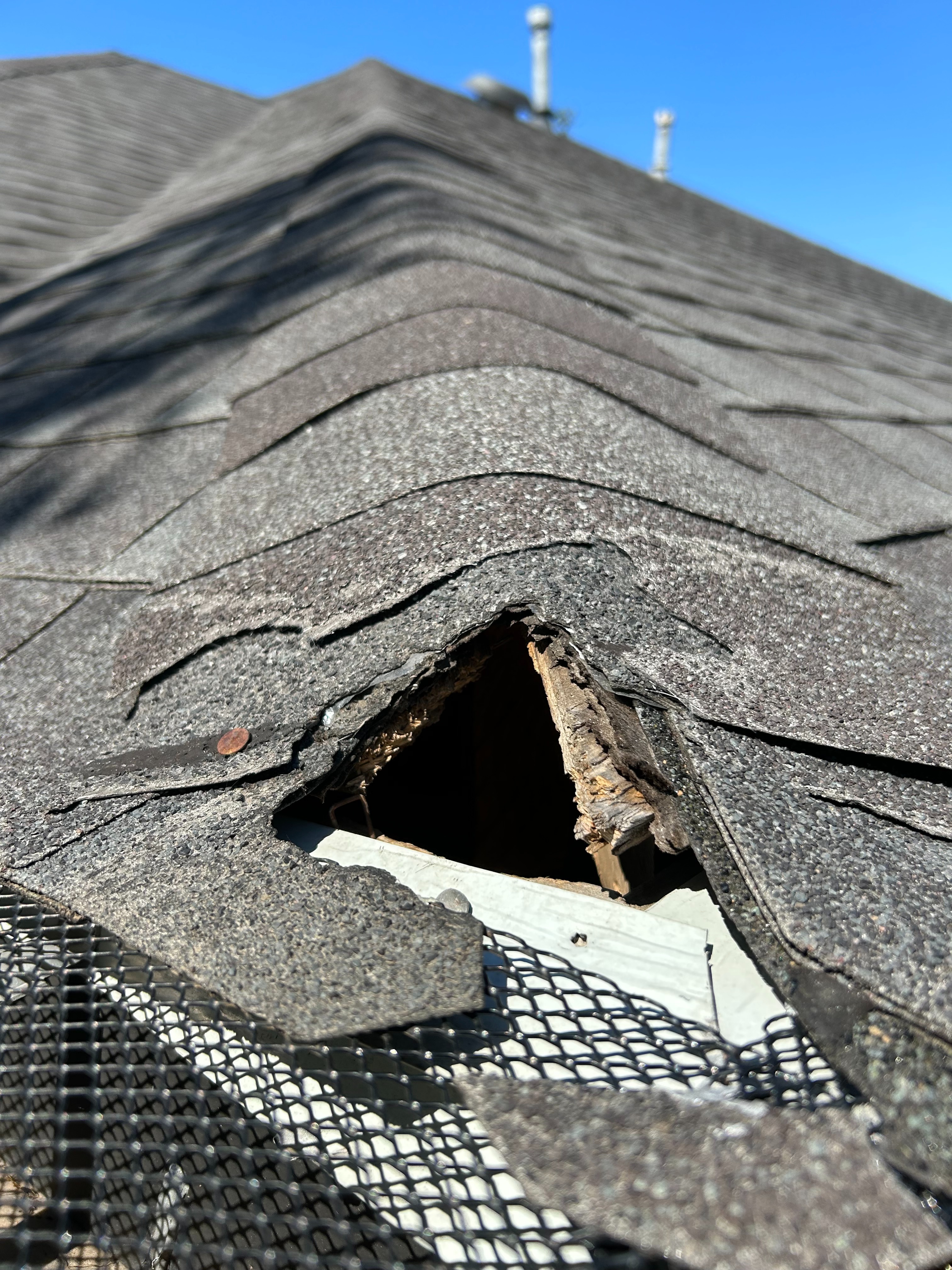
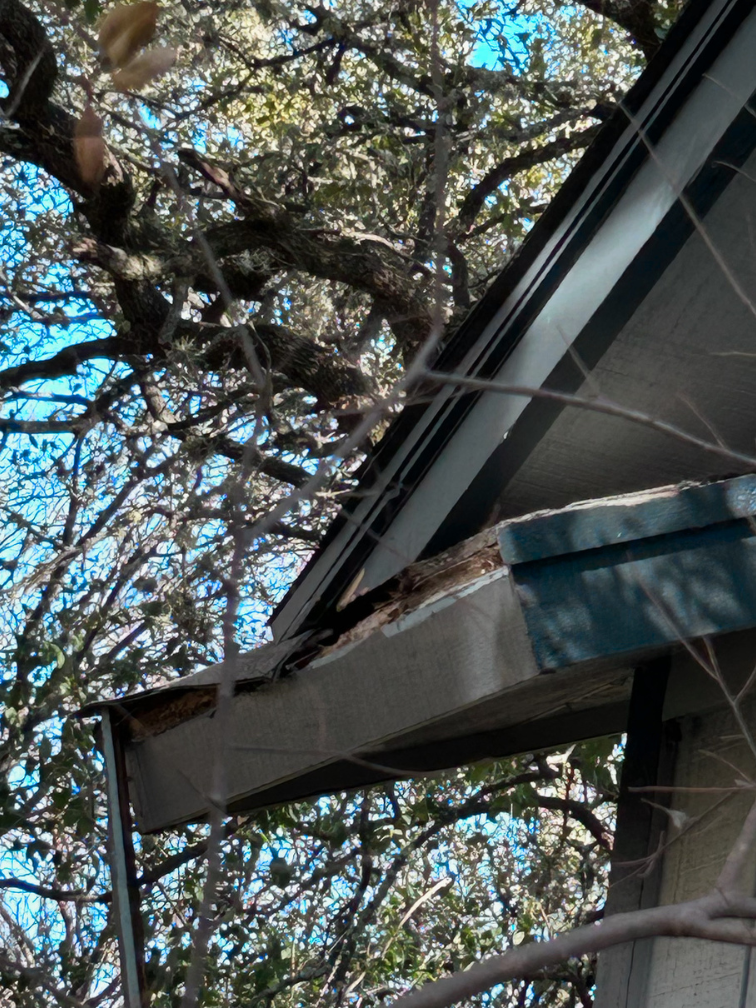
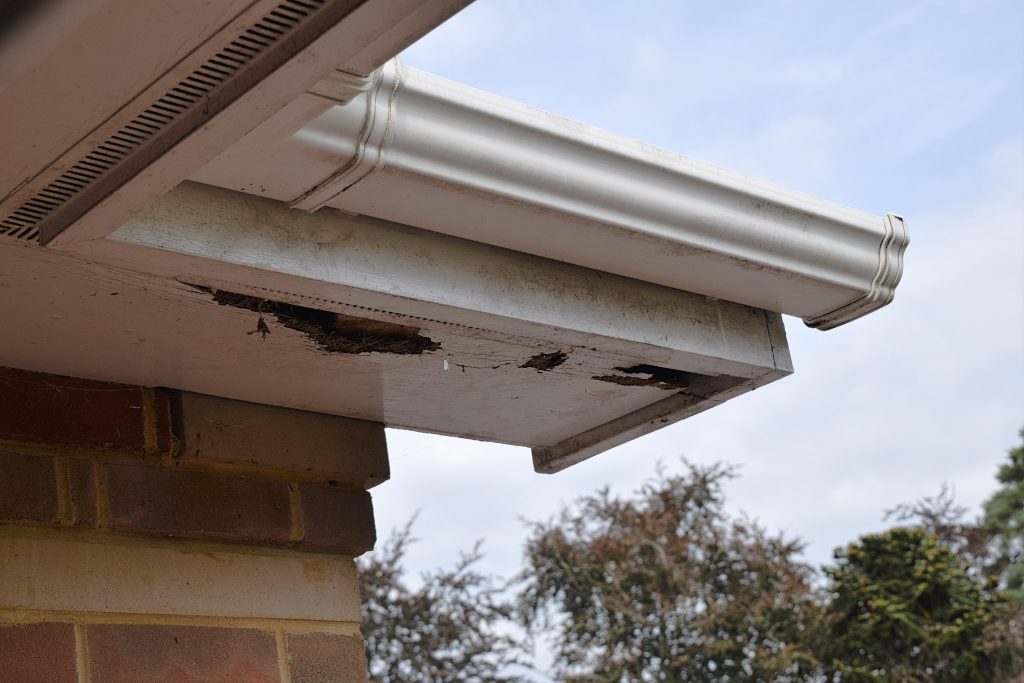
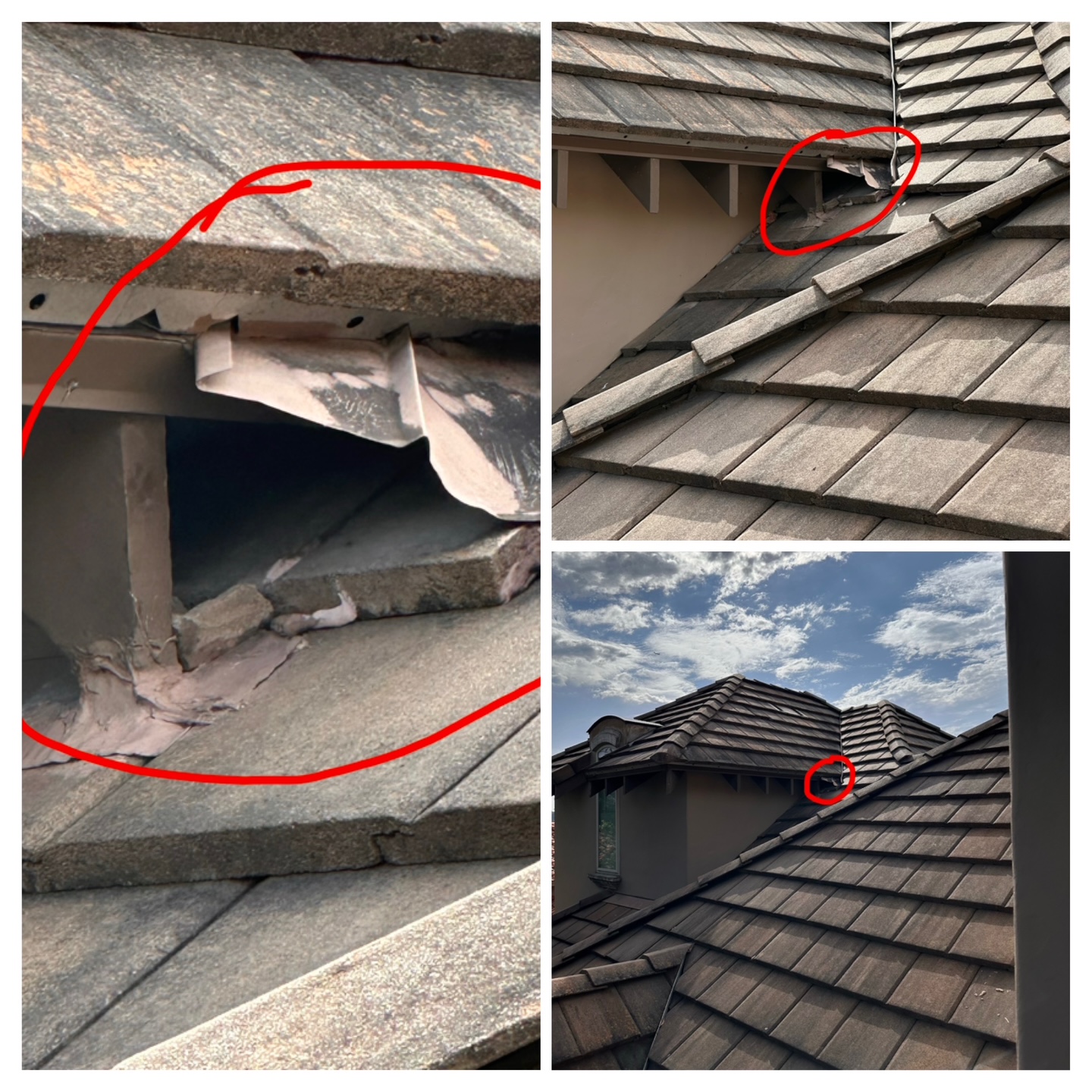
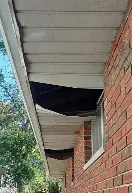
If there is an accessible opening around your roofline, soffits, vents, or fascia, another animal may eventually find its way inside.
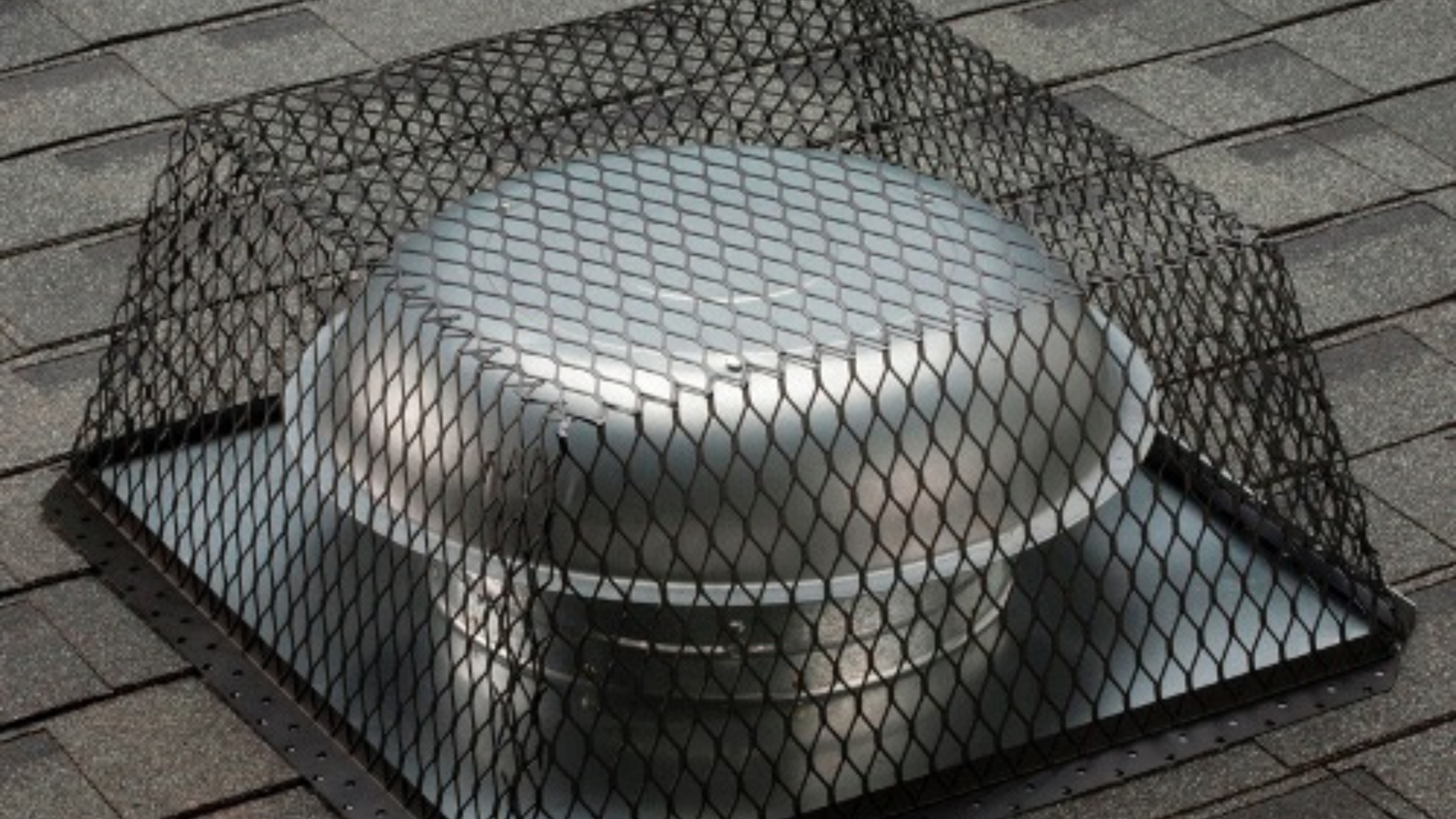
The solution: Effective wildlife control focuses on identifying and permanently sealing vulnerable entry points using appropriate exclusion materials.
3. You Could Put Yourself at Risk
Wild animals can become defensive when frightened, cornered, or protecting their young. Attempting to handle or remove them without proper training can result in bites, scratches, and exposure to parasites or animal waste.
Attics also present their own hazards, including exposed wiring, unstable surfaces, contaminated insulation, and extreme temperatures.
The solution: Trained wildlife professionals have the equipment and experience to assess the situation and perform removal and exclusion work more safely.
4. You May Miss Hidden Entry Points
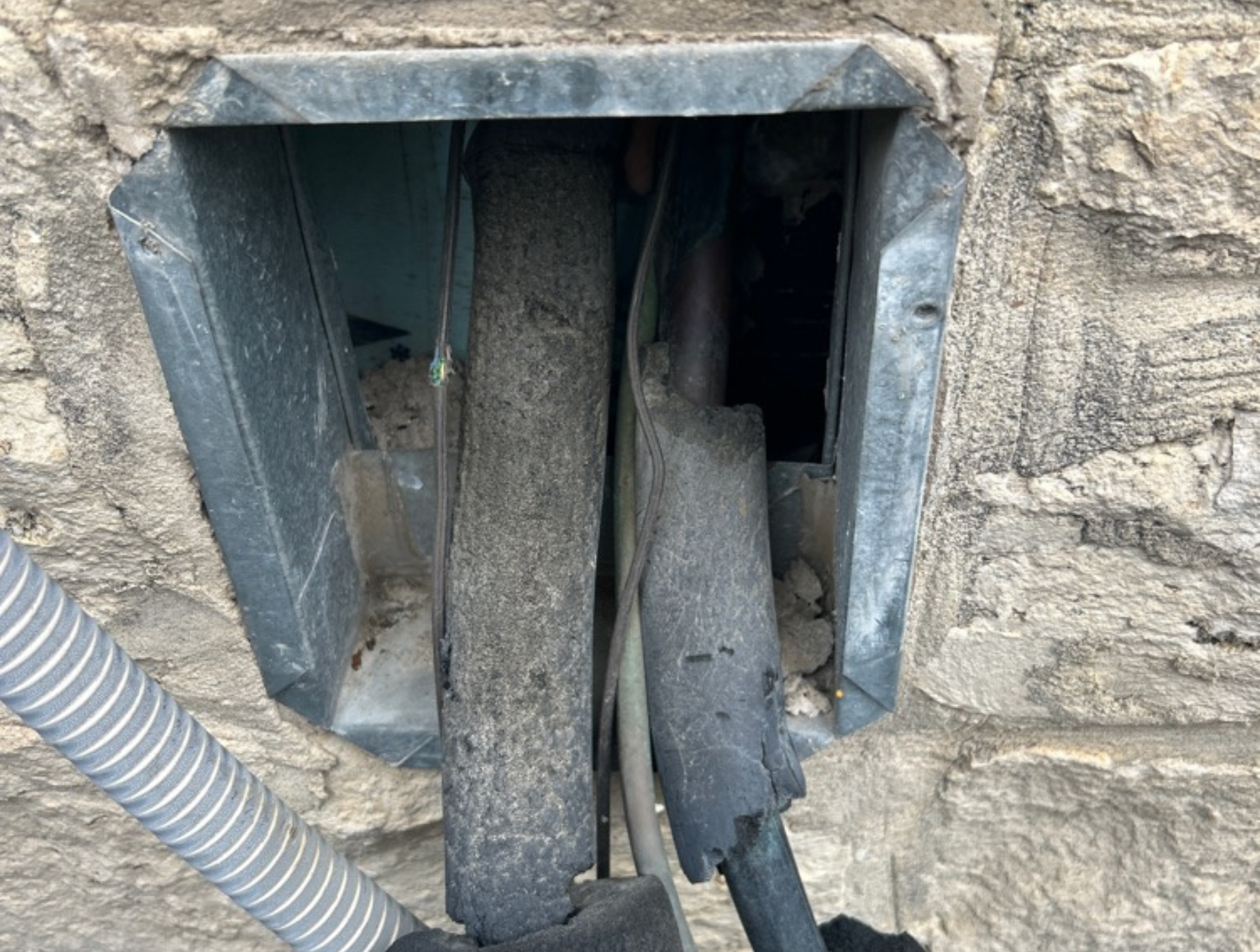
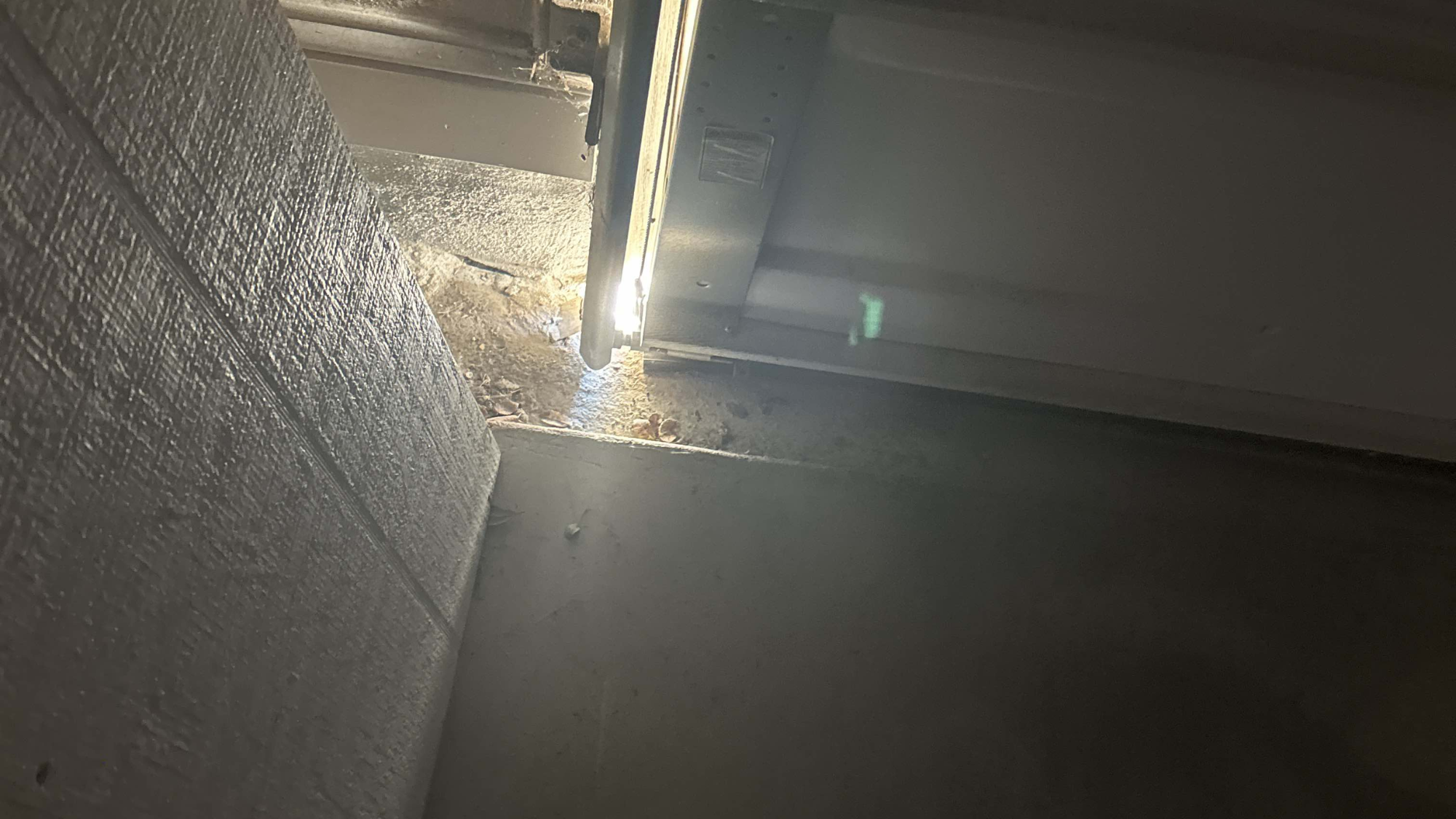
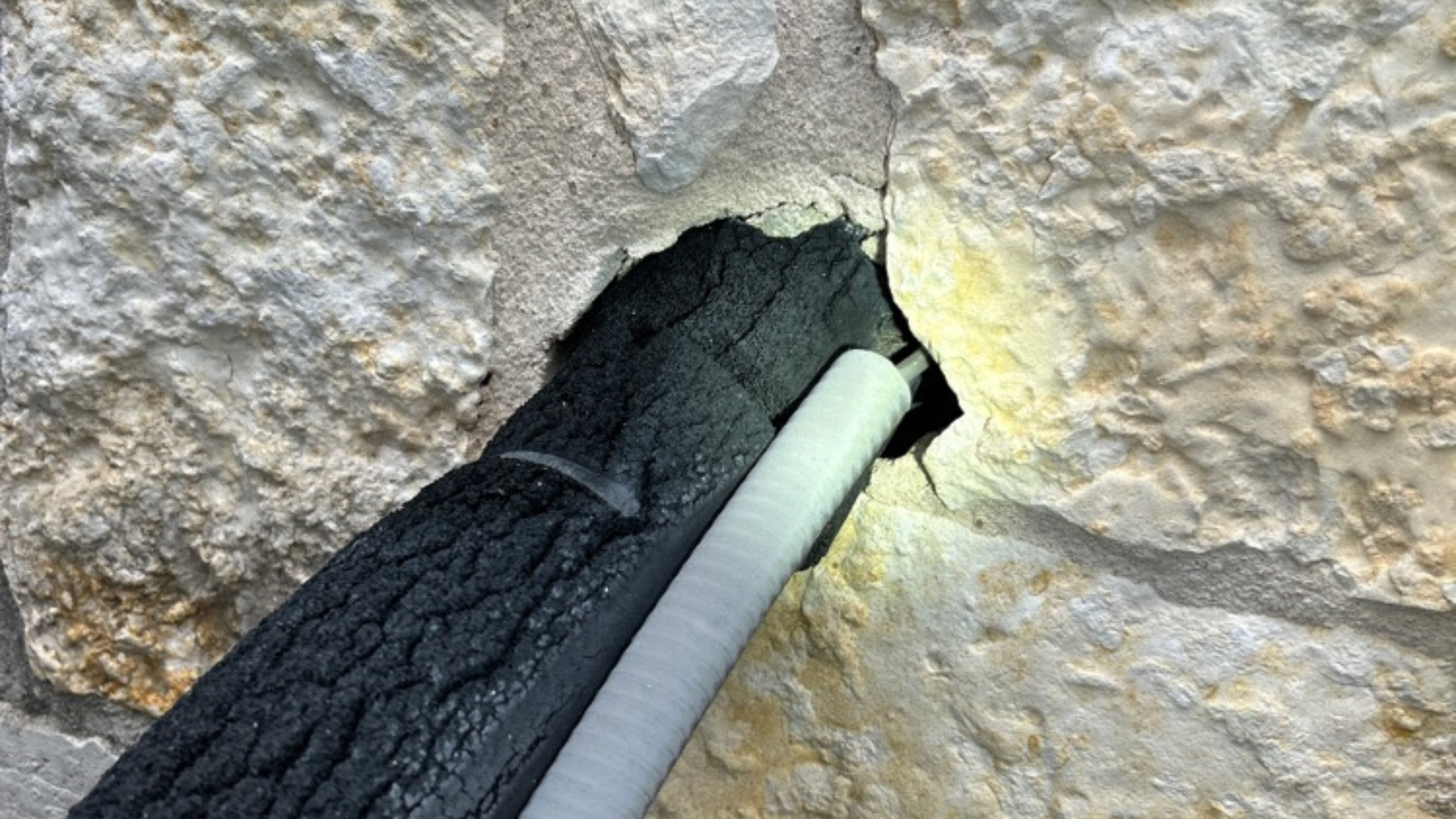
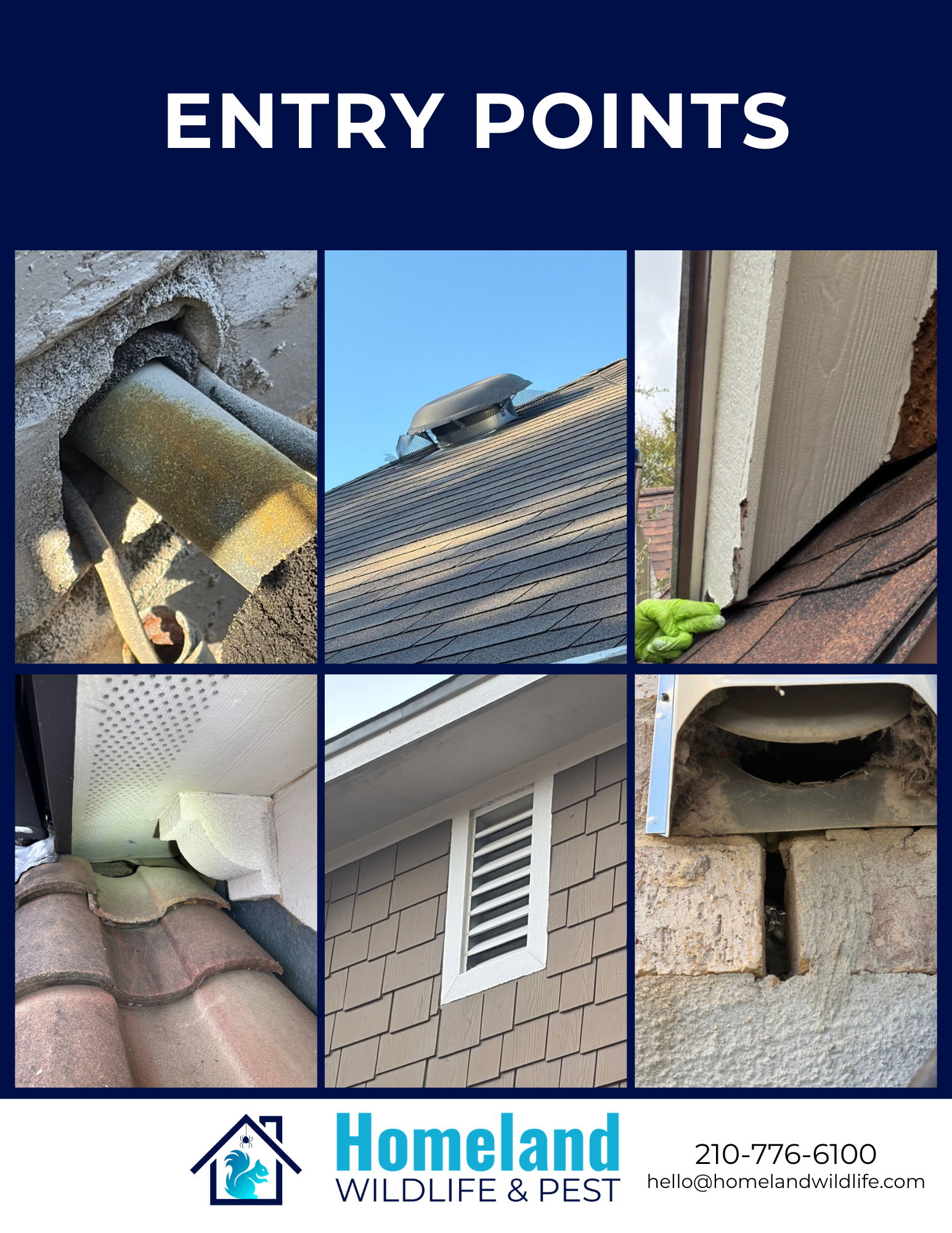
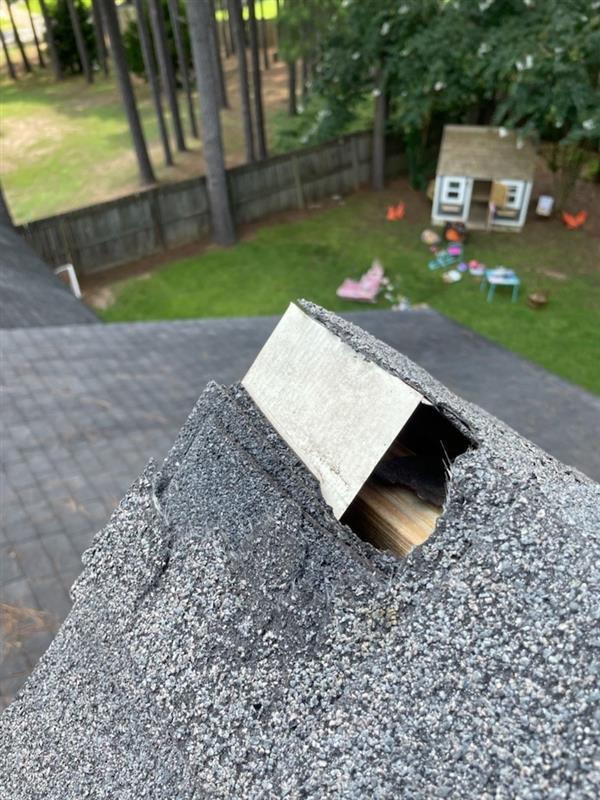
Wildlife can enter through surprisingly small openings. Damaged roof vents, loose soffits, gaps along fascia boards, chimney openings, and roofline intersections can all provide access.
Even if you locate and close one opening, animals may continue entering through another.
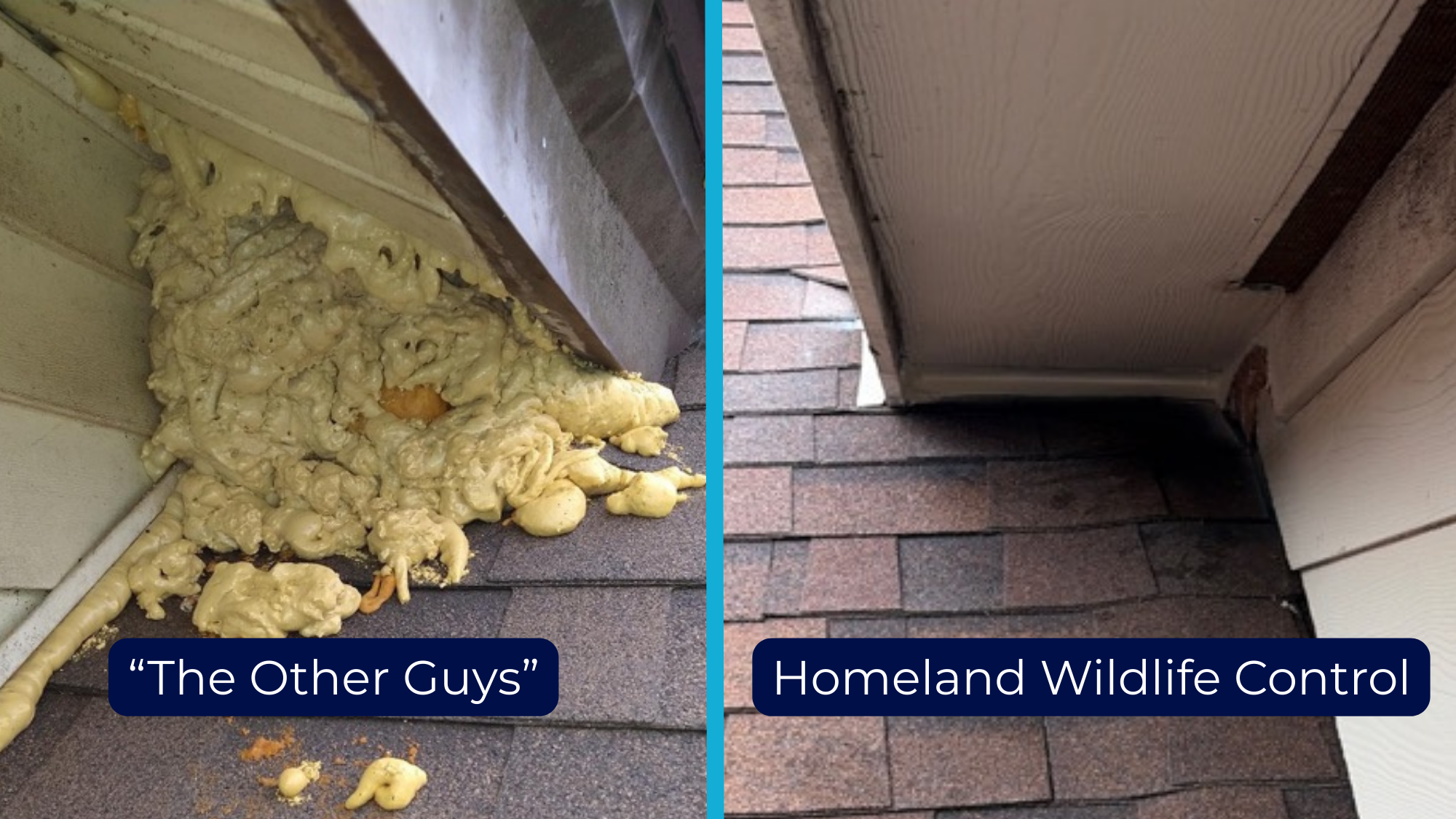
A homeowner may spend money repairing visible damage only to discover that wildlife is still getting inside.
The solution: A thorough inspection looks beyond the obvious damage to identify all potential access points and areas of concern.
5. Wildlife Can Cause More Damage Than You Realize
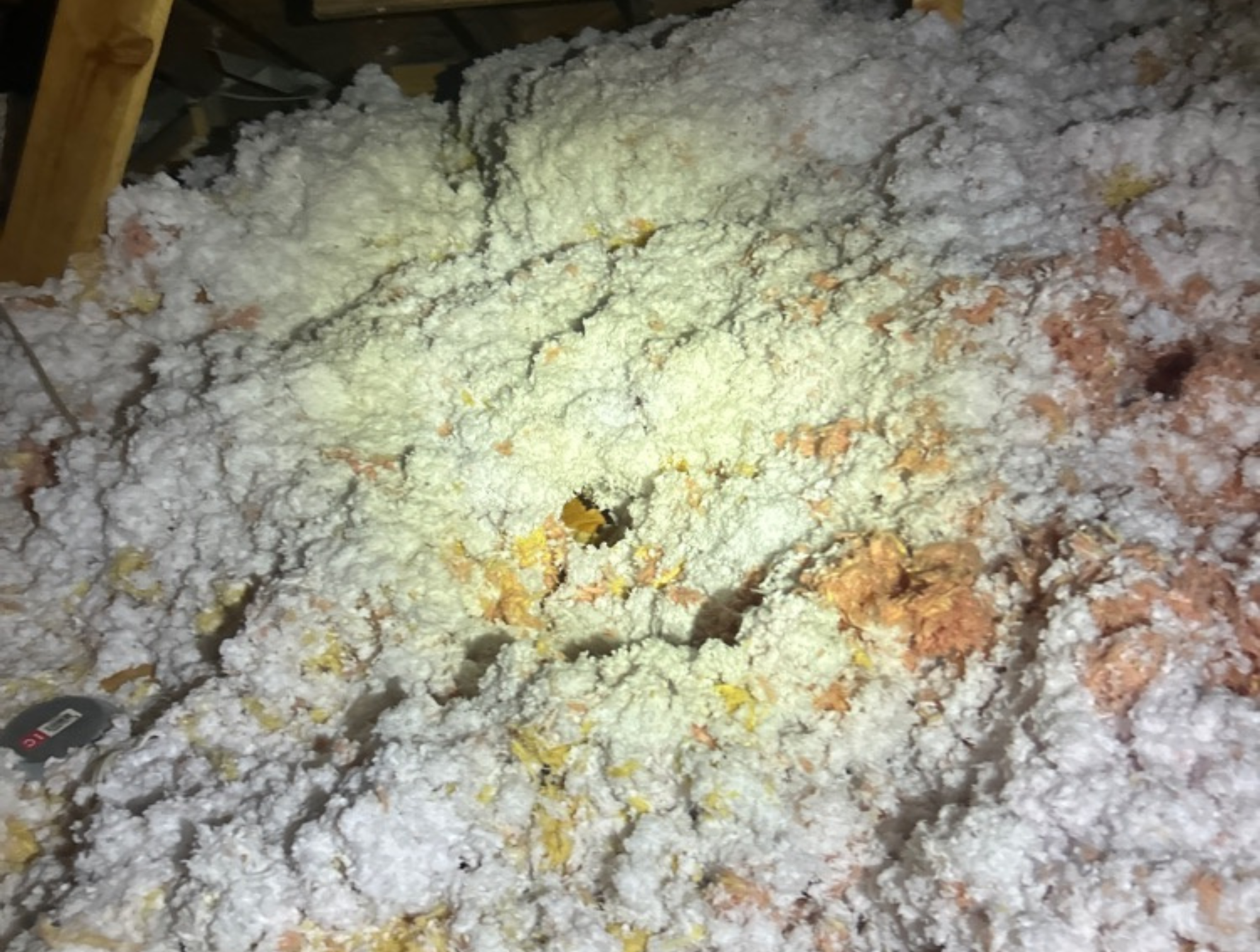
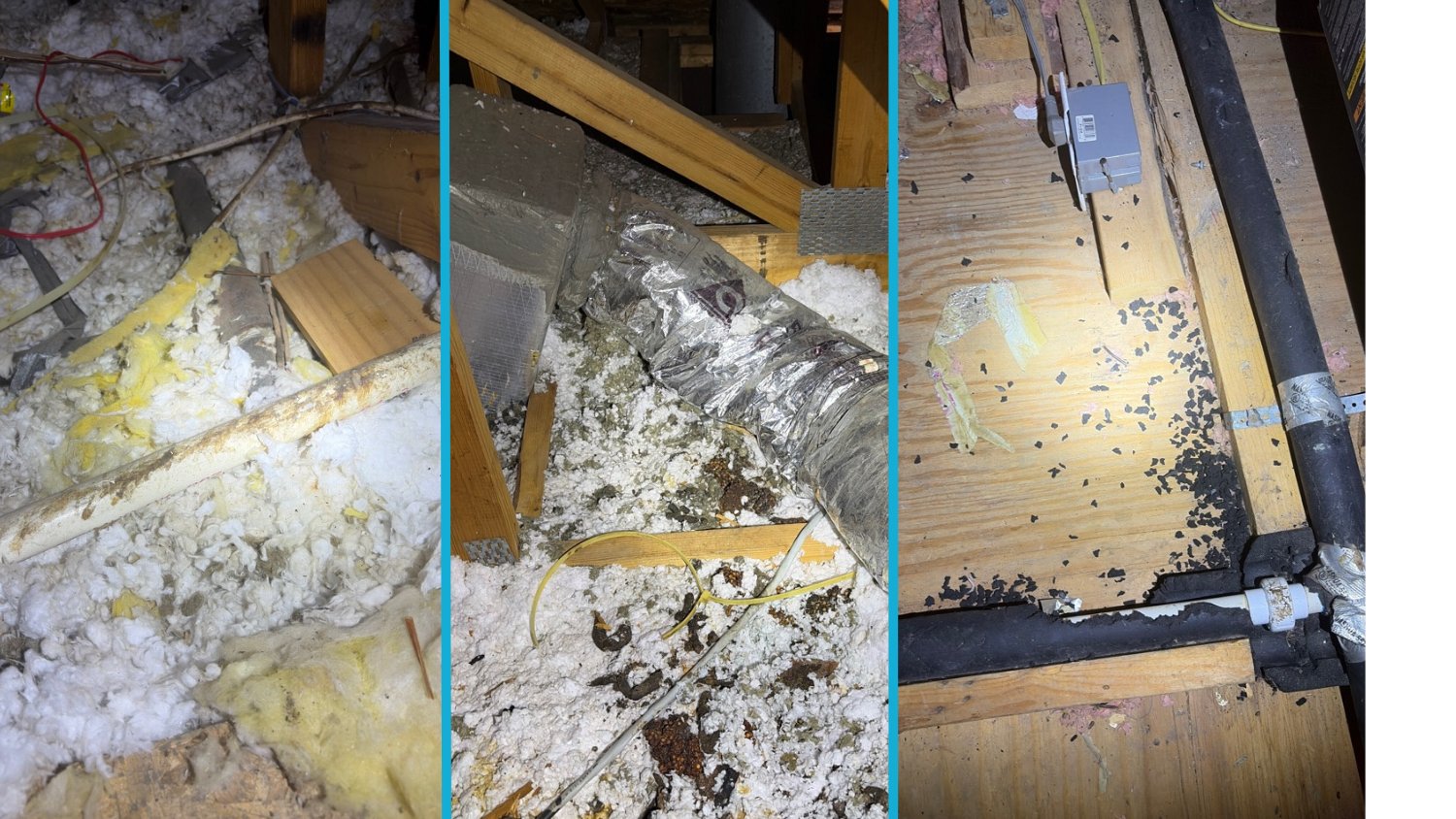
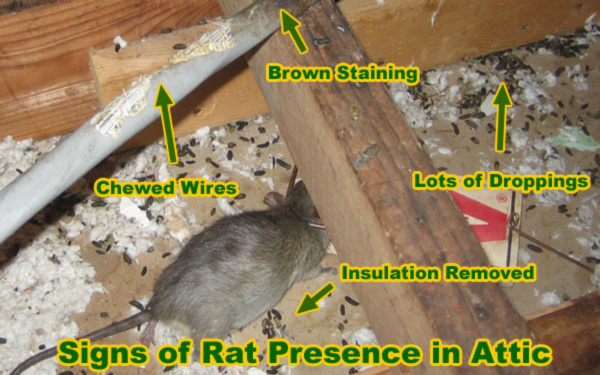
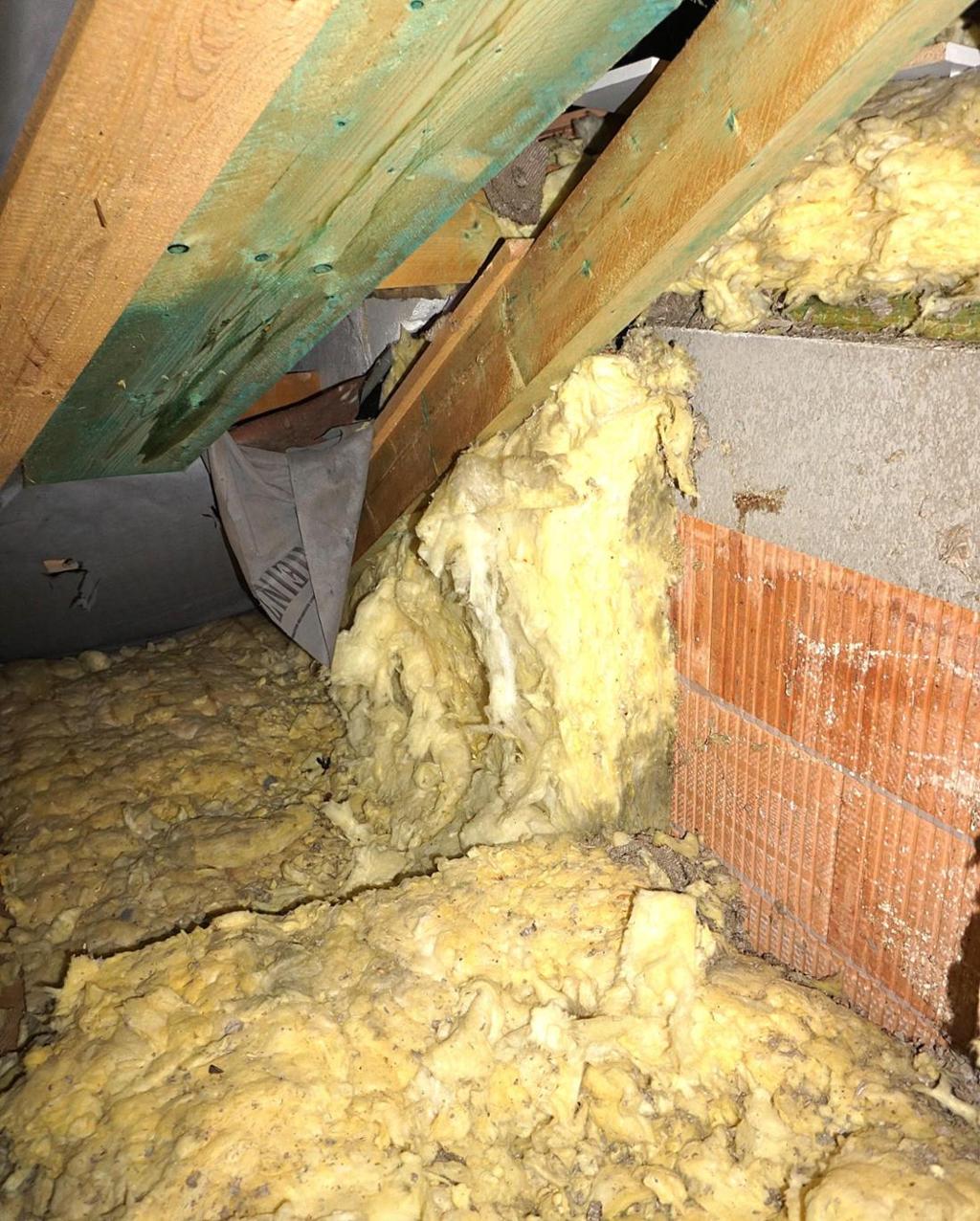
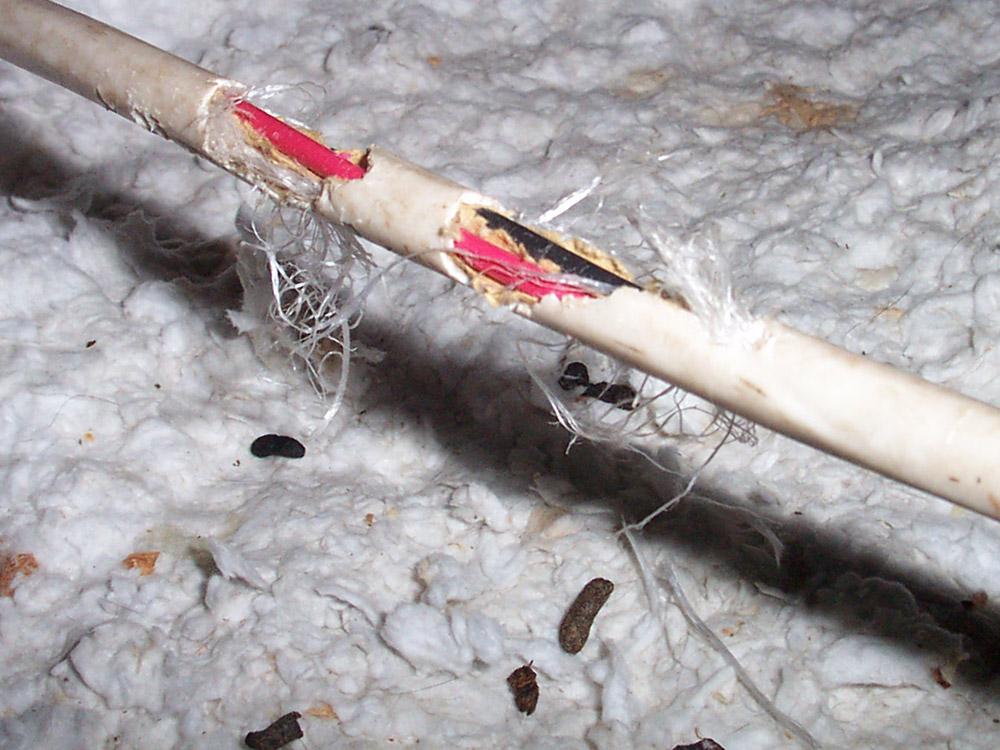
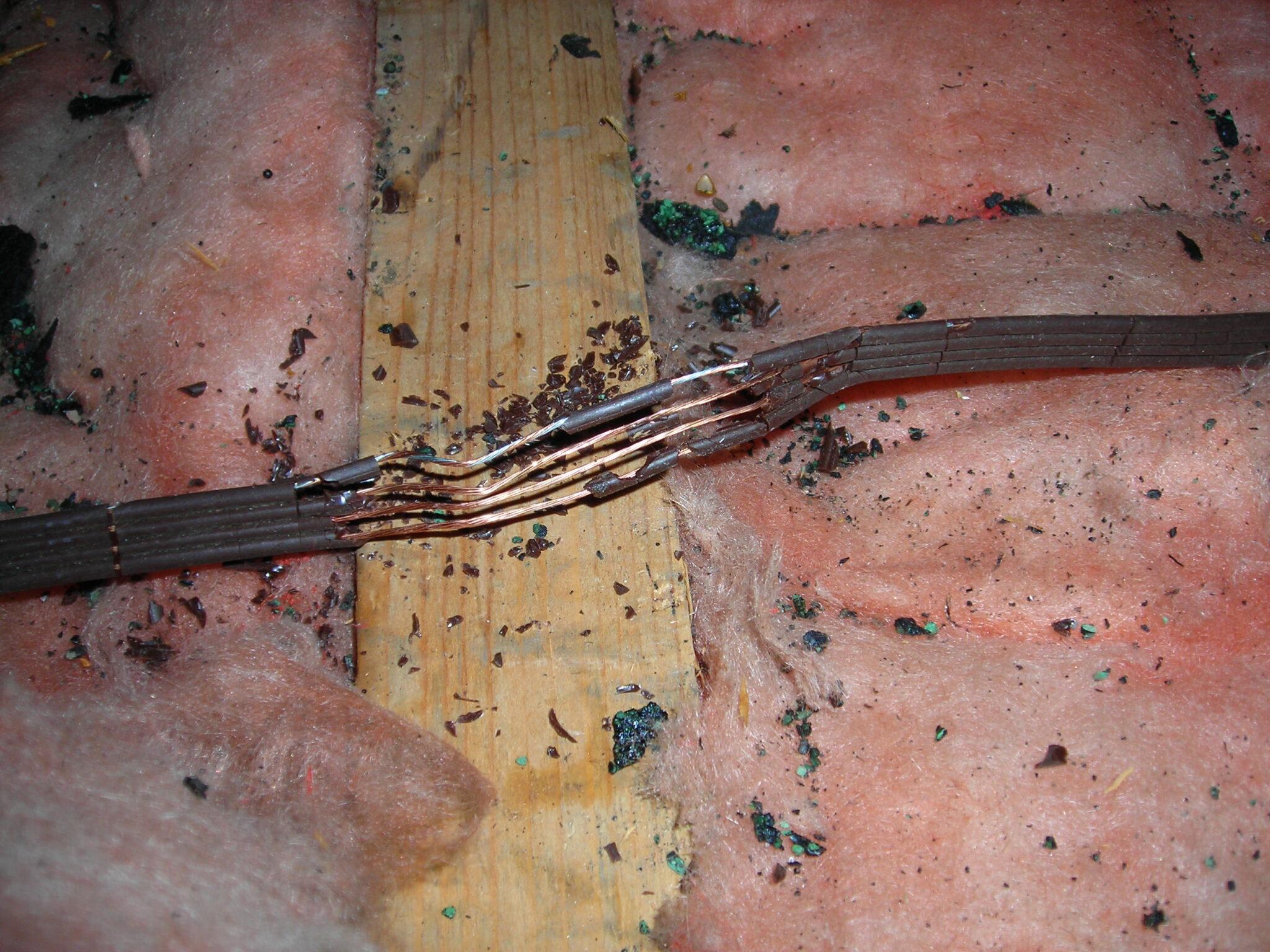
Animals living in your attic can cause extensive damage over time. Chewed electrical wiring, torn ductwork, damaged insulation, contaminated areas, and damaged roofing materials are just a few examples.
Wildlife activity can also lead to lingering odors and sanitation concerns.
Simply removing the animal does not necessarily resolve the damage it leaves behind.
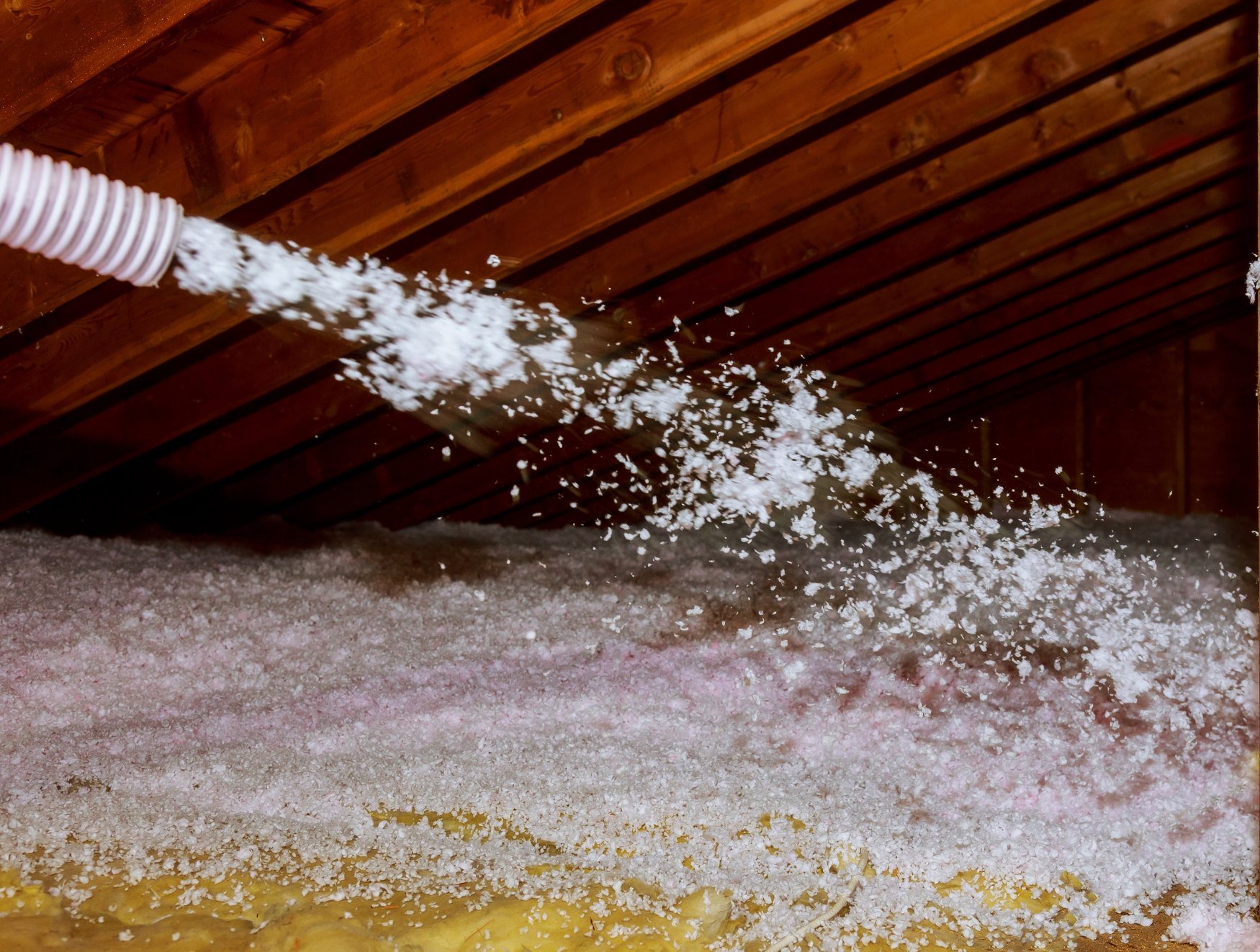
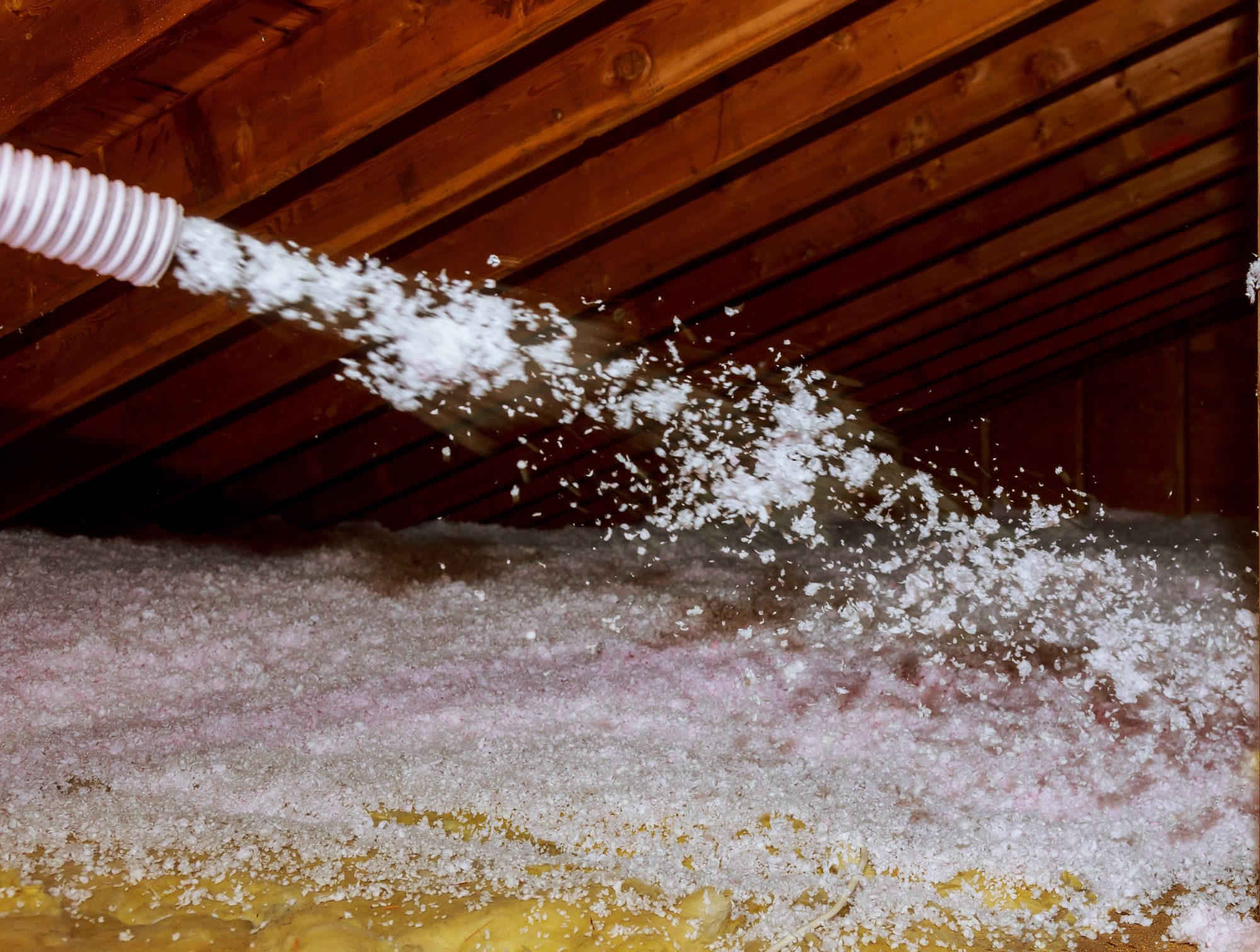
The solution: Professional wildlife services can address animal removal, exclusion, damage assessment, and attic sanitation. Insulation remediation may also be necessary when existing insulation has been damaged or contaminated.
6. The Problem May Keep Coming Back
Perhaps the most frustrating part of DIY wildlife removal is discovering that the animals have returned.
Removing an animal without addressing the conditions that attracted it or the openings it used to enter is only a temporary fix.
Wildlife looks for safe, sheltered places to nest. If your attic remains accessible, it may continue attracting unwanted visitors.
The solution: A complete wildlife exclusion plan addresses the current problem while helping prevent future animal activity.
Why Professional Wildlife Exclusion Matters
Successful wildlife control involves much more than removing an animal. It requires understanding animal behavior, identifying access points, using appropriate removal methods, and making the necessary repairs to protect your home.
At Homeland Wildlife, we take a comprehensive approach to protecting your home. Our services include:
Professional wildlife inspections
Wildlife removal and exclusion
Entry-point identification and sealing
Roof vent and vulnerable opening protection
Attic inspections and damage assessments
Attic sanitation and insulation remediation
With over 15 years of experience, our goal is to help homeowners resolve wildlife problems properly and protect their homes from future damage.
Don't Let a Small Wildlife Problem Become a Big Expense
If you hear scratching in your attic, notice unusual odors, find damaged insulation, or suspect an animal has moved into your home, don't wait for the problem to get worse.
DIY solutions may seem less expensive initially, but improper removal and incomplete exclusion can lead to additional damage and recurring problems.
Let the professionals take a look.
Contact Homeland Wildlife today for a FREE inspection!