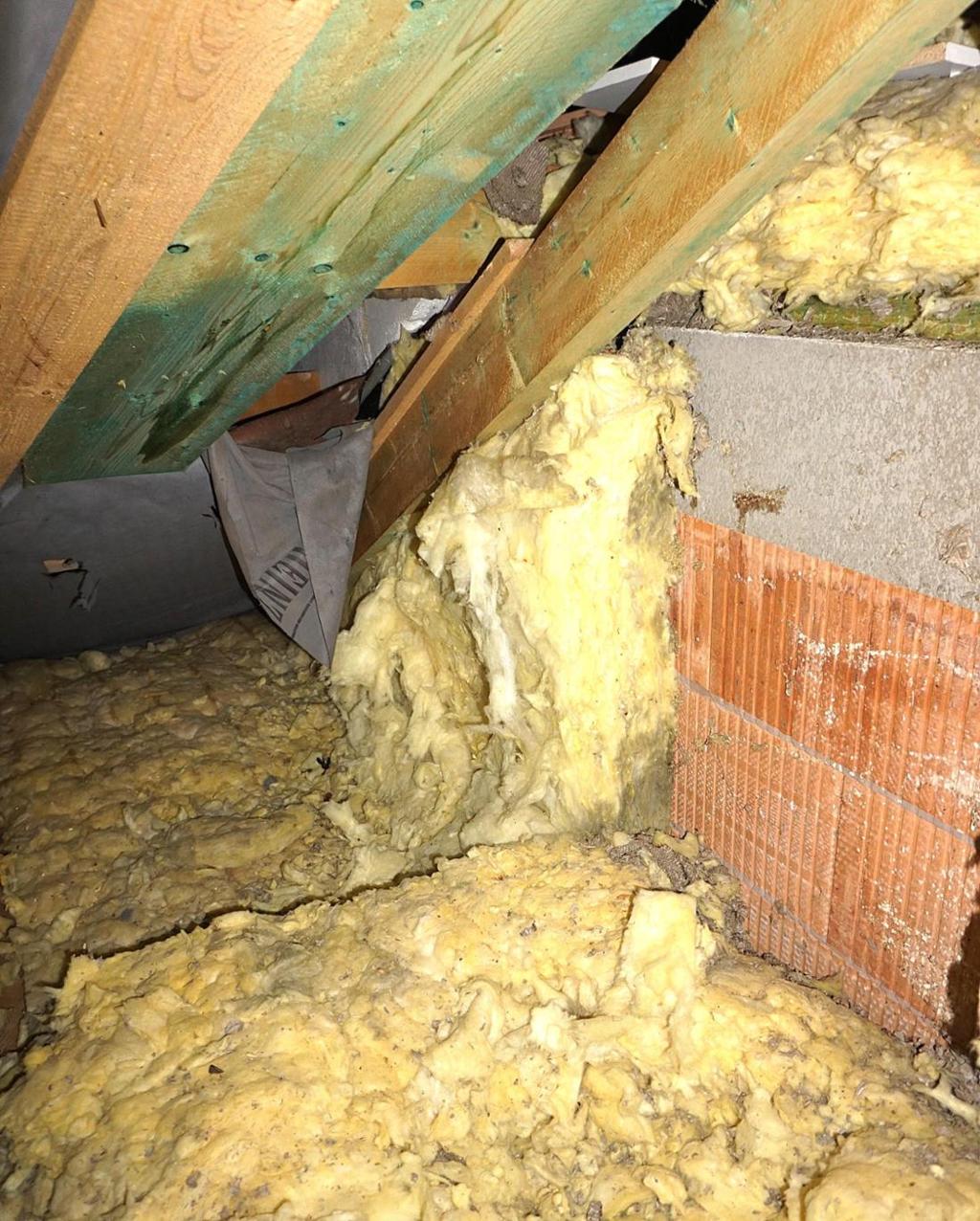
Let's be honest about why wildlife complaints get deprioritized:
Tenant says they hear scratching. You think:
The reality: If a tenant hears scratching at night, there's a 90% chance it's wildlife. They're not imagining it.
You have 15 maintenance requests this week:
The mistake: Wildlife problems are ALWAYS urgent because they multiply exponentially.
Week 1: 2 rats in one unit
Week 4: 10 rats in three units
Week 8: 30 rats affecting entire building
Every day you wait makes the problem worse and more expensive.
You call your monthly pest control company. They set some bait stations. Problem solved, right?
Wrong.
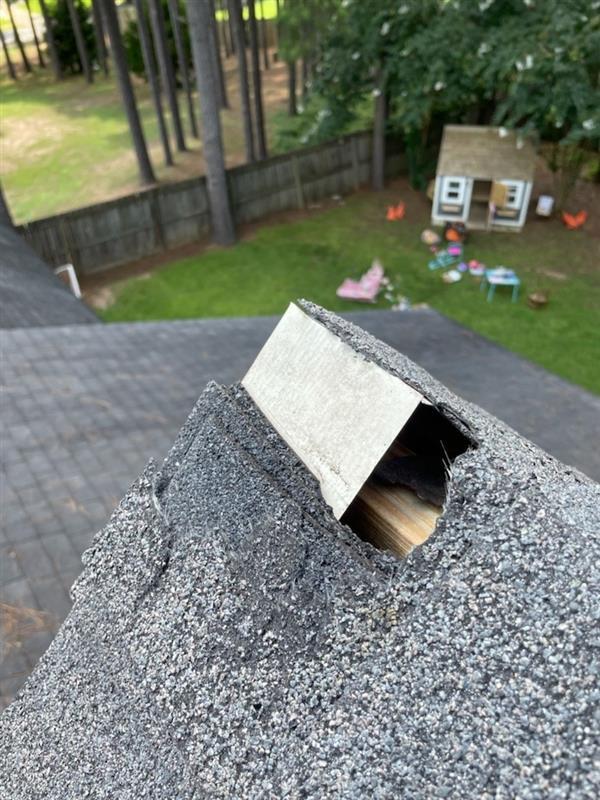
Pest control kills rodents AFTER they're inside. They don't seal entry points. More rodents keep coming in.
You're treating the symptom, not the problem.
Let's break down the real financial impact of delayed action:
Average tenant turnover cost per unit:
Total per unit: $2,500-4,900
If wildlife causes just ONE tenant to leave: $3,000-5,000 lost.
If wildlife spreads to 3 units and all three tenants leave: $9,000-15,000 lost.
When tenants complain about ongoing wildlife issues:
They demand:
Real scenario:
Tenant in a $1,200/month unit reports rats. You delay fixing it for 6 weeks.
Tenant demands:
Total: $6,000+ from one delayed response
Online reviews are forever.
One tenant posts: "Management ignored my rodent complaint for 2 months. I could hear rats in my ceiling every night. Finally moved out. Don't rent here."
Impact:
Cost of one negative review: Studies show it costs 5-10 positive reviews to offset one negative review. If you're trying to maintain 95% occupancy, bad reviews directly impact vacancy rates.
Preventive wildlife exclusion (before tenants complain):
Emergency exclusion (after complaints start):
Waiting to act triples the cost.
Property owners watch:
When wildlife becomes a pattern:
Losing one 100-unit property management contract = $50,000-150,000 annual revenue lost.
Let's compare two scenarios:
Month 1:
Month 2:
Month 3:
Month 4:
Total: $12,210
Week 1:
Week 2:
Week 3:
Savings: $9,710
Plus: Happy tenant renews lease, doesn't post negative review, refers friends.
Unlike single-family homes, apartments have:
If rodents get into one unit, they can access neighboring units within days.
A 20-unit building typically has:
Sealing one unit's entry point doesn't solve the building-wide vulnerability.
You can't control tenant behavior, but you CAN control whether wildlife can physically enter the building.
☐ Acknowledge complaint to tenant
☐ Schedule wildlife inspection (not just pest control)
☐ Inspect adjacent units for signs of activity
☐ Wildlife specialist completes inspection
☐ You receive written report with photos
☐ Get quote for exclusion
☐ Approve and schedule exclusion work
☐ Notify affected tenants of timeline
☐ Begin work
☐ Exclusion complete
☐ Follow up with tenant to confirm issue resolved
☐ Document resolution for property owner
Speed matters. Every day of delay adds cost.
Smart property managers don't wait for complaints. They implement preventive programs.
What it includes:
Cost: $300-500/month for 20-50 unit property
ROI: Prevents $10,000-30,000 in annual turnover costs
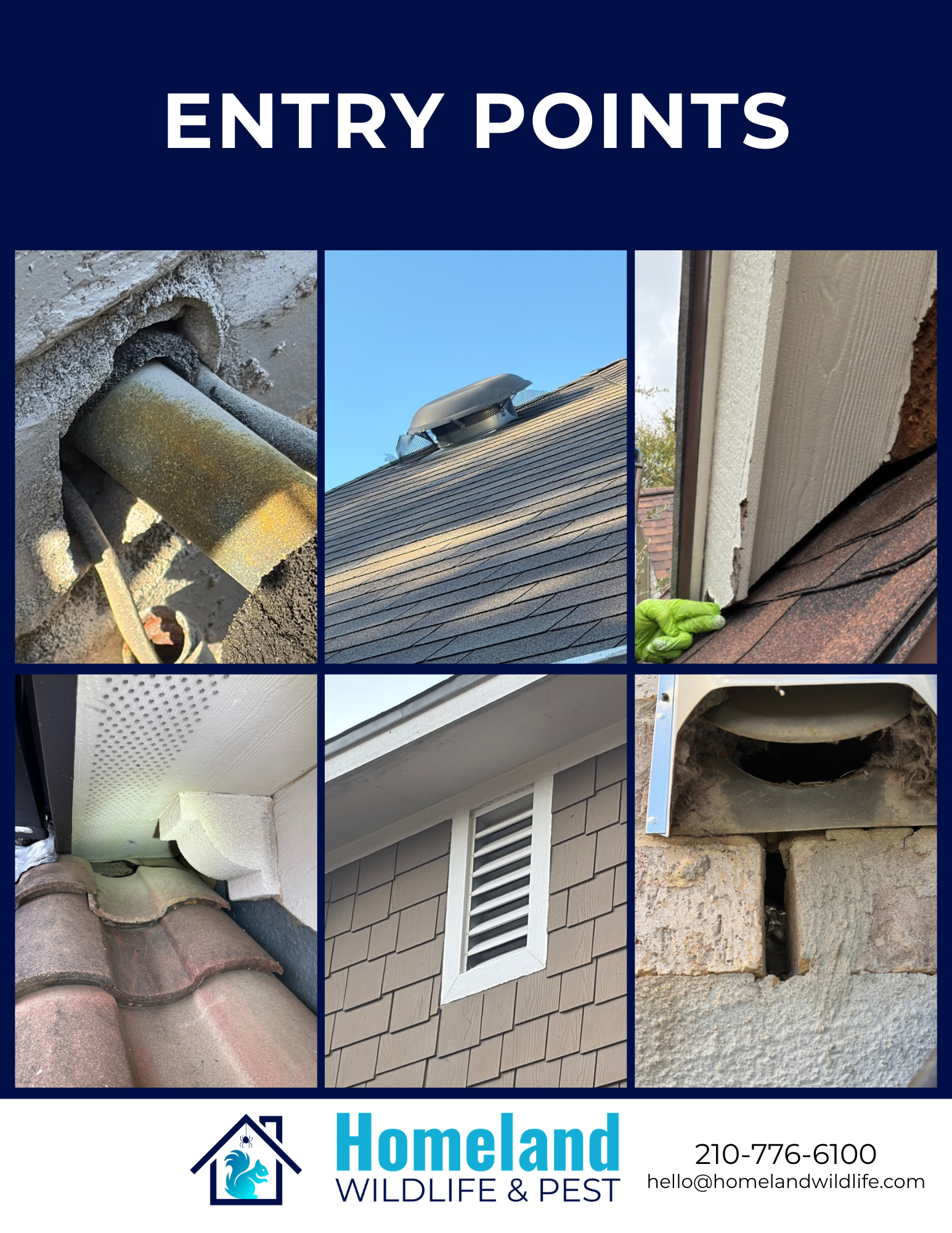
✅ All roof returns and soffits
✅ Foundation gaps and cracks
✅ Dumpster area and enclosures
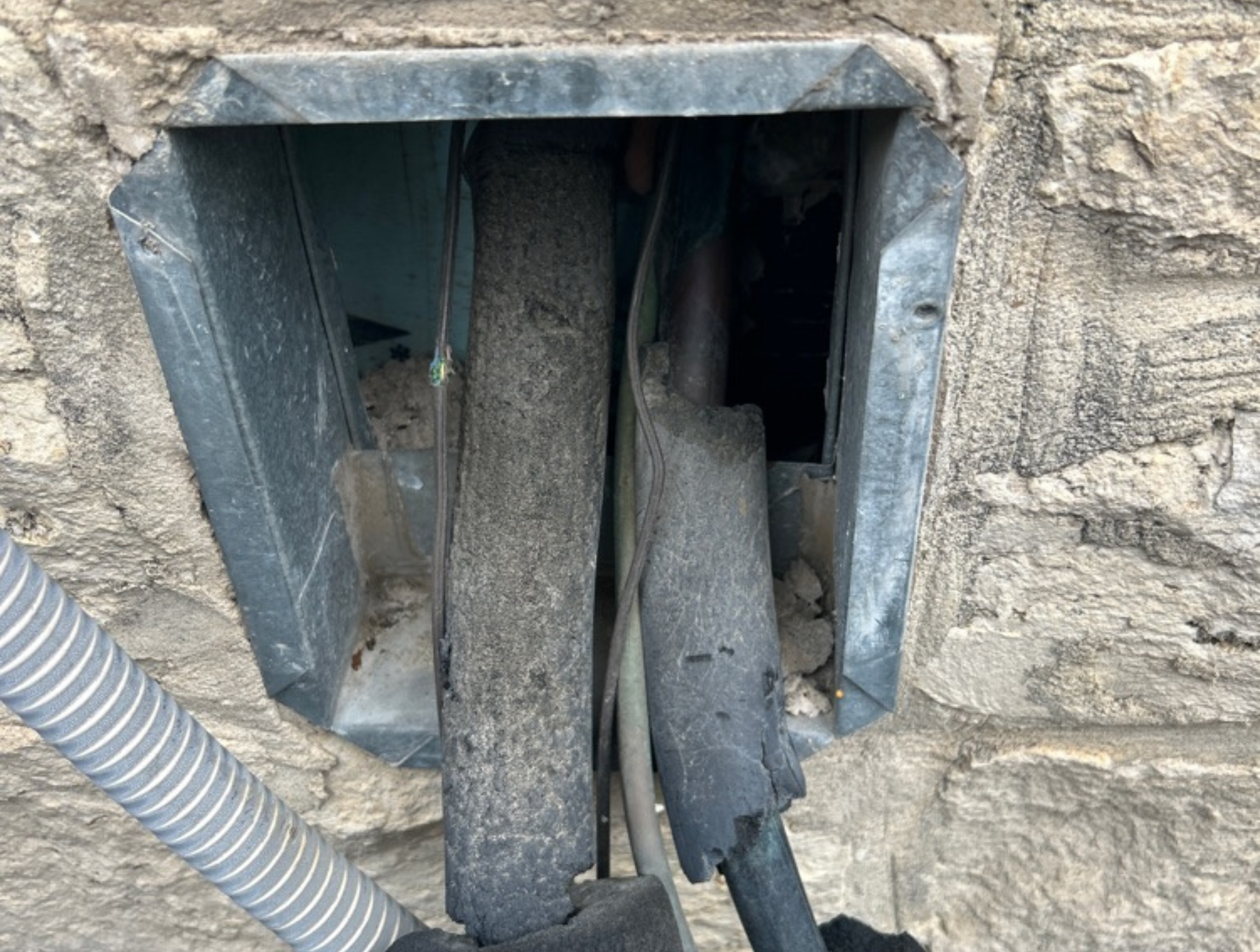
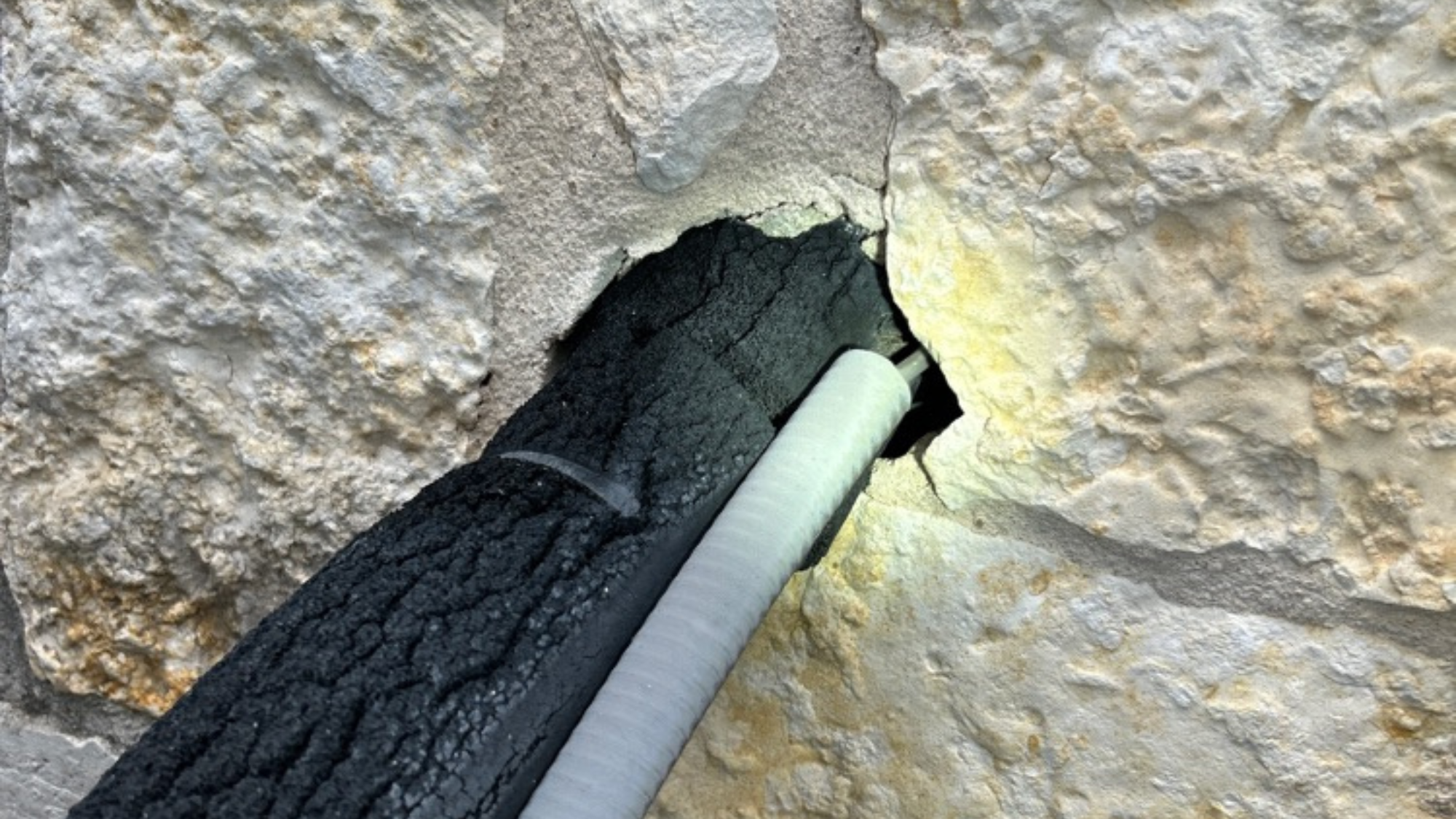
✅ AC line penetrations
✅ Garage door seals
✅ Attic spaces (accessible buildings)
✅ Common areas and storage
Early detection = minimal cost. Late detection = major expense.
Property owners care about:
Here's how to frame it:
"We're recommending a quarterly wildlife prevention program at $400/month ($4,800/year).
Last year, we spent $12,000 responding to wildlife complaints after they became problems.
This program prevents issues before tenants complain, protects occupancy, and saves money.
ROI: For every $1 we spend on prevention, we save $3-5 in reactive costs and turnover."
Owners will approve this. It makes financial sense.
Don't wait for complaints. Look for these signs:
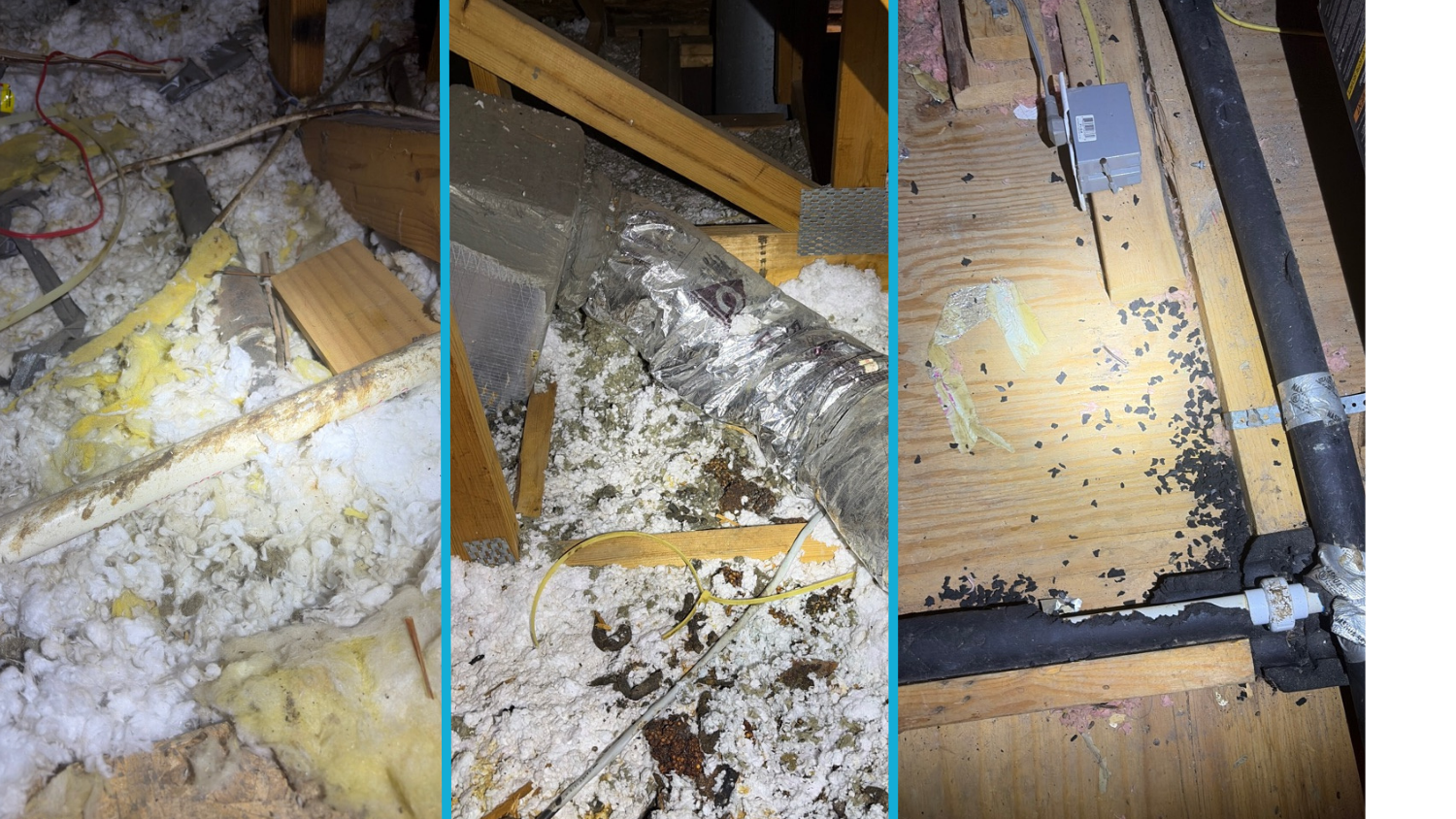
❌ "We keep finding droppings in utility closets"
❌ "Tenants keep asking about scratching sounds"
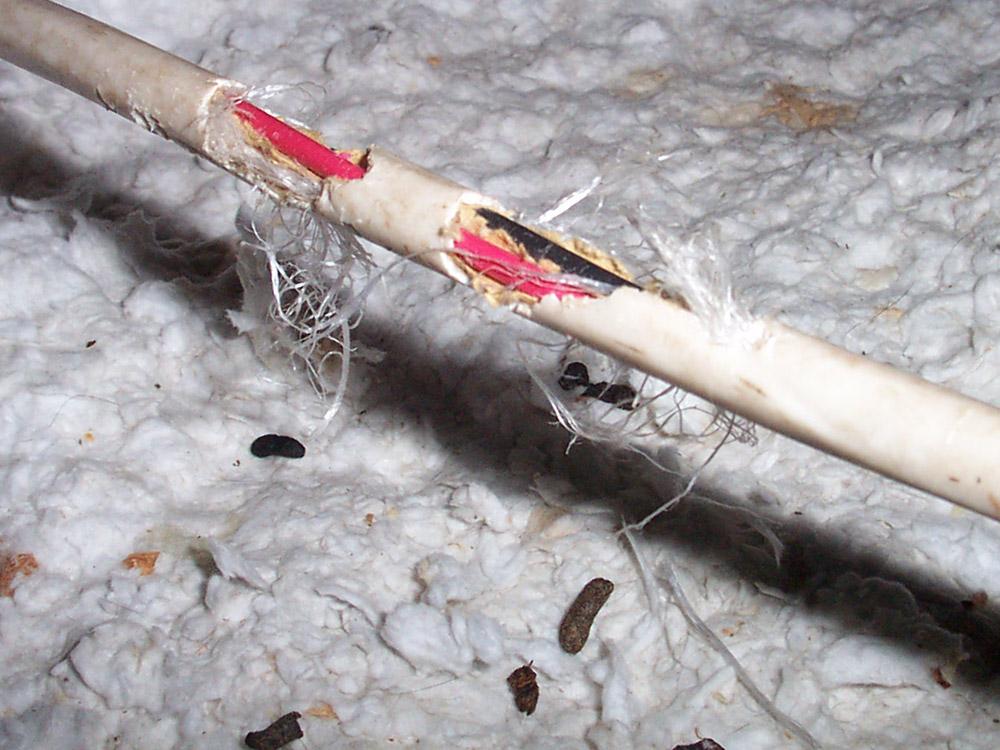
❌ "We found chewed wiring in the attic"
❌ "The dumpster area has visible burrows"
❌ Multiple units in same building turn over within 3 months
❌ Exit surveys mention "noise" or "pests"
❌ Tenants break leases early without clear explanation
❌ Reviews mention "rats," "scratching," "rodents," or "wildlife"
❌ Multiple reviews reference same building or unit type
If you see any of these, you have a wildlife problem—even if only 1-2 tenants have formally complained.
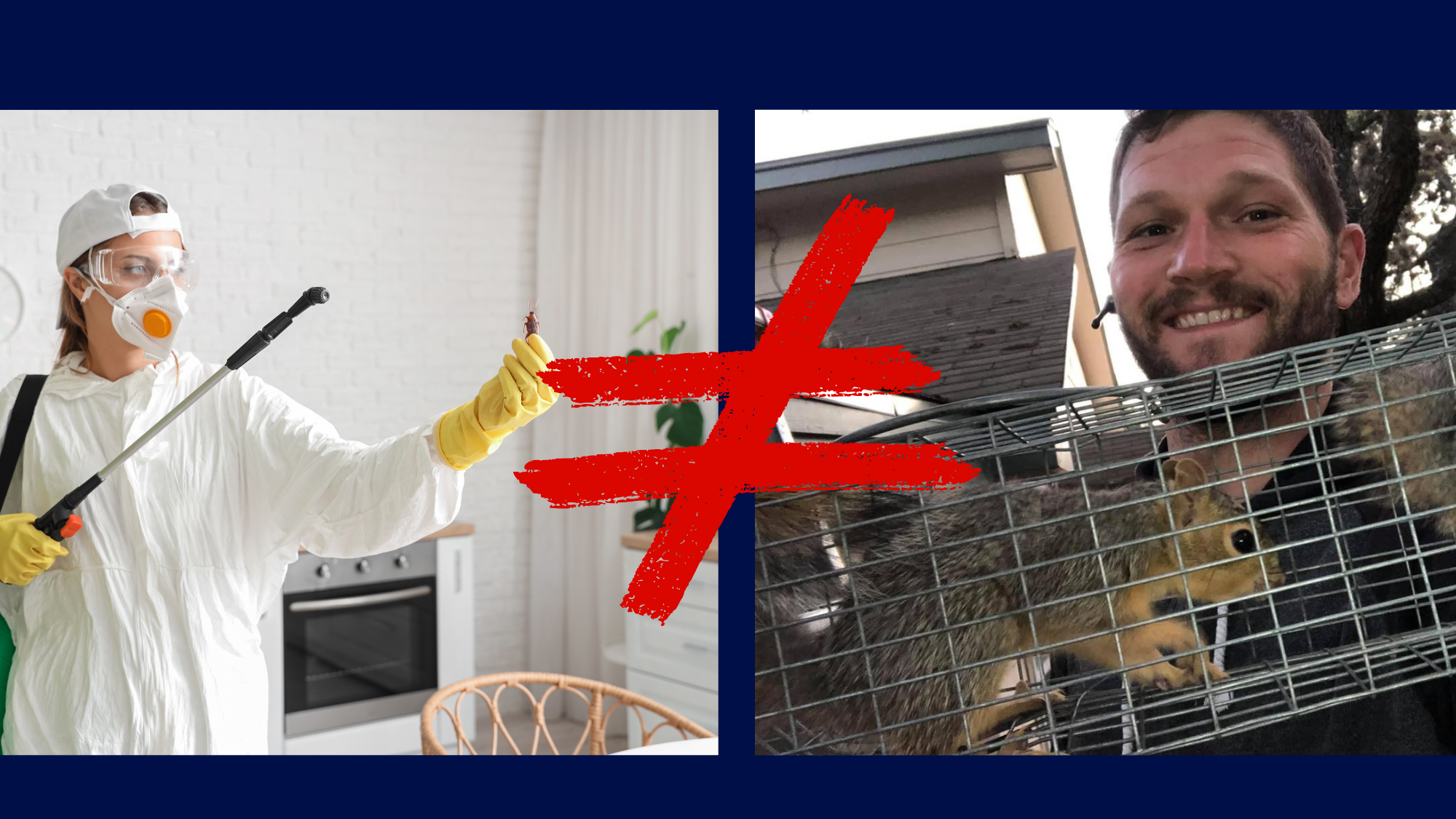
Why it fails: Pest control baits and traps. They don't seal entry points.
The fix: Pest control for insects. Wildlife exclusion for rodents/wildlife.
Why it fails: Rodents are in the shared attic/walls. Sealing one unit's interior doesn't stop building-wide access.
The fix: Seal the entire building exterior, not just the complaining unit.
Why it fails: By the time you get multiple complaints, dozens of tenants are affected (they just haven't said anything yet).
The fix: Act on the FIRST complaint.
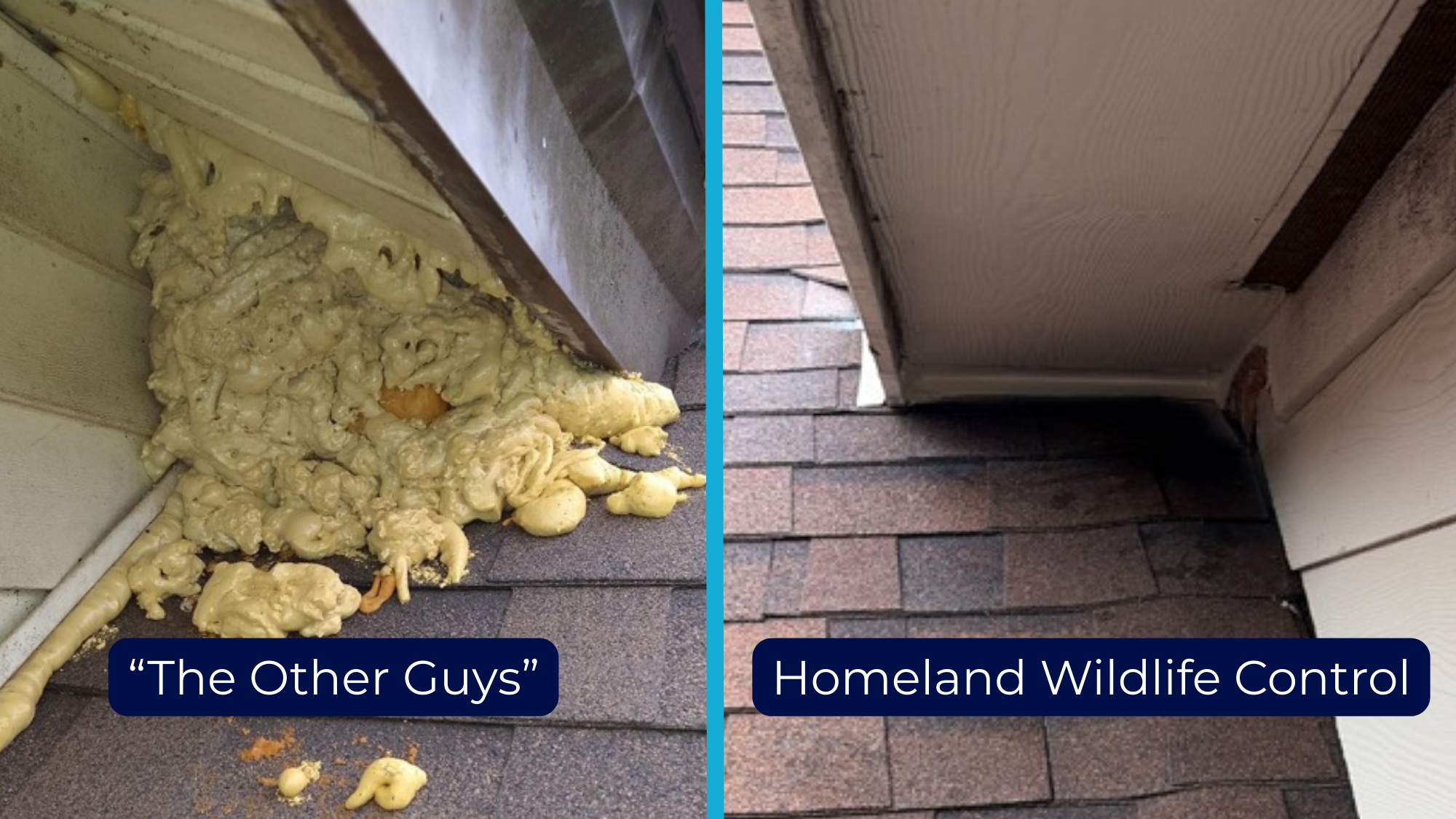
Why it fails: Maintenance staff don't have wildlife exclusion training or materials. They seal obvious gaps with foam (which rodents chew through in days).
The fix: Hire professionals for wildlife work. Use maintenance for routine repairs.
We specialize in multi-family wildlife prevention and exclusion.
1. Building-Wide Inspection
2. Complete Exclusion
3. Interior Trapping (If Needed)
4. Quarterly Maintenance Program
5. Documentation for Owners
One-Time Exclusion (Reactive):
Quarterly Prevention Program (Proactive):
ROI on prevention program:
The Problem:
The Cost Before Calling Us:
Our Solution:
Results:
Wildlife complaints are not maintenance requests. They're urgent business problems that directly impact:
Ignoring a wildlife complaint for even 2 weeks can cost you $10,000-15,000.
Immediate action costs $2,000-5,000 and solves it permanently.
The choice is obvious.
Don't wait for tenants to complain. Don't wait for occupancy to drop. Don't wait for negative reviews.
Implement a preventive wildlife program and protect your property's value.
Manage properties in San Antonio? Call Homeland Wildlife & Pest Control at 210-776-6100 for a free multi-family property inspection. We'll show you exactly where your vulnerabilities are and provide a plan to protect your occupancy.

February 13, 2025
.png)
March 19, 2025

May 5, 2025
.png)
May 1, 2025
.png)
May 2, 2025

January 27, 2026
%20(6.8%20x%206.8%20in)%20(2).png)
July 10, 2026

.png)


.png)

.png)
.png)
.png)
.png)
.png)

.png)
.png)
.png)
.png)
.png)


.png)
.png)
.png)
.png)
.png)
.png)
.png)
.png)
.png)






.png)
.png)

%20(6.8%20x%206.8%20in)%20(1).png)
.webp)
.png)

.png)
.png)