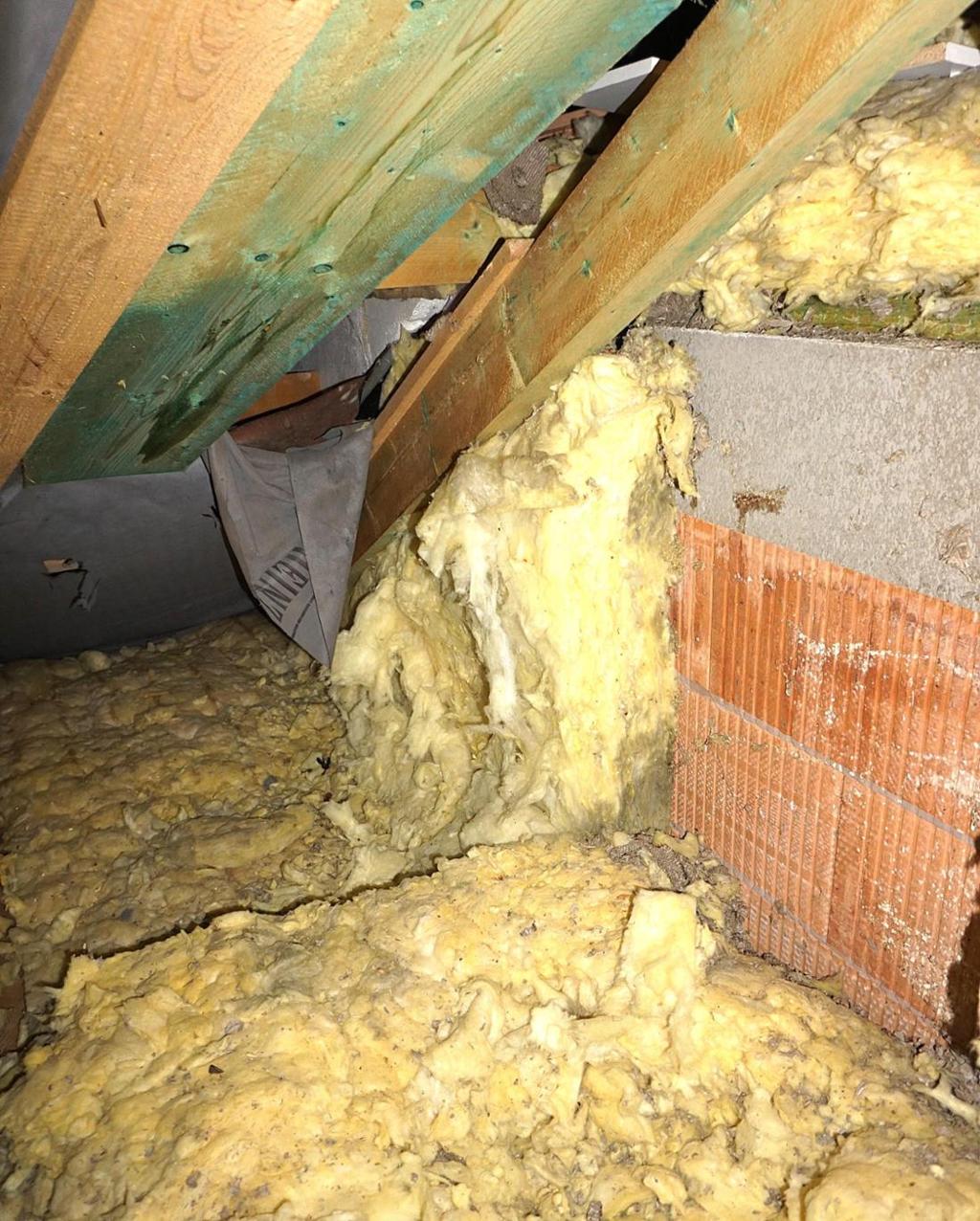
Once rats, mice, or squirrels get into your attic, they don't just pass through. They move in. They nest, reproduce, forage for food, and treat your attic like their permanent home.
Here's the damage they cause:
Rodents have teeth that never stop growing, so they chew constantly to keep them filed down. Unfortunately, electrical wiring is one of their favorite targets.
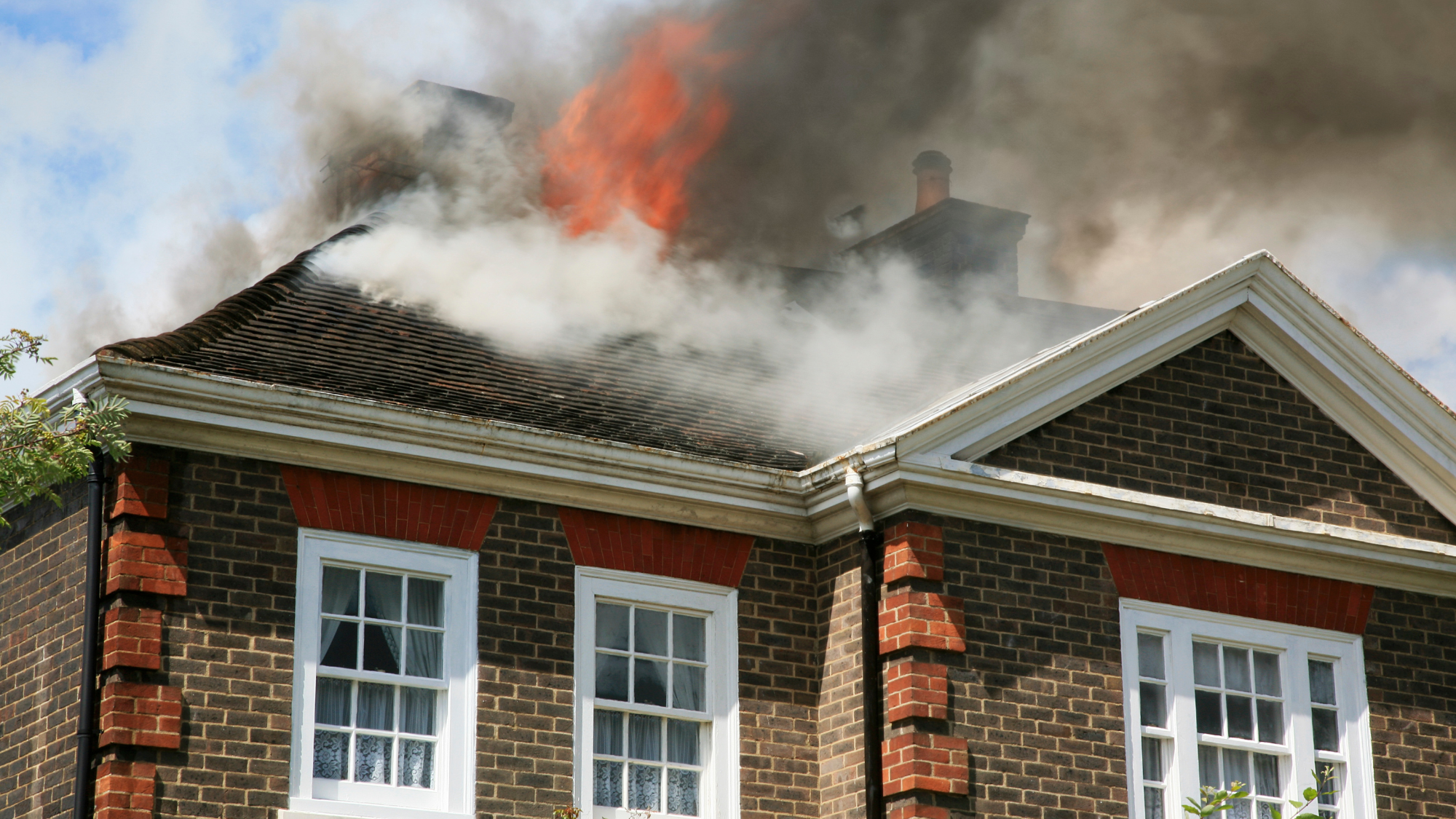
Exposed or damaged wiring creates serious fire hazards. According to studies, rodents cause an estimated 25% of unexplained house fires. That's not a minor risk—it's a life-threatening problem.
If you smell burning, see flickering lights, or have unexplained electrical issues, rodents may have already damaged your wiring.
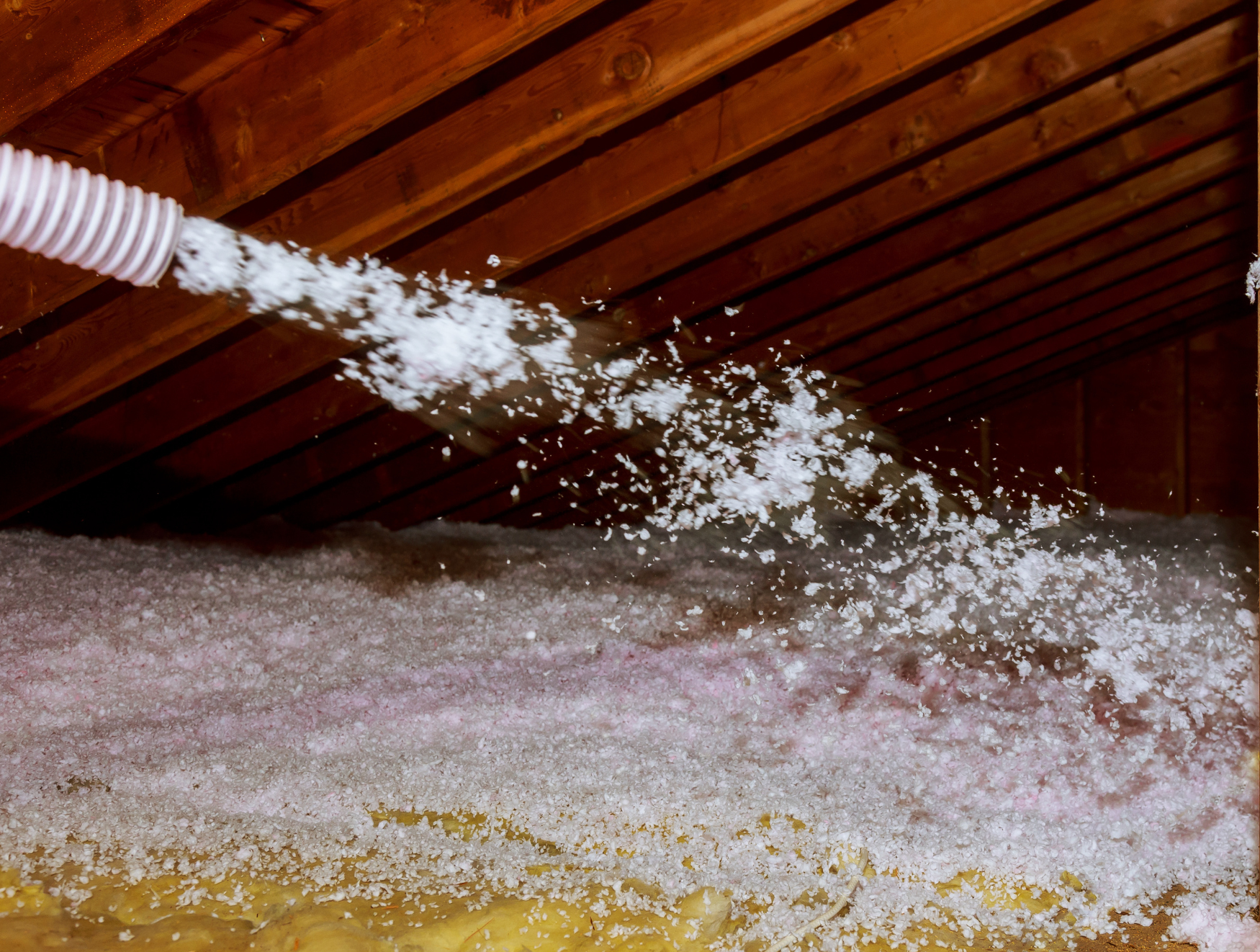
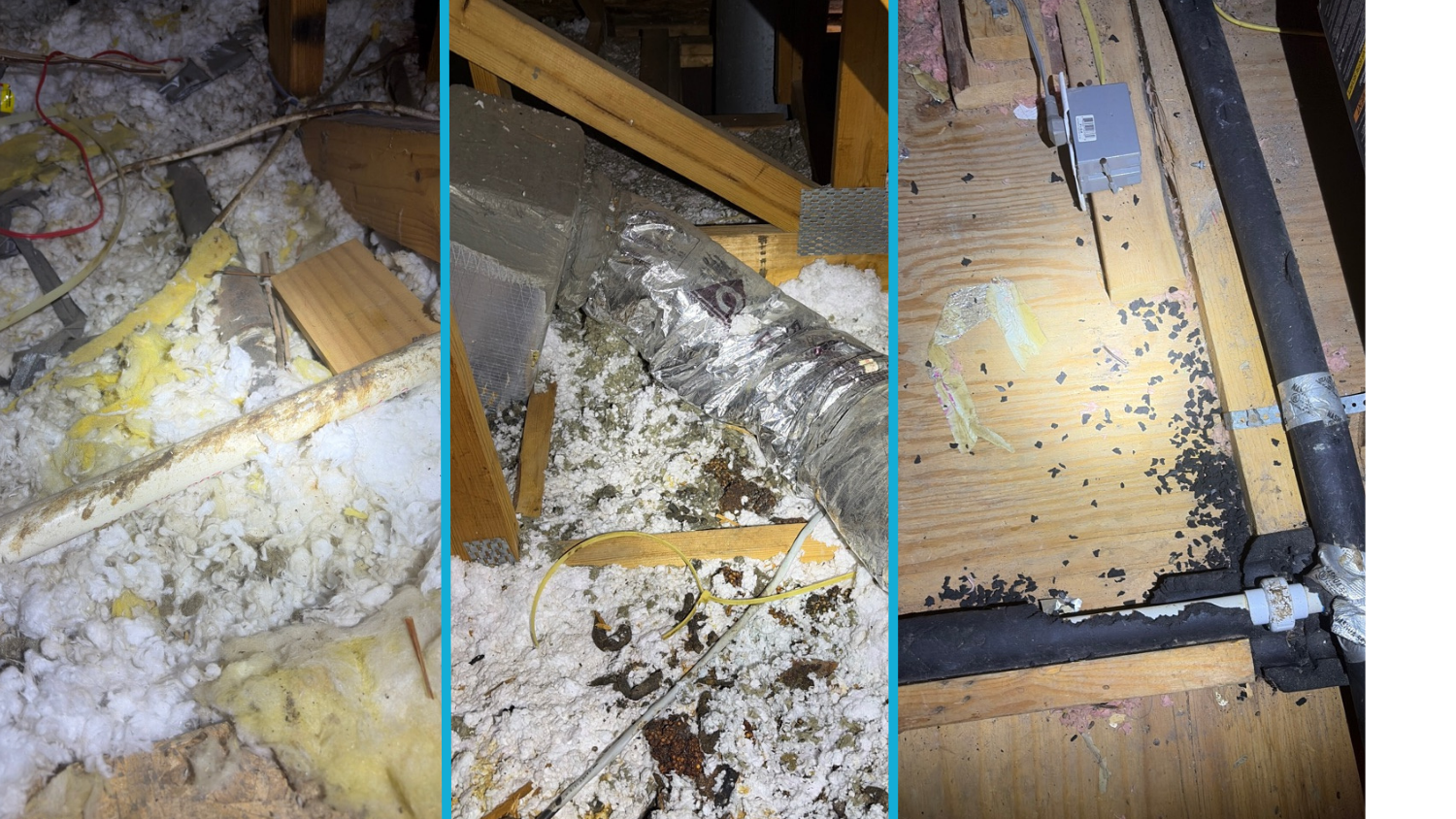
Rodents flatten insulation as they move through it, tear it apart to build nests, and saturate it with urine and droppings.
Damaged insulation loses its R-value (ability to insulate), which means:
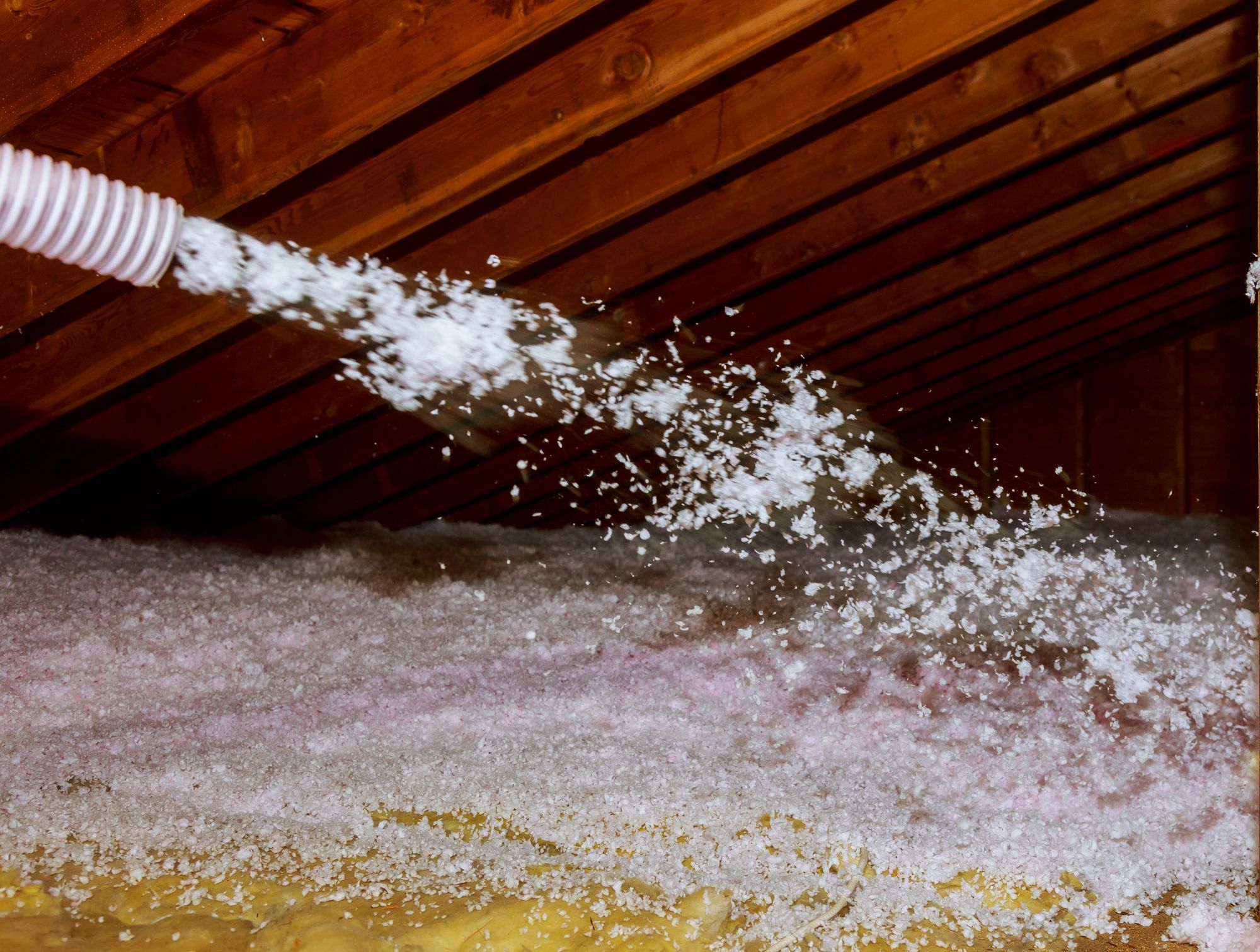
In San Antonio, attics should have 13-14 inches of insulation. If rodents have been in your attic for months, you might be down to half that—or less.
Replacing contaminated insulation costs $2,000-4,000+ depending on attic size.
Rodent droppings and urine carry diseases like Hantavirus, Leptospirosis, and Salmonella. When droppings dry out, they become airborne particles that enter your home's air supply through gaps in your ceiling.
Even if you never go in your attic, you're breathing contaminated air.
Additionally, rodent urine soaks deep into insulation and wood, creating persistent odors that are nearly impossible to remove without full attic sanitization.
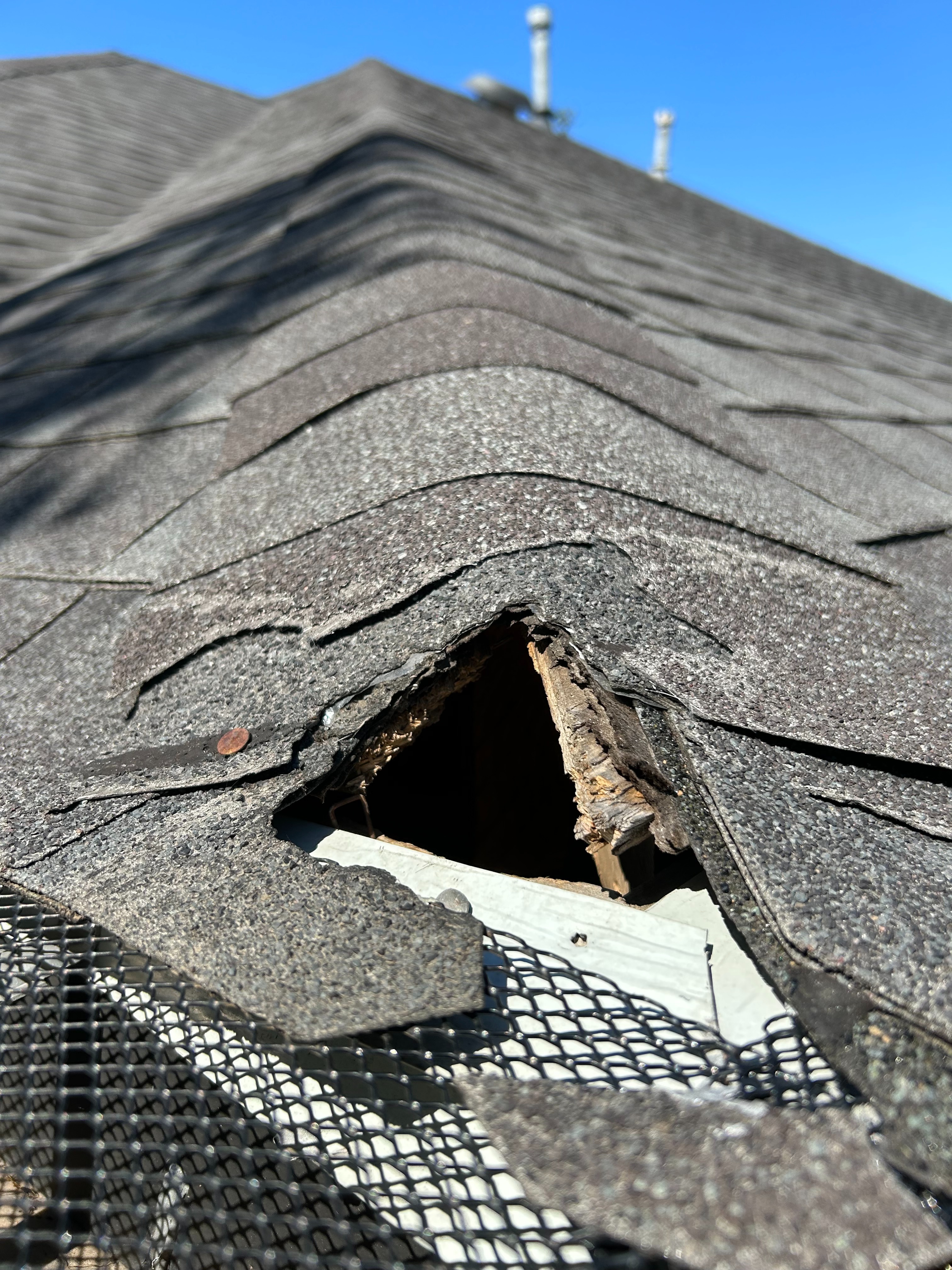
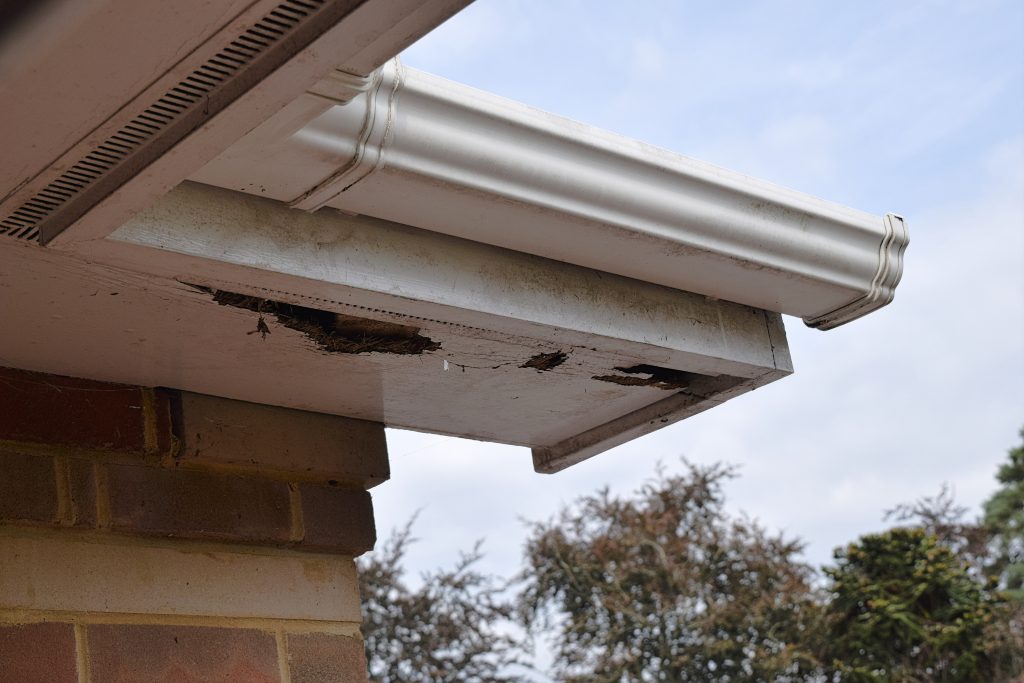
Rodents chew wood, drywall, and support beams. Over time, this weakens structural integrity and creates larger entry points for more animals.
We've seen attic joists chewed halfway through, roof decking damaged, and drywall torn open from the inside. This kind of damage doesn't just cost money—it compromises your home's safety.
Rodents often chew through ductwork, creating leaks that reduce efficiency and increase energy costs. They also build nests inside ducts, blocking airflow and spreading contamination throughout your home.
Repairing or replacing damaged ductwork adds another $1,000-3,000+ to your repair bill.
Here's what it actually costs when rodents invade your attic:
If You Catch It Early (Within 1-2 Months):
If You Wait 6+ Months:
The longer you wait, the more expensive it gets.
We hear the same reasons over and over:
"The scratching isn't that bad."
It will be. Rodents reproduce fast—a single pair of rats can produce 2,000 descendants in one year. What starts as one or two animals becomes a full infestation.
"I'll handle it myself."
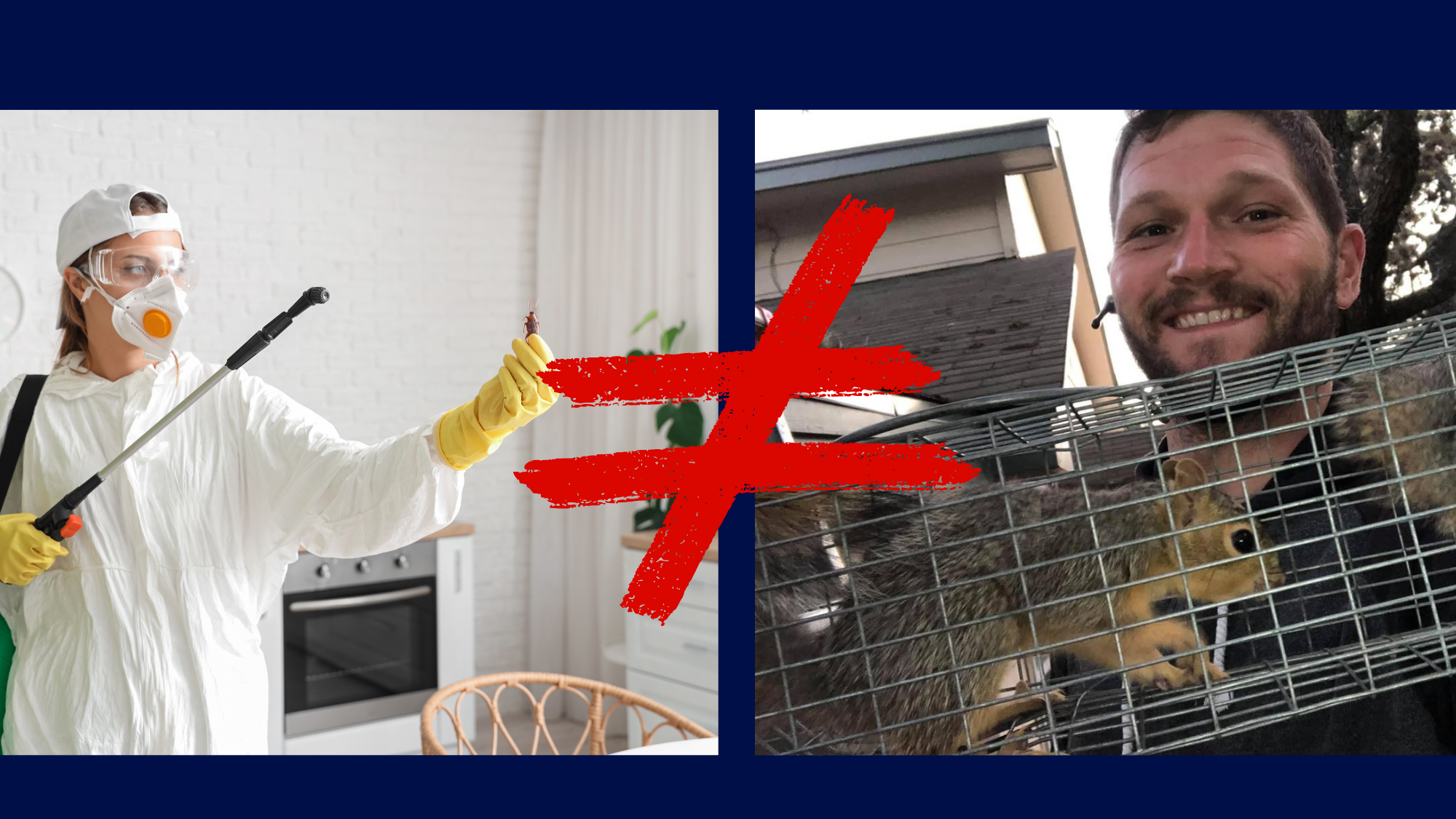
DIY rodent control rarely works for attic infestations. You might trap a few animals, but unless you seal every entry point, more will keep coming. And most homeowners don't have the tools or materials to seal properly.
"I can't afford it right now."
Waiting costs more. The damage compounds daily. A $1,500 problem today becomes a $5,000-10,000 problem in six months.
Removing rodents isn't enough. You have to seal the home so they can't return.
Here's what we do:
Step 1: Remove All Rodents
We trap and remove every rodent in your attic using humane methods. We don't stop until the attic is completely clear.
Step 2: Identify and Seal Every Entry Point
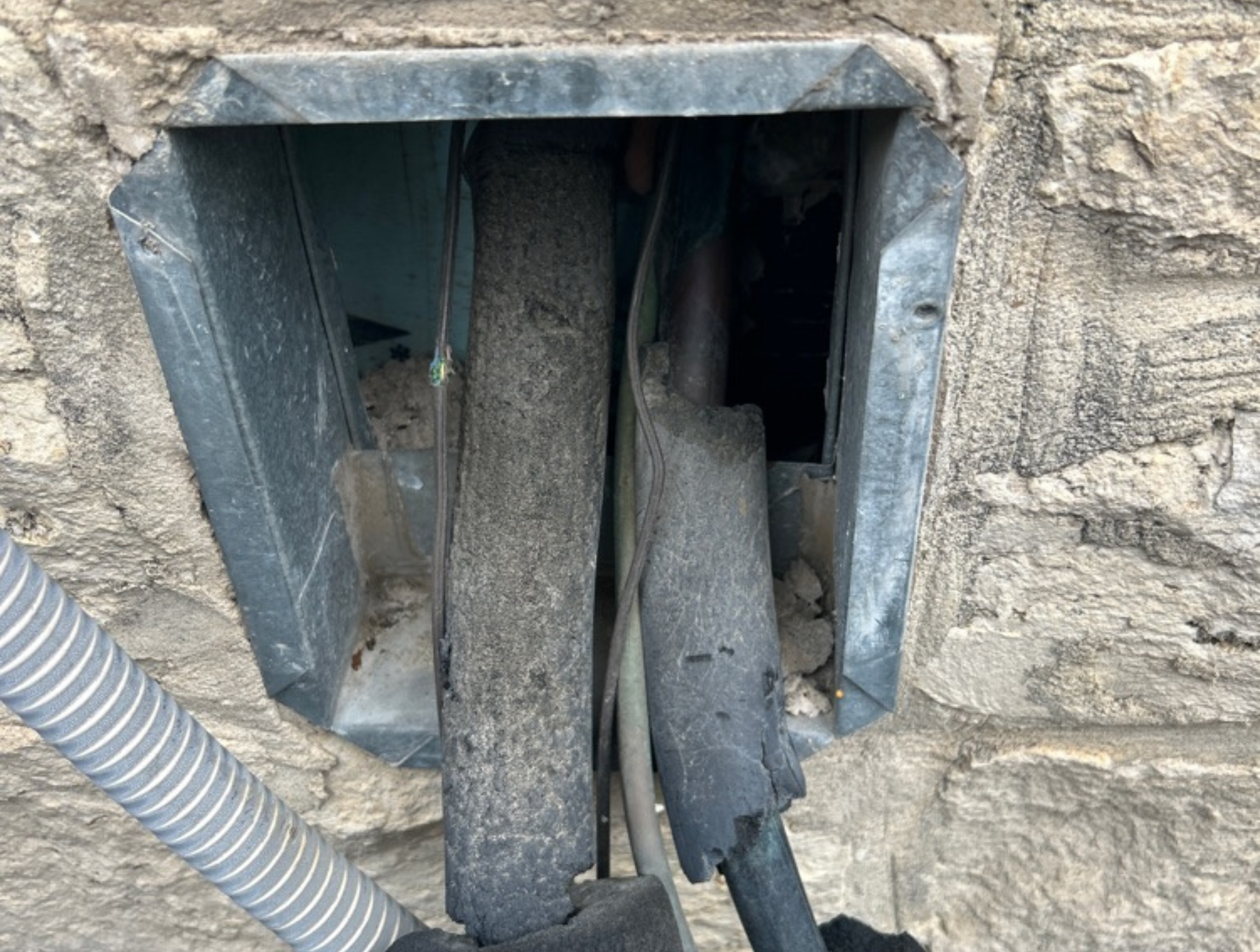
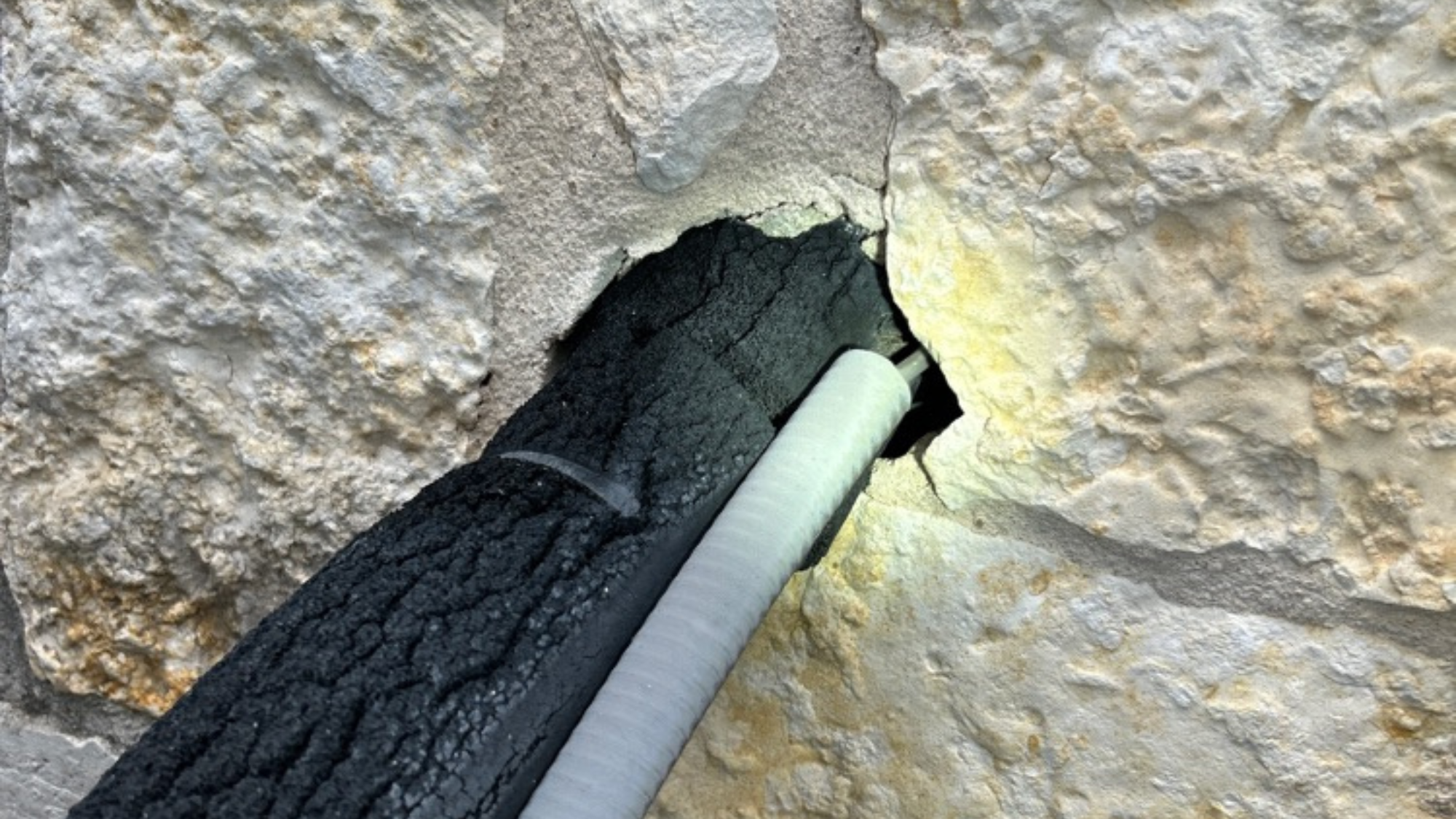
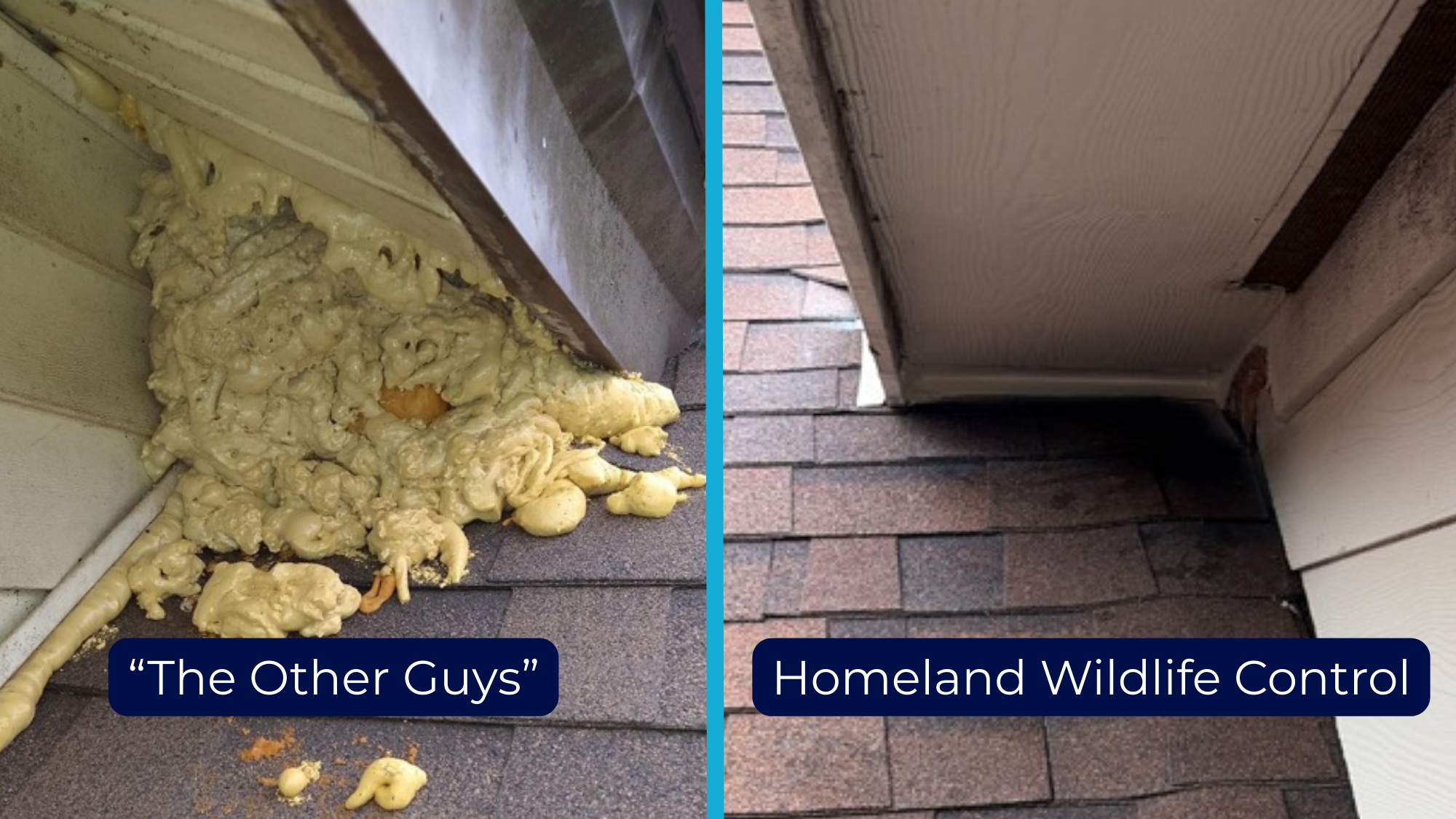
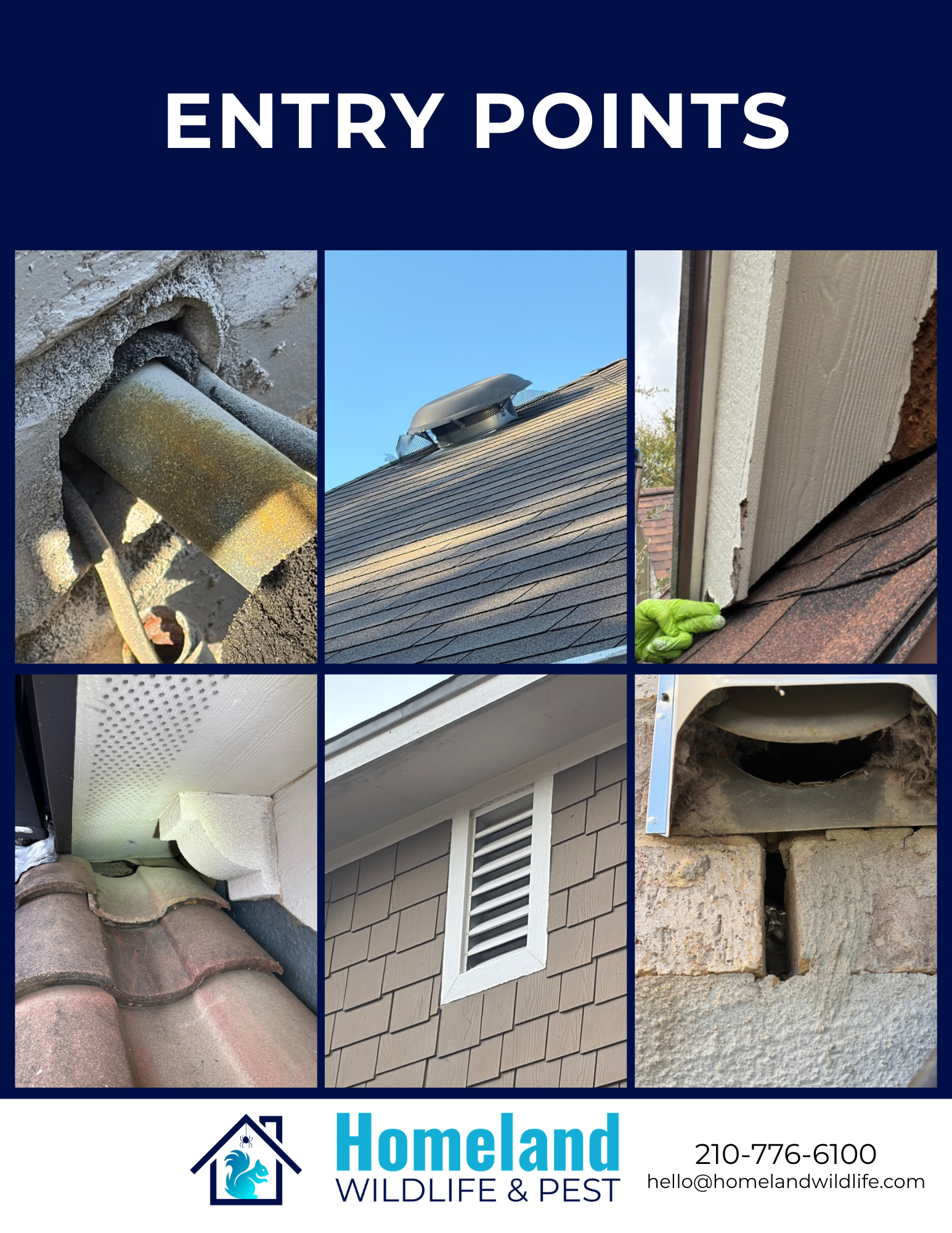
Rodents can squeeze through gaps as small as ¼ inch. We inspect the entire home—roofline, foundation, vents, garage doors, AC chases—and seal every vulnerable spot with chew-proof steel and aluminum materials.
Step 3: Clean and Sanitize (If Needed)
If insulation is contaminated or damaged, we remove it, sanitize the attic to eliminate odors and pathogens, and blow in fresh insulation to proper depths.
Step 4: Repair Any Damage
If rodents chewed wiring or damaged ductwork, we coordinate repairs to ensure your home is fully restored.
Step 5: Guarantee Our Work
Every exclusion is backed by a lifetime warranty. If rodents get back in through a spot we sealed, we fix it free of charge.
Here are the warning signs:
If you notice any of these, don't wait. The problem will only get worse.
Rodent damage isn't something you can ignore. It doesn't go away on its own, and it gets exponentially worse the longer you wait.
At Homeland Wildlife & Pest Control, we've been removing rodents and sealing San Antonio homes for over 14 years. We know how to fix the problem permanently—and we guarantee our work.
We offer free inspections. We'll check your attic, identify the problem, and give you an honest assessment of what needs to be done.
Don't wait until the damage costs thousands. Call us today.
📞 210-776-6100
🌐 www.HomelandWildlife.com
Free inspections. Lifetime warranty. Protecting San Antonio homes since 2012.

February 13, 2025
.png)
March 19, 2025

May 5, 2025
.png)
May 1, 2025
.png)
May 2, 2025

January 27, 2026
%20(6.8%20x%206.8%20in)%20(2).png)
July 10, 2026

.png)


.png)

.png)
.png)
.png)
.png)
.png)

.png)
.png)
.png)
.png)
.png)


.png)
.png)
.png)
.png)
.png)
.png)
.png)
.png)
.png)






.png)
.png)

%20(6.8%20x%206.8%20in)%20(1).png)
.webp)
.png)

.png)
.png)