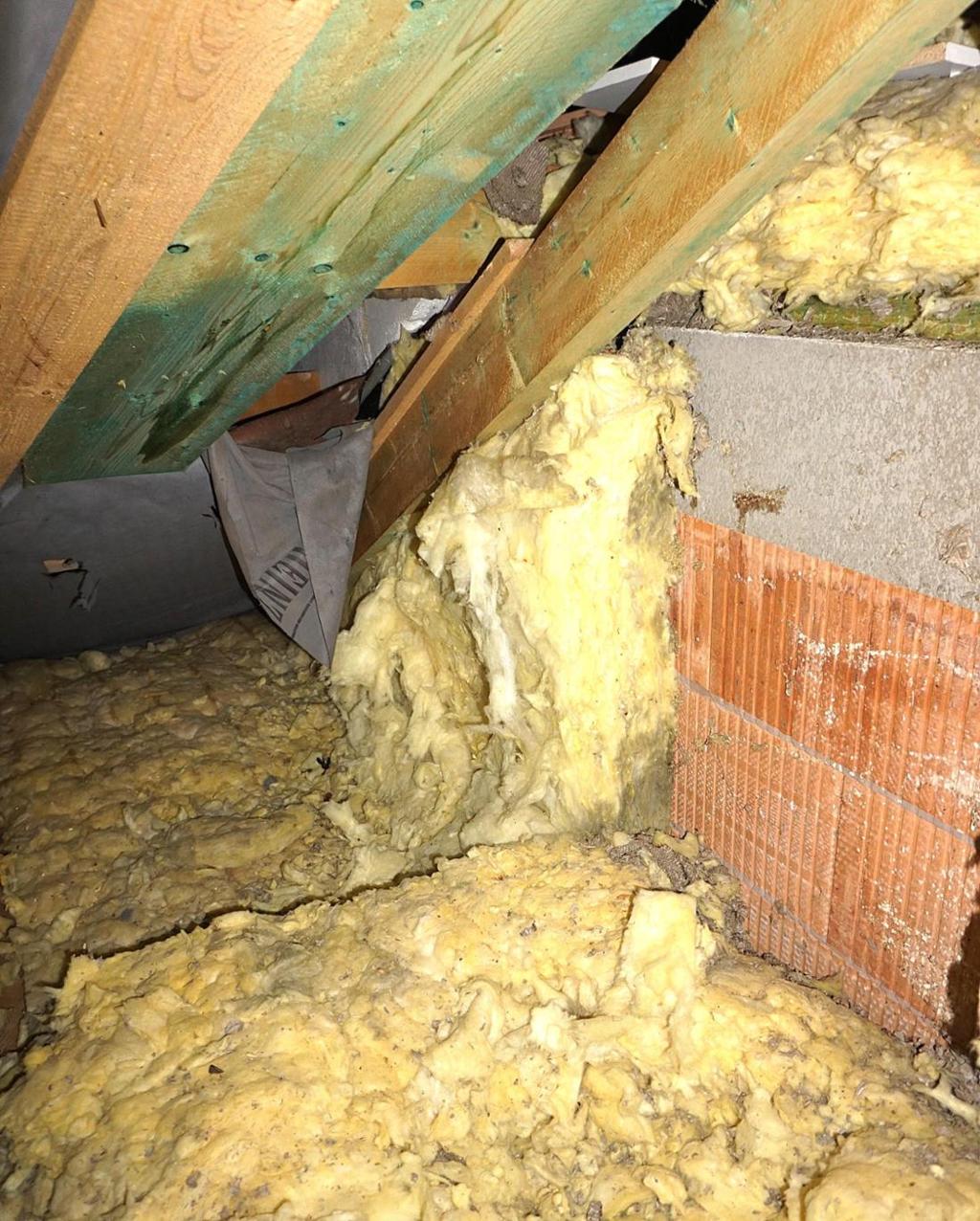
It's July in San Antonio. Your attic is 140°F. You'd think wildlife would avoid it like the plague.
You'd be wrong.
Summer is one of the busiest seasons for wildlife calls, and homeowners are always surprised: "Why would animals want to be in my attic when it's this hot?"
The answer is more complicated than you'd think—and it has everything to do with survival, breeding cycles, and how different animals tolerate heat.
Here's everything you need to know about summer wildlife activity, why your scorching attic is still attractive to certain animals, and how to protect your home during the hottest months of the year.
The Myth: "It's Too Hot for Wildlife in Summer"
Most homeowners assume wildlife activity drops in summer because attics become unbearably hot.
In theory, this makes sense:
- San Antonio attics reach 130-150°F in July and August
- That's hot enough to cause heat stroke in humans
- Surely animals would avoid it, right?
In reality:
- Some wildlife species are heat-tolerant and thrive in hot environments
- Others use attics at night when temperatures drop to 80-90°F
- Pregnant females prioritize safety over comfort (hot attic beats predators outside)
- Food and water availability matter more than temperature
Bottom line: Your attic is still a prime target for wildlife in summer—just different animals than in winter.
Which Animals Move Into Hot Attics (And Why)
1. Bats (Most Common Summer Attic Dweller)
Bats are the #1 summer attic occupant in San Antonio.
Why they love hot attics:
- Bats are warm-blooded and tolerate high temperatures well
- Maternity colonies (female bats with babies) seek hot, stable environments
- Heat helps baby bats develop faster
- Attics provide darkness, shelter, and proximity to insect food sources
Peak bat season: May – August (maternity season)
Signs of bats:
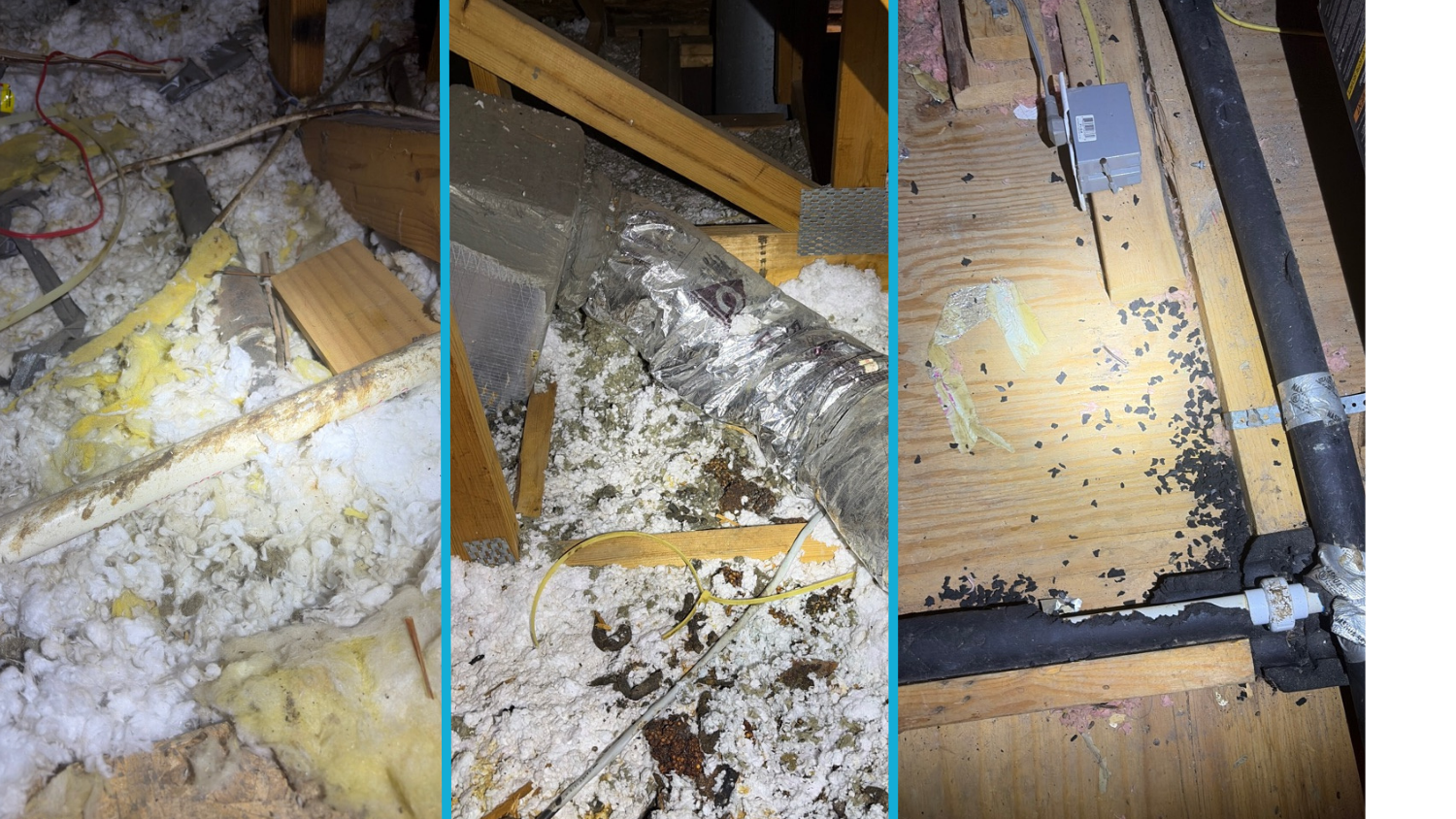
- Small black droppings (look like mouse droppings but crumble to dust)
- Scratching or squeaking sounds at dusk/dawn
- Bats flying around your roofline at sunset
- Staining around entry points (from bat oils)
Important: It's illegal to exclude bats from May 1 – August 31 in Texas. If you discover bats in June, you're stuck with them until September.
2. Roof Rats (Active Year-Round, Peak in Summer)
Roof rats (also called black rats) are excellent climbers and prefer elevated spaces—like your attic.
Why they tolerate summer heat:
- Rats are nocturnal—they're active at night when attics cool to 80-90°F
- They nest in insulation, which provides some cooling
- Access to water (AC condensation, plumbing) keeps them hydrated
- Food is abundant (they forage outside at night, return to attic to nest)
Peak activity: Year-round, but breeding spikes in summer
Signs of roof rats:
- Scratching, running sounds at night (10 PM – 5 AM)
- Droppings (1/2" long, dark, pellet-shaped)
- Grease marks along beams and walls
- Chewed wires, insulation, or wood
One female rat can have 5-6 litters per year with 6-12 babies each. Summer heat doesn't slow reproduction.
3. Squirrels (Secondary Summer Breeding Season)
Squirrels have two breeding seasons per year:
- Primary: March – May
- Secondary: August – September
Why they use attics in summer:
- Late summer litters need safe nesting sites
- Attics offer protection from predators (hawks, owls, cats)
- Squirrels are diurnal (active during the day) and avoid peak afternoon heat by staying in attic during hottest hours
- They forage early morning and late afternoon when it's cooler
Peak activity: August – September (second breeding season)
Signs of squirrels:
- Running, scampering sounds during the day (6-8 AM, 5-7 PM)
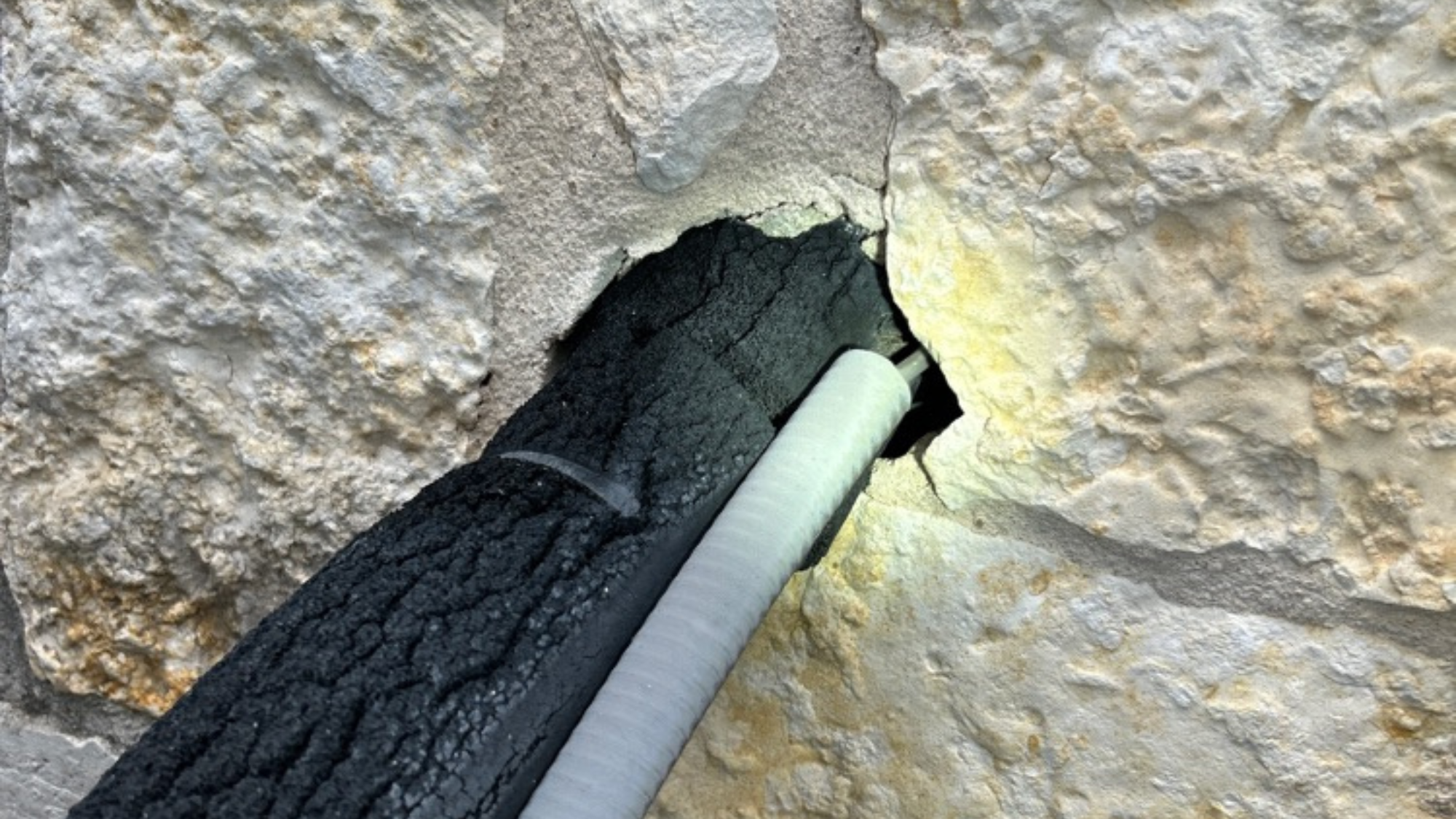
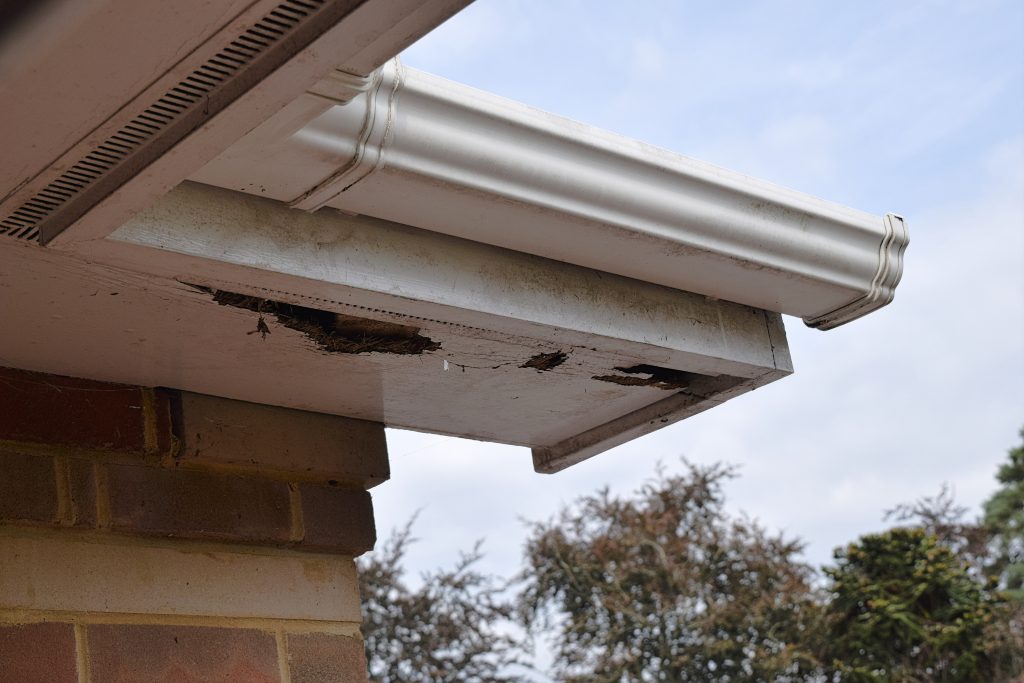
- Chewed entry points (rough, 2-4" holes in soffits or roof returns)
- Acorn storage piles
- Nests made of shredded insulation
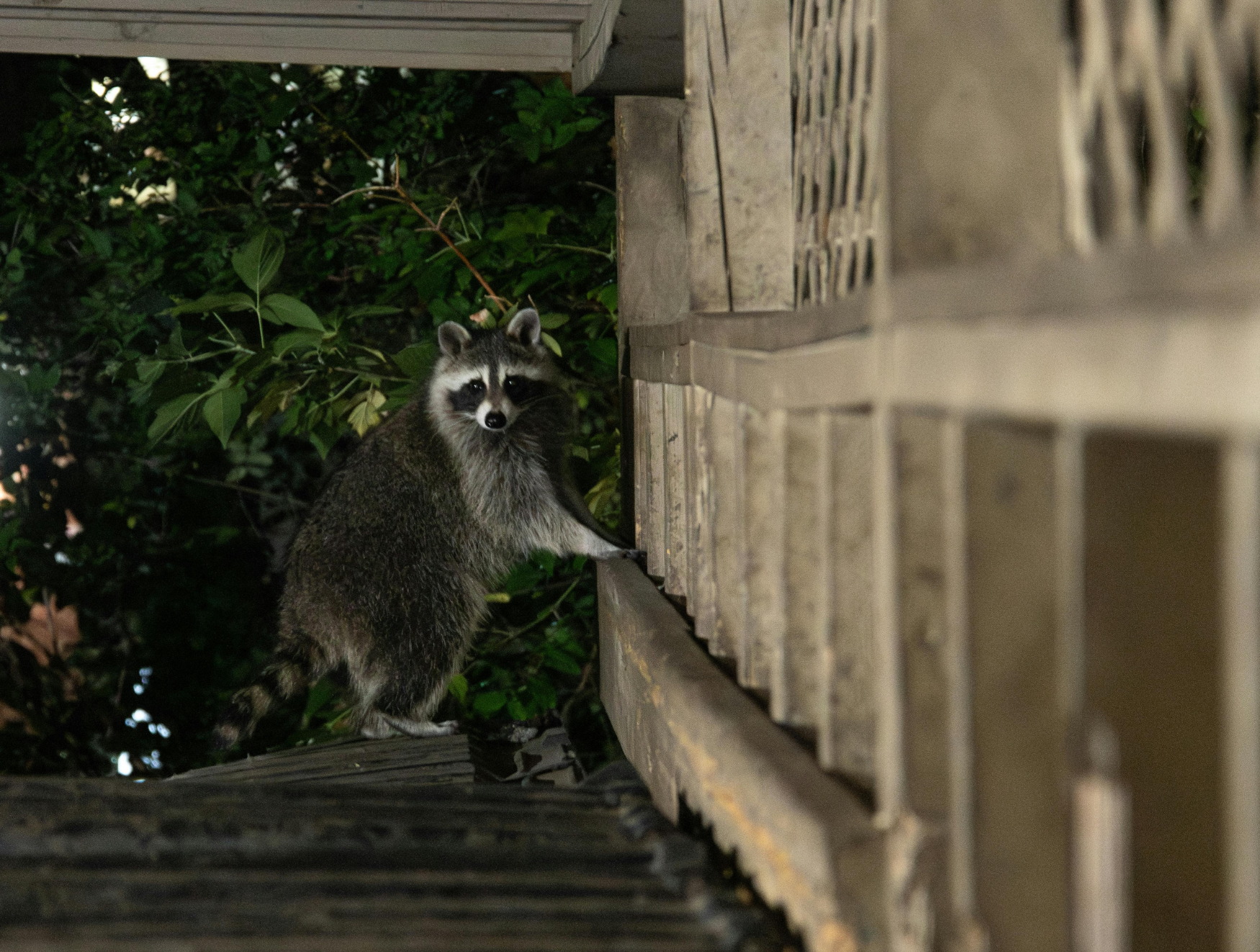
4. Raccoons (Occasional Summer Denning)
Raccoons typically prefer cooler environments, but pregnant females will use hot attics if no better options exist.
Why they tolerate summer heat:
- Safety from predators outweighs discomfort
- Raccoons are nocturnal and use attics during cooler nighttime hours
- They're highly adaptable and tolerant of temperature extremes
- Urban raccoons have fewer natural denning options
Peak activity: April – June (birthing season, but babies remain in attic through summer)
Signs of raccoons:
- LOUD thumping, walking sounds (they're 10-30 lbs)
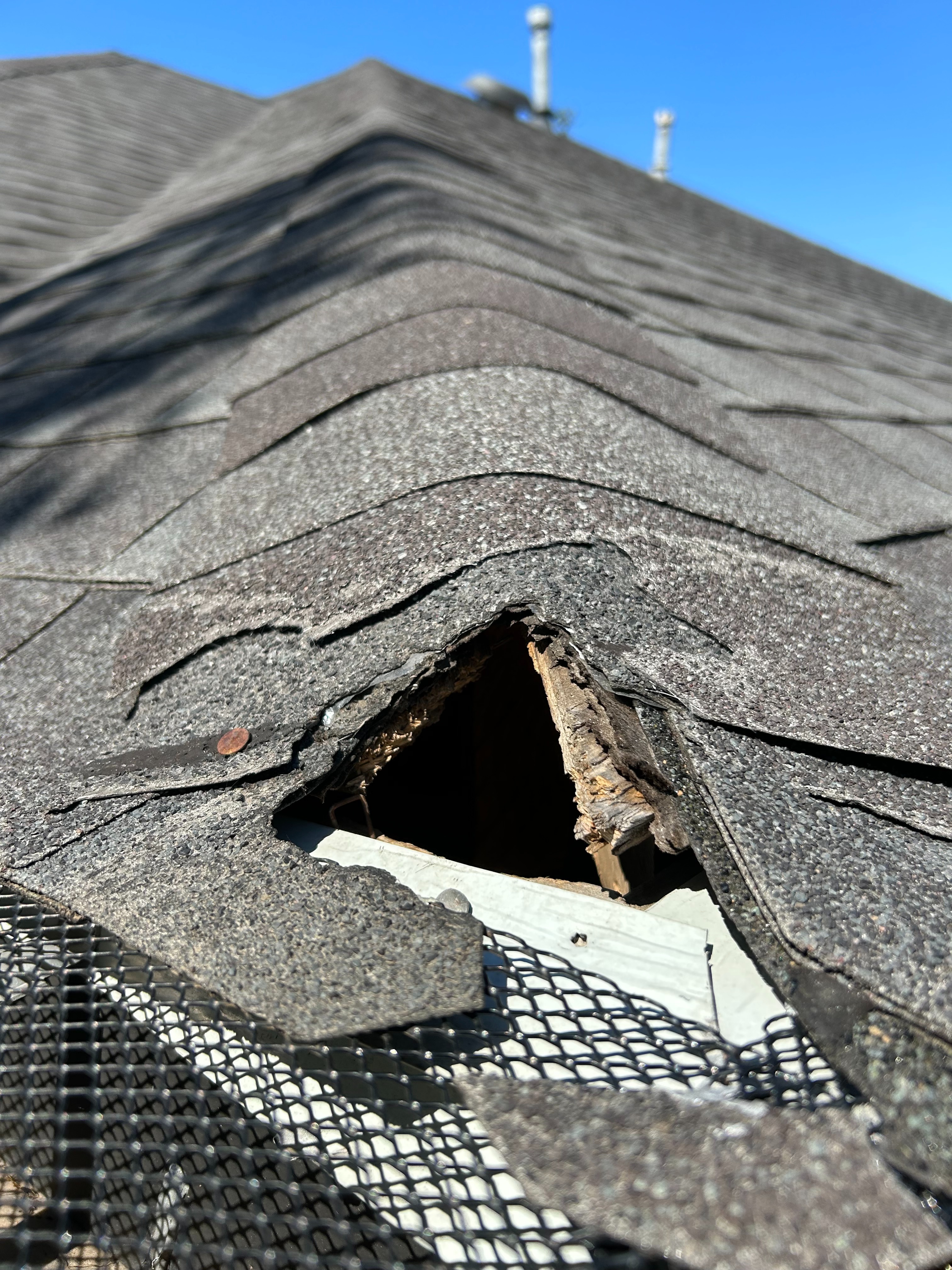
- Large entry points (8-12" holes torn through roof or soffits)
- Massive insulation damage
- Latrines (designated bathroom areas with piled feces)
Raccoons cause the most destruction of any common attic animal.
Why Summer Wildlife Problems Are Especially Problematic
1. Extreme Attic Temperatures Worsen Damage
Heat accelerates odors:
- Urine and droppings smell MUCH worse in 140°F heat
- Odors permeate your living space through vents and ducts
- Decomposition (if an animal dies) is rapid and horrific
Heat damages insulation faster:
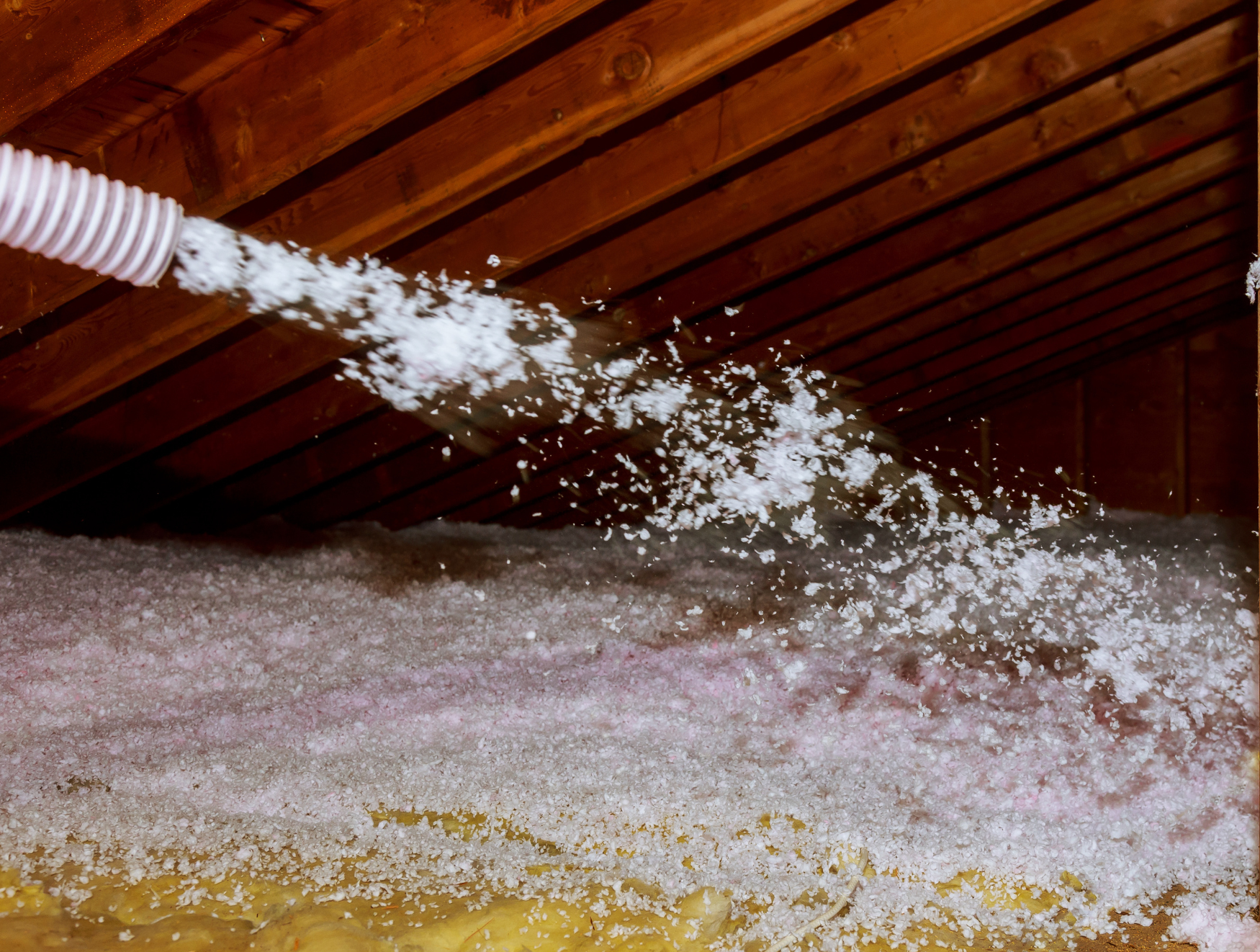
- Wildlife flatten insulation (reducing R-value)
- Heat + urine saturation = permanent contamination
- Compressed, contaminated insulation loses 50-70% of effectiveness
- Your energy bills skyrocket
Electrical hazards increase:
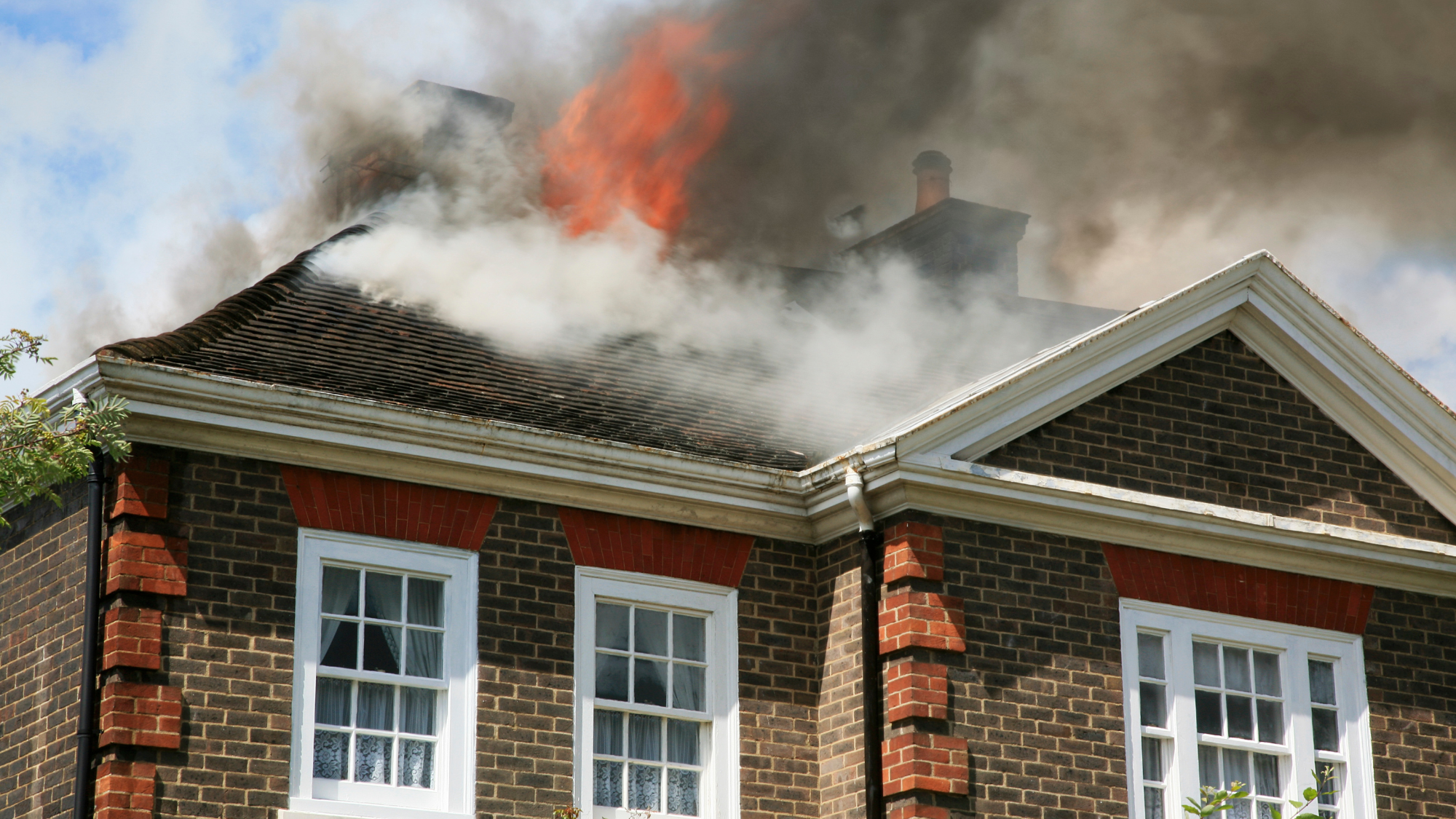
- Chewed wiring + extreme heat = higher fire risk
- Overheated circuits are more likely to arc and spark
- Insulation is highly flammable in hot conditions
2. Health Risks Are Higher
Heat amplifies bacteria and disease:
- Rodent droppings in 140°F attics become airborne dust
- Breathing contaminated air (through vents) increases illness risk
- Hantavirus, Leptospirosis, and Histoplasmosis thrive in warm, moist environments
Bats carry rabies:
- Maternity colonies mean dozens of bats (not just one or two)
- Baby bats sometimes fall from roosts and enter living spaces
- Rabies exposure risk is real (bats bite when handled)
3. HVAC Systems Work Harder (Costing You Money)
Your HVAC system is designed to cool your living space, but wildlife damage makes that harder:
Destroyed insulation = heat transfer:
- Flattened insulation loses R-value
- Heat from attic radiates into living space
- AC works 30-50% harder to maintain temperature
Damaged ductwork:
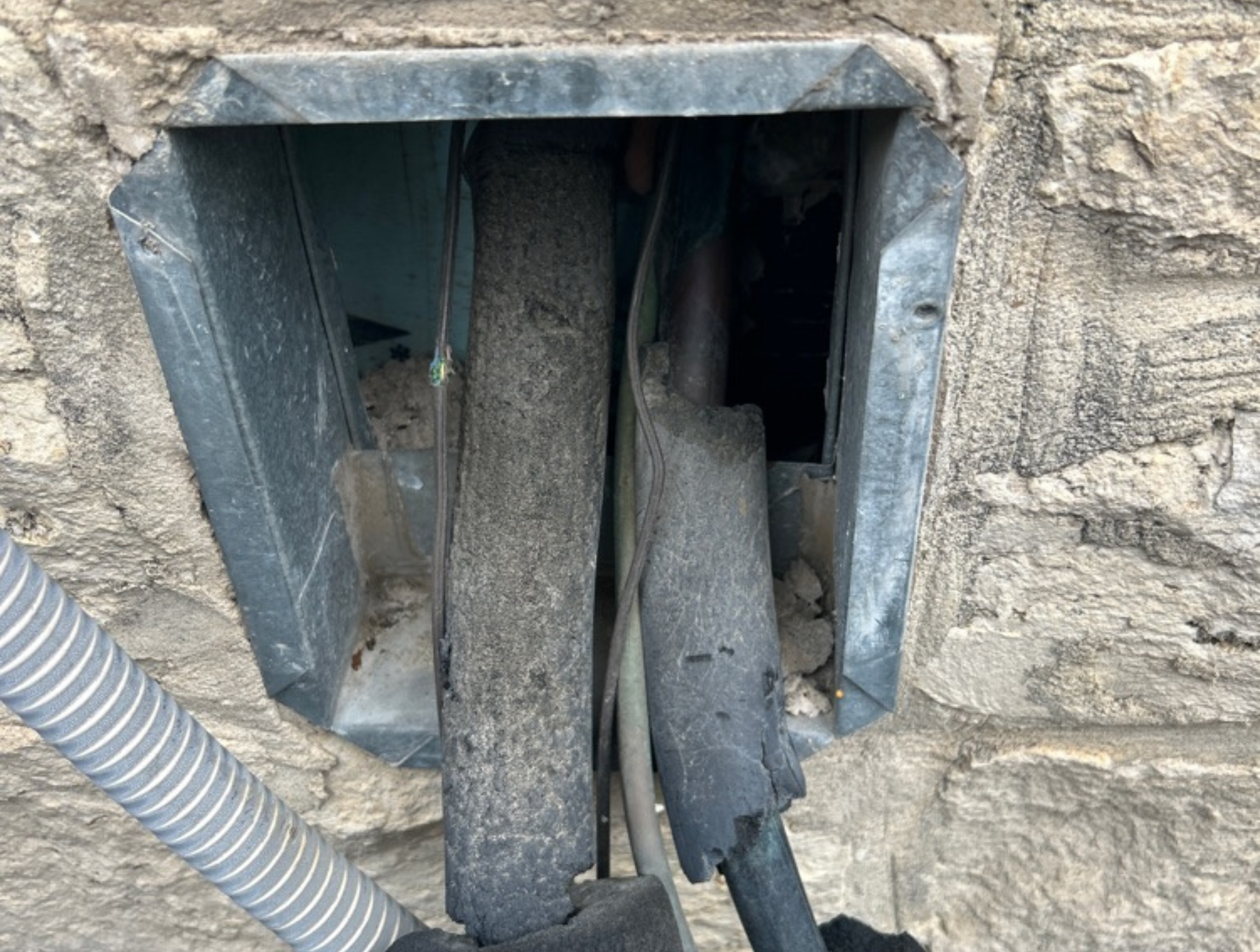
- Rodents and raccoons chew through ducts
- Cooled air leaks into attic (wasted energy)
- Hot attic air enters living space through gaps
Result: $200-500/month higher electric bills in summer.
4. Legal Bat Restrictions (May 1 – August 31)
If you discover bats in June or July, you cannot legally exclude them until September 1.
This means:
- 2-3 months living with bats
- Continued guano accumulation (toxic, damages insulation)
- Odor intensifies in summer heat
- Higher cleanup costs when you finally can address it
If you suspect bats in spring (March-April), ACT IMMEDIATELY before maternity season begins May 1.
How Summer Heat Actually Helps Some Wildlife
Counterintuitively, extreme attic heat benefits certain animals:
Bats: Heat = Faster Baby Development
Maternity colonies actively seek hot environments.
Baby bats (called pups) are born hairless and unable to regulate body temperature. High attic heat:
- Accelerates growth and development
- Allows mothers to spend more time foraging (less time warming babies)
- Increases survival rates
Your 140°F attic is perfect for bat nurseries.
Rats: Heat = Year-Round Breeding
In colder climates, rat reproduction slows in winter. Not in San Antonio.
Warm attics + mild winters = continuous breeding:
- Rats breed every 3-4 weeks
- Gestation is only 21 days
- Litters average 8-12 babies
Two rats in your attic in June = 50+ rats by September.
Signs You Have Summer Wildlife in Your Attic
Sounds (Time of Day Matters)
Daytime sounds (6 AM – 7 PM):
- Running, scampering = Squirrels
- Squeaking at dusk/dawn = Bats leaving/returning
Nighttime sounds (8 PM – 6 AM):
- Scratching, gnawing = Rats
- Loud thumping = Raccoons
- Faint squeaking = Baby bats
Visual Evidence
Check your attic for:
- Droppings (size/shape identifies animal)
- Nesting material (shredded insulation, leaves)
- Grease marks along beams
- Chewed wires or wood
- Urine stains on insulation
Check outside for:
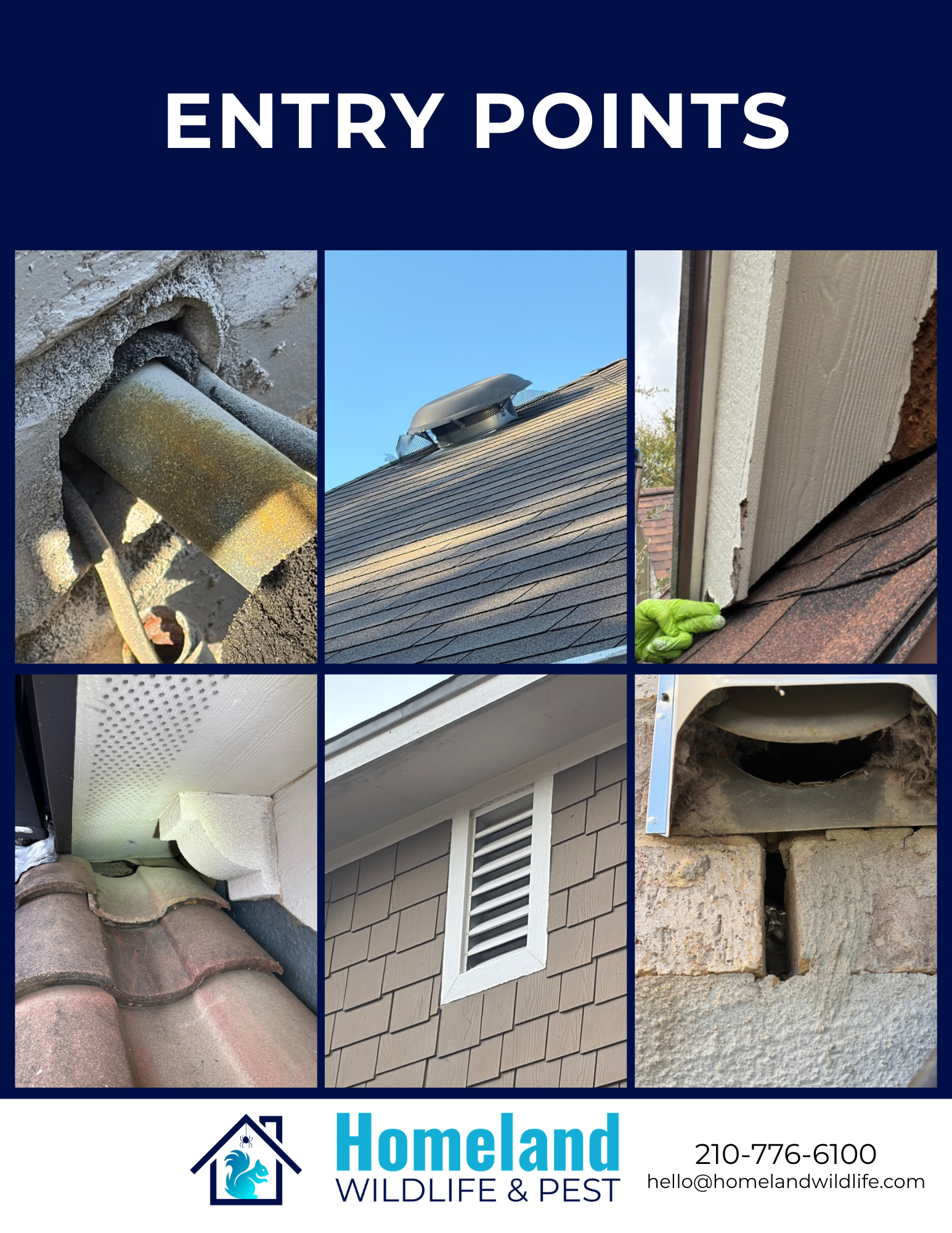
- Entry points (gaps, holes, chewed areas)
- Animals entering/exiting at dusk or dawn
- Staining around potential entry points
Odors
Foul ammonia smell = Urine saturation (rats, bats)
Musky, pungent smell = Raccoon latrine
Dead animal smell = Something died in attic or walls
Summer heat amplifies ALL of these smells.
What NOT to Do About Summer Wildlife
❌ Don't Wait for Fall
"I'll deal with it when it cools down."
Bad idea. Here's why:
- Damage compounds daily
- Breeding continues (more animals = more damage)
- Odors worsen in heat
- By fall, a $1,500 problem becomes $5,000
❌ Don't Seal Entry Points While Animals Are Inside
If you see a hole and think "I'll just seal it myself," STOP.
Sealing entry points with animals inside causes:
- Trapped animals die in walls/attic (horrific smell for weeks)
- Desperate animals chew new entry points trying to escape
- Babies left behind die (inhumane and creates odor problems)
Always confirm animals are OUT before sealing.
❌ Don't Rely on Attic Heat to Drive Them Out
"It's so hot, they'll leave on their own."
They won't.
Animals that moved into a hot attic chose it knowing it was hot. They're adapted to tolerate it.
They won't leave until you exclude them.
How to Protect Your Home This Summer
Step 1: Schedule a Professional Inspection
Don't assume your attic is too hot for wildlife. Get it checked.
Our inspections include:
- Roofline and soffit inspection
- Attic inspection (we go inside—even in summer heat)
- Identification of entry points
- Assessment of any existing damage
We do this in 100°F+ attics regularly. It's what we do.
Step 2: Seal Entry Points (Even If No Wildlife Present)
Preventive sealing in summer protects you from:
- Late summer squirrel breeding season (August – September)
- Rat infestations (year-round risk)
- Fall wildlife season (September – November)
Seal now = prevent problems later.
Step 3: Address Wildlife Immediately
If you have active wildlife, don't wait.
Our summer exclusion process:
- Identify what animal(s) you have
- Install one-way doors or traps (depending on species)
- Seal all entry points with steel mesh and aluminum
- Confirm all animals are gone
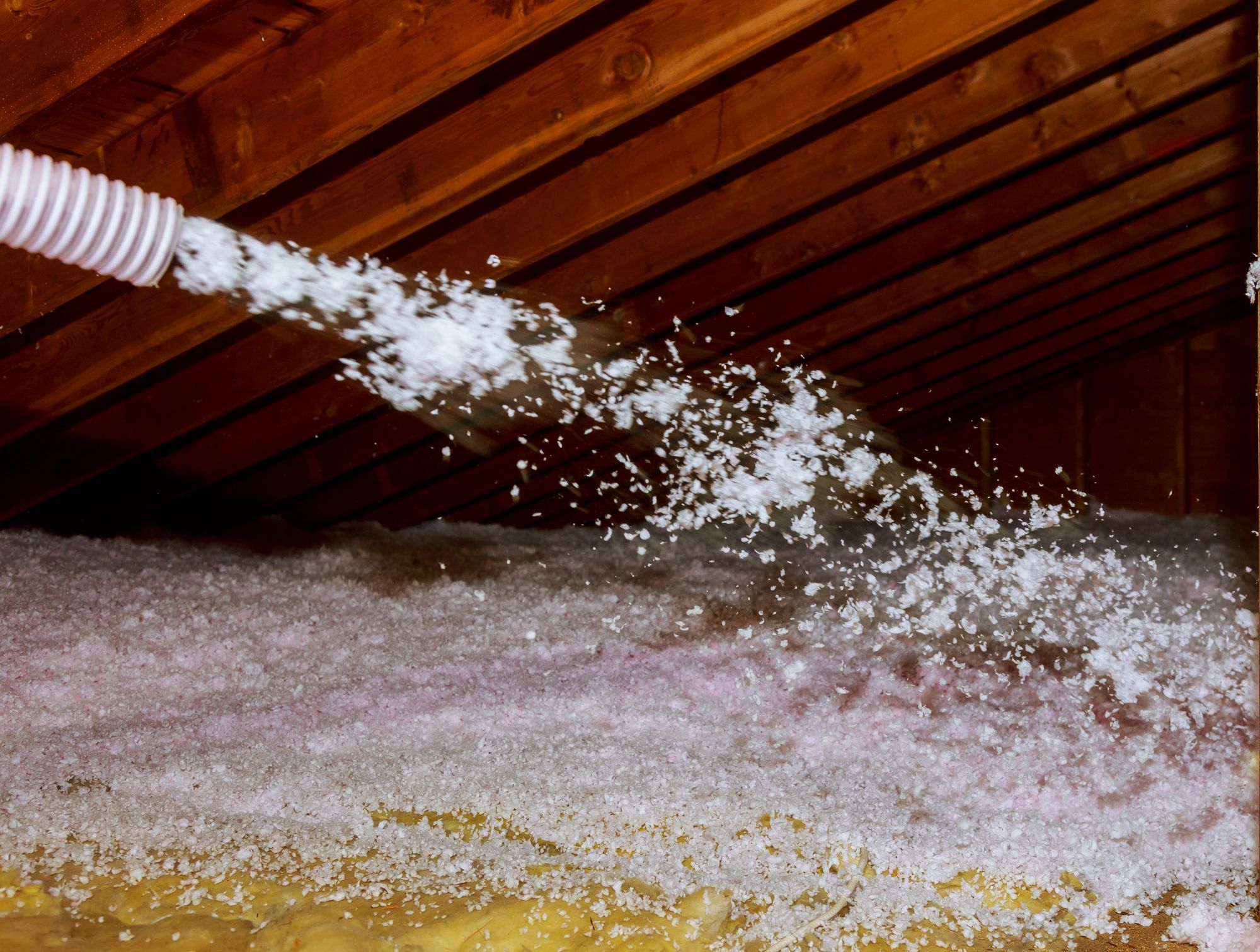
- Clean and restore attic (remove contaminated insulation, sanitize, replace)
Timeline: 3-5 days for most jobs (longer for bats during maternity season).
Step 4: Improve Attic Ventilation (Bonus)
Better attic ventilation helps in two ways:
- Lowers attic temperature (reduces wildlife appeal slightly)
- Reduces HVAC load (saves on energy bills)
Options:
- Ridge vents
- Gable vents
- Solar attic fans
Ask us about ventilation improvements during exclusion work.
Special Summer Considerations
Bats During Maternity Season
If you discover bats between May 1 – August 31:
You CANNOT exclude them until September 1.
Your options:
- Wait until September (legal exclusion window opens)
- Live with them temporarily (not ideal, but required by law)
We can:
- Seal secondary entry points (bats stay in, but can't expand)
- Prepare for September exclusion (schedule in advance)
- Provide guidance on minimizing issues until then
Call us in spring (before May 1) to avoid this situation.
Emergency Situations
Call immediately if:
- You see a bat inside your living space (rabies risk)
- You smell something dead (decomposition in summer heat is rapid)
- You see signs of electrical damage (fire hazard)
- You have young children/elderly and health concerns arise
We offer same-day or next-day service for urgent situations.
Cost Considerations for Summer Exclusion
Standard summer exclusion (no babies, no bats during maternity season):
- Small job (1-2 entry points, minimal damage): $1,200-2,000
- Standard job (8-12 entry points, moderate damage): $2,500-4,000
- Large job (extensive damage, insulation replacement): $4,500-7,500
Add-ons that increase cost:
- Attic restoration (insulation removal/replacement): +$2,000-4,000
- Extensive sanitization: +$500-1,000
- Electrical inspection (if wiring damage suspected): +$200-500
Waiting until fall doesn't save money—damage accumulates and costs increase.
How Homeland Wildlife Handles Summer Attic Work
Yes, we work in 140°F attics. Here's how:
Safety first:
- Our technicians are trained for extreme heat work
- Frequent breaks, hydration, proper gear
- We work early morning when possible (attics coolest 6-9 AM)
Efficient process:
- We've done this thousands of times
- We know how to work quickly and safely in heat
- Jobs completed in 3-5 days (we don't drag it out)
Complete service:
- Wildlife removal
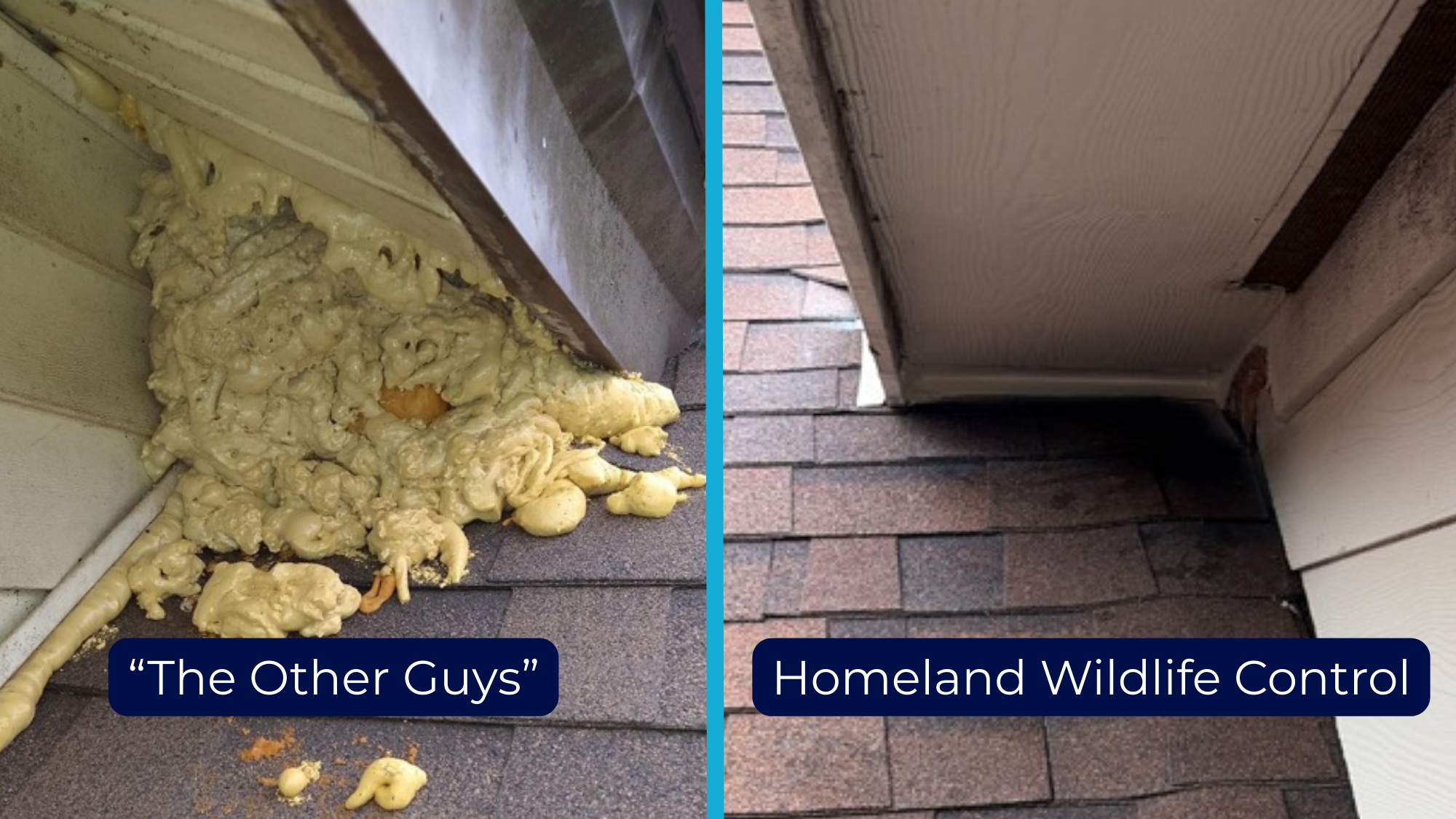
- Entry point sealing (steel/aluminum, painted to match)
- Attic cleanup and restoration
- Lifetime warranty
We do the hard work so you don't have to.
The Bottom Line
Summer attics are hot—but that doesn't stop wildlife.
Bats, rats, and squirrels still use attics in July and August. In fact, some species prefer the heat.
If you're hearing scratching, seeing droppings, or smelling odors:
Don't wait for fall. Act now.
Summer wildlife problems:
- Worsen in extreme heat (odors, contamination)
- Cost more if delayed (damage compounds)
- Create health risks (bacteria thrive in heat)
- Drive up energy bills (damaged insulation/ductwork)
One call solves it all.
Hearing scratching in your hot attic? Call Homeland Wildlife & Pest Control at 210-776-6100 for a free inspection. We work in summer heat so you don't have to. 14 years serving San Antonio. Lifetime warranty.


.png)

.png)
.png)

%20(6.8%20x%206.8%20in)%20(2).png)

.png)


.png)

.png)
.png)
.png)
.png)
.png)

.png)
.png)
.png)
.png)
.png)


.png)
.png)
.png)
.png)
.png)
.png)
.png)
.png)
.png)


.png)
.png)

%20(6.8%20x%206.8%20in)%20(1).png)
.webp)
.png)

.png)
.png)