Why Commercial Property Buyers Care About Wildlife
Reason #1: It Signals Deferred Maintenance
When a commercial inspector finds wildlife damage, they don't just see rodents. They see:
Poor property management:
- "If the owner ignored rodent entry points, what else did they ignore?"
- HVAC maintenance?
- Roof repairs?
- Foundation issues?
One wildlife problem = red flag for systemic neglect.
Buyers assume (often correctly) that other deferred maintenance exists.
Impact on value: Buyers demand 5-15% price reductions for properties with evidence of poor maintenance.
Reason #2: Unknown Repair Costs
Wildlife damage is unpredictable.
Buyer sees evidence of rats in attic:
- How extensive is the contamination?
- Is wiring damaged?
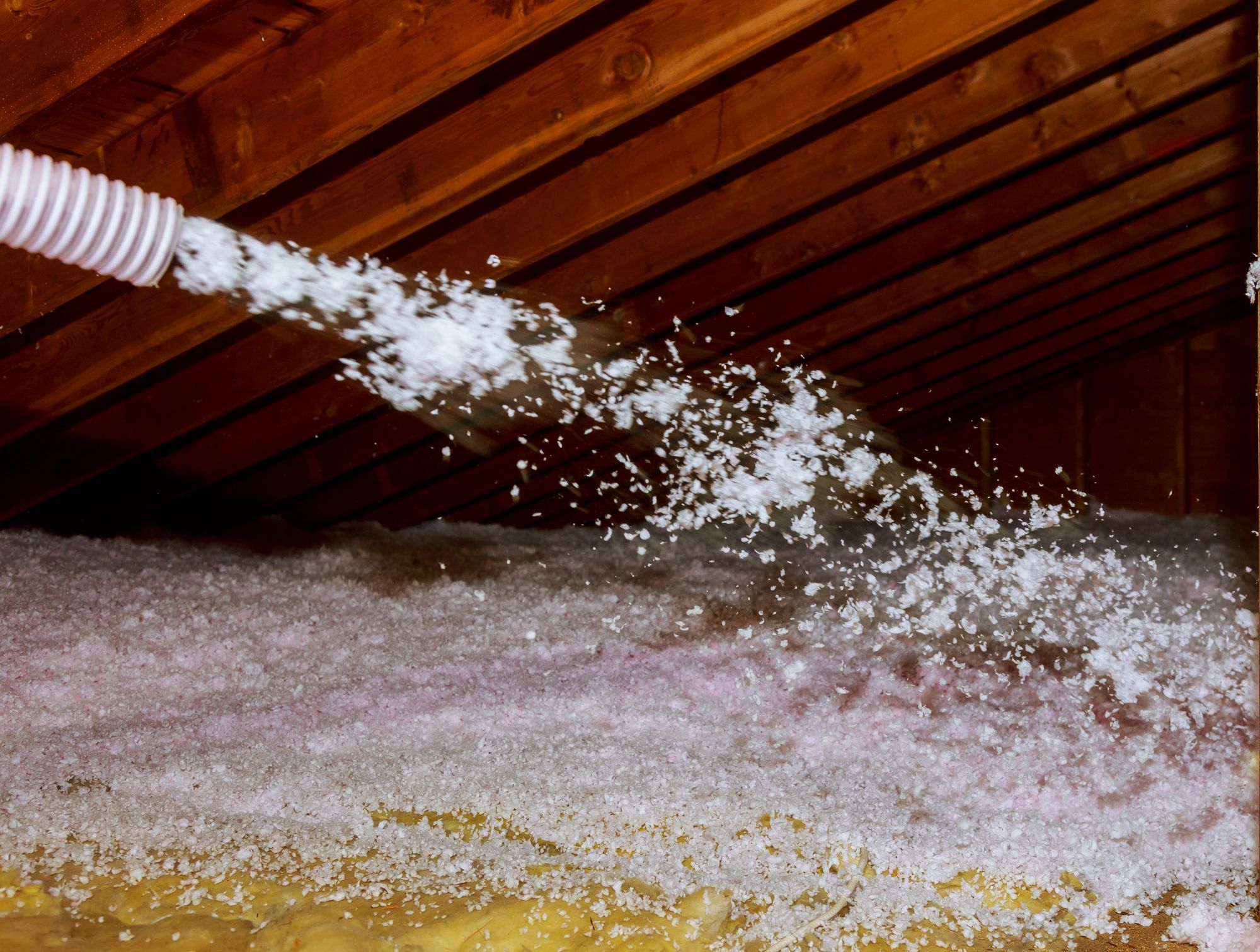
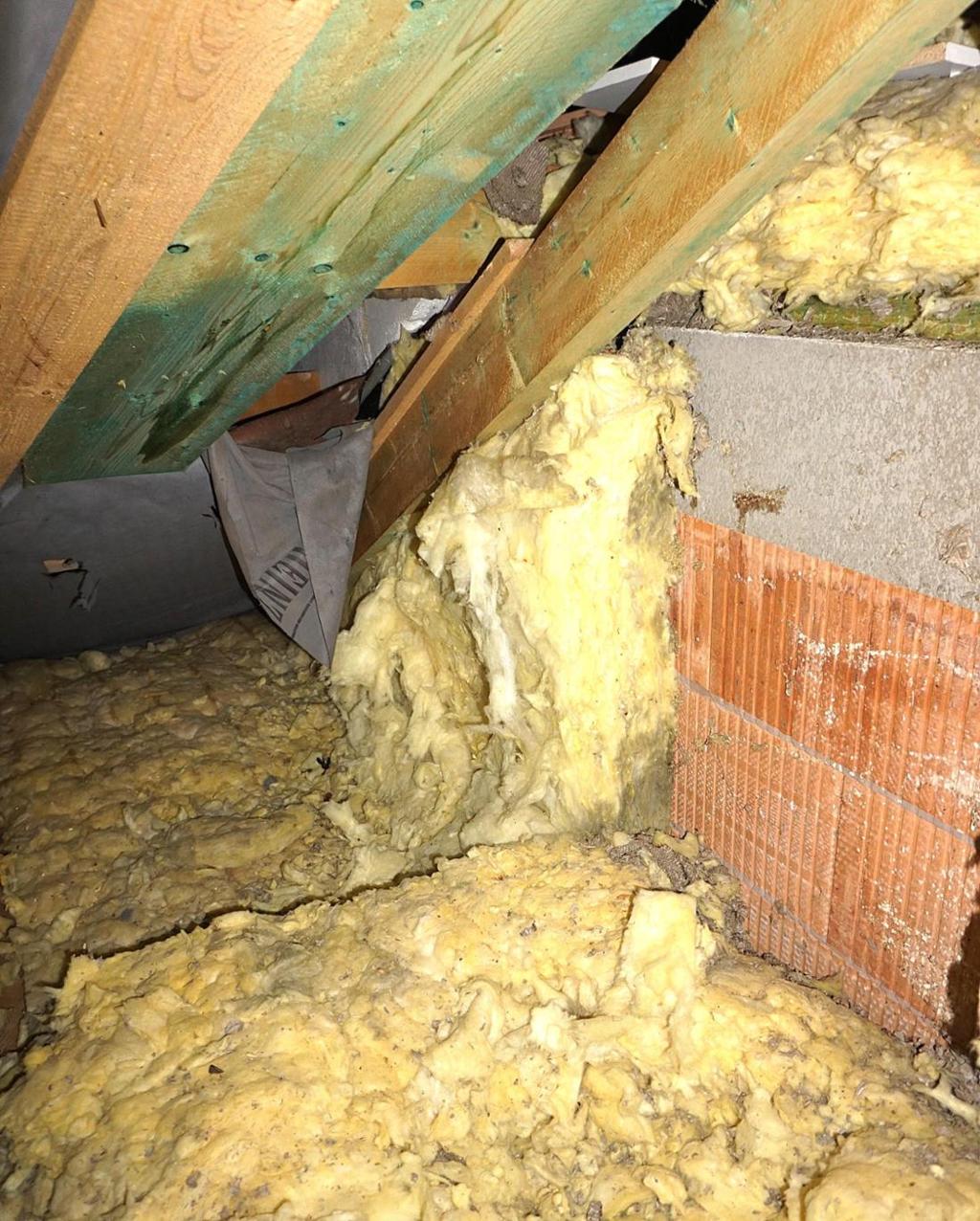
- Is insulation destroyed?
- Are there structural issues?
They don't know. So they assume the worst.
Buyer's inspector estimates:
- Wildlife exclusion: $8,000
- Attic restoration: $15,000
- Electrical repairs: $5,000
- Structural repairs: Unknown
Buyer demands $30,000-50,000 credit "to be safe."
Even if actual damage is only $10,000, you're paying for their uncertainty.
Reason #3: Financing and Appraisal Issues
Commercial lenders require clean inspections. If the inspector flags wildlife issues:
Lender may:
- Require repairs before closing
- Reduce loan amount
- Increase interest rate (higher risk property)
- Deny financing entirely
Appraiser may:
- Lower property value due to "deferred maintenance"
- Require repairs to be completed before appraisal is finalized
- Flag property as "distressed"
Your $2.5M property might appraise at $2.35M simply because of undisclosed rodent damage.
Reason #4: Tenant Disclosure and Liability
If you're selling an occupied commercial property (retail center, office building, apartment complex):
Buyers ask:
- "Have any tenants complained about wildlife?"
- "Are there any ongoing pest control issues?"
- "Have you made any wildlife-related repairs?"
You're legally required to disclose known issues.
If you say "no" but tenants have complained, and buyer discovers it later:
- Lawsuit for fraud/misrepresentation
- Buyer can rescind sale
- You're liable for their costs
If you say "yes":
- Buyer demands credit or price reduction
- Buyer questions property management quality
Either way, you lose.
The only way to avoid this: Fix the problem BEFORE listing the property.
What Commercial Property Inspectors Look For
Unlike residential inspections, commercial inspections are exhaustive. Inspectors spend 6-12 hours examining every system.
Here's what they check for wildlife issues:
1. Attic and Roof Spaces
They inspect:
- Entire attic (all accessible areas)
- Roof decking from below
- Insulation condition
- Wiring and ductwork
Red flags:
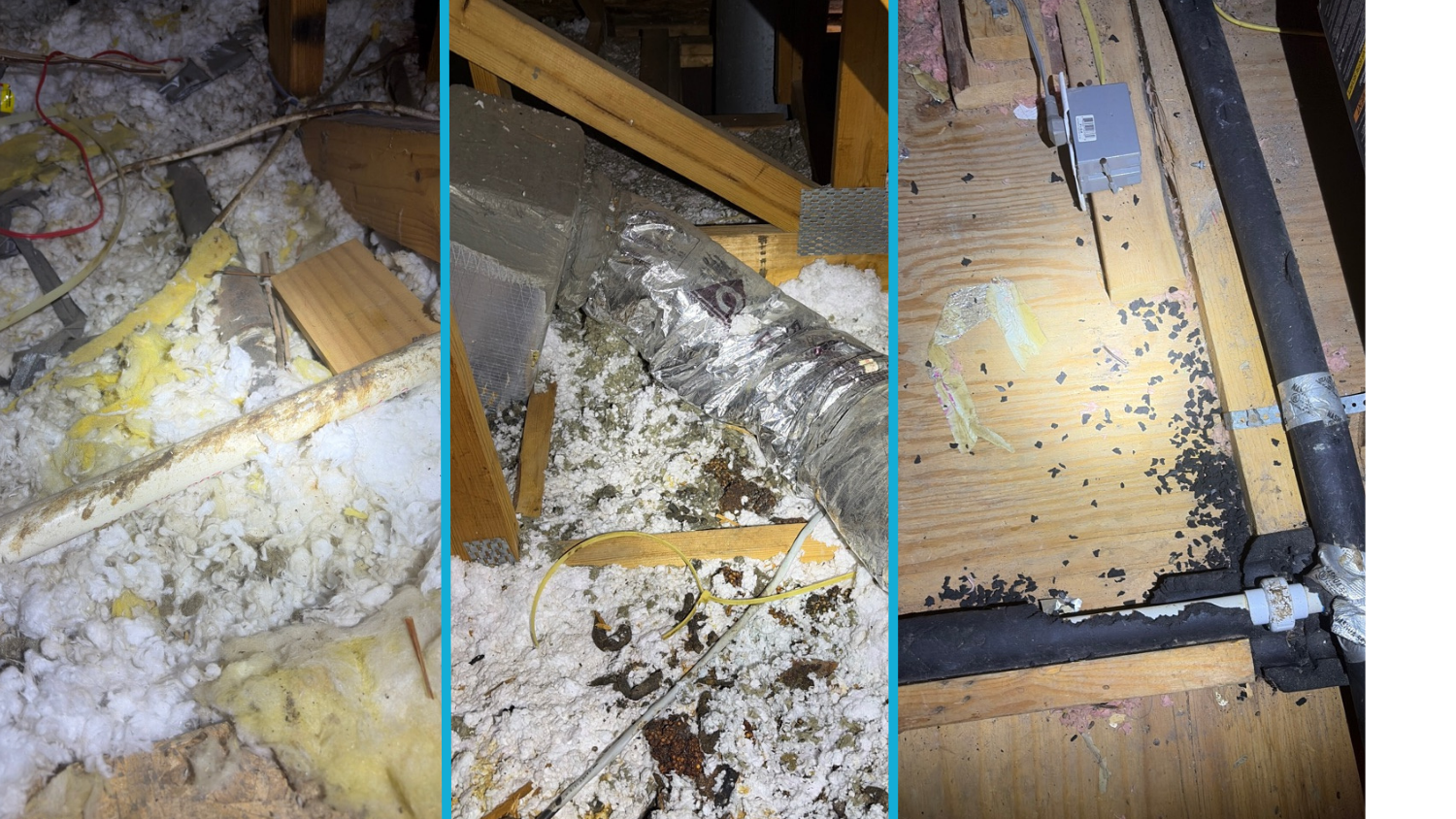
- Droppings (even old, inactive droppings get flagged)
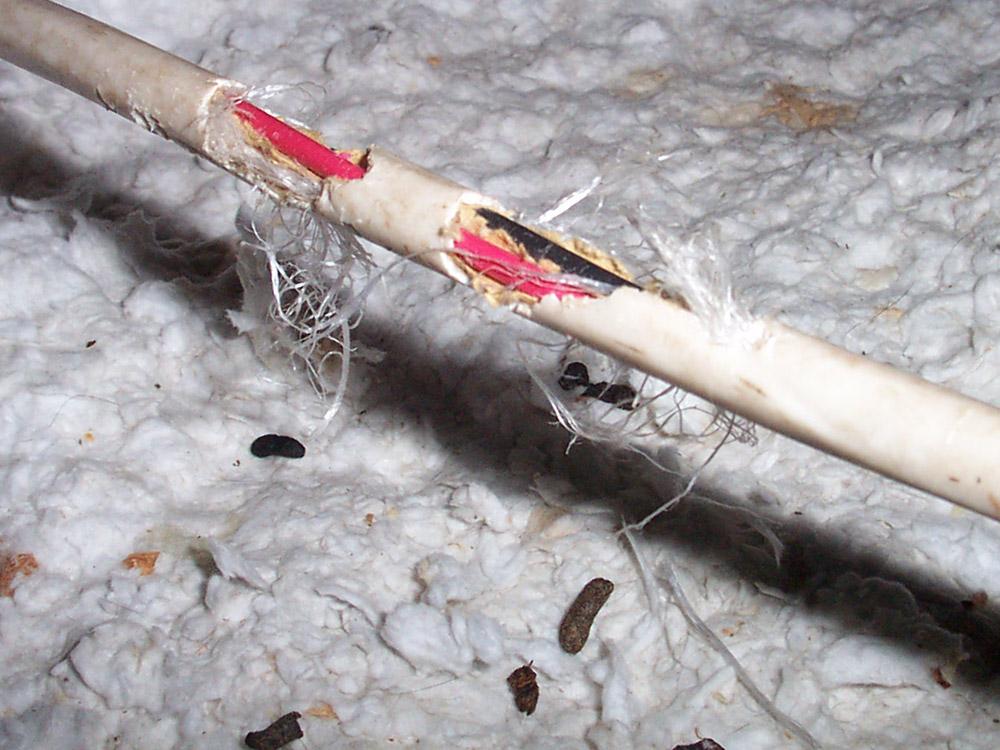
- Chewed wiring or insulation
- Nesting material
- Urine stains on insulation
- Grease marks on beams
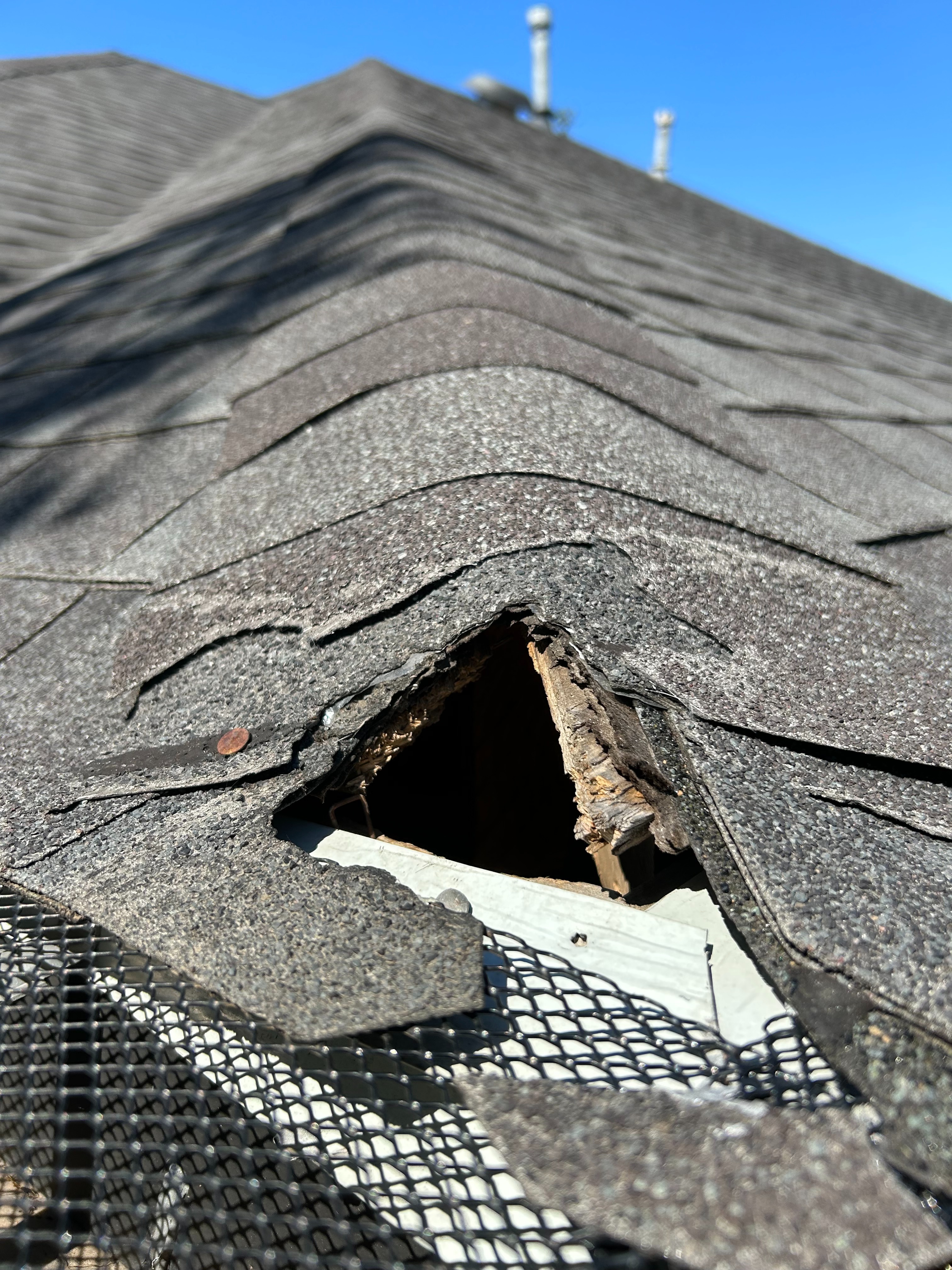
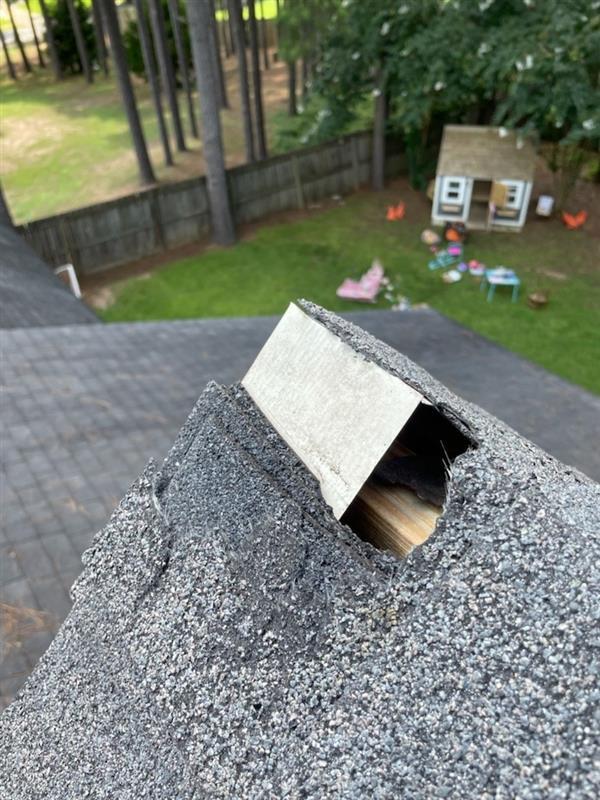
- Damaged roof decking
Even if the problem is "old," inspectors document it. Buyers assume it could recur.
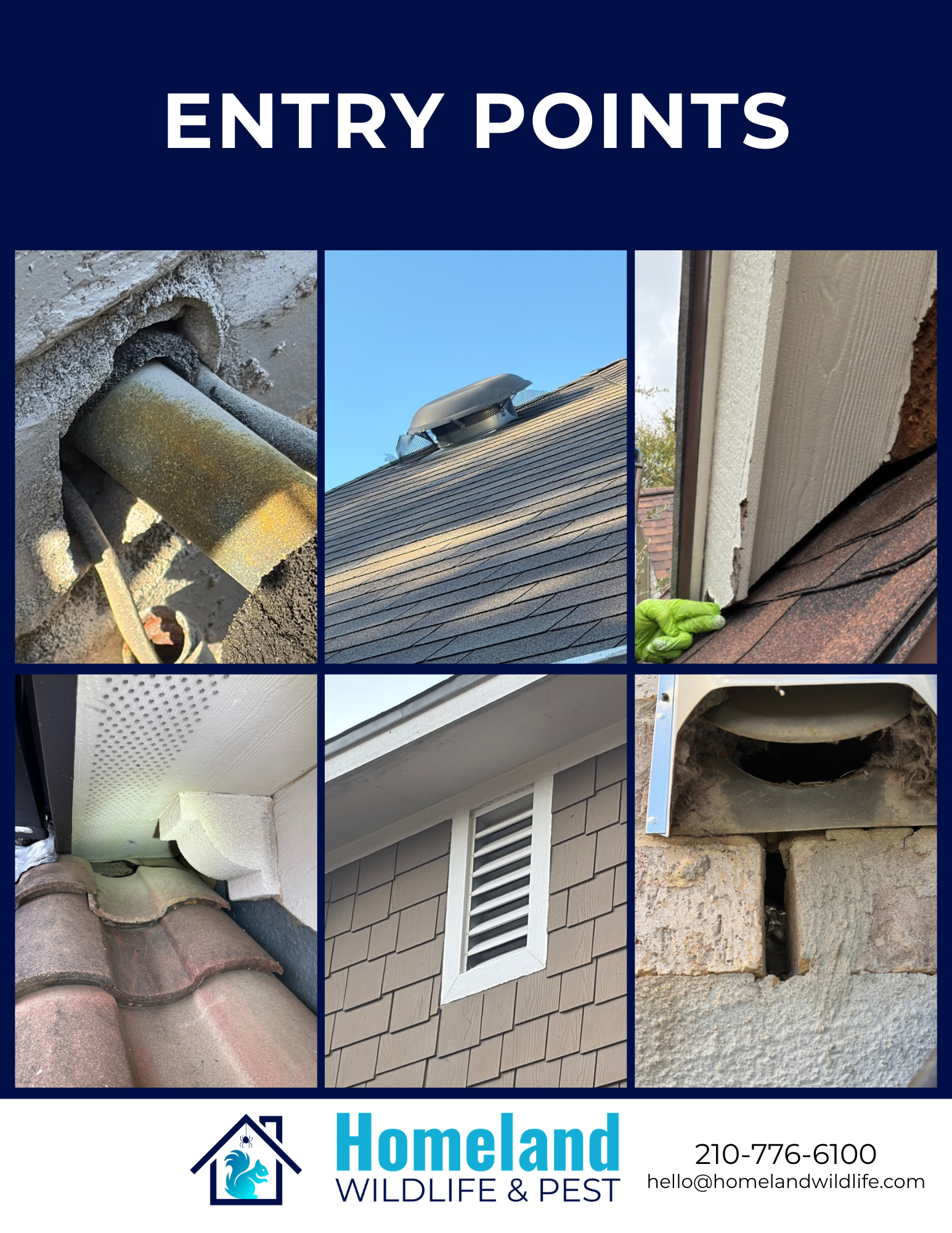
2. Exterior Entry Points
They inspect:
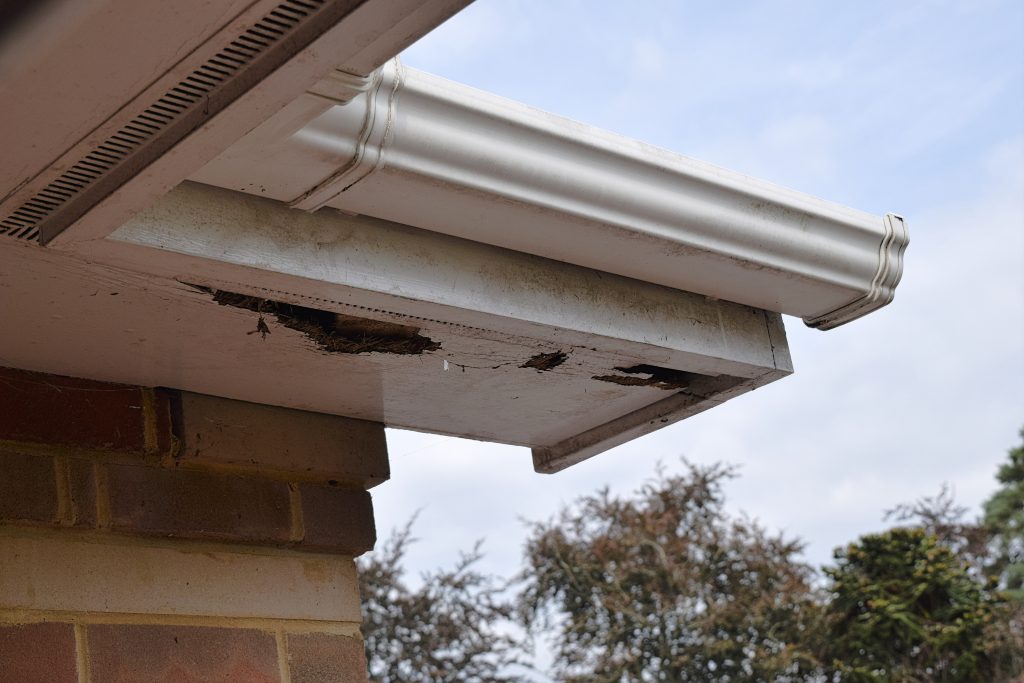
- All soffits, fascia, and roof returns
- Foundation perimeter
- Loading docks and service doors
- Dumpster enclosures
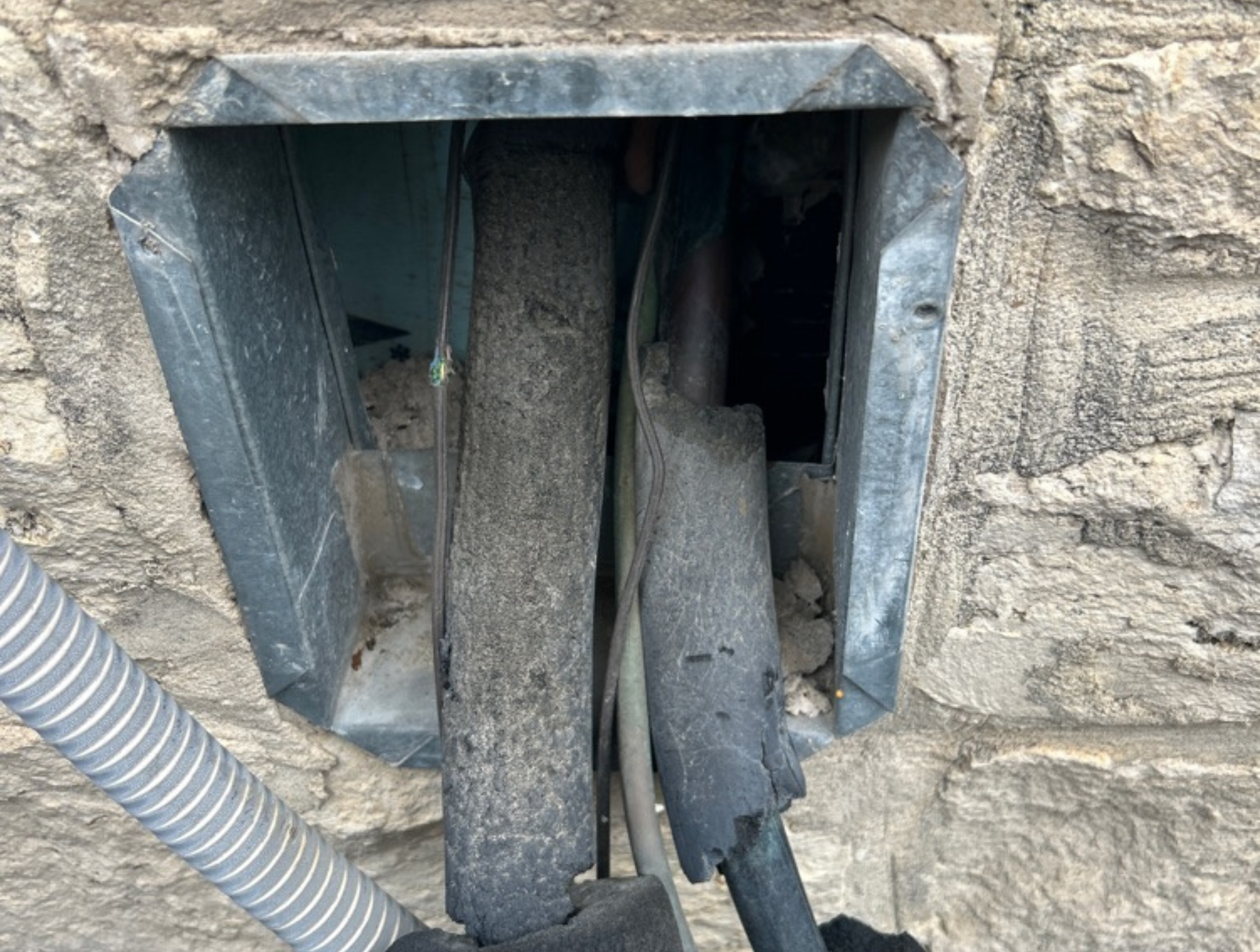
- HVAC penetrations
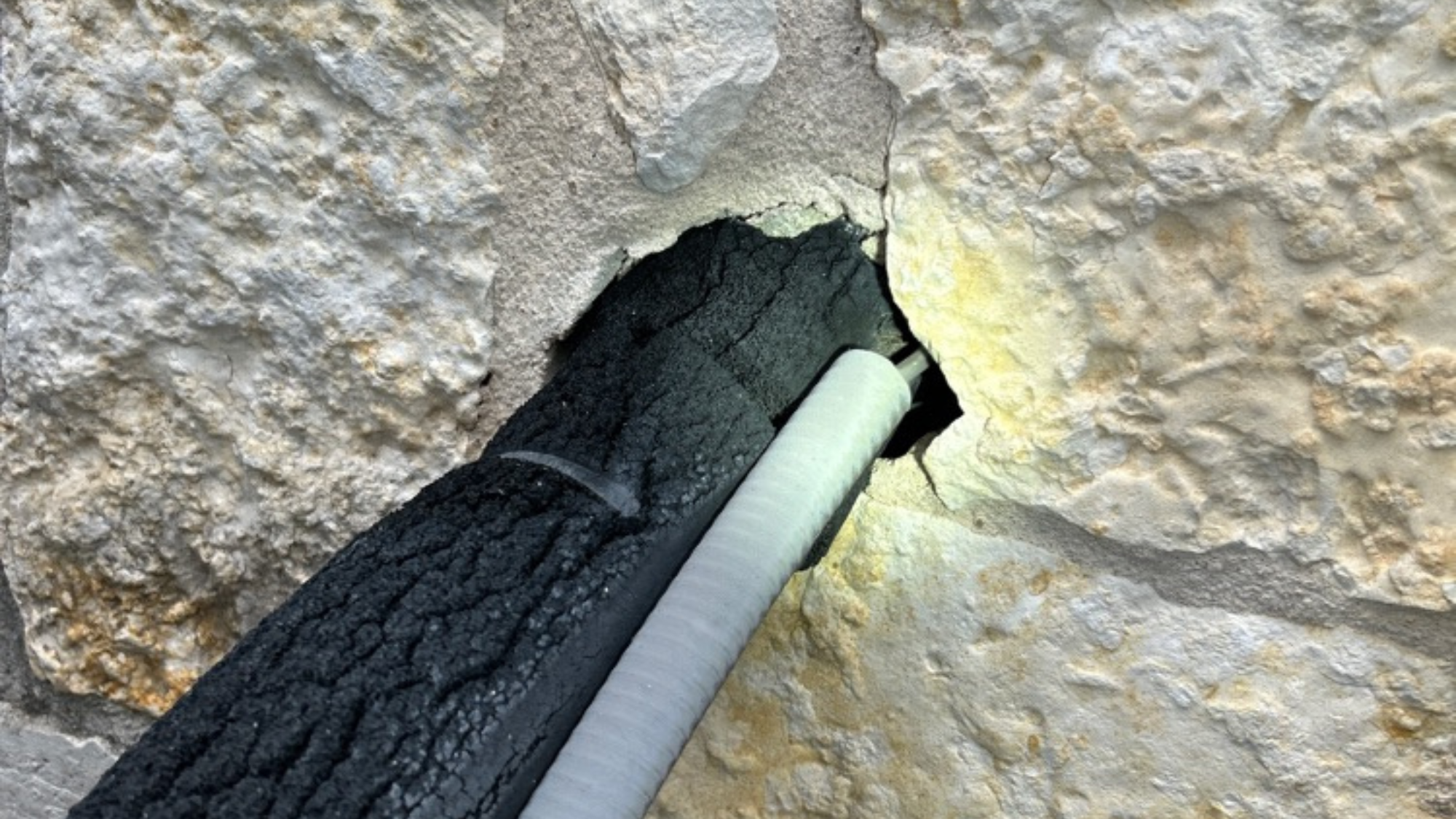
- Plumbing and electrical penetrations
Red flags:
- Visible gaps or cracks
- Missing vent screens
- Chewed wood or damaged materials
- Improperly sealed penetrations
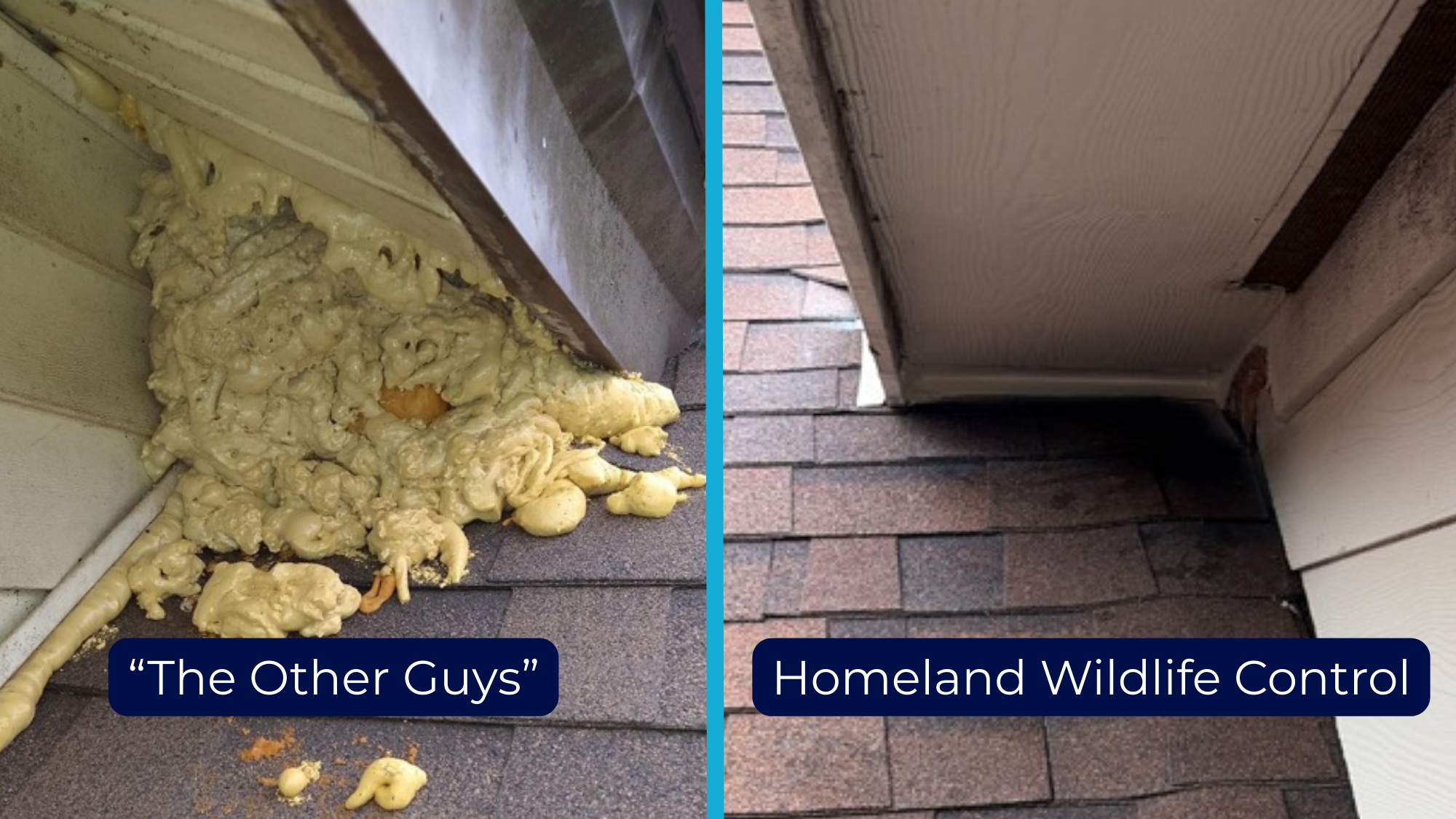
- Evidence of temporary "repairs" (foam, caulk)
Inspectors know what permanent exclusion looks like. If they see foam sealing a gap, they flag it as inadequate.
3. Interior Common Areas and Tenant Spaces
They inspect:
- Utility closets
- Mechanical rooms
- Storage areas
- Crawlspaces
- Wall cavities (if accessible)
Red flags:
- Droppings in utility areas
- Gnaw marks on stored materials
- Evidence of nesting
- Tenant complaints documented in records
4. Tenant Complaint Records
Buyers request:
- Maintenance logs
- Tenant complaint history
- Pest control service records
If your records show recurring wildlife complaints, buyers know:
- Problem exists
- You didn't fix it permanently
- It will continue after purchase
Impact: Price reduction or deal termination.
How Wildlife Damage Actually Affects Property Value
Let's put numbers to it:
Scenario 1: Clean Property (No Wildlife Issues)
Property: 50-unit apartment complex
Market Value: $5,000,000
Cap Rate: 6%
NOI: $300,000
Sale: Full asking price, smooth closing.
Scenario 2: Minor Wildlife Evidence (Discovered During Inspection)
Property: Same 50-unit complex
Issue: Inspector finds rodent droppings in 3 attic spaces, evidence of previous activity
Buyer's Response:
- Demands $40,000 credit for:
- Wildlife exclusion: $12,000
- Attic sanitization: $15,000
- Insulation replacement: $13,000
Your Options:
- Accept $40,000 credit (sale price now $4,960,000)
- Refuse, buyer walks, relist with disclosure
If you relist with disclosure:
- New buyers demand same credit
- Property sits on market longer
- You eventually accept similar deal
Net impact: $40,000-60,000 value loss
Scenario 3: Active Wildlife Problem (Tenant Complaints + Visible Damage)
Property: Same 50-unit complex
Issue: Multiple tenant complaints, active rodent activity, significant attic damage
Buyer's Response:
- Demands $100,000 credit for:
- Emergency wildlife exclusion (all buildings): $30,000
- Full attic restoration: $40,000
- Tenant relocations during work: $10,000
- Risk premium for "problem property": $20,000
Appraiser's Response:
- Reduces appraised value by $150,000 due to deferred maintenance and tenant satisfaction issues
Lender's Response:
- Requires repairs before funding loan
- Or reduces loan amount based on lower appraisal
Your Options:
- Complete repairs before closing (delay closing 30-60 days, you pay for repairs)
- Accept massive price reduction
- Deal falls through, relist with disclosure
Net impact: $100,000-200,000 value loss
Scenario 4: Undisclosed Problem Discovered Post-Sale
Property: Same 50-unit complex
Issue: You didn't disclose tenant complaints, buyer discovers wildlife issues after closing
Buyer's Response:
- Files lawsuit for fraudulent misrepresentation
- Claims you knew about problem and failed to disclose
- Demands:
- Full repair costs: $50,000
- Lost rent during repairs: $20,000
- Tenant turnover costs: $30,000
- Legal fees: $50,000
- Total claim: $150,000+
Your Options:
- Settle (expensive)
- Fight in court (more expensive)
- Lose and pay judgment + your legal fees
Net impact: $150,000-300,000+ and legal nightmare
The ROI of Fixing Wildlife Issues BEFORE Listing
Smart Owner's Approach:
6 Months Before Listing:
- Hires wildlife specialist for complete inspection
- Invests $15,000 in comprehensive exclusion and restoration
- Implements quarterly prevention program for 6 months
- Documents all work with photos and warranties
At Listing:
- Property shows clean inspections
- No wildlife evidence
- Documentation shows proactive management
- Tenants have no complaints
Buyer's Inspection:
- Inspector finds no wildlife issues
- Sees professional exclusion work and warranties
- Notes excellent property maintenance
- Clean report
Sale Result:
- Full asking price: $5,000,000
- Smooth closing
- Net cost: $15,000
- Avoided: $40,000-200,000 in credits/value loss
- ROI: 167-1,233%
Commercial Property Types Most Affected by Wildlife Damage
1. Apartment Complexes
Why they're vulnerable:
- Multiple buildings = dozens of entry points
- Shared attics and wall spaces
- Tenant complaints = documented history
Impact on value:
- Buyers scrutinize tenant satisfaction
- Wildlife complaints = lower occupancy projections = lower NOI = lower value
Cap rate impact: Wildlife issues can increase buyer's cap rate expectation by 0.25-0.5%, significantly reducing property value.
Example:
- $300,000 NOI at 6% cap = $5,000,000
- $300,000 NOI at 6.5% cap = $4,615,385
- Wildlife-related cap rate increase = $385,000 value loss
2. Retail Centers and Strip Malls
Why they're vulnerable:
- Restaurants attract rodents
- Loading areas and dumpsters
- Multiple tenant spaces with shared walls
Impact on value:
- Tenant complaints affect lease renewals
- Vacant spaces = lower NOI
- Lenders flag properties with tenant turnover
3. Office Buildings
Why they're vulnerable:
- Older buildings with deteriorating infrastructure
- HVAC and plumbing penetrations
- Break rooms and kitchenettes attract wildlife
Impact on value:
- Professional tenants have zero tolerance for rodents
- Lease breaks = vacant space = lower value
- Class A buyers won't touch buildings with wildlife history
4. Warehouses and Industrial
Why they're vulnerable:
- Loading docks constantly open
- Stored inventory attracts rodents
- Large square footage = many entry points
Impact on value:
- Damaged inventory = tenant liability claims
- Buyer assumes ongoing pest control costs
- Lenders flag "operational issues"
What Savvy Commercial Buyers Look For
Experienced commercial buyers specifically ask about:
Questions Buyers Ask:
- "Have you had any pest control or wildlife issues during your ownership?"
- "Can you provide pest control service records for the past 3 years?"
- "Have any tenants complained about rodents, wildlife, or scratching sounds?"
- "What preventive wildlife measures are in place?"
- "Can you show documentation of any wildlife exclusion work performed?"
If you can't provide clean answers and documentation, buyers know there's a problem.
What Strong Answers Look Like:
✅ "We've had a quarterly wildlife prevention program in place for 3 years. Here's the documentation."
✅ "We proactively sealed all entry points in 2023. Here's the scope of work and lifetime warranty."
✅ "Zero tenant complaints related to wildlife in the past 24 months. Here are the maintenance logs."
✅ "Monthly pest control for insects, quarterly wildlife inspections. All documented."
These answers increase buyer confidence and protect your value.
How to Protect Your Commercial Property Value
If You're Planning to Sell in 1-2 Years:
Step 1: Get a Professional Wildlife Inspection NOW
- Identify all vulnerabilities
- Assess any existing damage
- Get written report with photos
Step 2: Complete Exclusion and Restoration
- Seal all entry points professionally
- Address any attic or structural damage
- Get lifetime warranty
Step 3: Implement Quarterly Prevention Program
- Ongoing inspections every 90 days
- Seal new vulnerabilities as they develop
- Build documentation for buyers
Step 4: Maintain Records
- Save all inspection reports
- Document all exclusion work
- Keep warranty information
- Log zero complaints from tenants
When you list: You have a clean, well-maintained property with documentation proving proactive management.
If You're Listing NOW and Have Wildlife Issues:
Option A: Disclose and Fix
- Hire wildlife specialist immediately
- Complete exclusion before listing
- Disclose previous issue but show it's been professionally resolved
- Provide warranty to buyer
Option B: Pre-Listing Inspection
- Hire inspector to do "pre-sale inspection"
- Find problems before buyer's inspector does
- Fix everything identified
- Relist with clean inspection
Don't try to hide it. Inspectors will find it. Buyers will sue if you don't disclose.
What Homeland Wildlife Does for Commercial Property Owners
Pre-Sale Property Preparation:
1. Comprehensive Inspection
- Evaluate entire property (all buildings, all spaces)
- Identify every vulnerability
- Provide detailed report for your records
2. Complete Exclusion
- Seal all entry points with commercial-grade materials
- Address attic and structural issues
- Restore damaged areas
3. Documentation Package for Buyers
- Before/after photos
- Scope of work
- Materials used
- Lifetime warranty
- Inspection reports
4. Ongoing Prevention (Optional)
- Quarterly inspections until sale
- Maintain clean property
- Build documentation showing proactive management
Pricing for Commercial Properties:
One-Time Exclusion:
- Small retail/office (under 10,000 sq ft): $5,000-10,000
- Apartment complex (20-50 units): $8,000-15,000
- Large commercial (50,000+ sq ft): $15,000-30,000
Quarterly Prevention:
- $500-1,500/month depending on property size
ROI: Protects $50,000-200,000+ in property value
The Bottom Line
Wildlife damage is a value-killer in commercial real estate.
Even minor, inactive evidence can cost you:
- $40,000-100,000 in buyer credits
- $100,000-300,000 in appraised value reduction
- Months of delayed closing
- Lost deals
- Legal liability
Spending $10,000-20,000 to fix it BEFORE listing protects $100,000-300,000 in value.
The math is simple. The choice is obvious.
Don't let wildlife damage tank your commercial property sale.
Selling commercial property in San Antonio? Call Homeland Wildlife & Pest Control at 210-776-6100 for a pre-sale wildlife inspection. We'll identify any issues and provide a plan to protect your property value before listing.


.png)

.png)
.png)

%20(6.8%20x%206.8%20in)%20(2).png)

.png)


.png)

.png)
.png)
.png)
.png)
.png)

.png)
.png)
.png)
.png)
.png)


.png)
.png)
.png)
.png)
.png)
.png)
.png)
.png)
.png)



.png)
.png)

%20(6.8%20x%206.8%20in)%20(1).png)
.webp)
.png)

.png)
.png)
.webp)