

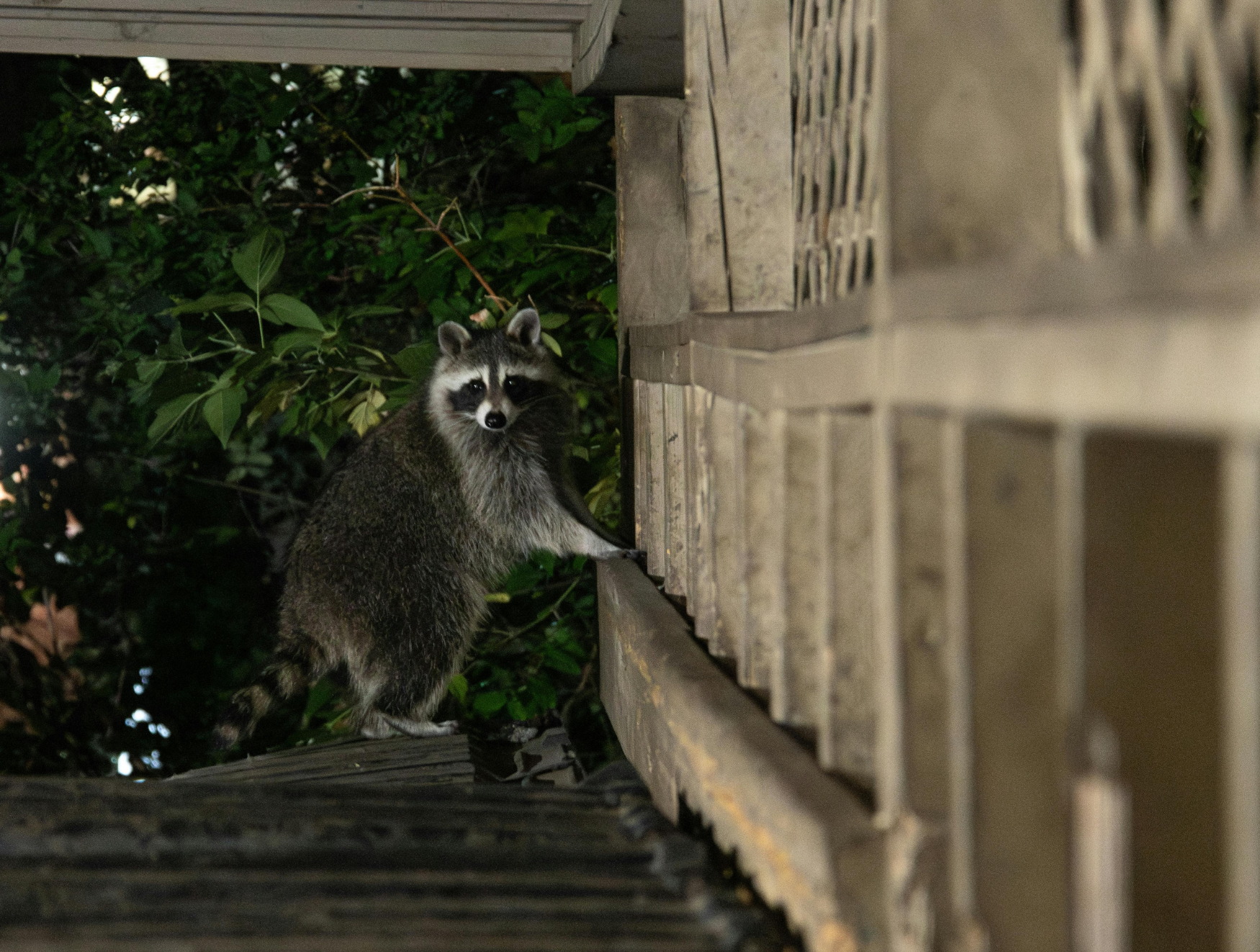
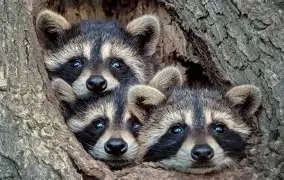
When temperatures drop, rats, squirrels, raccoons, and opossums start searching for warm, protected spaces to nest—and your attic is the perfect spot.
December through February is our busiest season because:
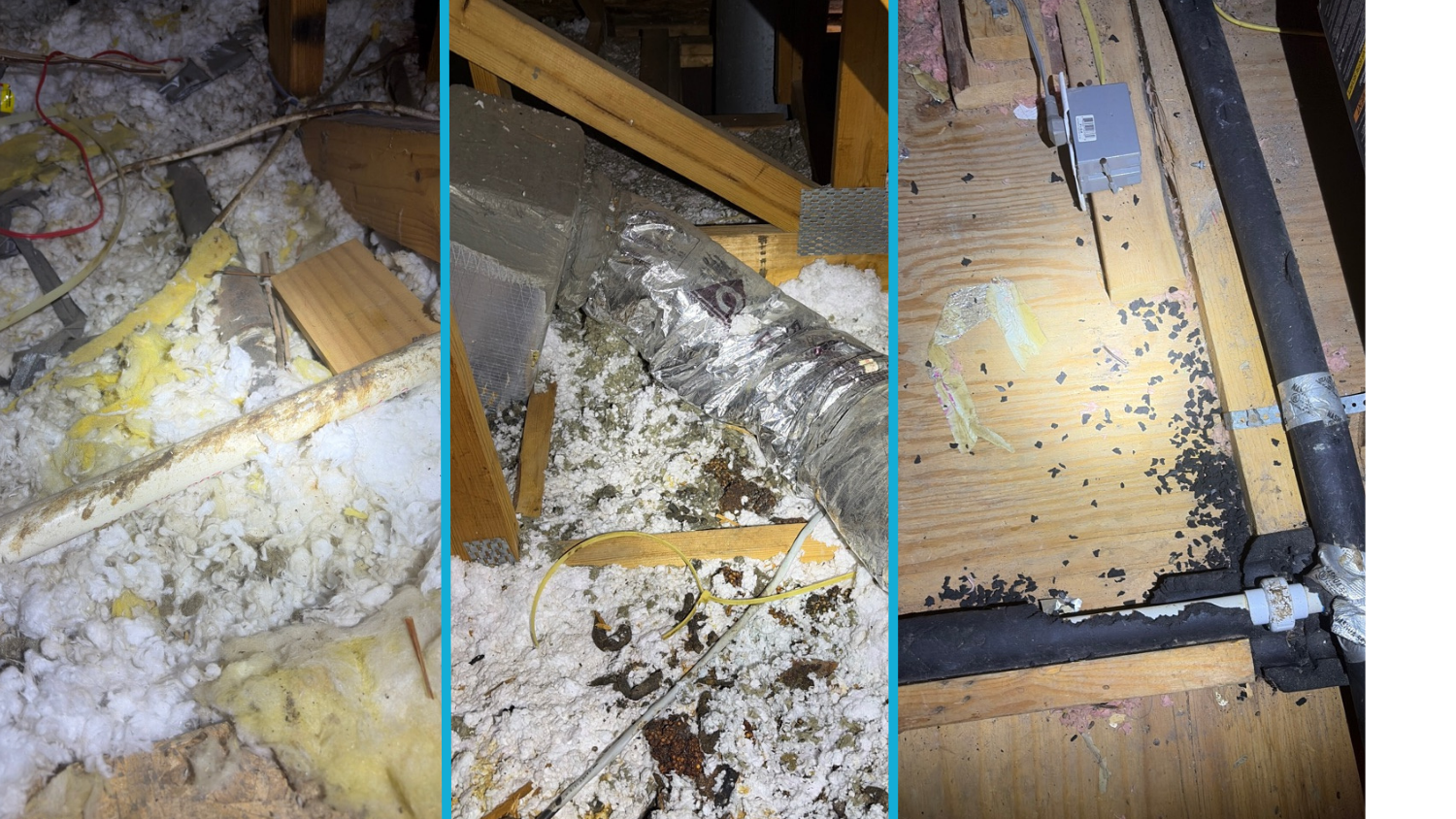
Once wildlife gets inside, they move fast. Within days, they can:
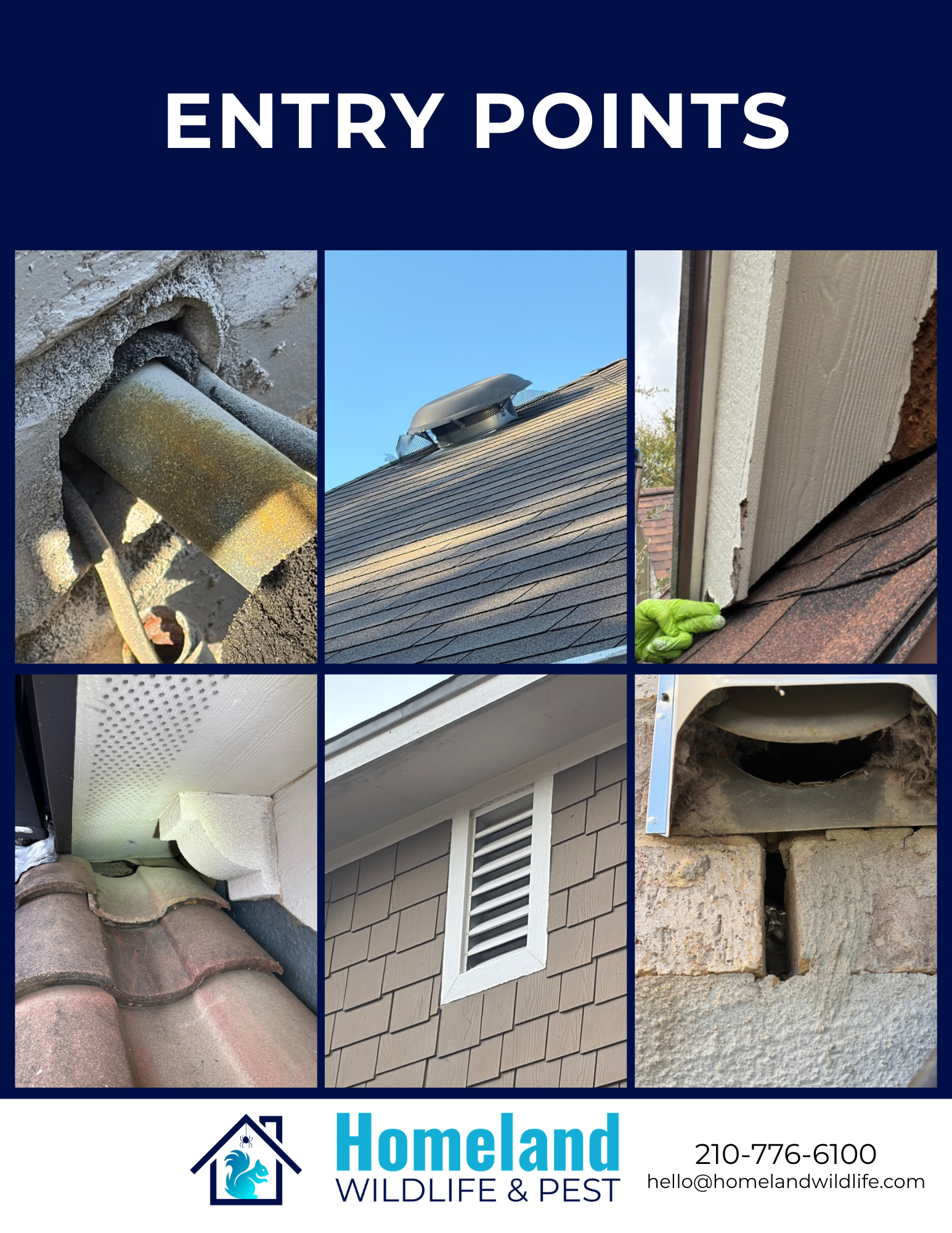
Wildlife doesn't need much space to get inside. A gap as small as ½ inch is enough for rats and mice—and most homes have multiple vulnerable spots.
Here's where animals break in most often:
Roof Returns
These small trim pieces at the corners of your roofline are notorious weak points. Over time, gaps develop between the trim and the structure, giving wildlife direct access to your attic.
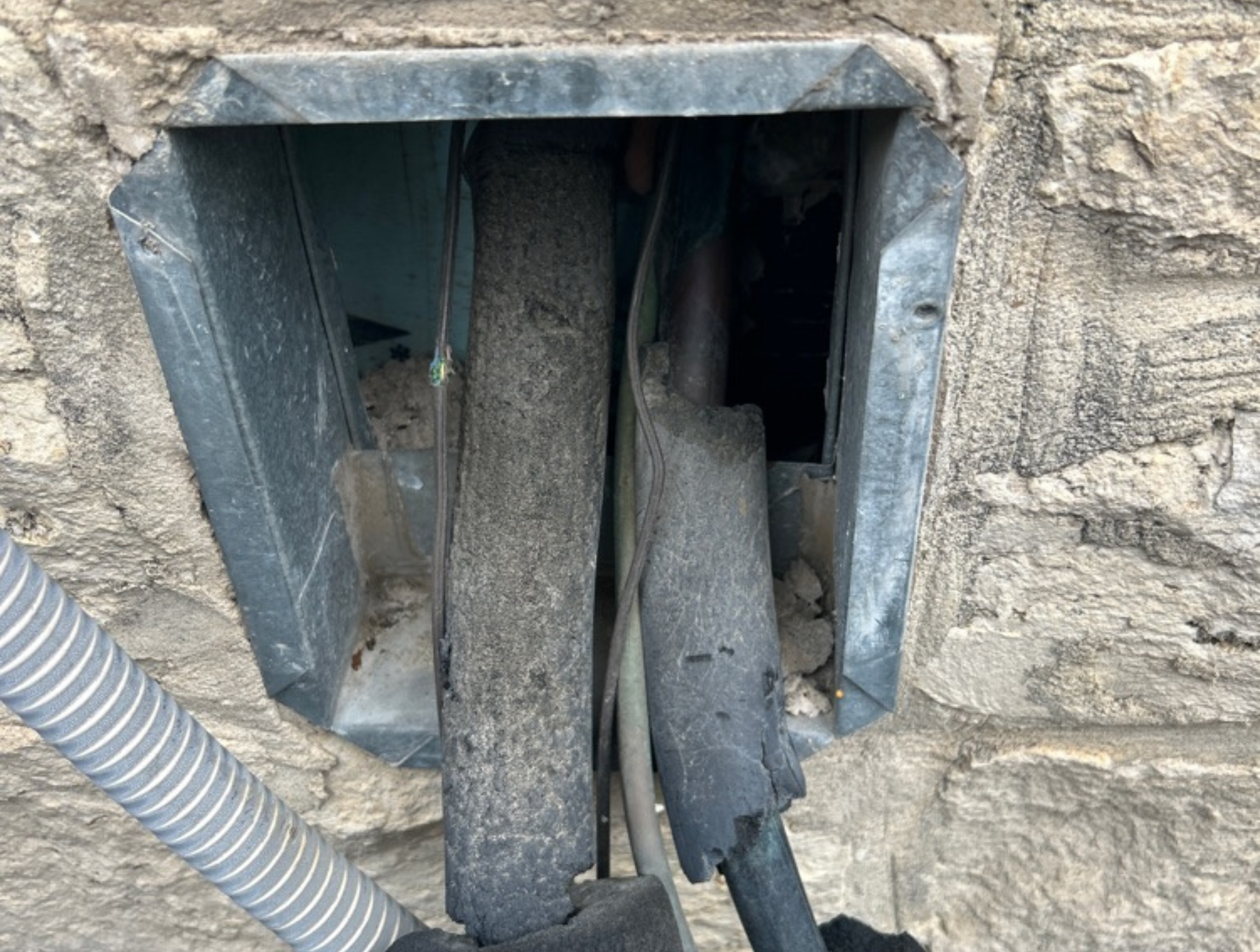
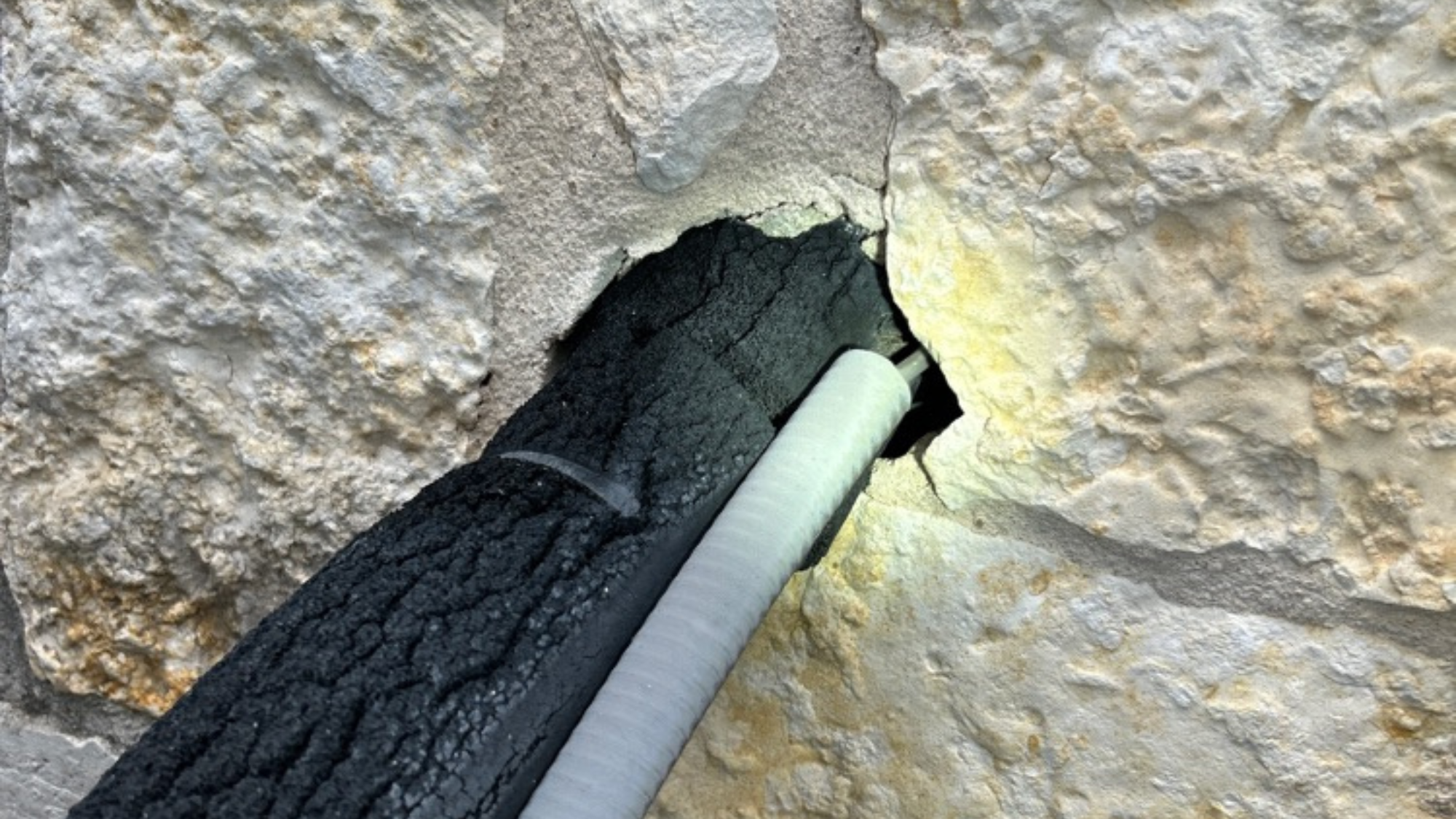
AC Line Chases
The hole where your AC lines enter the attic is almost always poorly sealed or left completely open during installation. Animals follow these lines straight into your home.
Soffit and Fascia Gaps
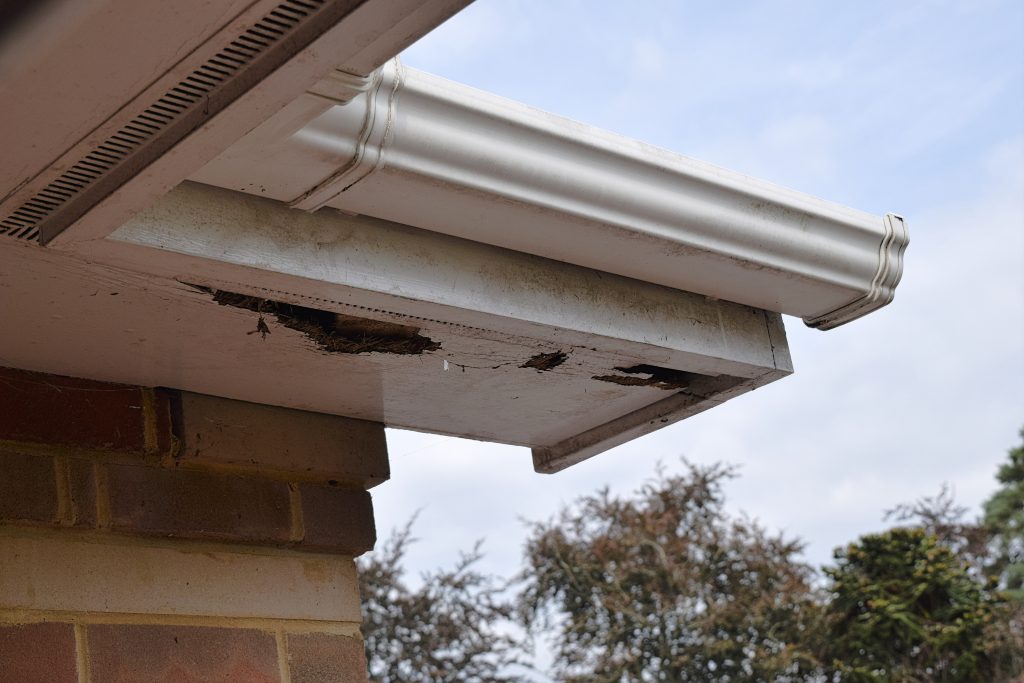
Weather, settling, and age cause soffits to pull away from the roofline, creating entry points. Once animals find these gaps, they chew the wood behind them to widen the opening.
Attic Vents
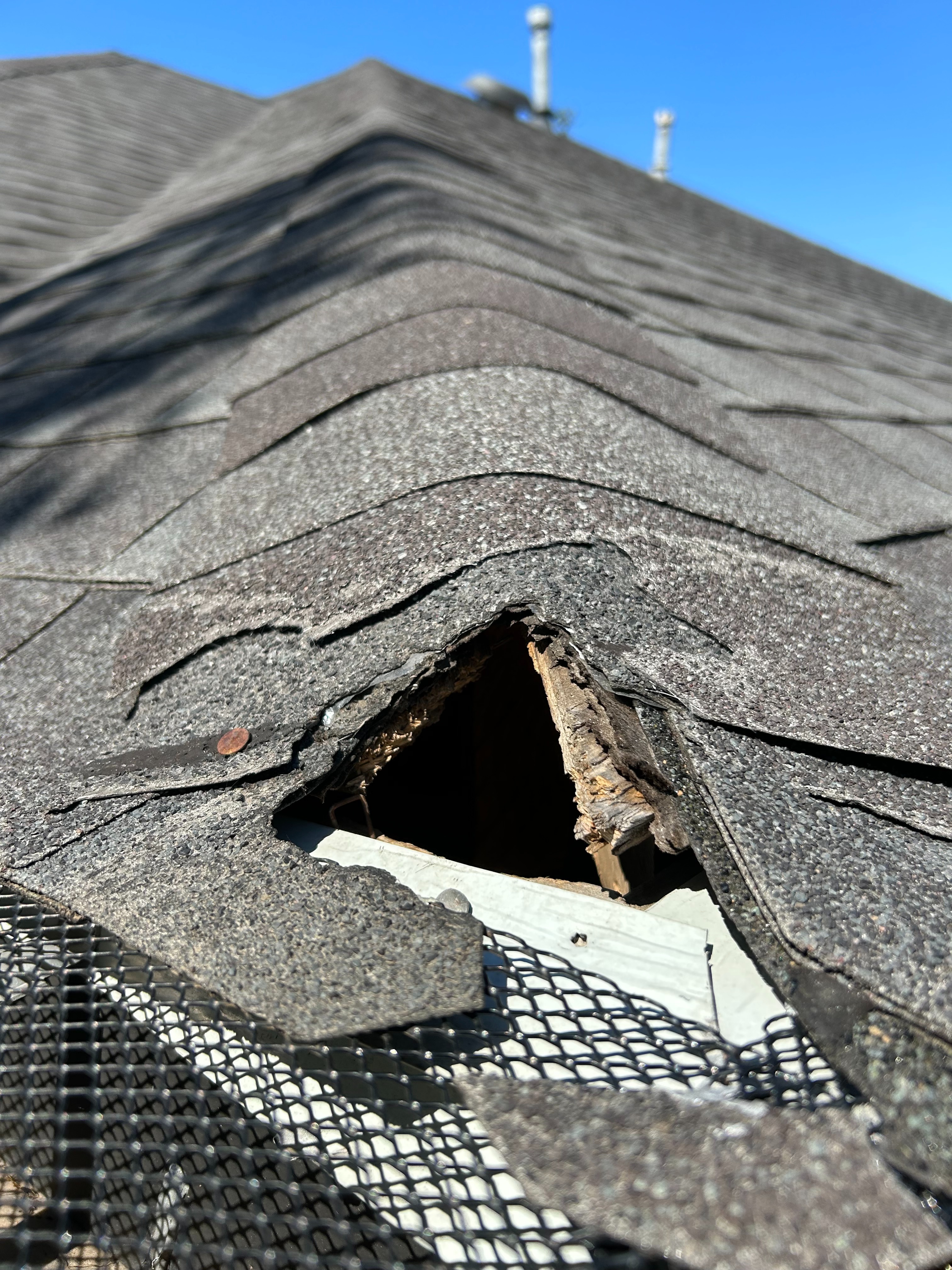
Standard attic vents with plastic or aluminum screens are no match for determined squirrels or raccoons. They chew through or rip them off entirely.
Garage Door Gaps
Worn weatherstripping or doors that don't sit flush with the ground allow rats and mice to squeeze underneath. Once in the garage, they access walls and attics through small gaps.
Weep Holes
These small drainage holes in brick facades are necessary for your home but create perfect entry points for mice if left unsealed.
If you notice any of these signs, wildlife may already be in your attic:
Don't wait if you notice these signs. The longer wildlife stays inside, the more damage they cause—and the more expensive repairs become.
The best way to keep wildlife out is to seal your home before they find a way in. Here's what you can do:
1. Inspect Your Roofline
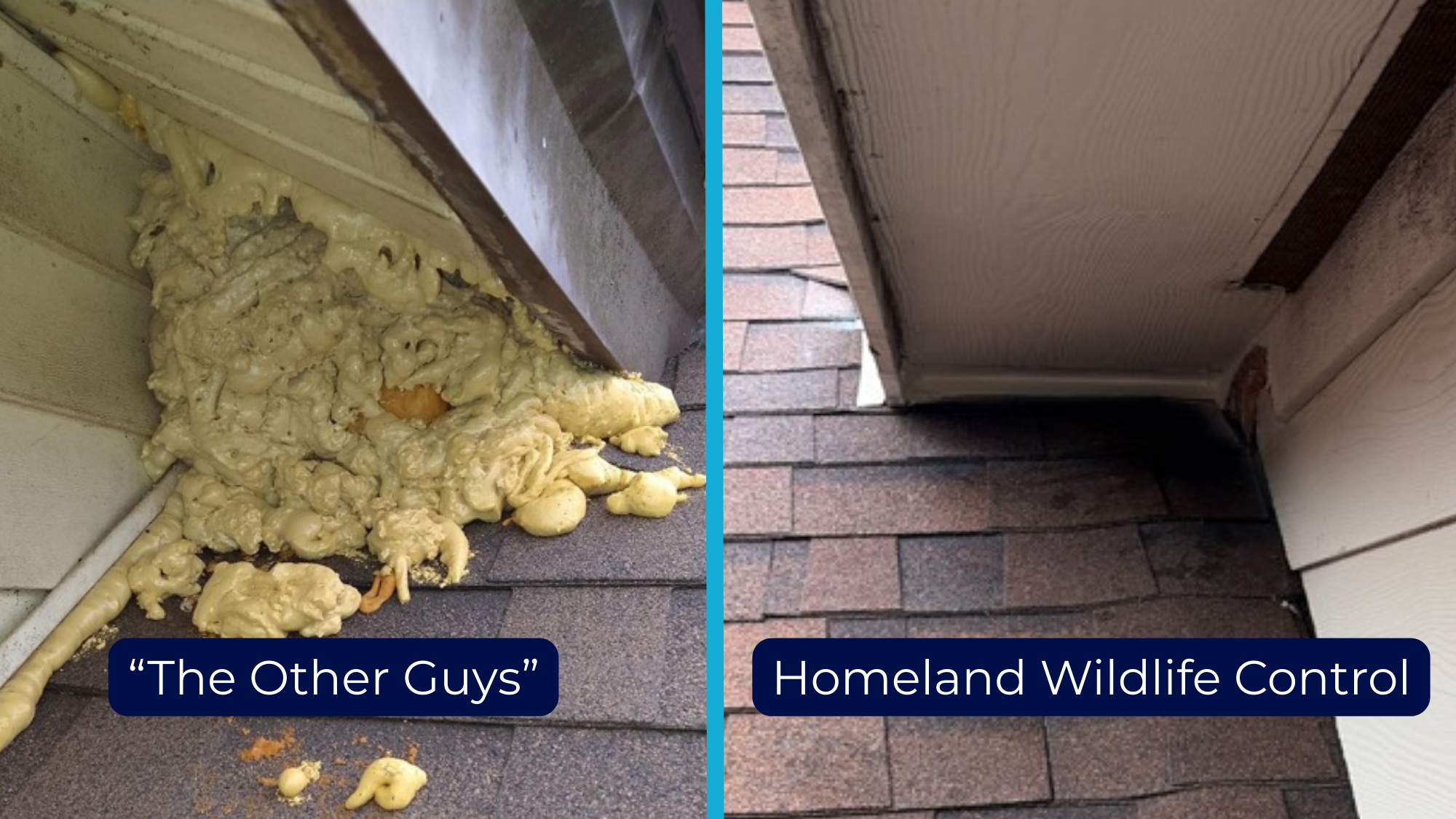
Walk around your home and look for gaps in roof returns, soffits, and fascia. Check attic vents for damage. If you spot vulnerabilities, they need to be sealed with chew-proof materials—not foam or caulk.
2. Check Your Garage Door
Close your garage door and look for light coming through underneath. If you see daylight, rodents can get through. Replace worn weatherstripping and ensure the door sits flush with the ground.
3. Trim Tree Branches
Squirrels and raccoons use tree branches as highways to your roof. Trim branches back at least 6-8 feet from your roofline to eliminate easy access.
4. Seal AC Line Entry Points
Check where your AC lines enter the exterior wall. If there's a gap around them, it needs to be sealed properly with steel or aluminum—materials wildlife can't chew through.
5. Inspect Weep Holes
If your home has brick, check the weep holes. They should have stainless steel mesh covers that allow drainage but block rodents.
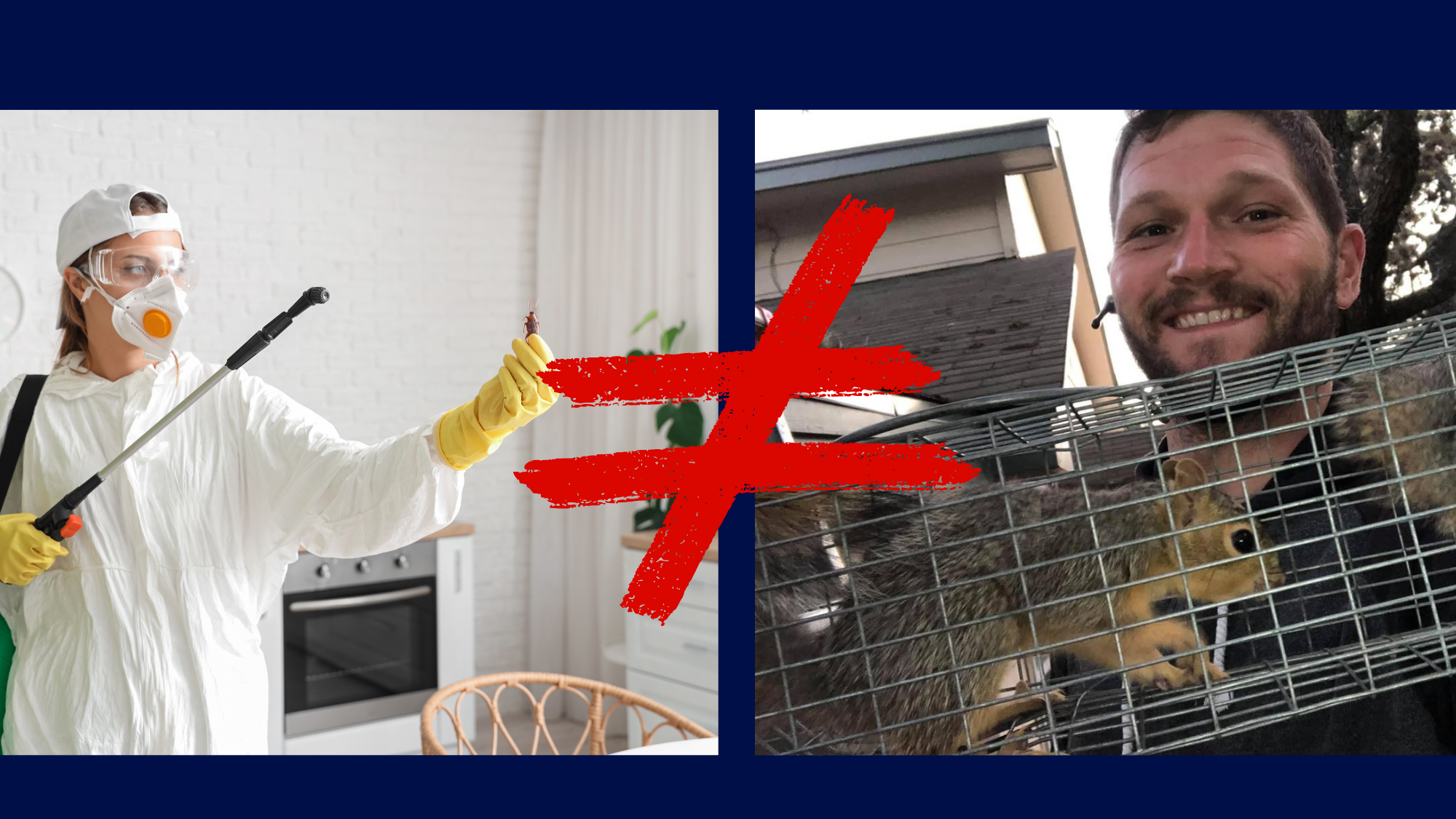
If you're hearing scratching or seeing signs of wildlife activity, don't try to handle it yourself. Here's why:
Professional wildlife exclusion involves:
At Homeland Wildlife & Pest Control, we've been protecting San Antonio homes from wildlife for over 14 years. Our exclusion work is permanent, and we back it with a lifetime warranty.
The holidays should be about family, friends, and celebration—not worrying about wildlife in your attic.
If you're hearing sounds, seeing damage, or just want peace of mind that your home is sealed and secure, we can help.
We offer free inspections to identify vulnerabilities and provide honest recommendations. If wildlife is already inside, we'll remove them humanely and seal your home so they can't return.
Don't let wildlife ruin your holidays. Call us today.
📞 210-776-6100
🌐 www.HomelandWildlife.com
Homeland Wildlife & Pest Control
Protecting San Antonio homes for over 14 years

February 13, 2025
.png)
March 19, 2025

May 5, 2025
.png)
May 1, 2025
.png)
May 2, 2025

January 27, 2026
%20(6.8%20x%206.8%20in)%20(2).png)
July 10, 2026

.png)


.png)

.png)
.png)
.png)
.png)
.png)

.png)
.png)
.png)
.png)
.png)


.png)
.png)
.png)
.png)
.png)
.png)
.png)
.png)
.png)





.png)
.png)
%20(6.8%20x%206.8%20in)%20(1).png)
.webp)
.png)

.png)
.png)