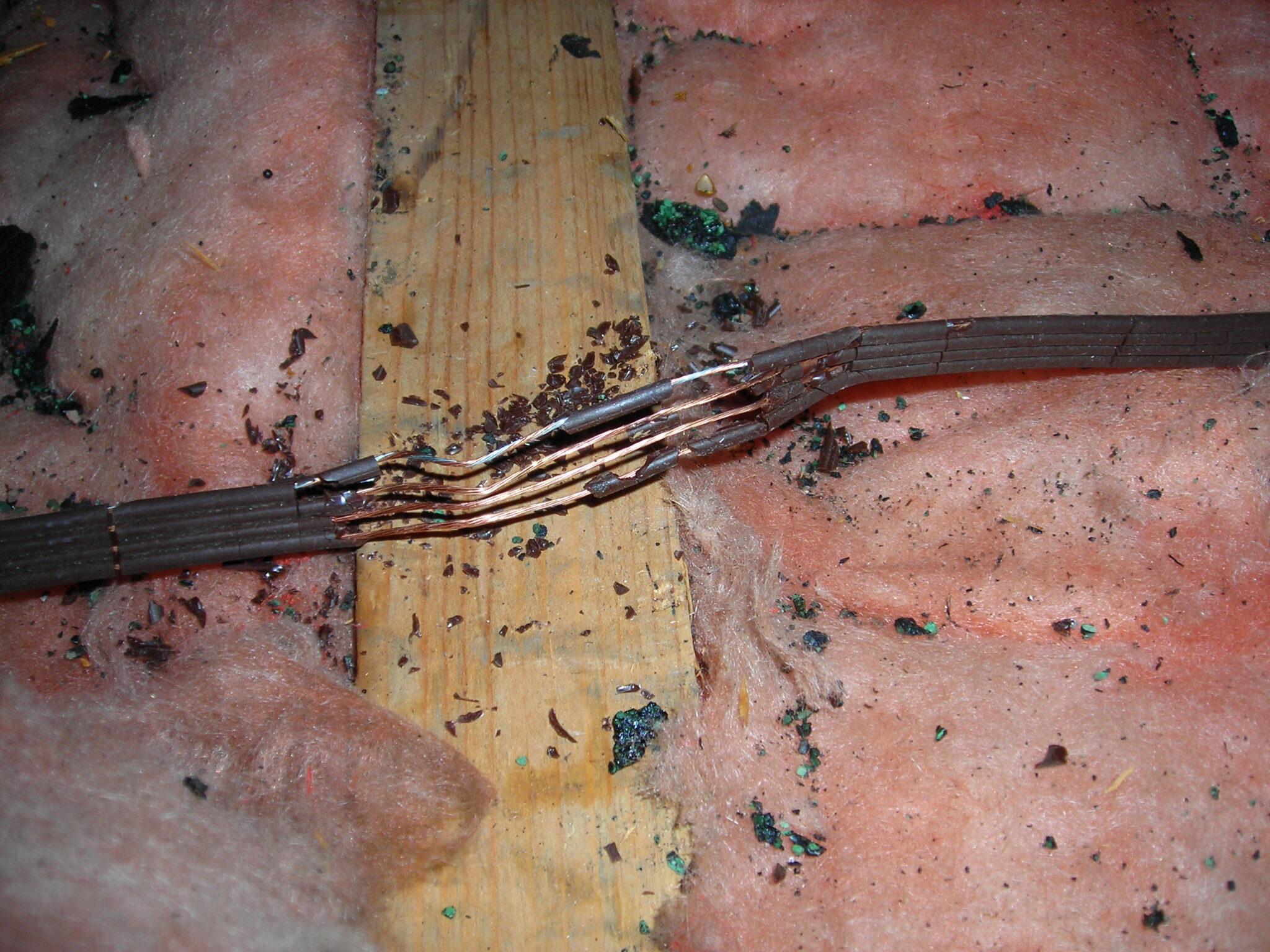
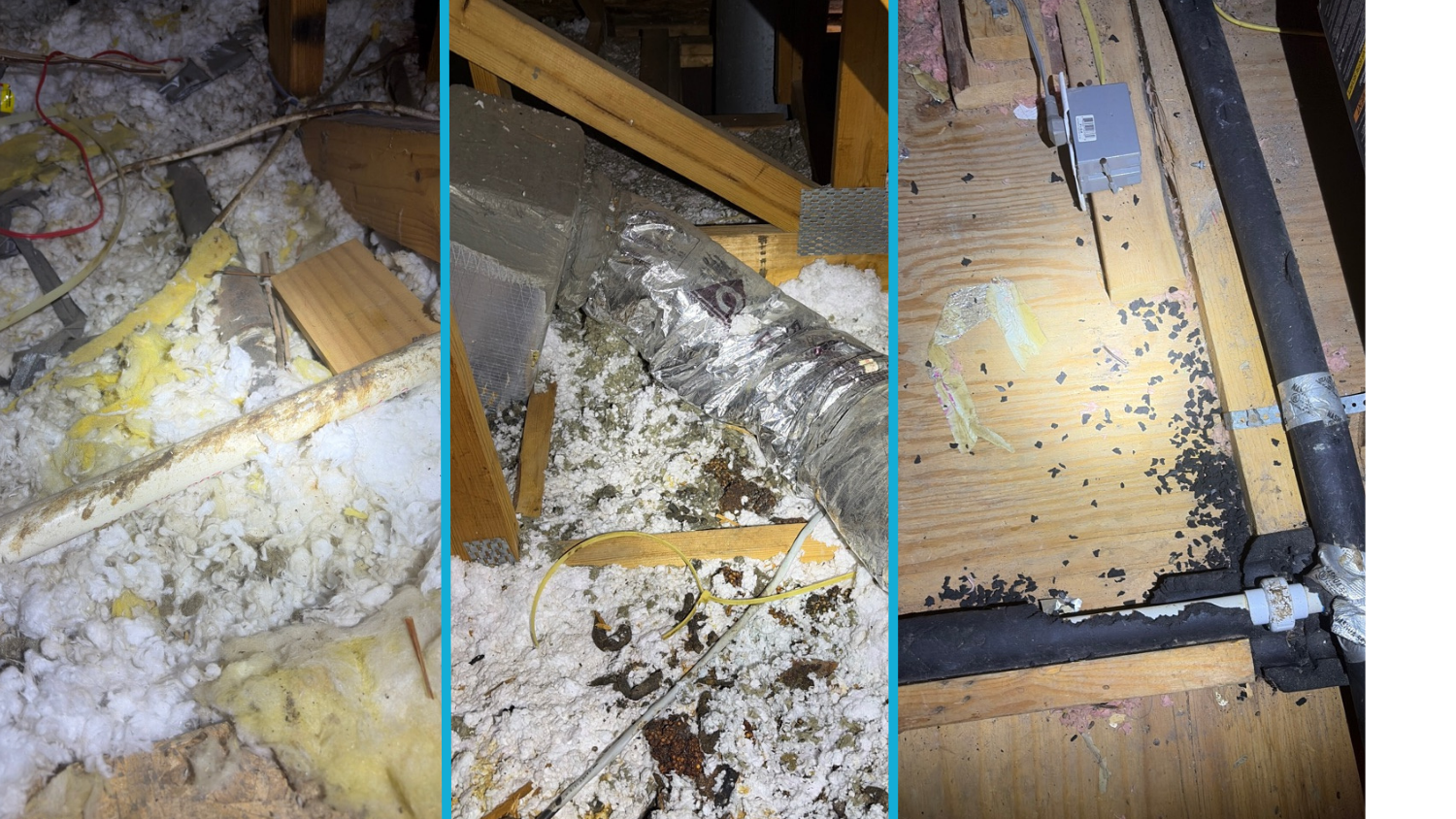
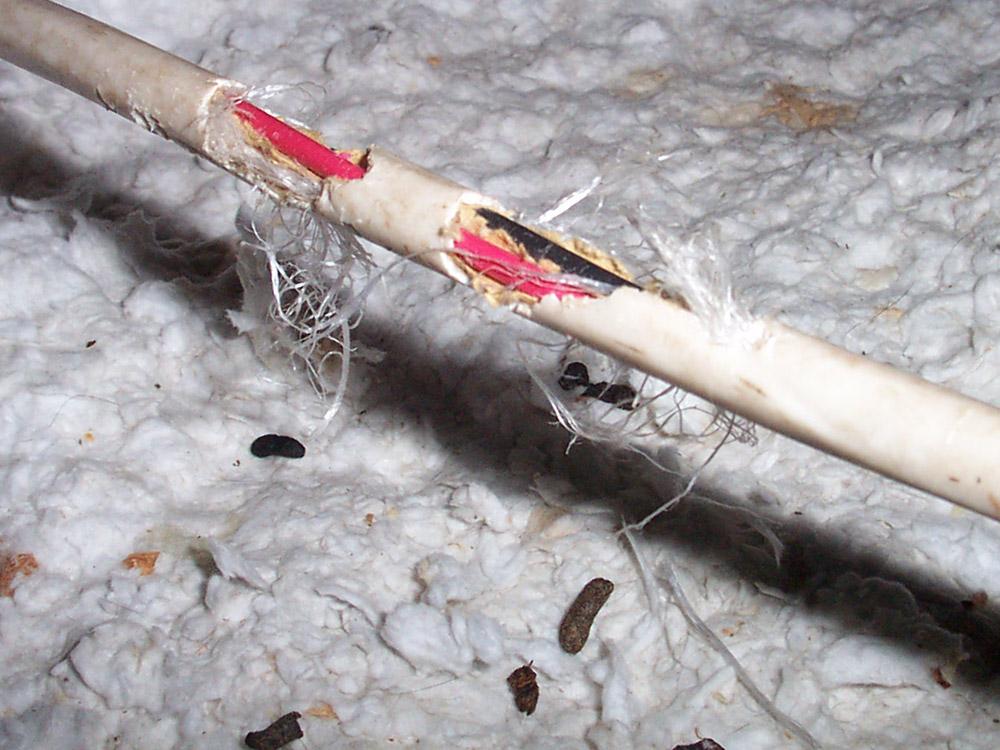
Rodents' teeth never stop growing. To keep them filed down, they chew constantly—on wood, insulation, plastic, and unfortunately, electrical wiring.
They don't know the difference between a tree branch and a copper wire. They just know they need to chew.
When rodents chew through the protective insulation around wires, they expose live electrical conductors. This creates several fire hazards:
Exposed wires can touch each other or nearby metal surfaces, causing electrical shorts. This generates heat and sparks—both of which can ignite surrounding materials like insulation, wood, or nesting material.
When electrical current jumps between exposed wires, it creates an arc—a burst of electricity that produces intense heat (up to 35,000°F). This is hot enough to ignite wood, drywall, or insulation instantly.
Damaged wiring can cause circuits to overheat, melting insulation and creating smoldering fires that spread slowly through walls or attics before being detected.
Most rodent damage happens in places you can't see—inside walls, above ceilings, and deep in attics.
This means:
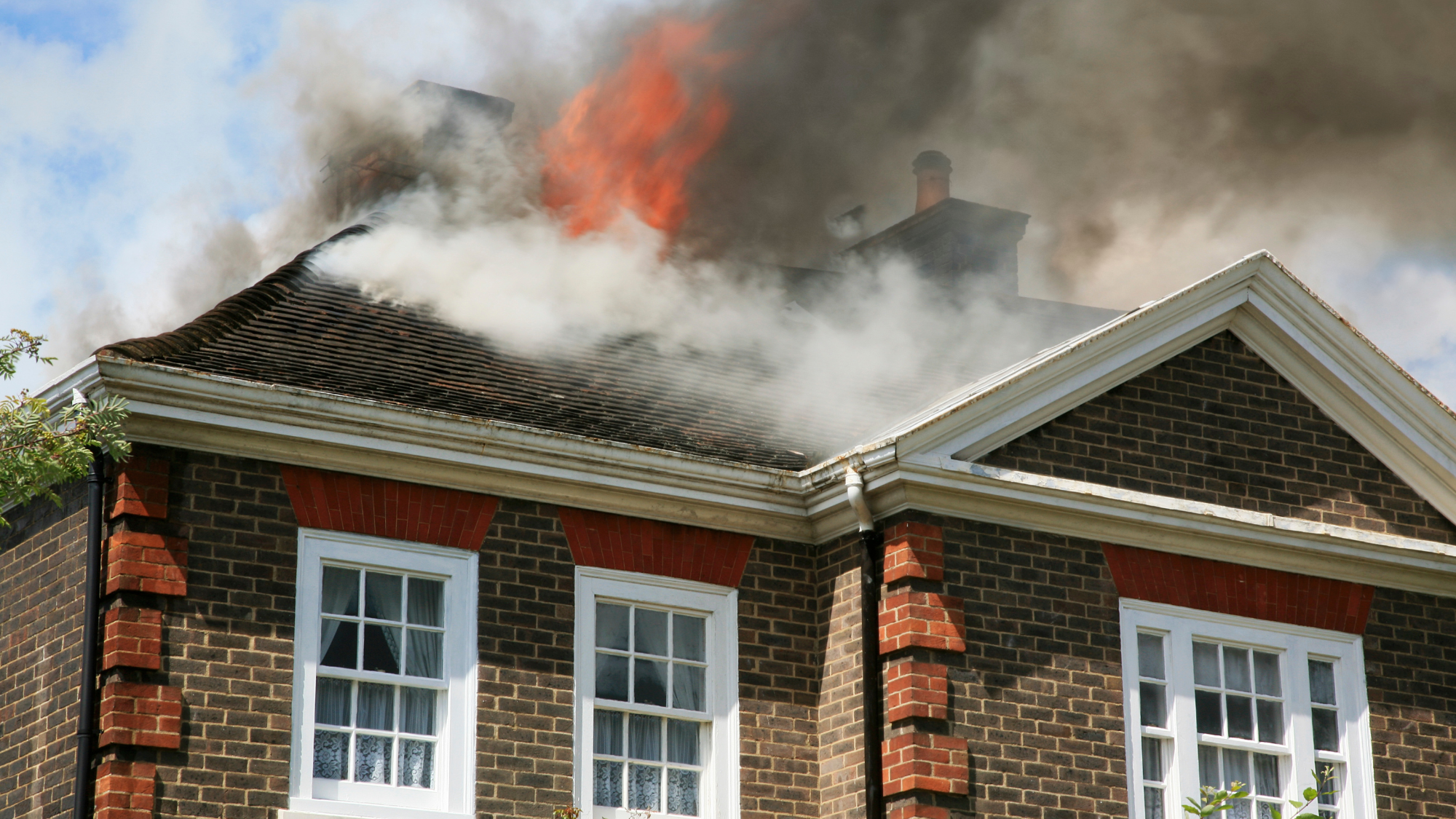
The scariest part? You might have no idea there's a problem until you smell smoke or see flames.
If you have rodents in your attic or walls, watch for these electrical warning signs:
🔴 Flickering lights (especially in one area of the house)
🔴 Circuit breakers tripping frequently for no obvious reason
🔴 Burning smells near outlets, switches, or in the attic
🔴 Scorch marks on outlets or switches
🔴 Dead outlets that suddenly stop working
🔴 Buzzing or crackling sounds from walls or ceiling
If you notice any of these, call an electrician immediately and have your attic inspected for rodent activity.
These aren't hypothetical scenarios. Here are real incidents:
San Antonio, TX (2022): A family woke up to smoke alarms at 2 AM. Fire investigators determined that rats in the attic chewed through wiring, causing a short circuit that ignited insulation. The fire caused $80,000 in damage.
Austin, TX (2021): A home caught fire while the family was on vacation. Investigators found evidence of extensive rodent activity in the attic and chewed wiring near the ignition point.
Houston, TX (2020): A house fire started in the attic during the night. The homeowners had been hearing scratching for months but hadn't addressed it. Rodents had chewed through multiple wires, causing arcing that ignited the attic insulation.
These homeowners all knew they had rodents. They just didn't realize how dangerous it was.
Rodents create fire hazards in other ways too:
Rodents build nests using shredded insulation, paper, leaves, and other highly flammable materials. If a fire starts nearby (from damaged wiring or other sources), these nests act as kindling and spread flames quickly.
In rare cases, rodents chew through plastic or rubber gas lines, creating gas leaks. If ignited, these can cause explosions.
Rodents sometimes build nests inside dryer vents or HVAC ducts, blocking airflow. This causes dryers and heating systems to overheat, increasing fire risk.
If you're hearing scratching, seeing droppings, or noticing electrical problems, don't wait.
Here's what you need to do:
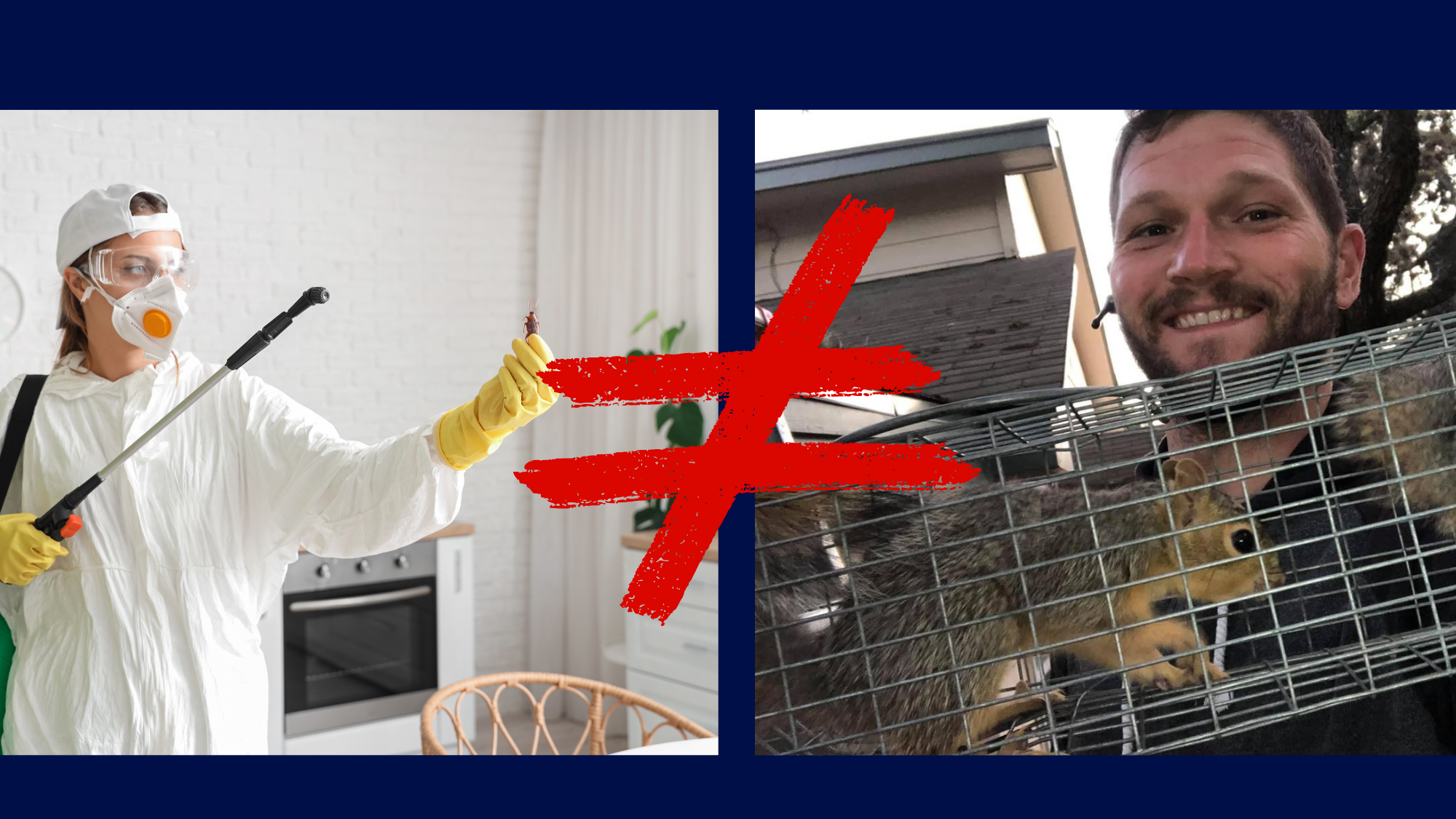
Call a wildlife specialist to inspect your attic and identify the extent of the rodent problem. We'll check for damage to wiring, insulation, and structure.
Trapping and removal should happen immediately. The longer rodents stay in your attic, the more damage they cause.
If rodents have been in your attic for weeks or months, have a licensed electrician inspect your attic wiring for damage. This might cost $200-500, but it's worth it to prevent a fire.
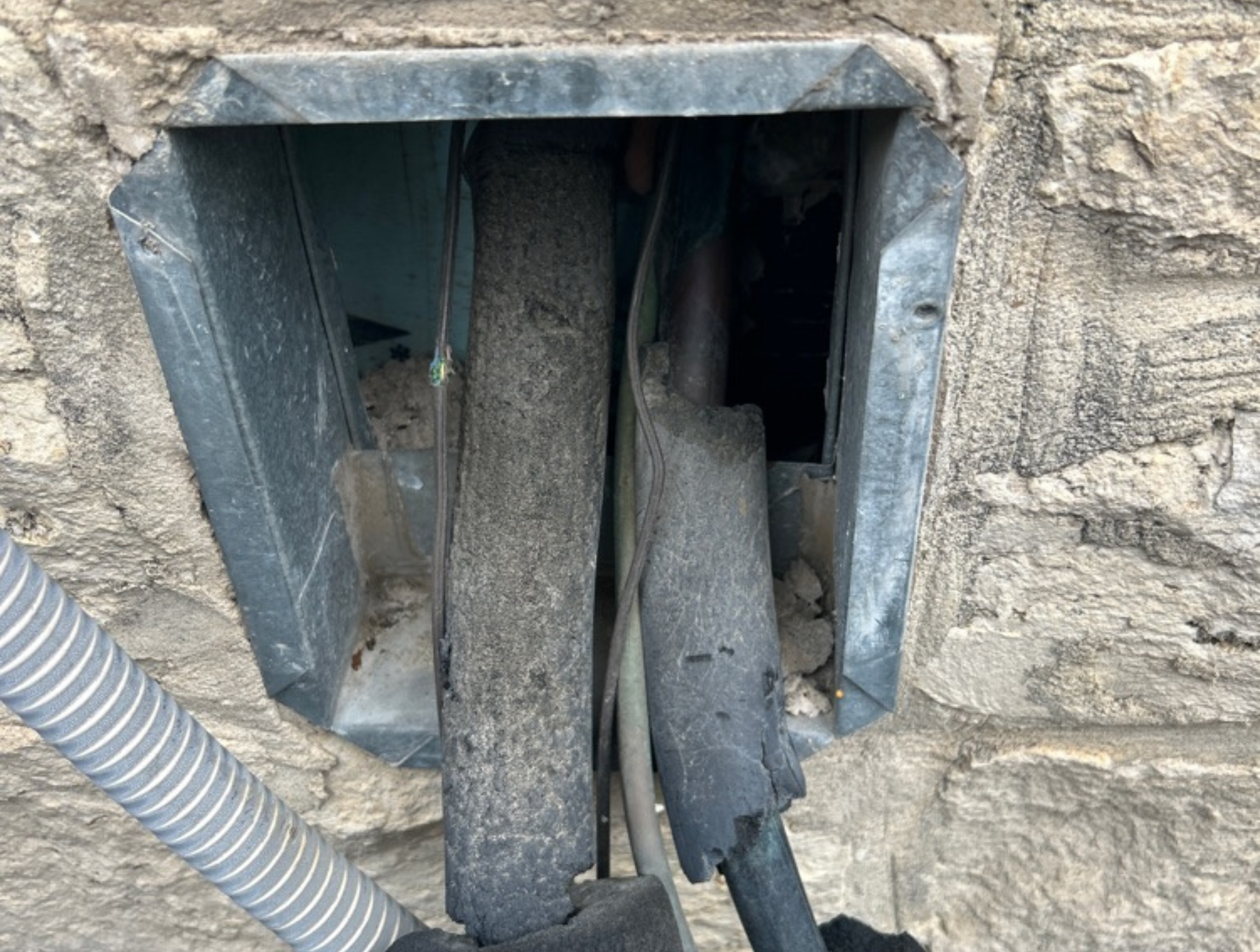
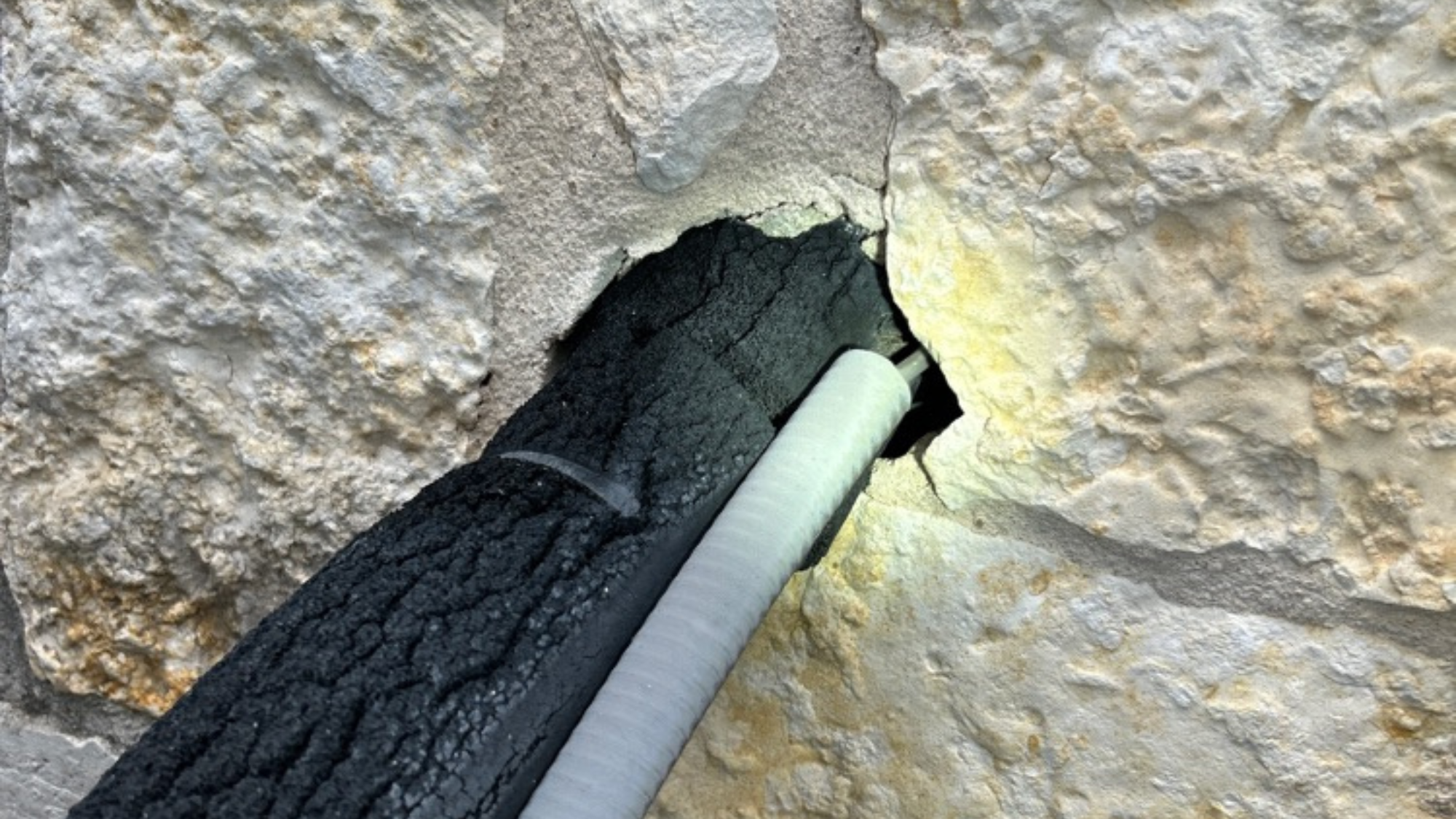
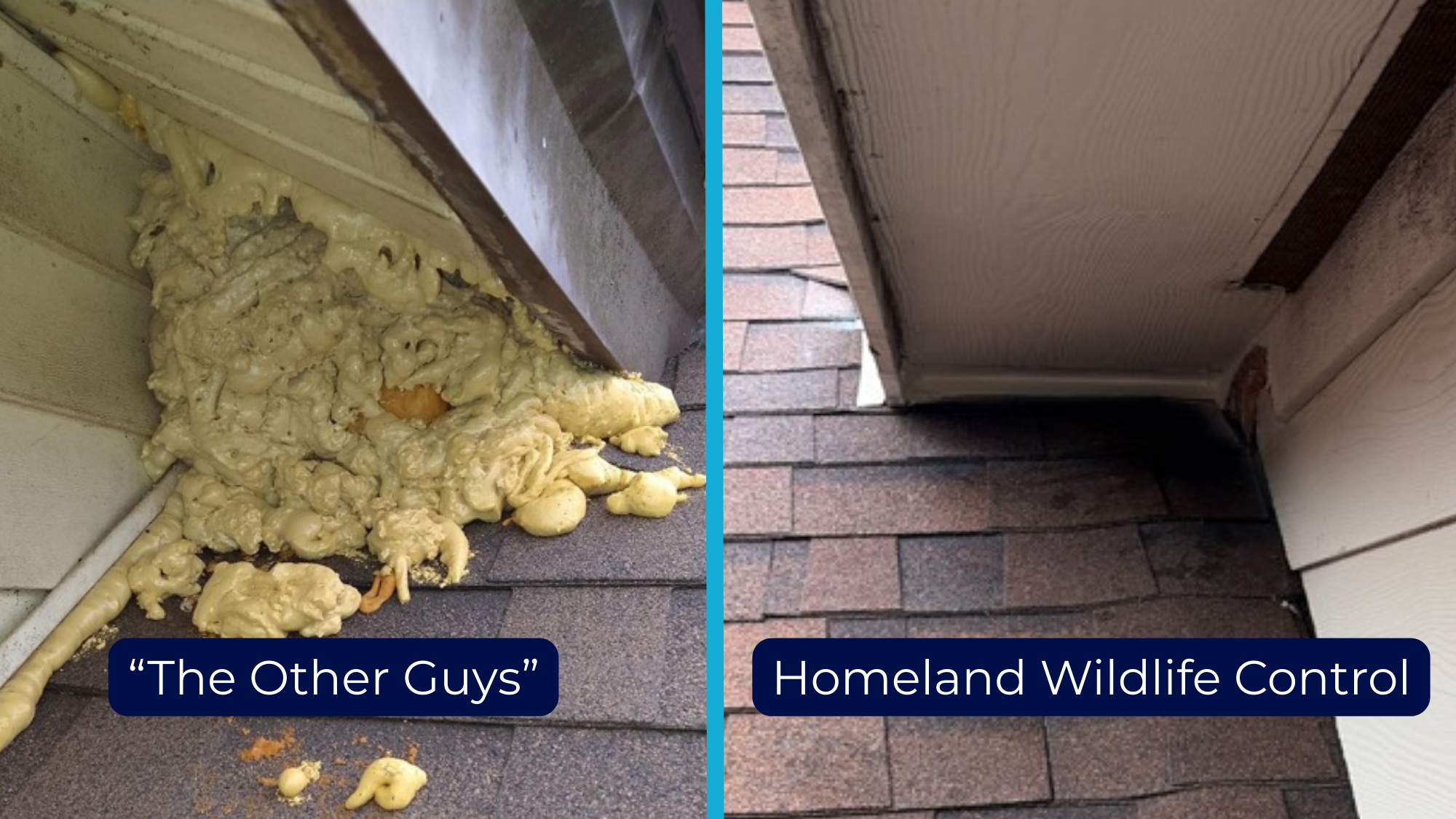
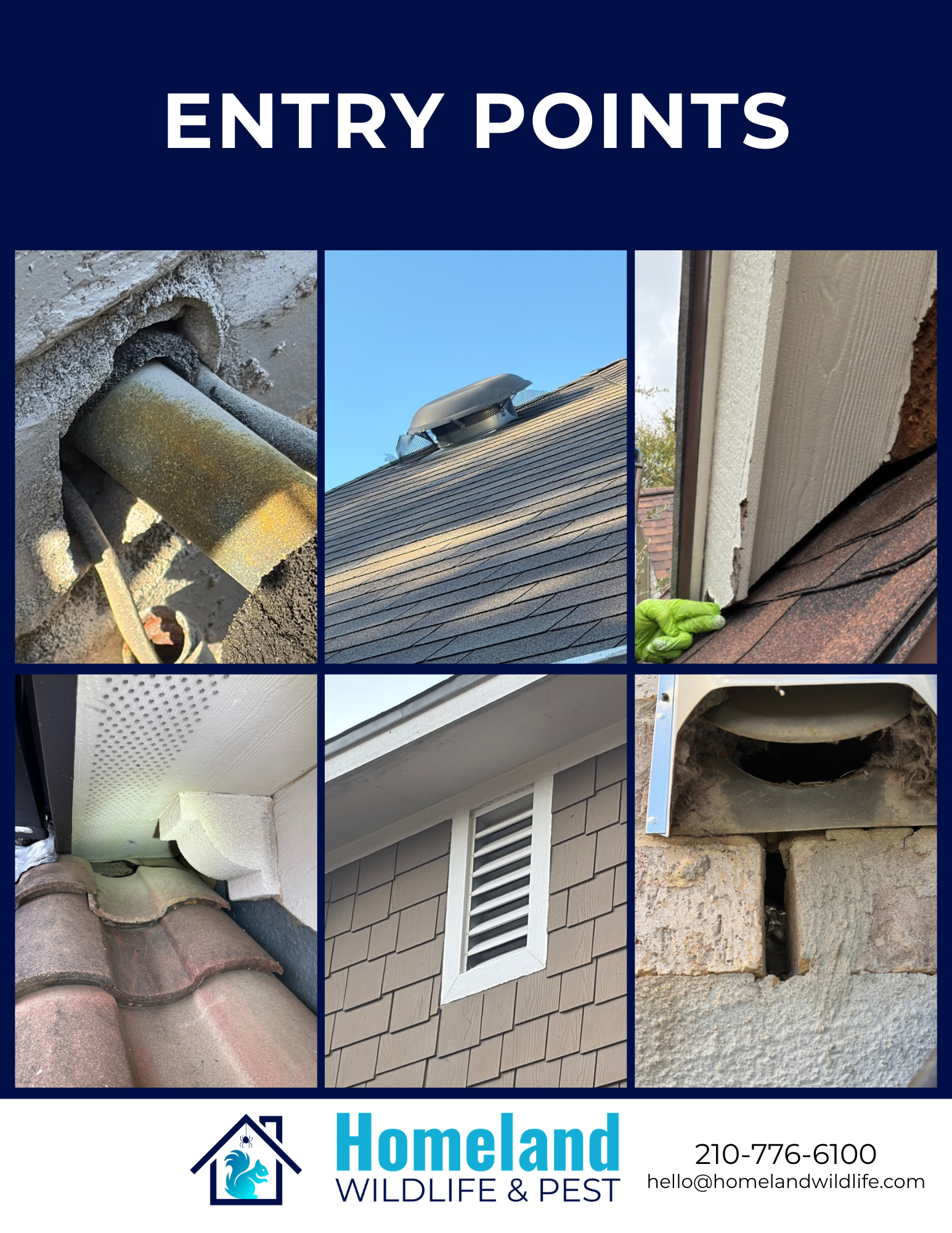
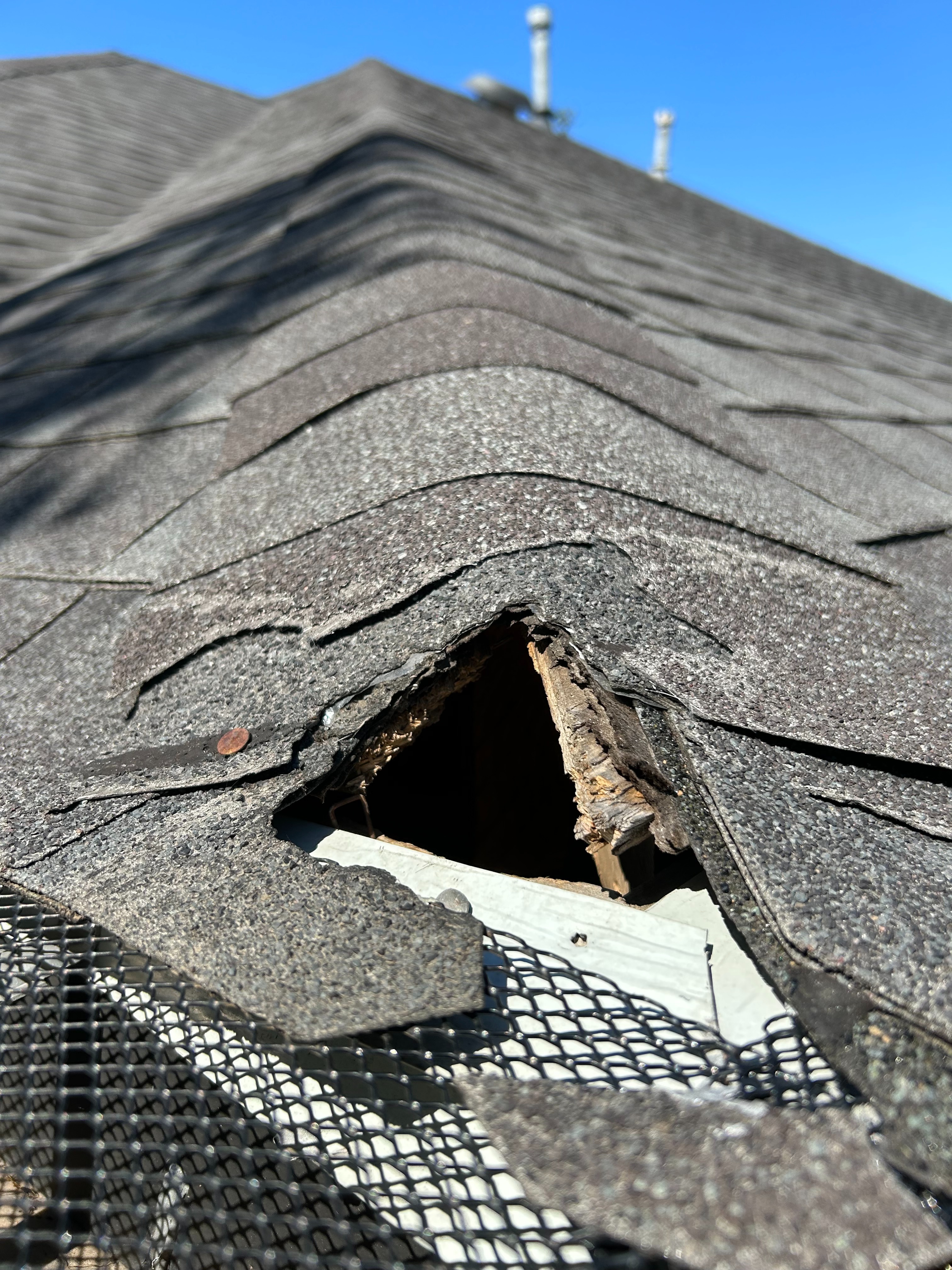
Removing rodents isn't enough—you have to seal every entry point so they can't return. We use steel and aluminum materials that rodents can't chew through.
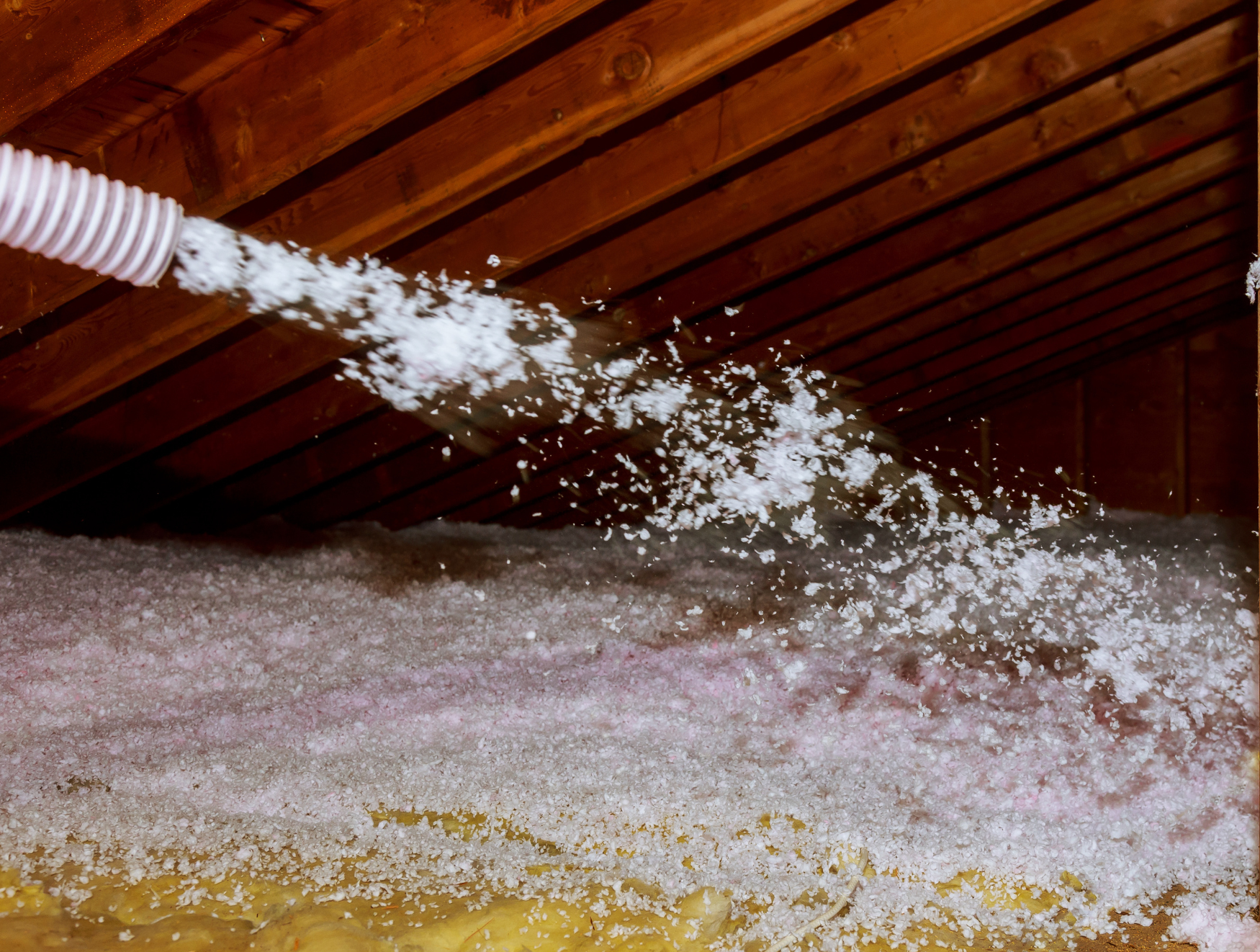
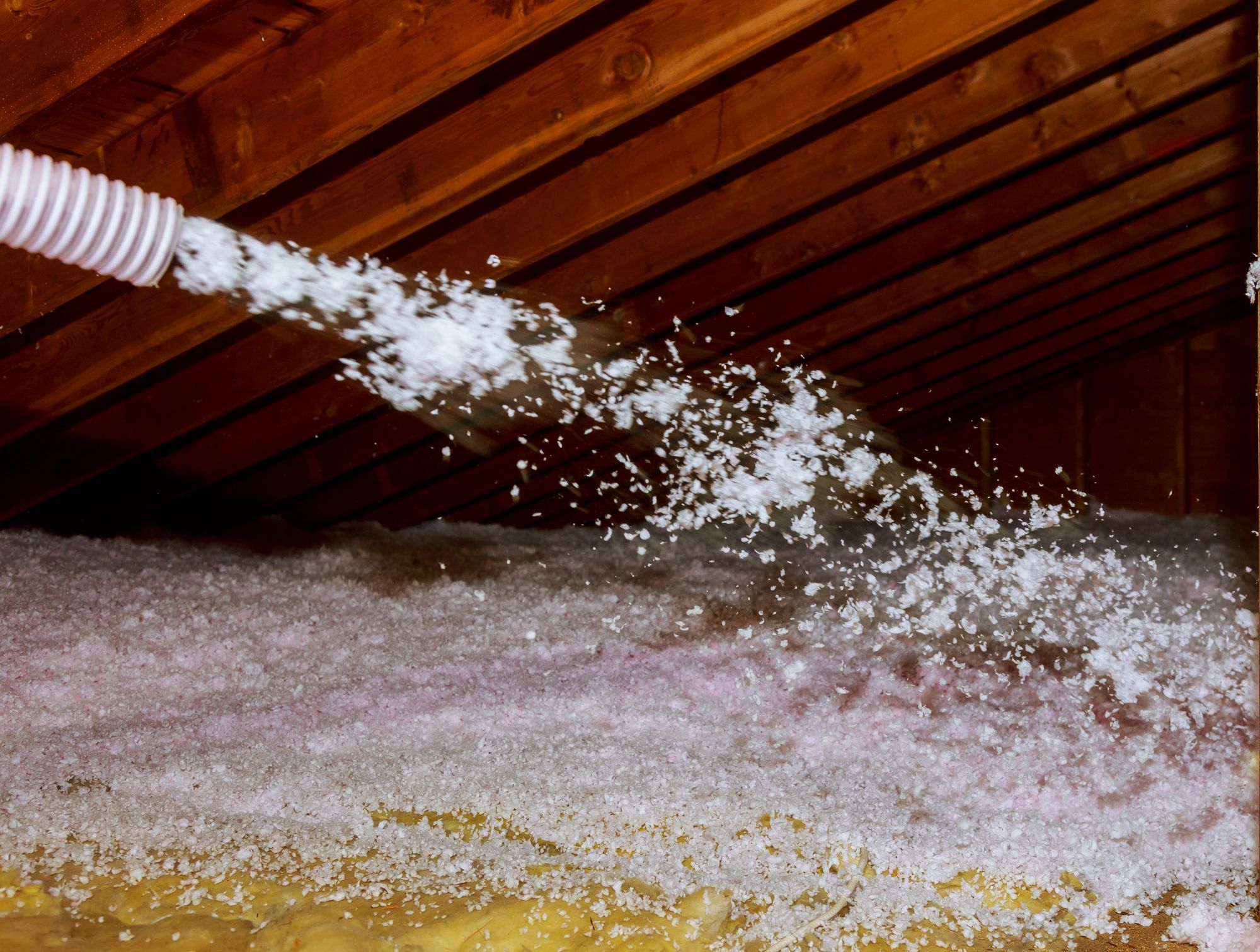
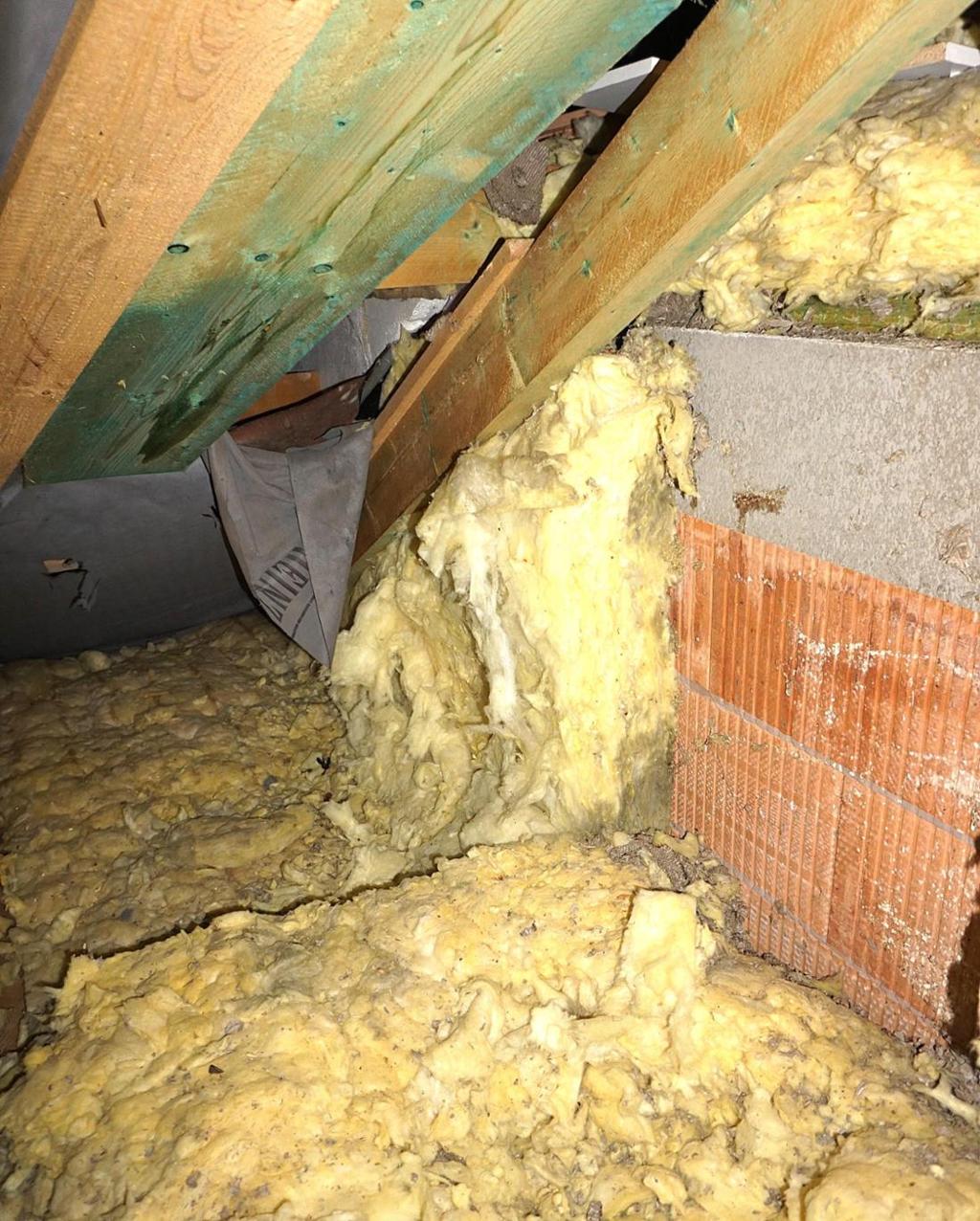
If insulation is damaged or contaminated, it should be removed and replaced. This eliminates fire hazards (shredded material) and health hazards (droppings and urine).
At Homeland Wildlife & Pest Control, we take fire safety seriously.
During every inspection, we:
We've seen the damage rodents cause firsthand—and we've helped homeowners avoid catastrophic fires by catching problems early.
If you're hearing rodents in your attic, it's not just an annoyance. It's a fire hazard.
Every day you wait is another day rodents are chewing—on insulation, wood, and potentially, your home's electrical wiring.
We offer free inspections. We'll check your attic, assess the risk, and provide honest recommendations.
Don't wait until you smell smoke. Call us today.
📞 210-776-6100
🌐 www.HomelandWildlife.com
Protect your home. Protect your family. Call now.

February 13, 2025
.png)
March 19, 2025

May 5, 2025
.png)
May 1, 2025
.png)
May 2, 2025

January 27, 2026
%20(6.8%20x%206.8%20in)%20(2).png)
July 10, 2026

.png)


.png)

.png)
.png)
.png)
.png)
.png)

.png)
.png)
.png)
.png)
.png)


.png)
.png)
.png)
.png)
.png)
.png)
.png)
.png)
.png)




.png)
.png)

%20(6.8%20x%206.8%20in)%20(1).png)
.webp)
.png)

.png)
.png)
.webp)