A blue calendar icon
January 27, 2026

NEW YEAR, NEW INVADERS: WHY JANUARY IS PRIME TIME FOR RODENT PROBLEMS IN SAN ANTONIO

NEW YEAR, NEW INVADERS: WHY JANUARY IS PRIME TIME FOR RODENT PROBLEMS IN SAN ANTONIO

Why Rodents Invade in January

1. They're Seeking Warmth

San Antonio winters are mild compared to the rest of the country, but nighttime temperatures still drop into the 30s and 40s. For rodents, that's cold enough to send them searching for shelter.

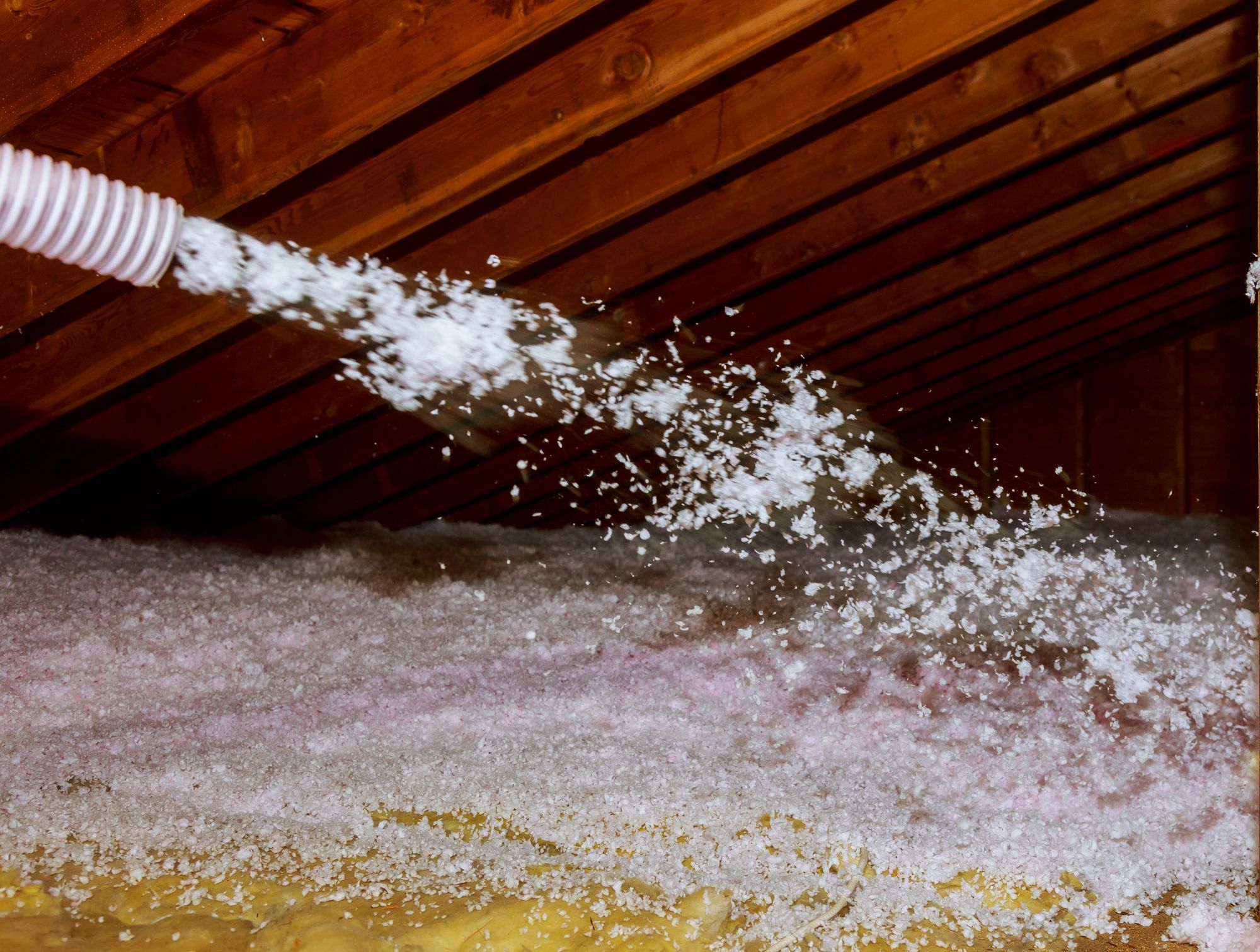
Your attic? It's warm, dry, and full of insulation they can nest in. It's the rodent equivalent of a luxury hotel.

Rats and mice don't hibernate. They stay active year-round, and when temperatures drop, they move indoors. Your home becomes their winter refuge.

2. Food Sources Dry Up Outdoors

In spring and summer, rodents have plenty of food options outdoors—seeds, insects, fallen fruit, garbage. By January, those food sources have largely disappeared.

Your home offers easy access to:

  • Pet food left in garages
  • Pantry items (cereals, grains, packaged goods)
  • Crumbs and food debris in kitchens
  • Trash bins

Once rodents find a reliable food source inside your home, they don't leave.

3. Breeding Season Begins

Rodents breed year-round, but activity spikes in late winter and early spring. A pregnant female rat will seek out a safe, warm nesting site—your attic—to have her babies.

Here's the scary part: one female rat can have 6-12 babies per litter, and she can have 5-6 litters per year. If you ignore scratching sounds in January, you could have 50+ rats by April.

4. Holiday Activity Creates Entry Points

Think about what happened at your home over the holidays:

  • Contractors installing Christmas lights
  • Roofers doing end-of-year repairs
  • Landscapers trimming trees
  • Garage doors left open for parties
  • Delivery drivers coming and going

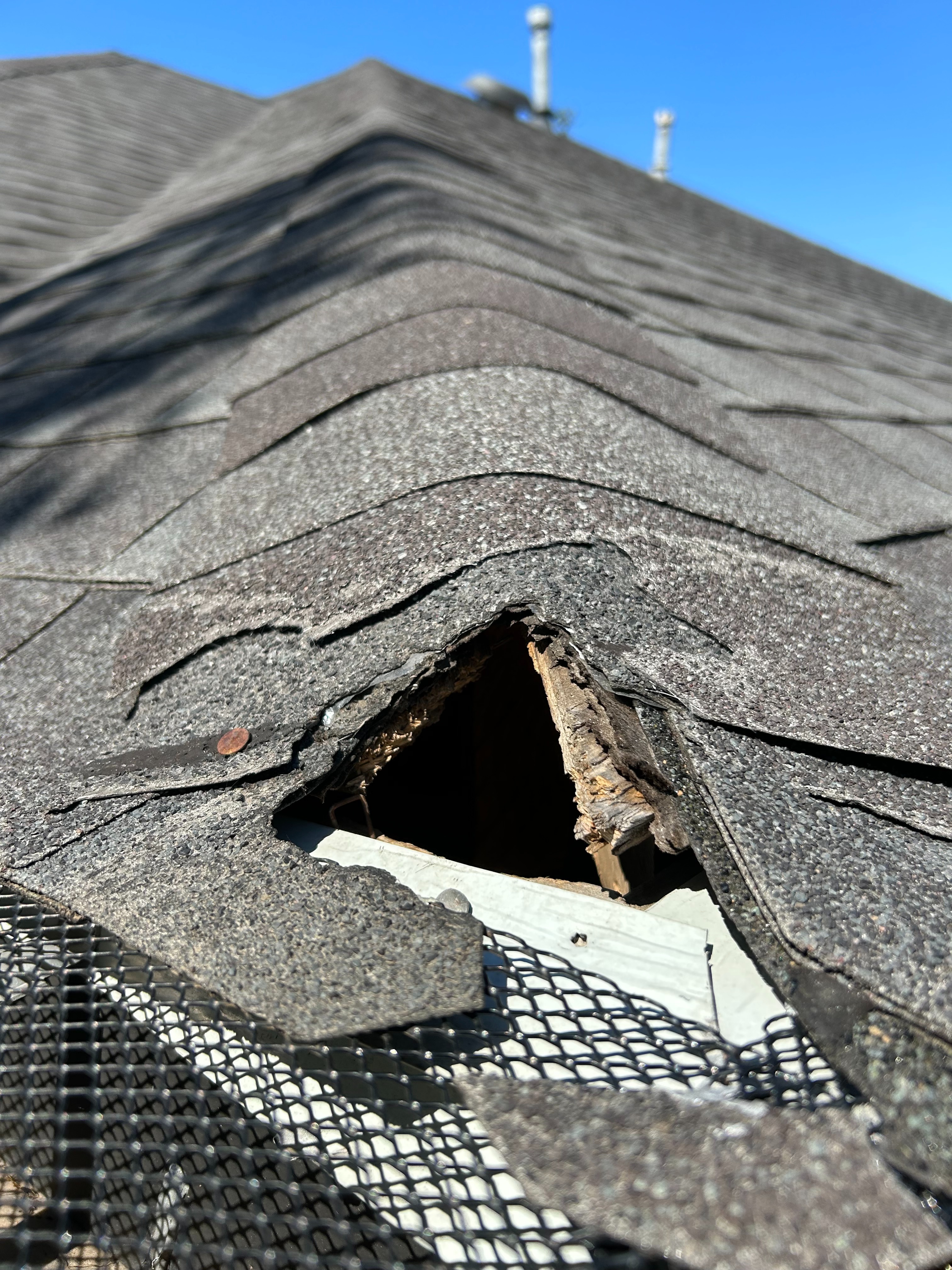
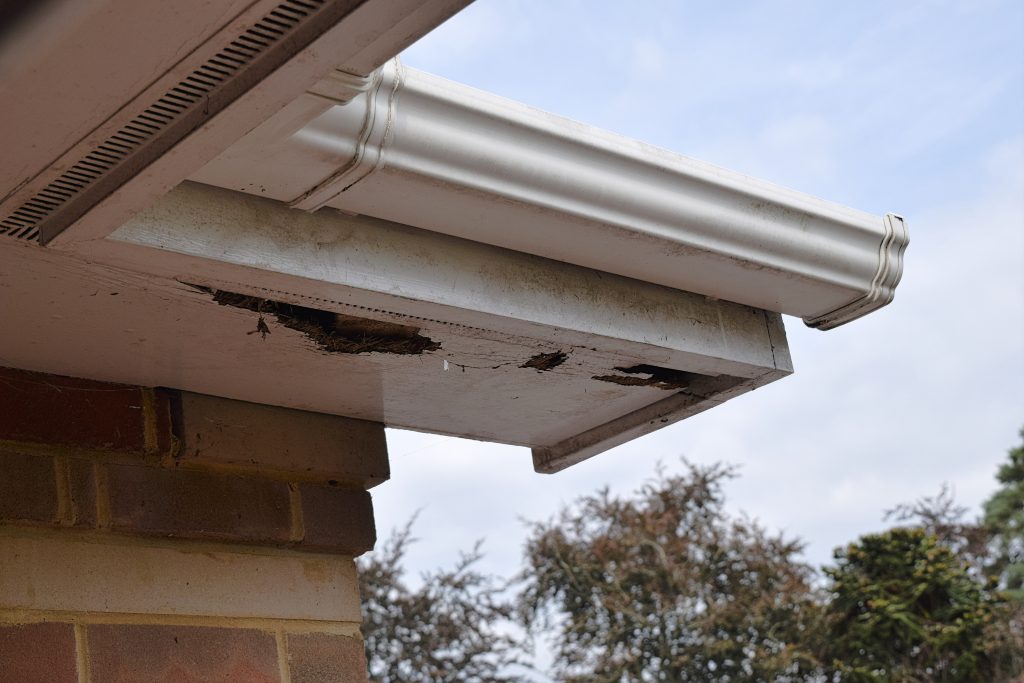
All of this activity can create or expose new entry points. A contractor drilling into your soffit for lights may leave a gap. A tree trimmer may expose a previously hidden roof return. Rodents are opportunistic—they find these openings fast.

How to Tell If You Have Rodents (Not Just Seasonal Noises)

San Antonio homes make noise. Settling, wind, branches—it's easy to convince yourself that scratching sound is "probably nothing."

Here's how to know if it's actually rodents:

Timing of the Sounds

  • Rats: Most active at dusk and dawn (6-8 PM and 5-7 AM). You'll hear running, scratching, and thumping.
  • Mice: Active throughout the night. Sounds are lighter and faster than rats.

If you hear scratching between 10 PM and 5 AM, it's almost certainly rodents.

Type of Sound

  • Scratching/gnawing: Rodents chewing on wood, wires, or insulation
  • Running/scurrying: Fast movement across attic floor or inside walls
  • Thumping: Rats jumping or fighting (they're surprisingly loud)

If the sound moves, it's not your house settling. It's wildlife.

Visual Evidence

Check your attic for:

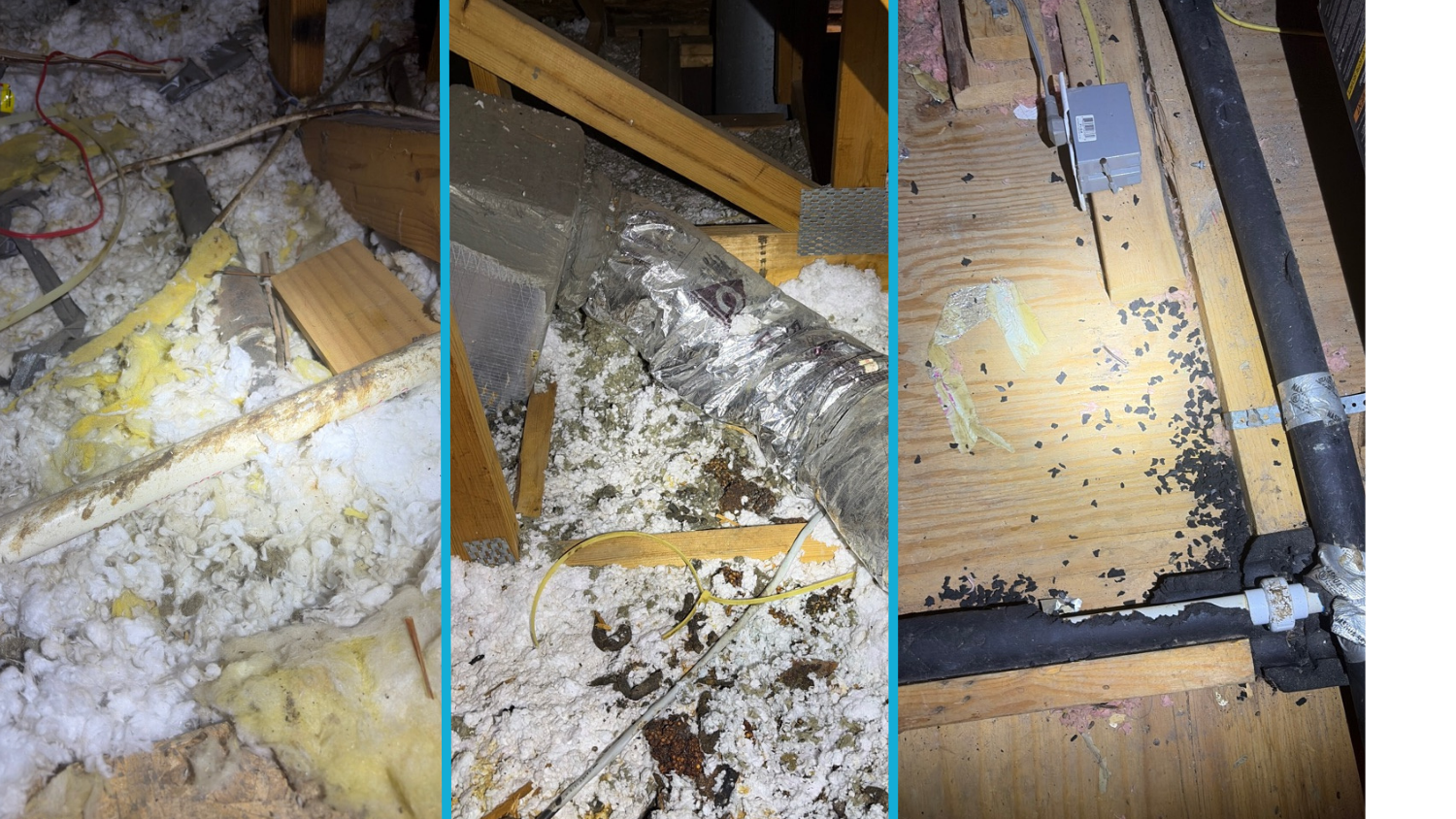
  • Droppings: Rat droppings are 1/2 to 3/4 inch long, dark, and pellet-shaped. Mouse droppings are smaller (1/4 inch) and more scattered.
  • Gnaw marks: Fresh chew marks on wood beams, wires, or plastic.
  • Grease marks: Rats leave dark smudge marks along walls and beams where they travel repeatedly.
  • Nesting material: Shredded insulation, paper, or fabric piled in corners.
  • Footprints: In dusty attics, you'll see tiny paw prints.

If you see any of these, you have an active infestation.

Smell

Rodent urine has a strong, musky ammonia smell. If your attic smells foul, you likely have a significant rodent population.

What Happens If You Ignore It

"It's just a few mice. I'll deal with it in spring."

We hear this every January. And every spring, those same homeowners call us back with a $6,000 problem.

Here's what happens if you wait:

Week 1-2: Minor Annoyance

  • 2-5 rodents in your attic
  • Occasional scratching sounds
  • Minimal damage
  • Cost to fix: $1,200-2,500

Month 1-2: Growing Problem

  • 10-20 rodents (they reproduce fast)
  • Daily scratching and running sounds
  • Chewed wires (fire hazard)
  • Contaminated insulation
  • Cost to fix: $3,000-5,000

Month 3-6: Full Infestation

  • 30-50+ rodents
  • Constant noise, foul smell
  • Destroyed insulation (needs full replacement)
  • Structural damage to beams and drywall
  • Electrical damage
  • Health hazard from droppings and urine
  • Cost to fix: $6,000-12,000

Every week you wait adds $200-500 to your final bill.

Why DIY Rodent Control Doesn't Work

Before you run to Home Depot for traps and poison, understand this: DIY rodent control fails 95% of the time.

Traps Don't Solve the Problem

You can catch 5 rats with traps. Great. But if you don't seal the entry points, 10 more rats will move in next week.

Traps address the symptom (rats inside), not the problem (rats getting in).

Poison Creates Bigger Problems

There's a myth that poisoned rodents will leave your house to find water and die outside.

This is completely false.

Rodents have plenty of moisture in your attic (condensation, AC ducts). When they eat poison, they die in your walls or attic—usually directly behind your bed.

Then you smell it. For weeks.

You Can't Find All the Entry Points

Rodents can fit through openings as small as 1/2 inch (about the size of a quarter). Your home has dozens of potential entry points:

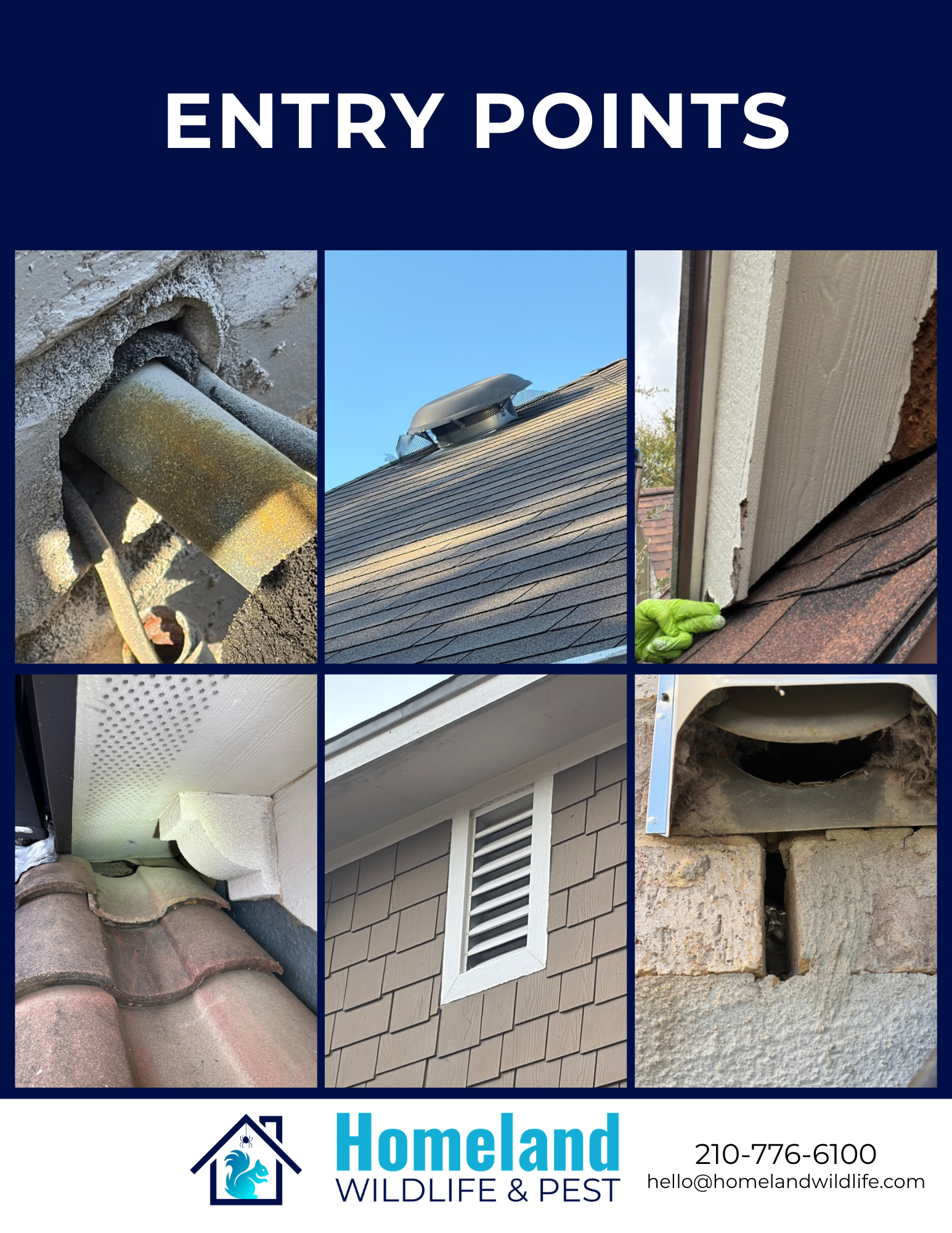
  • Roof returns
  • Soffit gaps
  • Foundation cracks
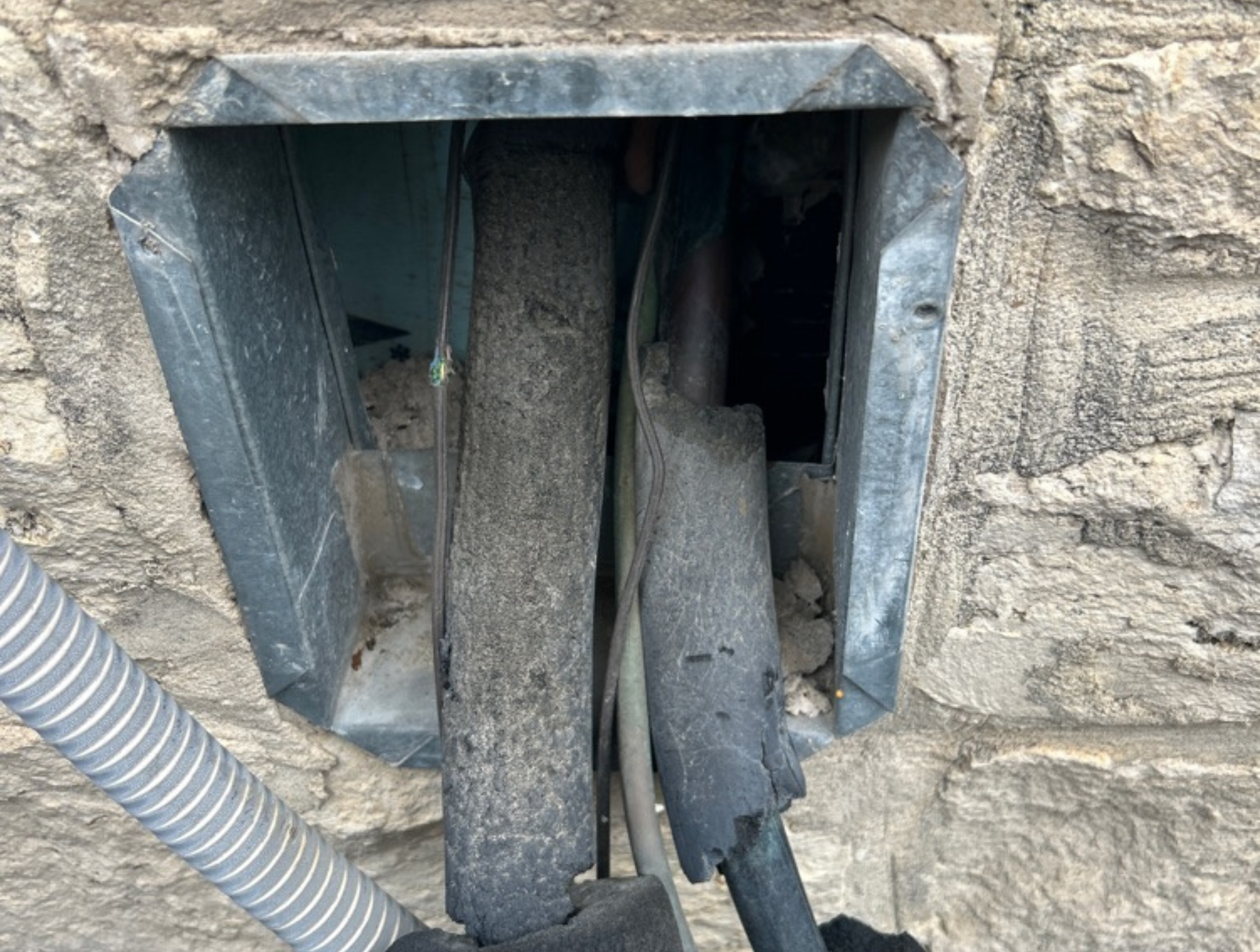
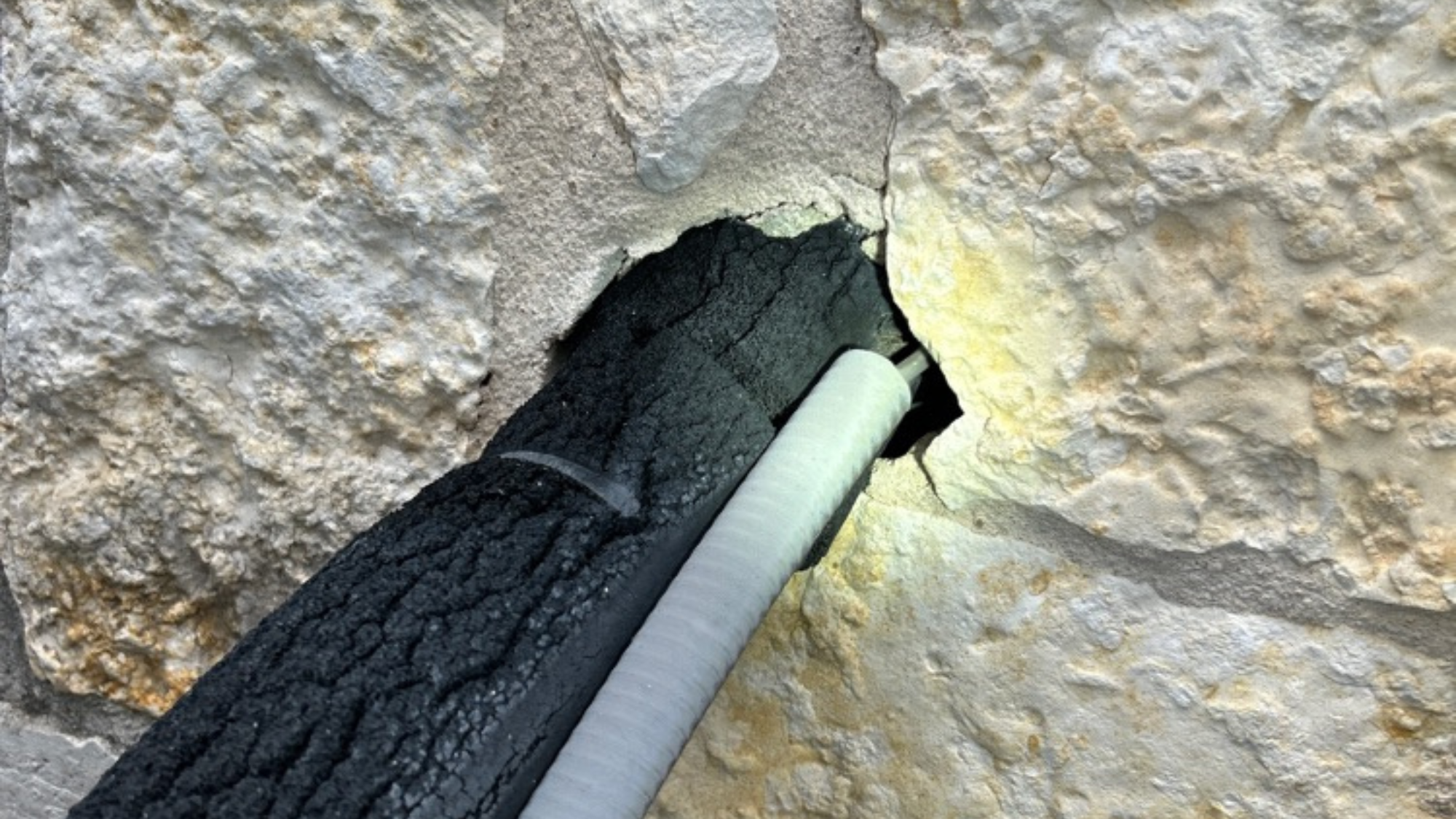
  • AC line penetrations
  • Garage door seals
  • Attic vents

Unless you know exactly what to look for, you'll miss most of them. And if you seal one entry point, rodents will just use another.

Professional exclusion seals EVERY entry point. DIY seals one or two and hopes for the best.

What You Should Do Right Now

If you're hearing scratching sounds in January, here's your action plan:

Step 1: Confirm You Have Rodents

  • Note the timing and type of sounds
  • Check your attic for droppings, nesting, or damage
  • Look for entry points on your roof and exterior

Step 2: Schedule a Professional Inspection

A professional wildlife inspection takes 30-45 minutes and identifies:

  • What type of rodents you have
  • How many entry points exist
  • How extensive the damage is
  • Exact cost to fix the problem permanently

Most inspections are free and give you a clear understanding of what you're dealing with.

Step 3: Act Fast

Rodent problems compound daily. The difference between acting in January vs. waiting until March can be $3,000-5,000.

The best time to fix a rodent problem is the day you hear the first scratch.

How Homeland Wildlife Solves Rodent Problems Permanently

We don't just trap rodents and leave. We solve the problem at the root.

Our Process:

1. Complete Inspection

  • Attic, roof, and exterior inspection
  • Identify all entry points (usually 8-15 per home)
  • Assess damage and contamination
  • Provide written quote

2. Exclusion Work

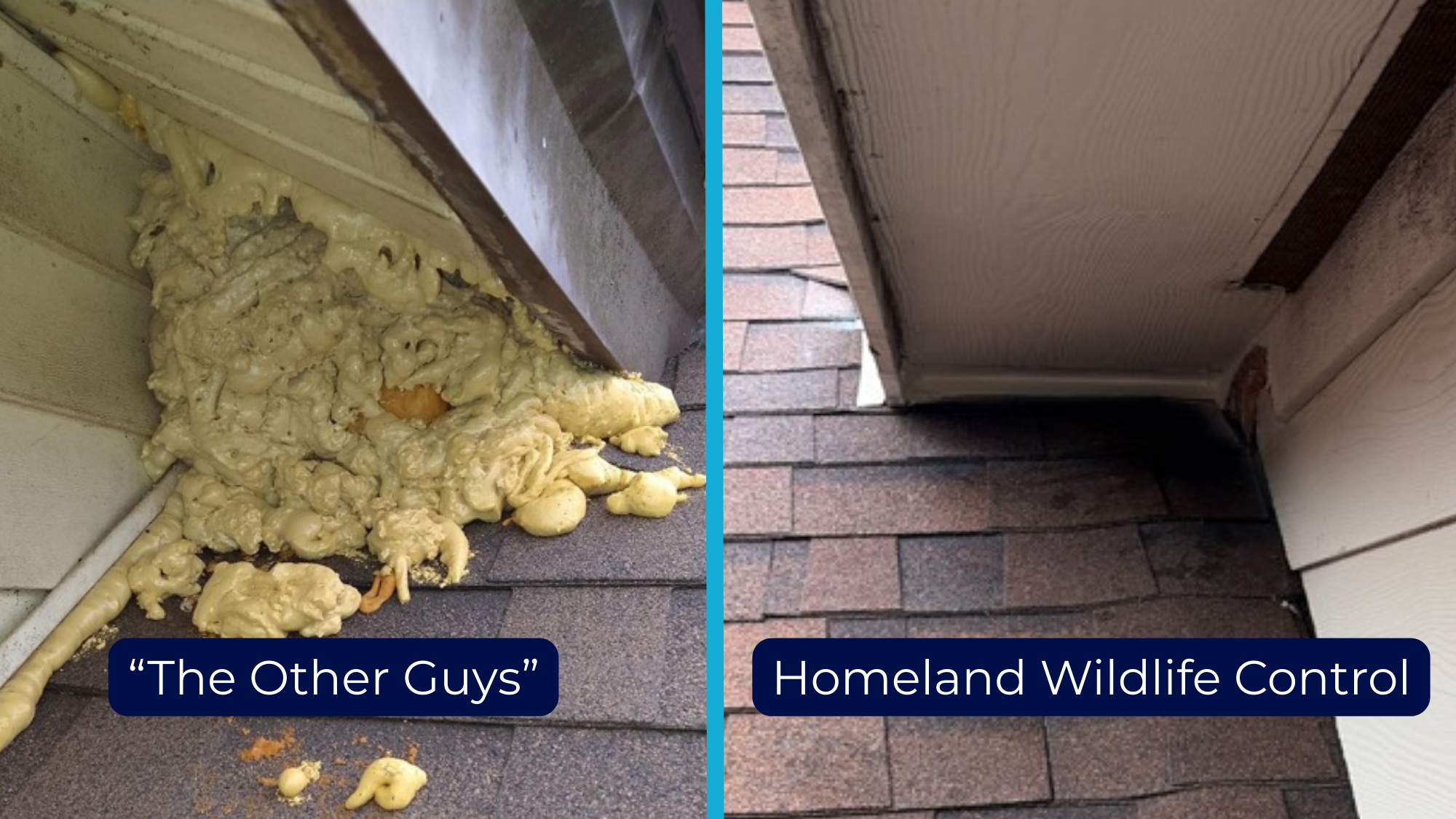
  • Seal every entry point with steel mesh and aluminum (not foam—rodents chew through foam in days)
  • Set traps in attic to catch rodents already inside
  • Install one-way doors if needed

3. Cleanup and Restoration

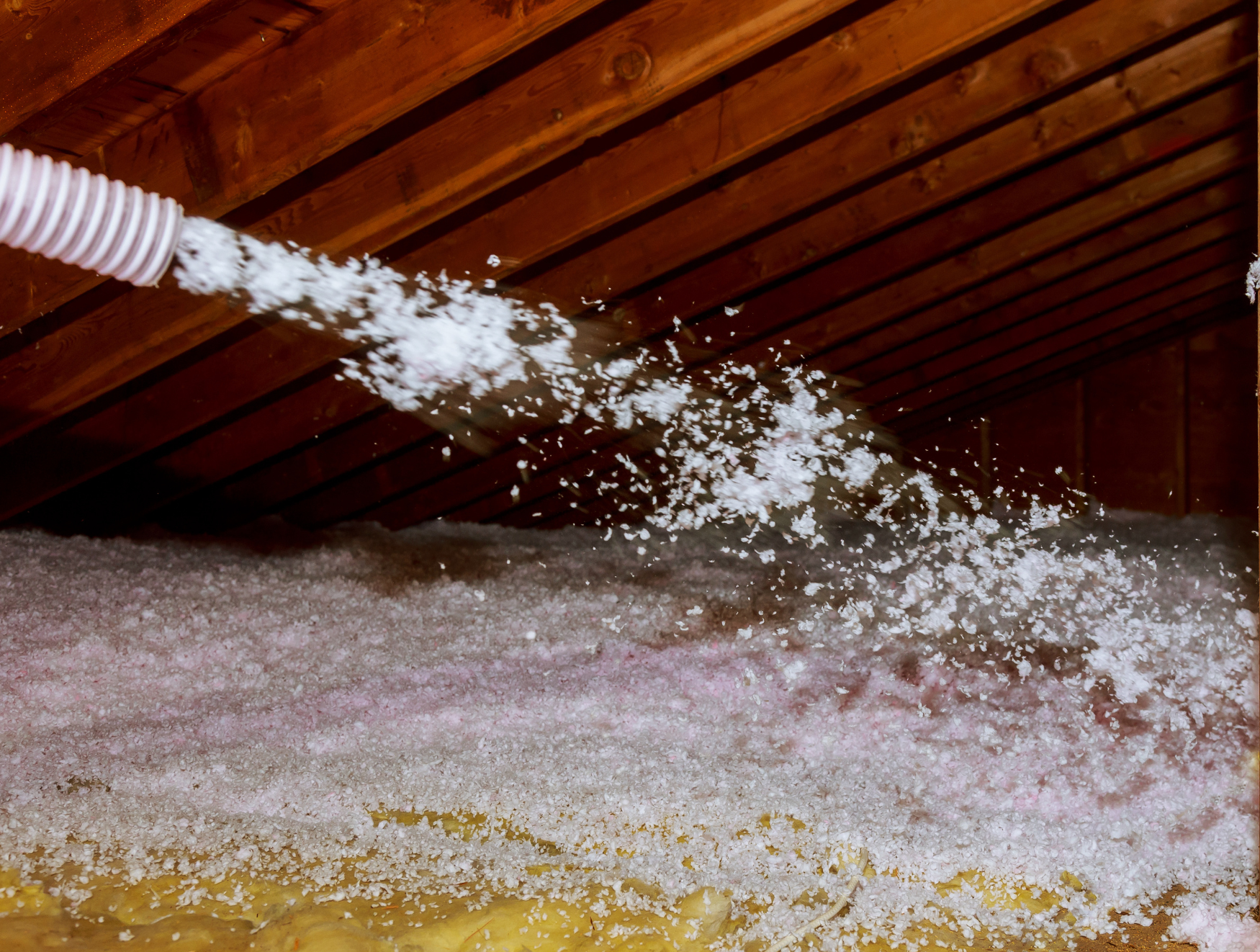
  • Remove contaminated insulation
  • Sanitize attic to eliminate bacteria and odor
  • Replace insulation to proper R-value

4. Lifetime Warranty

  • All work backed by renewable lifetime warranty
  • If rodents ever get back in through our seals, we fix it free

Most jobs are completed in 2-3 days. You'll never hear scratching again.

The Bottom Line

January isn't just the start of a new year—it's the start of peak rodent season in San Antonio.

If you're hearing scratching sounds, don't wait. Don't try DIY solutions. Don't convince yourself it's "just the house settling."

Call a professional, get an inspection, and fix it now before it becomes a $6,000 problem.

Your home. Your family. Your peace of mind.

Don't let rodents ruin your new year.

Hearing scratching in your attic? Call Homeland Wildlife & Pest Control at 210-776-6100 for a free inspection. We've been solving rodent problems permanently in San Antonio for 14 years.

PREVIOUS

no previous post

Back to all posts

NEXT

no Next post

Back to all posts

Recent Articles

The Hidden Dangers: How Critters, Rodents, and Pests Can Wreak Havoc in Your Attic and Home

February 13, 2025

Read more
Why Home Exclusion Services Are Essential for Keeping Critters Out

February 24, 2024

Read more
The Hidden Dangers of Wildlife in Your Home – And How to Stop It

March 7, 2025

Read more
Protecting Your Home with Humane Wildlife Removal & Exclusion

February 18, 2025

Read more
Common Wildlife Problems in San Antonio: What Homeowners Need to Know

February 4, 2025

Read more
Why Most Homes Are Vulnerable to Wildlife – And How to Fix It

February 27, 2025

Read more
The True Cost of Wildlife Damage – Why Waiting Could Cost You Thousands

March 4, 2025

Read more
Rodents in the Roof: How Squirrels, Rats & Mice Break In—And What You Can Do About It

March 19, 2025

Read more
Signs of Wildlife in Your Attic (And What to Do About It)

April 16, 2025

Read more
Why You're Still Seeing Bugs—Even After Pest Control Treatments

April 18, 2025

Read more
The Critical Difference Between Pest Control and Wildlife Control

April 21, 2025

Read more
How to Keep Scorpions Out of Your Home – San Antonio’s Guide to Scorpion Control

May 5, 2025

Read more
The Buzz on Mosquitoes: How to Reclaim Your Yard from These Tiny Terrors

May 15, 2025

Read more
Baby Season is Here — What That Means for Your Attic

May 16, 2025

Read more
Why Your Attic Might Be the Most Dangerous Room in Your House (and What You Can Do About It)

May 1, 2025

Read more
Don’t Let Pests Take Over: Why Routine Pest Control is Essential for Texas Homes

May 2, 2025

Read more
The Sounds in Your Attic: What They Really Mean

May 19, 2025

Read more
Meet the Mexican Free-Tailed Bat — San Antonio’s Winged Wonder

May 22, 2025

Read more
Raccoons in Your Attic? Here’s What Every San Antonio Homeowner Needs to Know

May 23, 2025

Read more
Why You’re Still Seeing Ants in Your Kitchen (Even After You Spray)

May 27, 2025

Read more
The Life of a Texas Scorpion: What They’re Really Doing in Your Garage

May 28, 2025

Read more
The Secret Life of the Armadillo: Texas’s Backyard Digging Machine

May 30, 2025

Read more
Why Raccoons Love Your Soffits (and How to Block Them)

May 29, 2025

Read more
What Are Dirt Daubers (And Should You Be Concerned?)

June 4, 2025

Read more
What’s the Difference Between a Rat and a Mouse?

June 11, 2025

Read more
What Attracts Scorpions to My Home?

June 26, 2025

Read more
What’s the Difference Between a Squirrel and a Rat Nest?

June 27, 2025

Read more
Why Do Skunks Dig Under Homes and Decks?

June 30, 2025

Read more
Why Are Squirrels Chewing Through Your Roof?

July 10, 2025

Read more
What Are Roof Returns (And Why Do Animals Use Them to Break In?)

August 12, 2025

Read more
The Hidden Flaw in Mushroom Vents

September 10, 2025

Read more
Why AC Chase Entry Points Attract Critters

September 17, 2025

Read more
The Trouble With Garage Door Gaps

September 15, 2025

Read more
The Hidden Danger in Contaminated Attic Insulation

October 9, 2025

Read more
October Visitors You Weren't Expecting

October 16, 2025

Read more
Homeowner Money-Saving Tips

October 23, 2025

Read more
Fall Is Here — and So Are the Critters

November 18, 2025

Read more
The Most Overlooked Entry Point in Your Home

December 5, 2025

Read more
Why Your Attic Insulation Matters More Than You Think

December 9, 2025

Read more
How to Keep Wildlife Out of Your Home This Holiday Season

December 17, 2025

Read more
Why "The Other Guy's" Wildlife Work Always Fails

December 22, 2025

Read more
The Hidden Cost of Rodents in Your Attic

December 29, 2025

Read more
Should You Hire a Pest Control Company or a Wildlife Specialist?

January 7, 2026

Read more
What Happens During a Wildlife Inspection?

January 15, 2026

Read more
Can Wildlife Really Cause House Fires?

January 20, 2026

Read more
NEW YEAR, NEW INVADERS: WHY JANUARY IS PRIME TIME FOR RODENT PROBLEMS IN SAN ANTONIO

January 27, 2026

Read more
NEW YEAR, NEW INVADERS: WHY JANUARY IS PRIME TIME FOR RODENT PROBLEMS IN SAN ANTONIO

January 27, 2026

Read more
Can Wildlife Really Cause House Fires?

January 20, 2026

Read more
What Happens During a Wildlife Inspection?

January 15, 2026

Read more