A blue calendar icon
January 15, 2026

What Happens During a Wildlife Inspection?

What Happens During a Wildlife Inspection?

What a Real Wildlife Inspection Looks Like

A proper wildlife inspection isn't a quick walkthrough. It's a comprehensive evaluation of every potential entry point and vulnerability on your property.

Here's our step-by-step process:

Step 1: Exterior Roofline Inspection

We start by walking the entire perimeter of your home, examining the roofline from every angle.

What we're looking for:

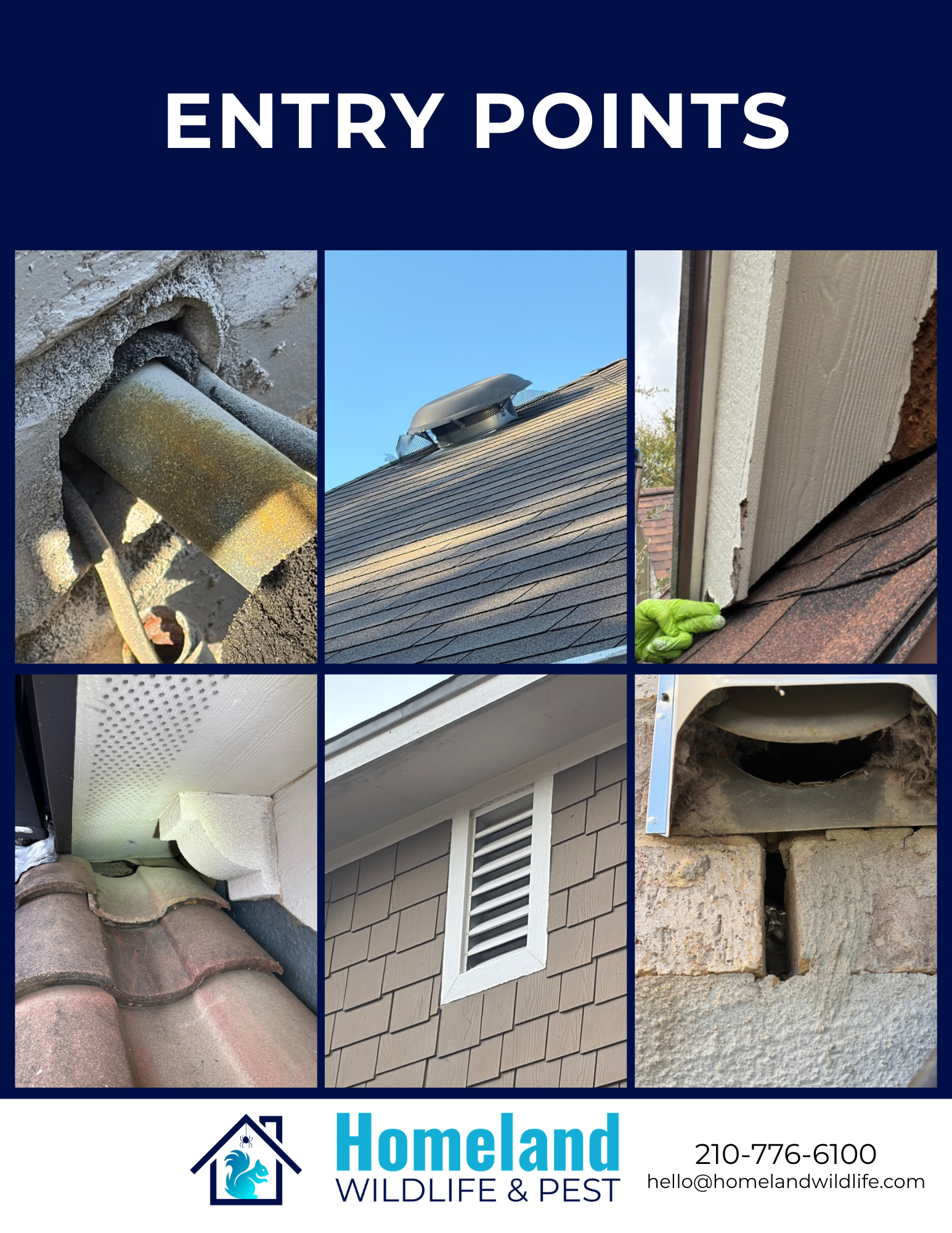
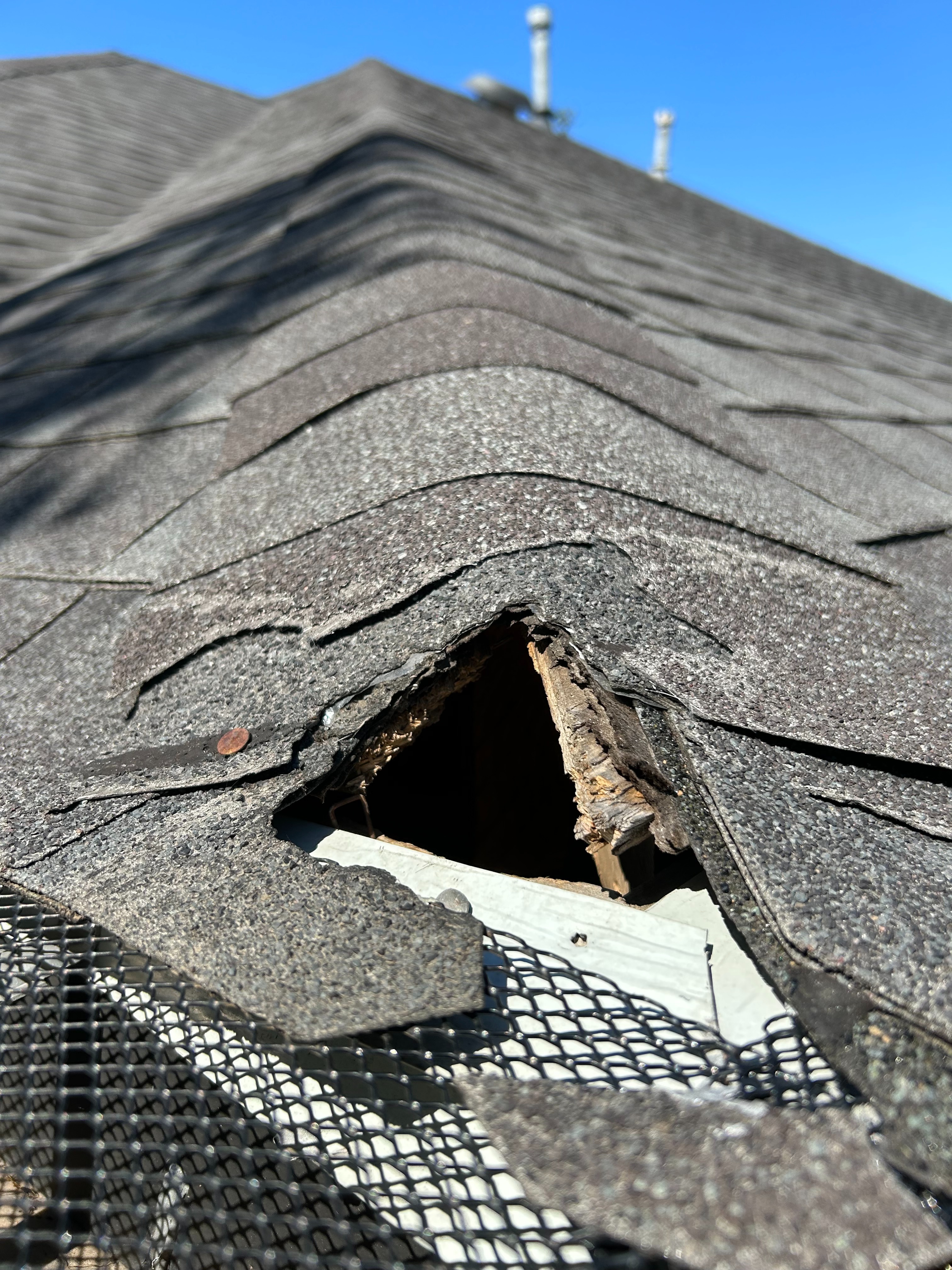
  • Roof returns: Gaps between trim and structure (the #1 entry point for squirrels and rats)
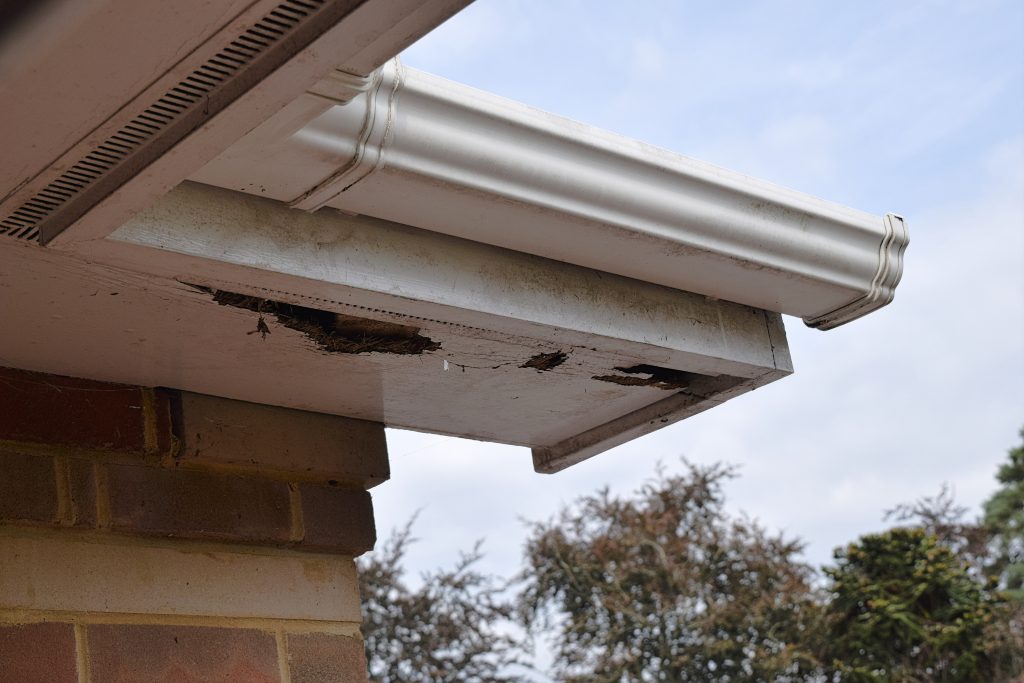
  • Soffit and fascia damage: Loose, rotted, or missing sections
  • Attic vents: Damaged screens or missing covers
  • Roof valleys: Hidden gaps where rooflines meet
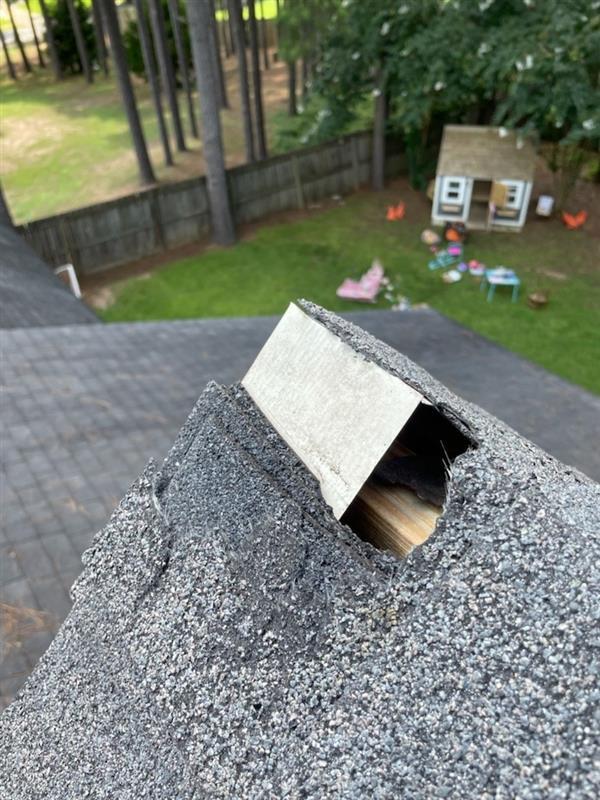
  • Chimney caps: Missing or damaged caps that allow animals in
  • Dryer vents: Damaged or missing vent covers
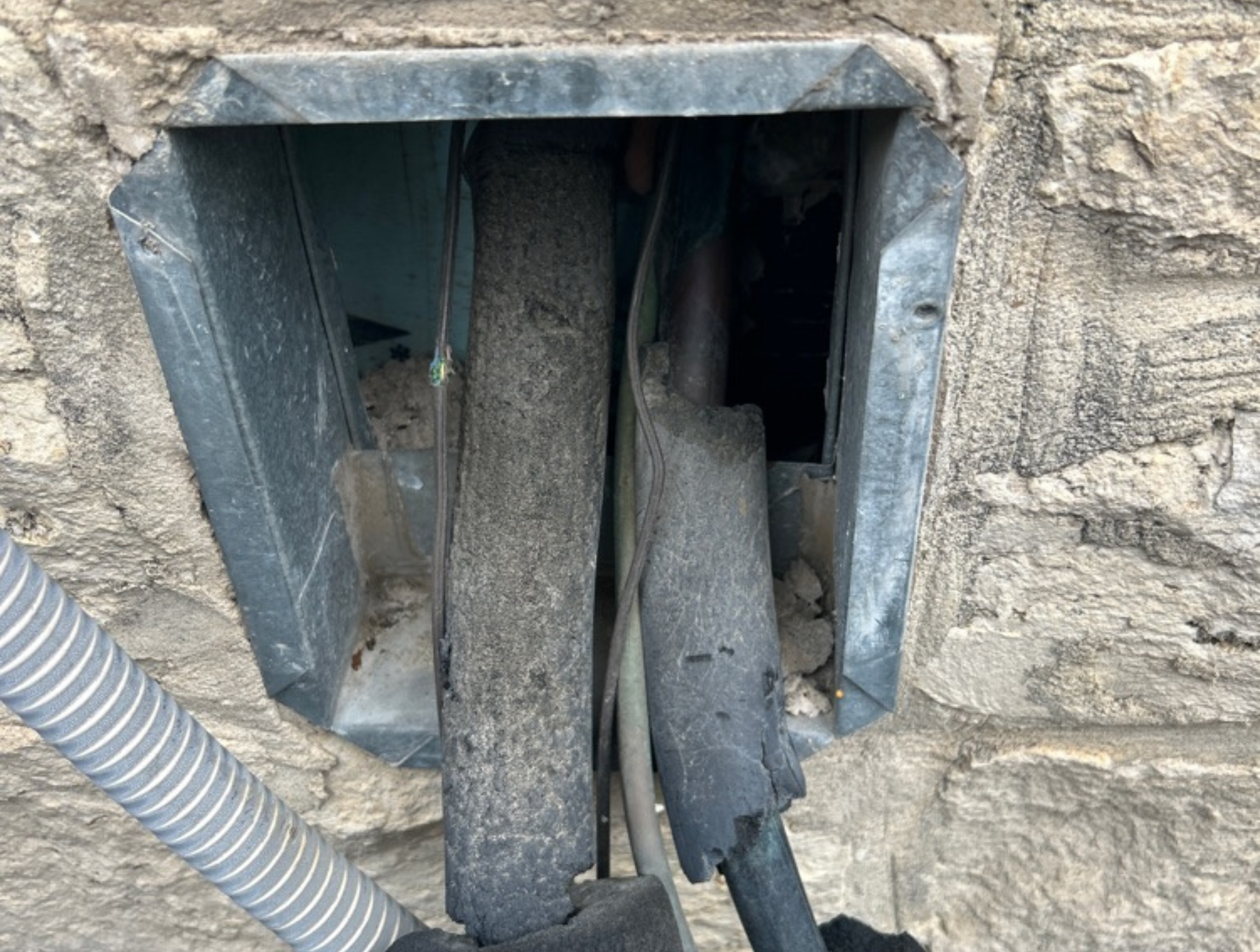
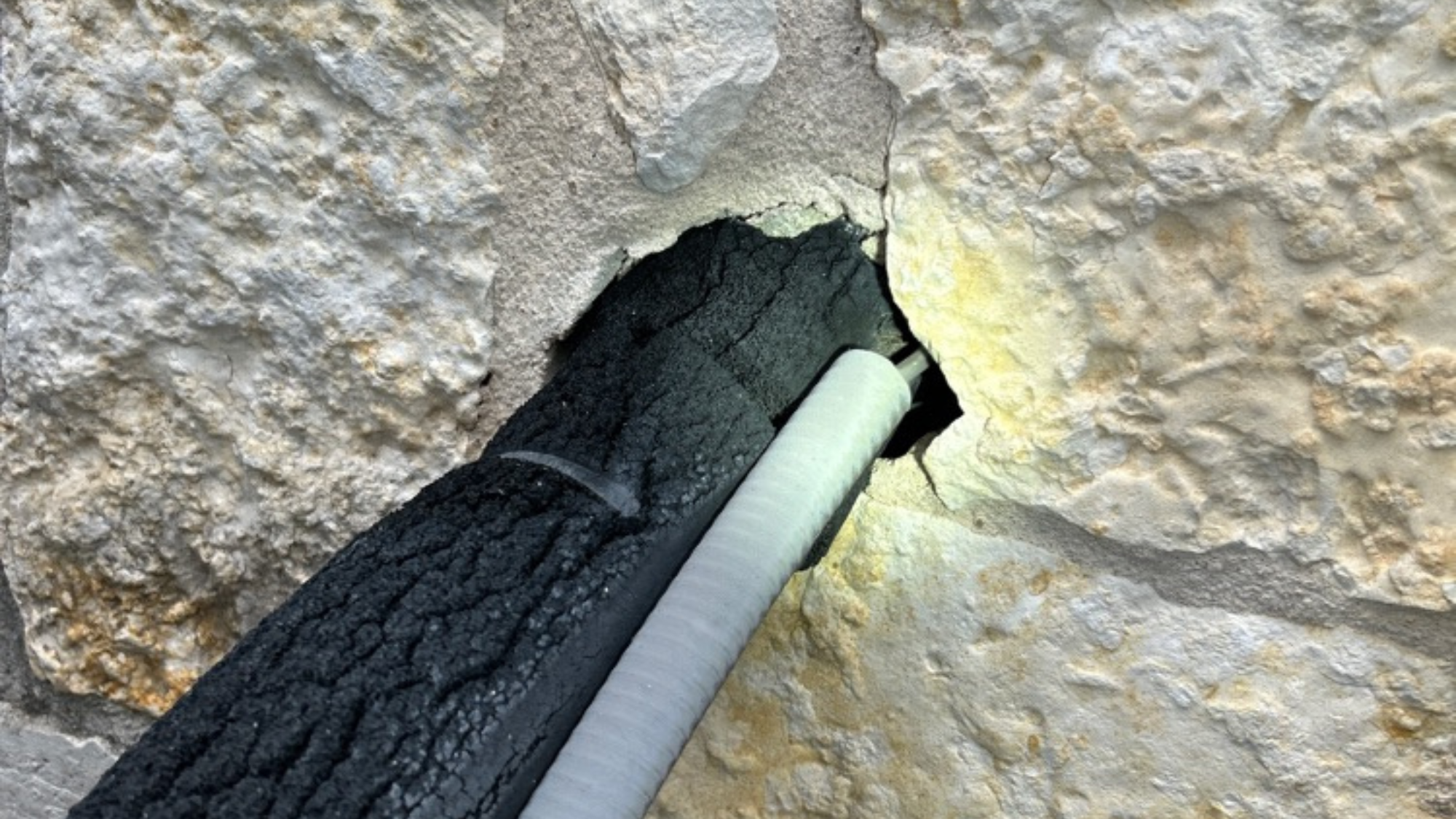
  • AC line chases: Unsealed gaps where lines enter the attic

We use ladders to get close-up views of problem areas and take photos to document what we find.

Step 2: Foundation and Ground-Level Inspection

Next, we inspect the foundation, crawlspace access points, and ground-level vulnerabilities.

What we're checking:

  • Weep holes: Drainage holes in brick that need mesh covers
  • Foundation cracks or gaps: Entry points for rats and mice
  • Crawlspace vents: Damaged or missing covers
  • Garage door gaps: Worn weatherstripping or doors that don't seal flush

Step 3: Garage Inspection

The garage is often overlooked, but it's a major entry point for rodents.

What we examine:

  • Garage door seal: Gaps under or around the door
  • Wall penetrations: Gaps around pipes, wires, or ducts
  • Storage areas: Signs of rodent activity (droppings, chewing)

Step 4: Attic Inspection (If Accessible)

If your attic is accessible, we go inside to check for:

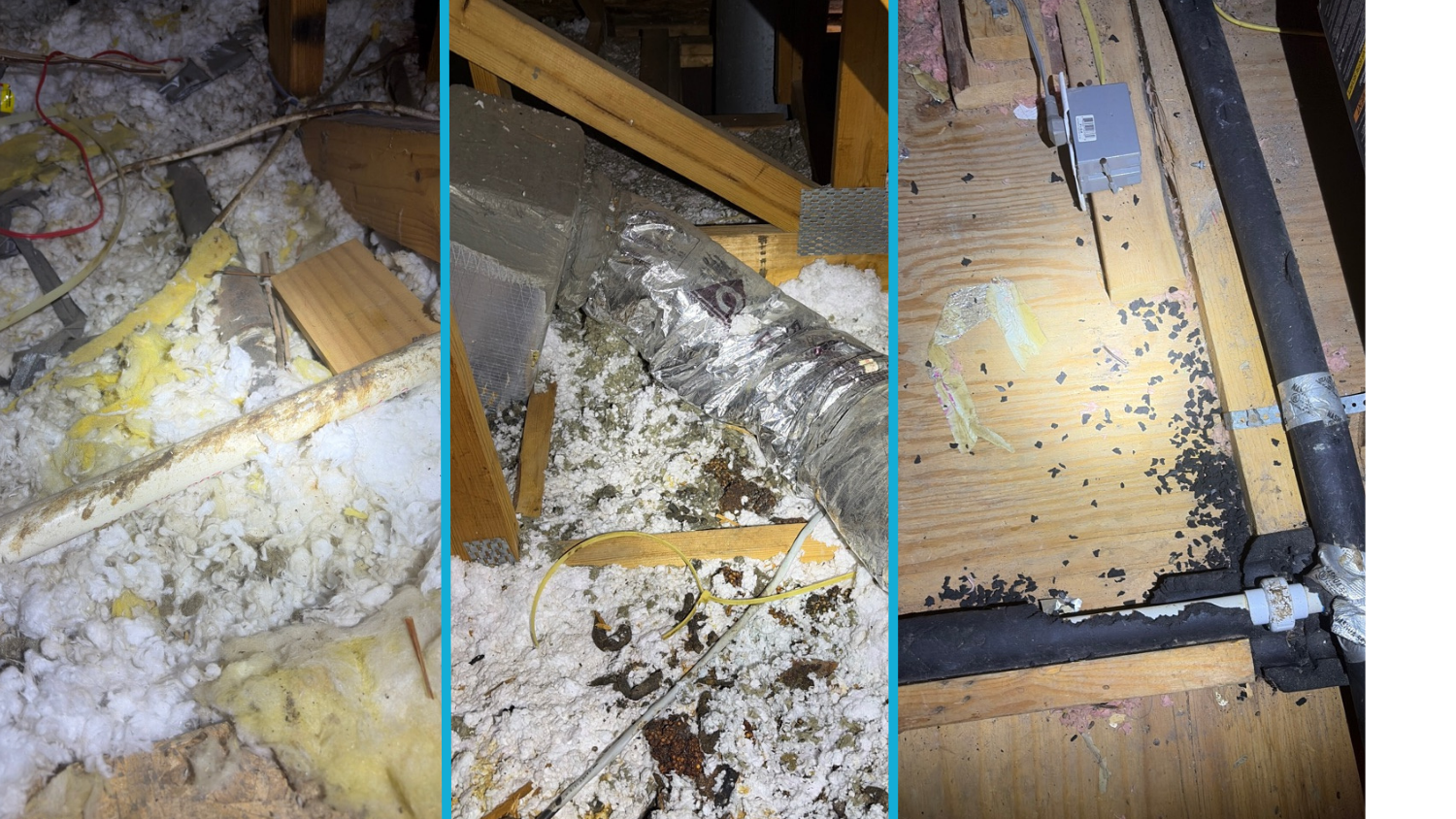
  • Active wildlife: Animals, nests, or droppings
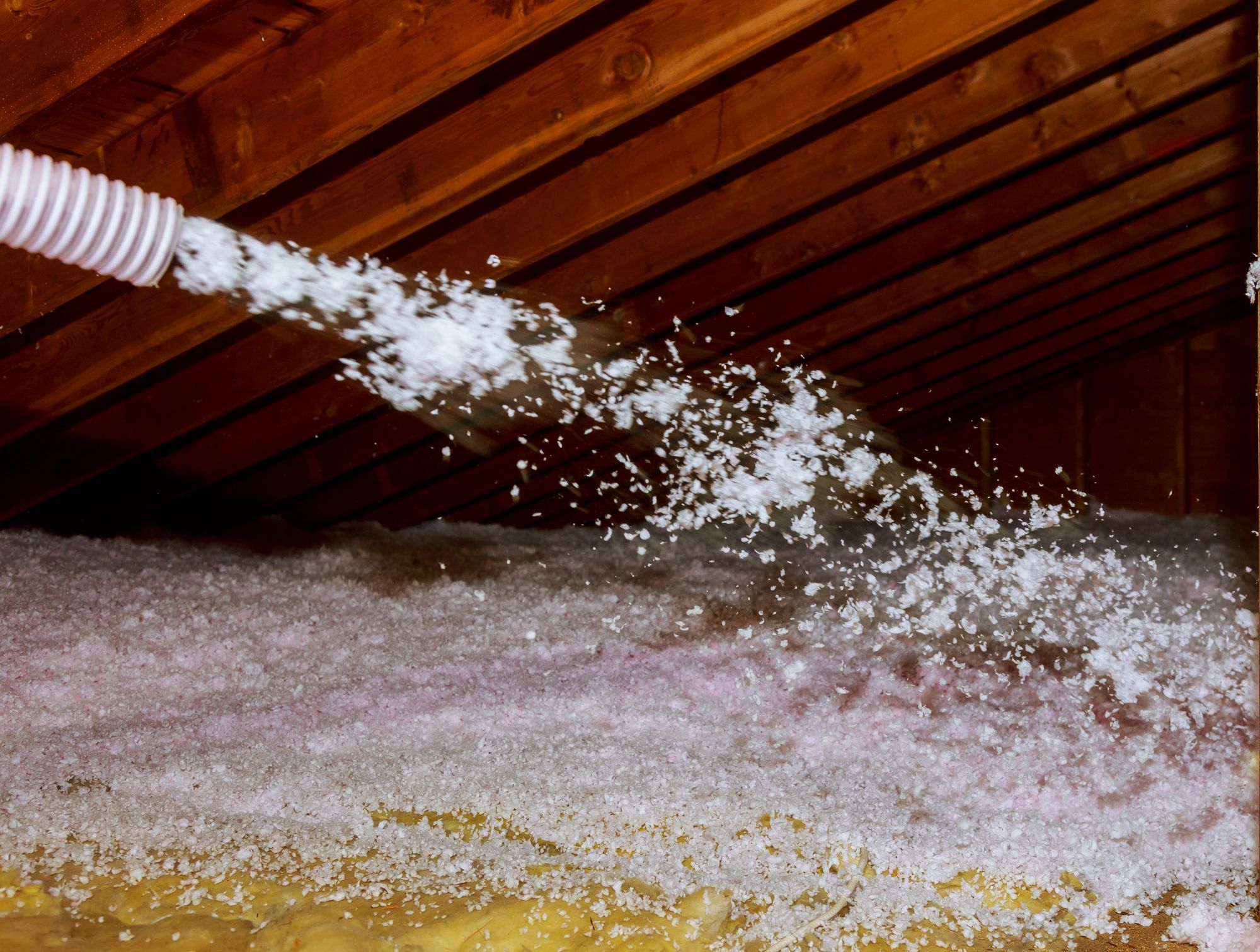
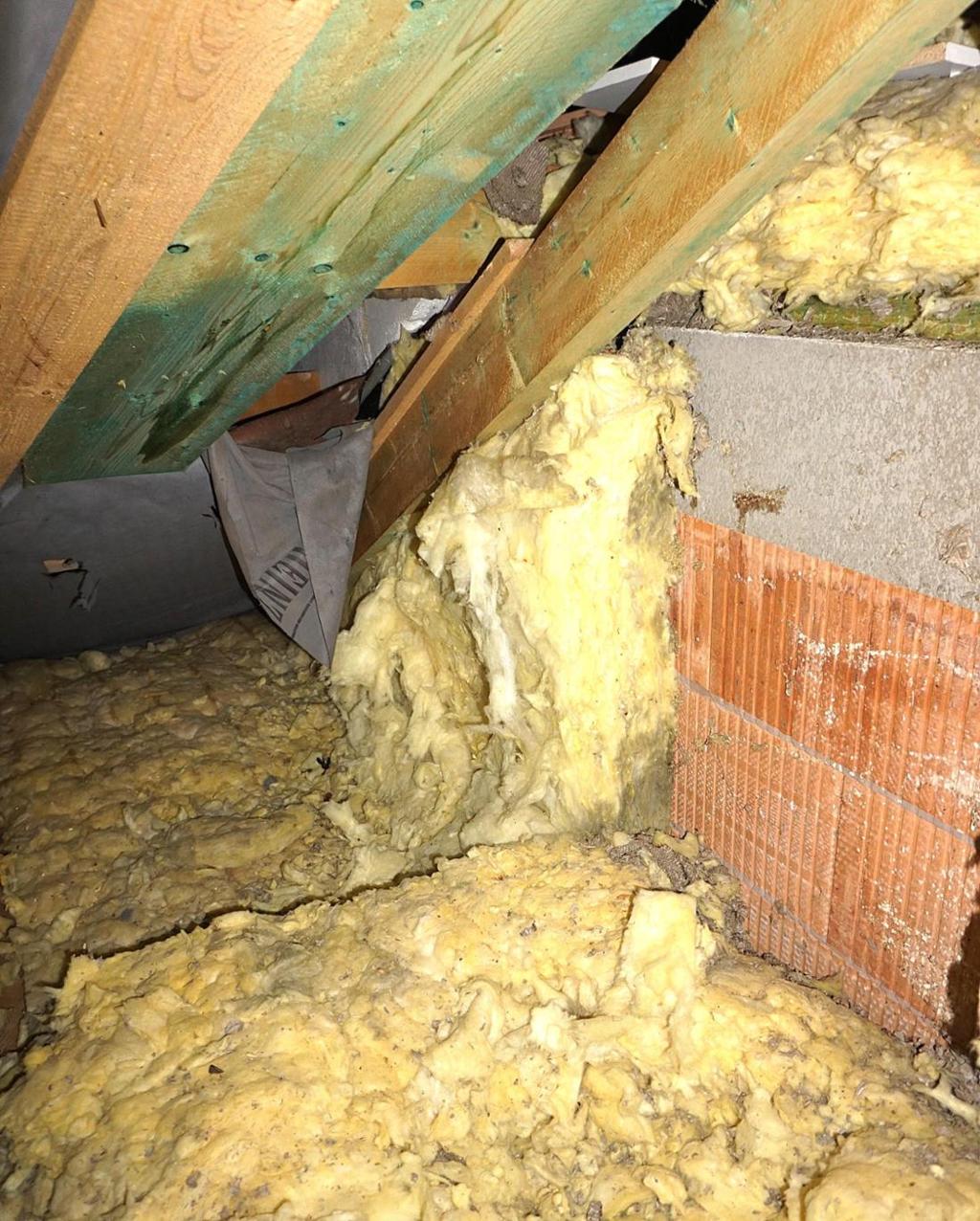
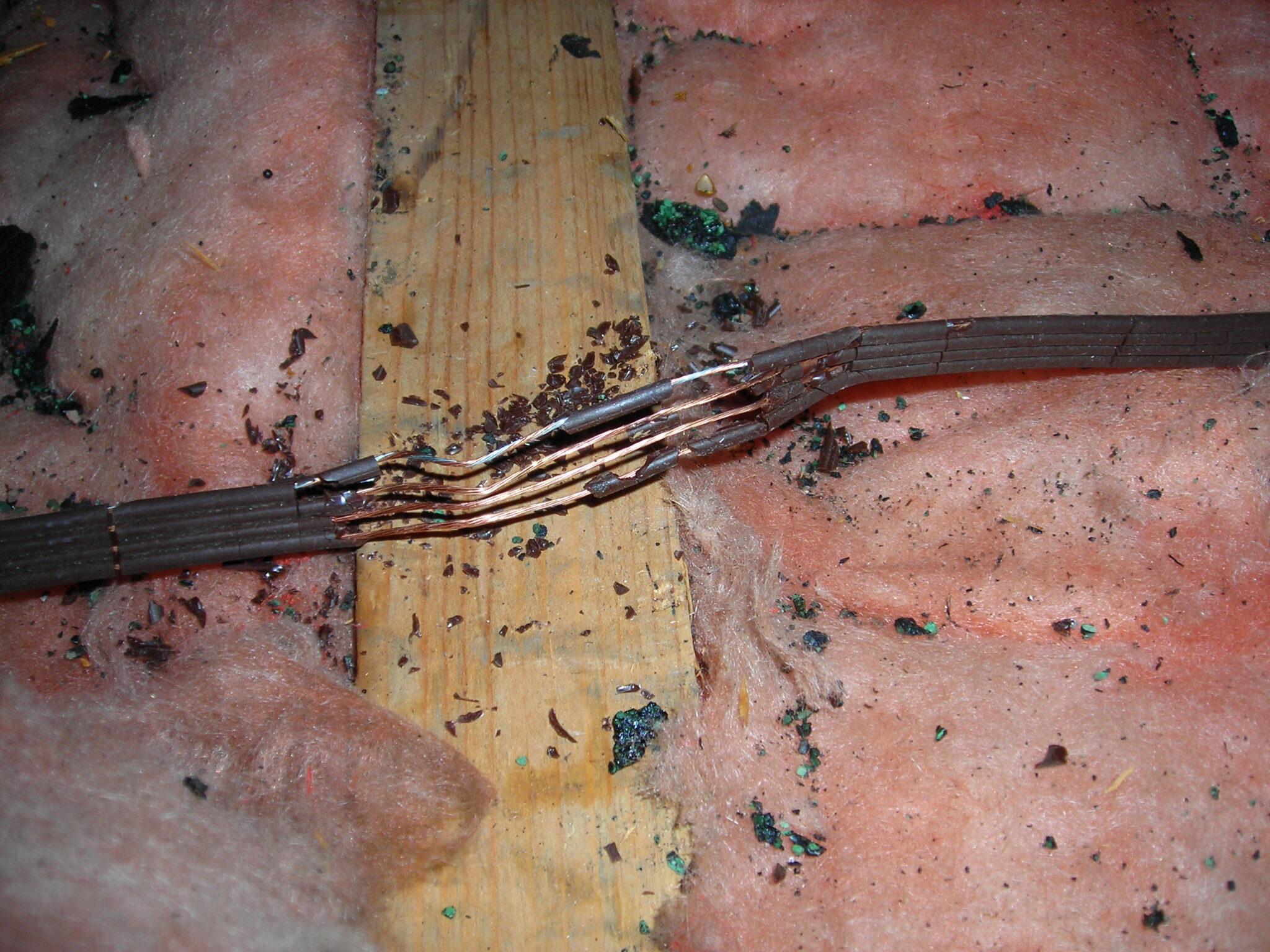
  • Insulation damage: Flattened, torn, or contaminated insulation
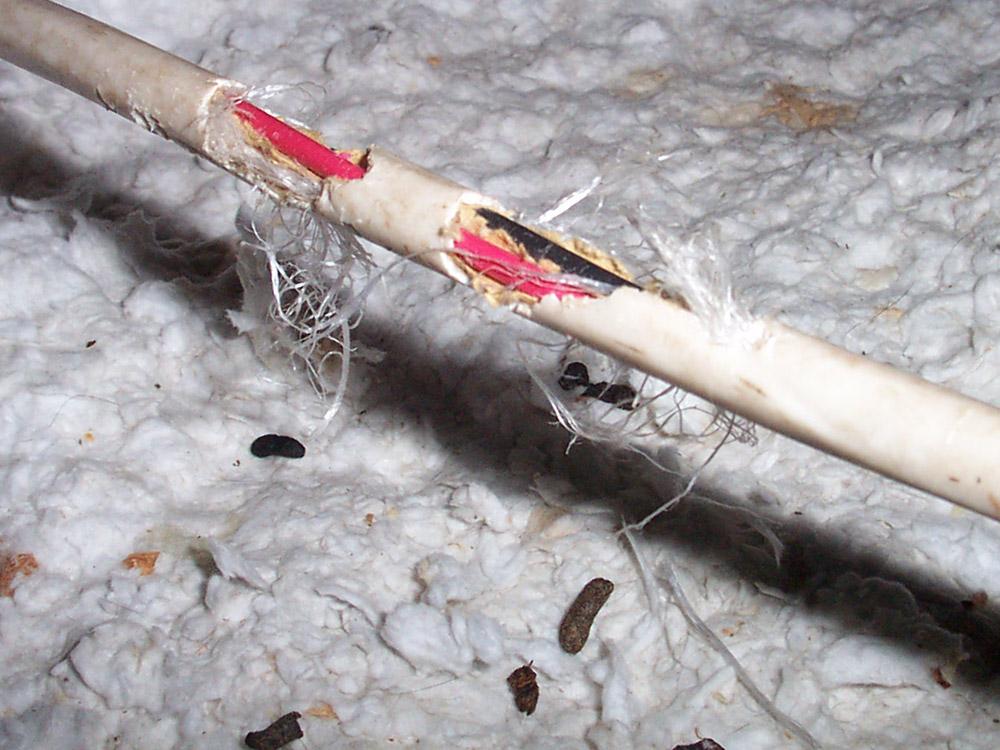
  • Chewed wiring: Fire hazards from rodent activity
  • Entry points from the inside: Gaps visible from the attic side
  • HVAC duct damage: Chewed or torn ductwork

We take photos inside the attic to document conditions and show you exactly what's happening.

Step 5: Detailed Report and Recommendations

After the inspection, we sit down with you and review everything we found.

We provide:

  • Photos of every vulnerability
  • Explanation of how animals are getting in (or could get in)
  • Priority ranking of issues (urgent vs. preventative)
  • Clear pricing for sealing work
  • Timeline for completing the work

We don't do high-pressure sales. We give you the information you need to make an informed decision.

What Separates a Good Inspection from a Bad One

Not all wildlife inspections are created equal. Here's how to tell if a company is doing a thorough job:

Red Flags (Bad Inspection):

❌ They only look at the obvious damage
If they spend 10 minutes walking around and only point out the one damaged soffit you already knew about, they're not doing a real inspection.

❌ They don't use a ladder
You can't properly inspect a roofline from the ground. If they're not getting up close, they're missing entry points.

❌ They don't go in the attic
If your attic is accessible and they don't check it, they're skipping the most important part of the inspection.

❌ They don't take photos
Professional inspections include documentation. If they're not showing you photos, how do you know they actually found anything?

❌ They pressure you to sign up immediately
"This is a one-time offer" or "We can only hold this price if you decide today" are tactics, not professional service.

Green Flags (Good Inspection):

✅ They inspect the entire home, not just problem areas
A thorough inspection covers the full roofline, foundation, garage, and attic—even if you're only concerned about one spot.

✅ They use ladders and get close-up views
Professional inspectors physically examine vulnerable areas, not just look from the ground.

✅ They go in the attic
If the attic is accessible, they should check it for active wildlife, damage, and entry points.

✅ They take photos and show you what they found
You should see exactly what they're talking about—not just take their word for it.

✅ They explain everything clearly
You should understand how animals are getting in, what needs to be sealed, and why.

✅ They provide written estimates
Professional companies give clear, itemized pricing in writing—not verbal estimates that change later.

How Long Does an Inspection Take?

A proper wildlife inspection takes 30-60 minutes, depending on the size of your home and the extent of issues.

If someone shows up and finishes in 10 minutes, they didn't inspect thoroughly.

What an Inspection Costs

At Homeland Wildlife & Pest Control, inspections are free.

We don't charge for inspections because we want homeowners to get the information they need without financial pressure. If you choose to move forward with exclusion work, great. If not, at least you know what's going on with your home.

Some companies charge $75-150 for inspections and apply it toward the work if you hire them. That's reasonable.

Be wary of companies that:

  • Charge for inspections but don't provide detailed reports
  • Require payment upfront before explaining what they found
  • Use "free inspections" as bait-and-switch tactics

What Happens After the Inspection?

Once the inspection is complete, you have three options:

Option 1: Schedule Exclusion Work
If we found entry points or active wildlife, we schedule a time to seal your home permanently. Most exclusion jobs take 2-4 hours depending on the number of vulnerabilities.

Option 2: Get a Second Opinion
You're never obligated to hire us. If you want to compare quotes or get another inspection, that's completely fine. We stand by our findings—if another company says something different, ask them to show you photos.

Option 3: Do Nothing (For Now)
If we found minor vulnerabilities but no active wildlife, you might choose to wait. We'll provide the report so you have it for future reference. Many homeowners call us back months or years later when they're ready to seal preventatively.

Why You Should Get an Inspection Even If You Don't Have Wildlife (Yet)

Most people wait until they hear scratching to call us. But by then, animals are already inside and damage is underway.

Preventative inspections save money because:

  • We catch vulnerabilities before animals find them
  • You avoid emergency removal costs
  • You prevent expensive attic damage
  • You protect your home's insulation and energy efficiency

Think of it like changing your oil. You don't wait until your engine fails—you maintain it proactively.

We Offer Free Inspections. No Pressure. No Gimmicks.

If you're concerned about wildlife, hearing sounds, or just want peace of mind, we'll inspect your home at no cost.

We'll show you exactly what we find, explain what needs to be done, and provide clear pricing in writing.

You're under no obligation to hire us. We just want to give you the information you need to protect your home.

📞 210-776-6100
🌐
www.HomelandWildlife.com

Free inspections. Honest assessments. Lifetime warranties.

PREVIOUS

no previous post

Back to all posts

NEXT

no Next post

Back to all posts

Recent Articles

The Hidden Dangers: How Critters, Rodents, and Pests Can Wreak Havoc in Your Attic and Home

February 13, 2025

Read more
Why Home Exclusion Services Are Essential for Keeping Critters Out

February 24, 2024

Read more
The Hidden Dangers of Wildlife in Your Home – And How to Stop It

March 7, 2025

Read more
Protecting Your Home with Humane Wildlife Removal & Exclusion

February 18, 2025

Read more
Common Wildlife Problems in San Antonio: What Homeowners Need to Know

February 4, 2025

Read more
Why Most Homes Are Vulnerable to Wildlife – And How to Fix It

February 27, 2025

Read more
The True Cost of Wildlife Damage – Why Waiting Could Cost You Thousands

March 4, 2025

Read more
Rodents in the Roof: How Squirrels, Rats & Mice Break In—And What You Can Do About It

March 19, 2025

Read more
Signs of Wildlife in Your Attic (And What to Do About It)

April 16, 2025

Read more
Why You're Still Seeing Bugs—Even After Pest Control Treatments

April 18, 2025

Read more
The Critical Difference Between Pest Control and Wildlife Control

April 21, 2025

Read more
How to Keep Scorpions Out of Your Home – San Antonio’s Guide to Scorpion Control

May 5, 2025

Read more
The Buzz on Mosquitoes: How to Reclaim Your Yard from These Tiny Terrors

May 15, 2025

Read more
Baby Season is Here — What That Means for Your Attic

May 16, 2025

Read more
Why Your Attic Might Be the Most Dangerous Room in Your House (and What You Can Do About It)

May 1, 2025

Read more
Don’t Let Pests Take Over: Why Routine Pest Control is Essential for Texas Homes

May 2, 2025

Read more
The Sounds in Your Attic: What They Really Mean

May 19, 2025

Read more
Meet the Mexican Free-Tailed Bat — San Antonio’s Winged Wonder

May 22, 2025

Read more
Raccoons in Your Attic? Here’s What Every San Antonio Homeowner Needs to Know

May 23, 2025

Read more
Why You’re Still Seeing Ants in Your Kitchen (Even After You Spray)

May 27, 2025

Read more
The Life of a Texas Scorpion: What They’re Really Doing in Your Garage

May 28, 2025

Read more
The Secret Life of the Armadillo: Texas’s Backyard Digging Machine

May 30, 2025

Read more
Why Raccoons Love Your Soffits (and How to Block Them)

May 29, 2025

Read more
What Are Dirt Daubers (And Should You Be Concerned?)

June 4, 2025

Read more
What’s the Difference Between a Rat and a Mouse?

June 11, 2025

Read more
What Attracts Scorpions to My Home?

June 26, 2025

Read more
What’s the Difference Between a Squirrel and a Rat Nest?

June 27, 2025

Read more
Why Do Skunks Dig Under Homes and Decks?

June 30, 2025

Read more
Why Are Squirrels Chewing Through Your Roof?

July 10, 2025

Read more
What Are Roof Returns (And Why Do Animals Use Them to Break In?)

August 12, 2025

Read more
The Hidden Flaw in Mushroom Vents

September 10, 2025

Read more
Why AC Chase Entry Points Attract Critters

September 17, 2025

Read more
The Trouble With Garage Door Gaps

September 15, 2025

Read more
The Hidden Danger in Contaminated Attic Insulation

October 9, 2025

Read more
October Visitors You Weren't Expecting

October 16, 2025

Read more
Homeowner Money-Saving Tips

October 23, 2025

Read more
Fall Is Here — and So Are the Critters

November 18, 2025

Read more
The Most Overlooked Entry Point in Your Home

December 5, 2025

Read more
Why Your Attic Insulation Matters More Than You Think

December 9, 2025

Read more
How to Keep Wildlife Out of Your Home This Holiday Season

December 17, 2025

Read more
Why "The Other Guy's" Wildlife Work Always Fails

December 22, 2025

Read more
The Hidden Cost of Rodents in Your Attic

December 29, 2025

Read more
Should You Hire a Pest Control Company or a Wildlife Specialist?

January 7, 2026

Read more
What Happens During a Wildlife Inspection?

January 15, 2026

Read more
Can Wildlife Really Cause House Fires?

January 20, 2026

Read more
Can Wildlife Really Cause House Fires?

January 20, 2026

Read more
What Happens During a Wildlife Inspection?

January 15, 2026

Read more
Should You Hire a Pest Control Company or a Wildlife Specialist?

January 7, 2026

Read more