Why It Matters What Type of Animal You Have
Before we dive into identification, let's address the obvious question: "Can't you just get rid of whatever it is?"
Not that simple. Here's why:
Different Animals = Different Methods
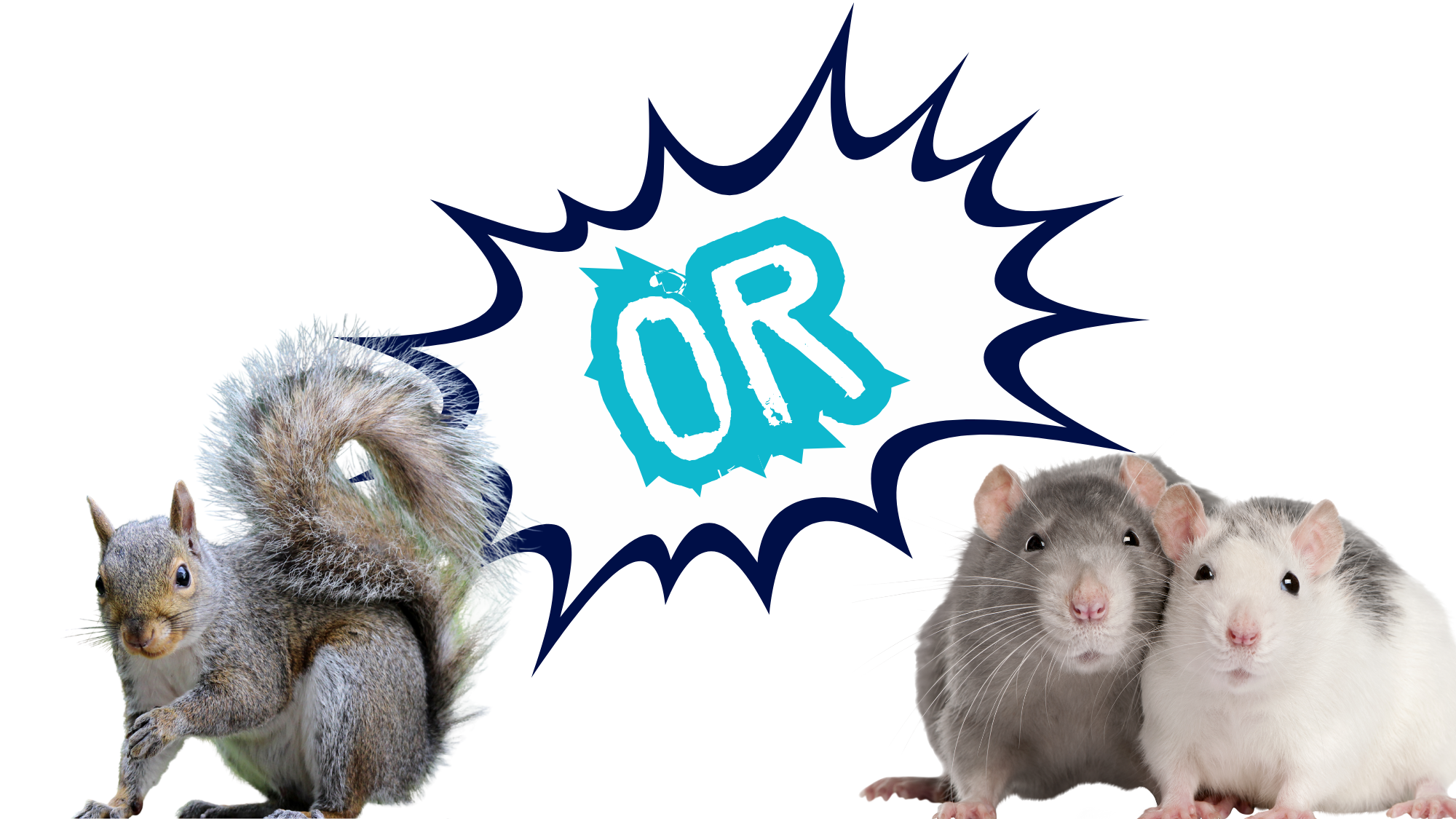
- Squirrels: Require one-way doors and daytime exclusion (they're protected by state law during baby season)
- Rats: Require traps in the attic and immediate sealing of all entry points
- Raccoons: Require heavy-duty exclusion materials and special handling (rabies risk)
- Bats: Require seasonal exclusion timing (illegal to exclude during maternity season)
If you guess wrong, you waste time and money on the wrong solution.
Different Damage Patterns
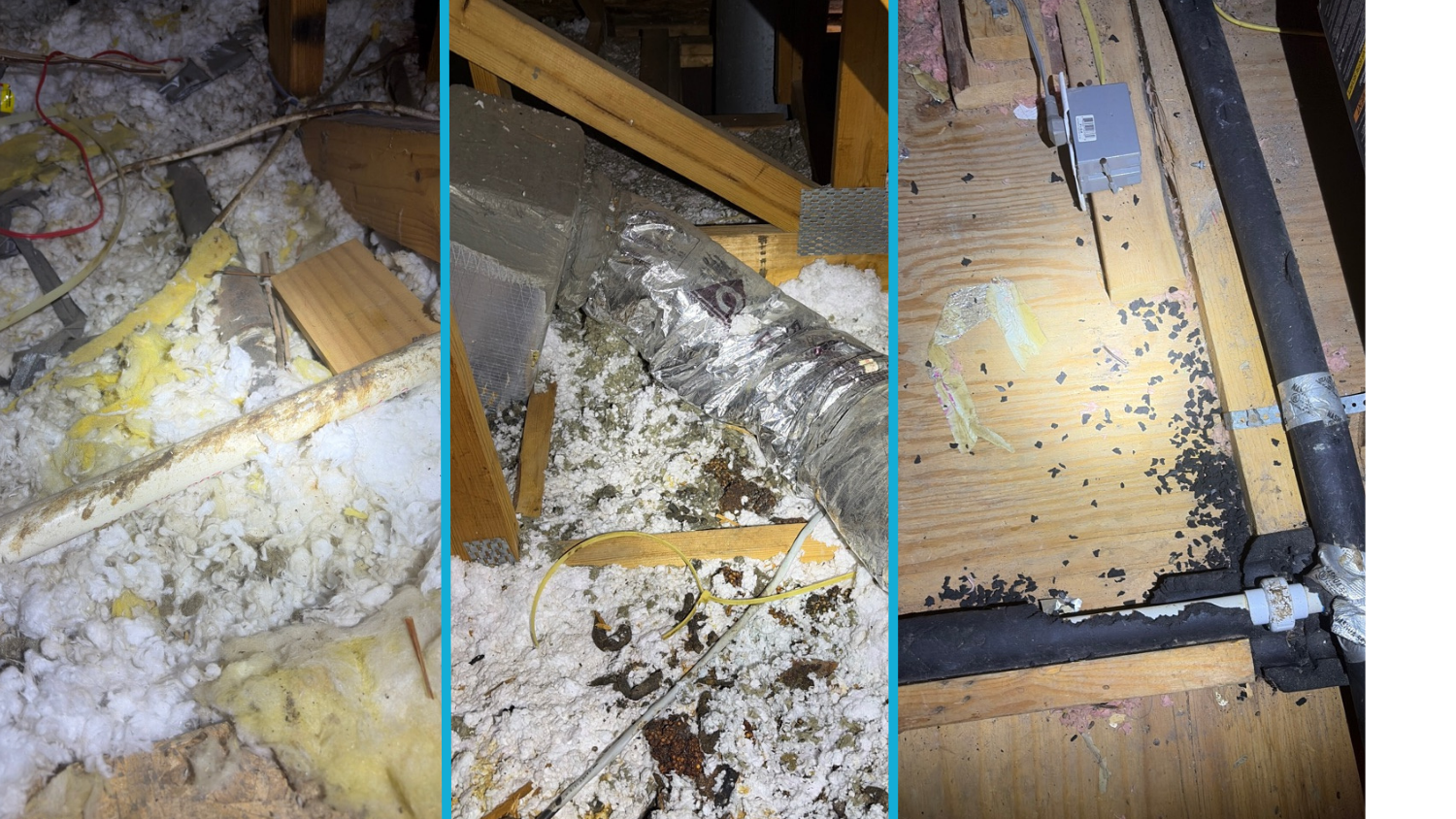
- Squirrels: Chew wood, destroy insulation, gnaw on wires
- Rats: Contaminate entire attic with urine/droppings, chew everything
- Raccoons: Tear through roof decking, destroy ductwork, create massive contamination
Knowing what you have tells you how bad the damage is likely to be.
Different Health Risks
- Squirrels: Lower disease risk, but can carry parasites
- Rats: High disease risk (Hantavirus, Leptospirosis), severe contamination
- Raccoons: Rabies risk, roundworm in feces (extremely dangerous)
- Bats: Rabies risk, histoplasmosis from guano
Some animals are more dangerous than others.
How to Identify What's in Your Attic By Sound Alone
Timing Is Everything
The #1 clue is when you hear the noise.
Daytime Activity (6 AM - 7 PM) = Squirrels
Squirrels are diurnal—active during the day, asleep at night.
If you hear scratching, running, or rolling sounds between 6 AM and 7 PM, it's almost certainly squirrels.
Squirrels are most active at:
- 6-8 AM (leaving the attic to forage)
- 5-7 PM (returning to the attic to nest)
You might hear occasional movement during mid-day, but peak activity is dawn and dusk.
Nighttime Activity (8 PM - 5 AM) = Rats or Raccoons
Rats and raccoons are nocturnal—active at night, sleeping during the day.
If you hear scratching, running, or thumping between 8 PM and 5 AM, it's either rats or raccoons (we'll help you tell the difference below).
Peak activity times:
- 10 PM - 2 AM (feeding and nesting)
- 4-6 AM (returning before sunrise)
All Night Long = Rats
Rats are active throughout the entire night. If you hear constant movement from 8 PM to 6 AM, it's rats.
Squirrels and raccoons have specific active periods. Rats just... never stop.
Type of Sound
Running and Scampering = Squirrels
Squirrels are fast. They run across your attic at full speed, jump from beam to beam, and sound like tiny galloping horses.
Sound: Quick, light, rapid footsteps. Like someone tapping their fingers really fast on a table.
Volume: Moderate. You'll definitely hear it, but it's not earth-shaking.
Pattern: Bursts of activity (run, stop, run, stop). Squirrels are erratic movers.
Slow Scratching and Gnawing = Rats
Rats gnaw constantly. They chew on wires, wood, insulation—everything. That's how they keep their teeth from overgrowing.
Sound: Steady scratching or gnawing. Sounds like someone filing their nails or scraping sandpaper.
Volume: Quiet to moderate. Sometimes you'll only hear it if you're really listening.
Pattern: Constant and methodical. Rats are persistent.
Heavy Thumping and Walking = Raccoons
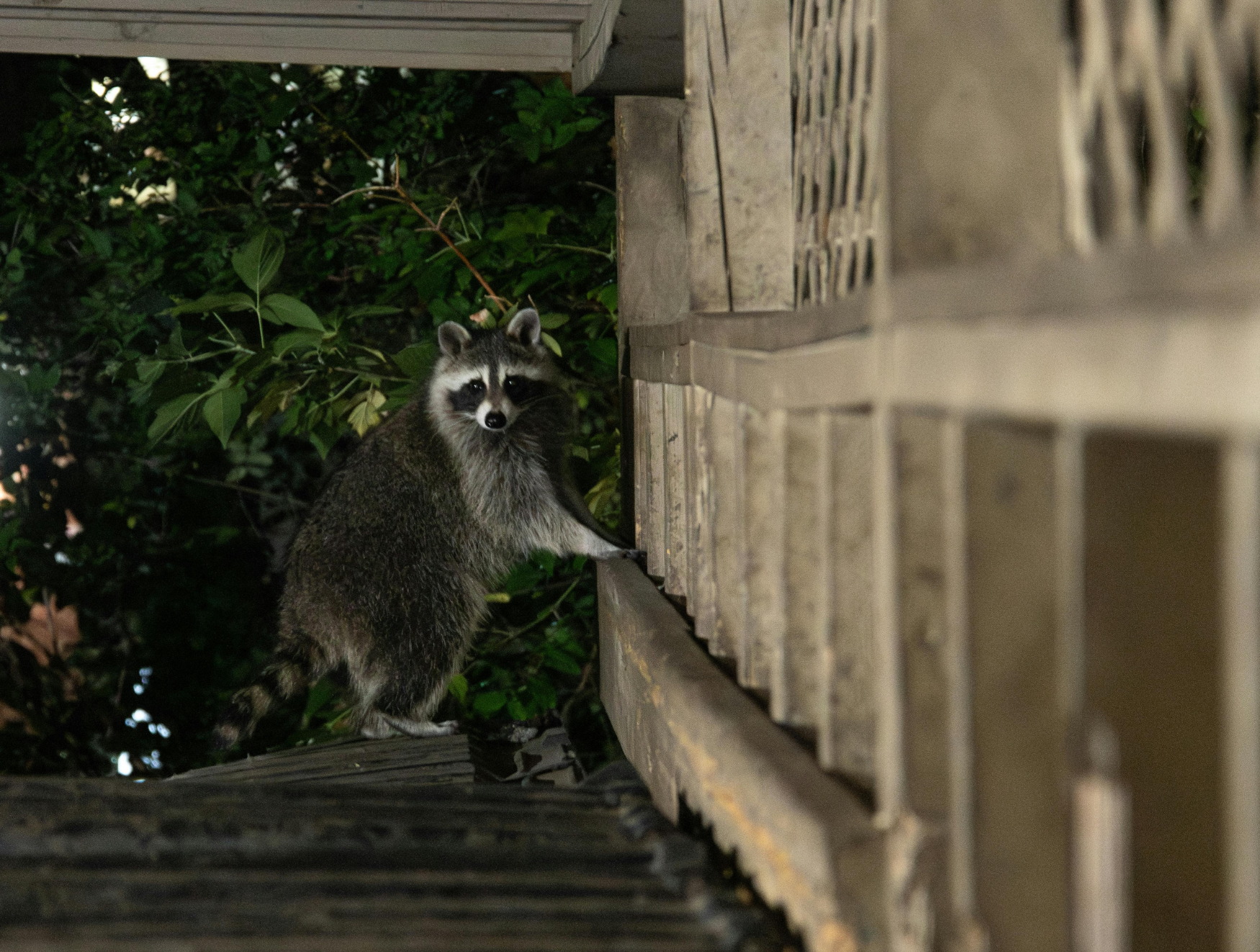
Raccoons are big and loud. They weigh 10-30 pounds, and when they walk across your attic, it sounds like a person.
Sound: Heavy footsteps, thumping, banging. Sometimes you'll hear vocal sounds (chirping, growling, chattering).
Volume: LOUD. You'll wake up from a dead sleep.
Pattern: Slower, deliberate movements. Raccoons aren't in a hurry.
Additional Sounds to Listen For
Rolling Sounds = Squirrels
Squirrels collect acorns and nuts and roll them around in your attic. If you hear rolling or dragging sounds, that's squirrels storing food.
Fighting Sounds = Rats
Rats fight. A lot. If you hear squeaking, screeching, and aggressive scratching, you likely have multiple rats competing for territory.
Vocal Sounds = Raccoons (or Babies)
- Raccoons: Chirping, chattering, growling sounds
- Baby squirrels: High-pitched squeaking (sounds like birds chirping)
- Baby rats: Very faint squeaking (hard to hear unless you're in the attic)
If you hear vocal sounds, there are likely babies present. This complicates removal.
Physical Evidence: What to Look for Beyond Sounds
If you can safely access your attic, here's what to look for:
Droppings (Most Reliable Identifier)
Squirrel Droppings:
- Size: 3/8 inch long, oblong
- Color: Brown to reddish-brown
- Texture: Smooth, rounded ends
- Location: Scattered throughout attic, often near nesting areas
Rat Droppings:
- Size: 1/2 to 3/4 inch long, pellet-shaped
- Color: Dark brown to black
- Texture: Blunt ends, sometimes shiny when fresh
- Location: Along walls, beams, and travel routes (rats follow the same paths)
Raccoon Droppings:
- Size: 2-3 inches long, tubular
- Color: Dark, often contains visible seeds or food particles
- Texture: Blunt ends, similar to small dog feces
- Location: Piled in "latrines" (raccoons designate bathroom areas)
WARNING: Never touch or disturb droppings. Rat and raccoon feces can carry dangerous diseases.
Nesting Material
Squirrels:
- Shredded insulation, leaves, twigs
- Nests are usually in corners or near entry points
- Round, ball-shaped nests
Rats:
- Shredded insulation, paper, fabric
- Nests are flatter and more scattered
- Often near warm areas (ducts, chimneys)
Raccoons:
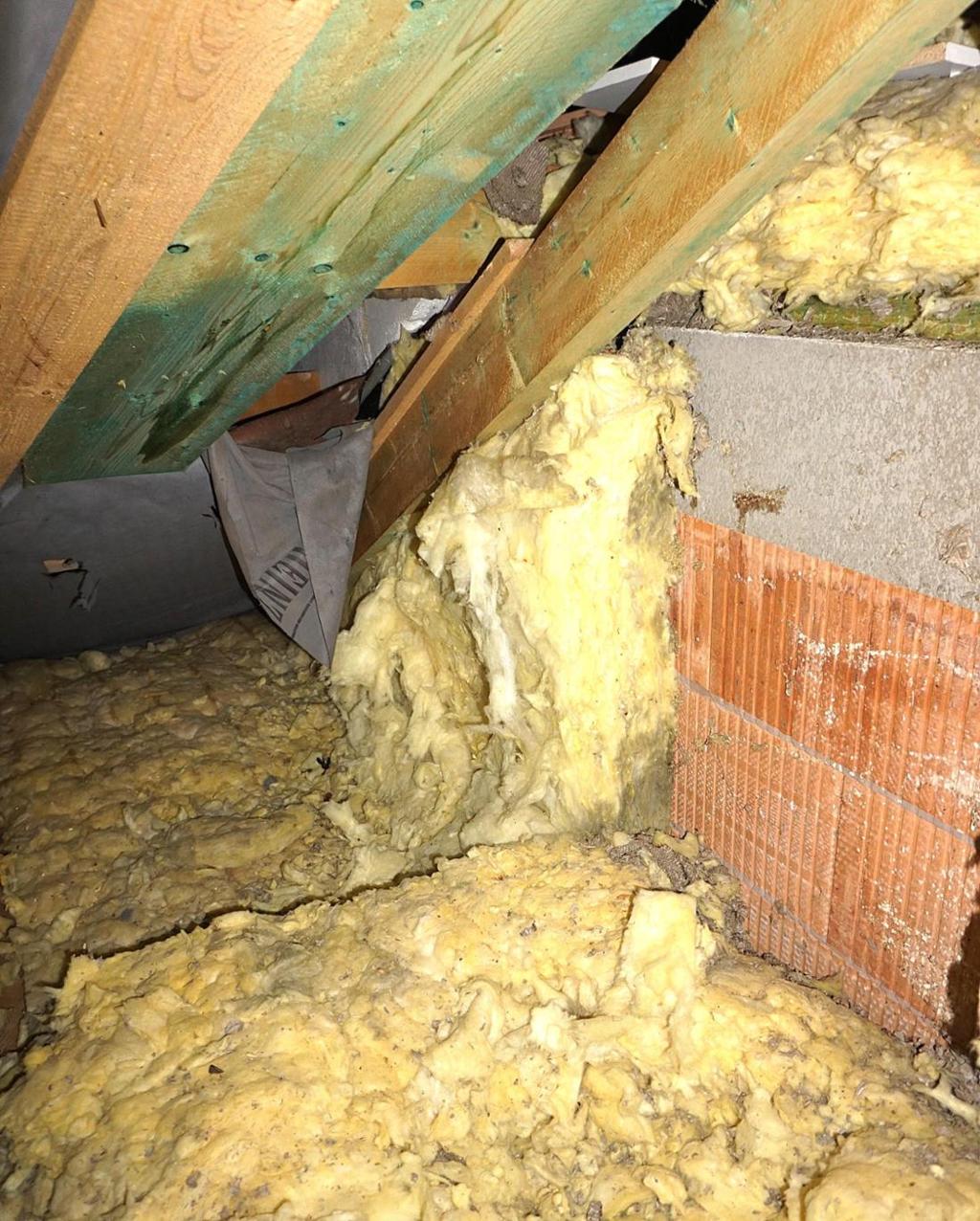
- Torn-up insulation in large piles
- Massive destruction (raccoons don't nest gently—they tear everything apart)
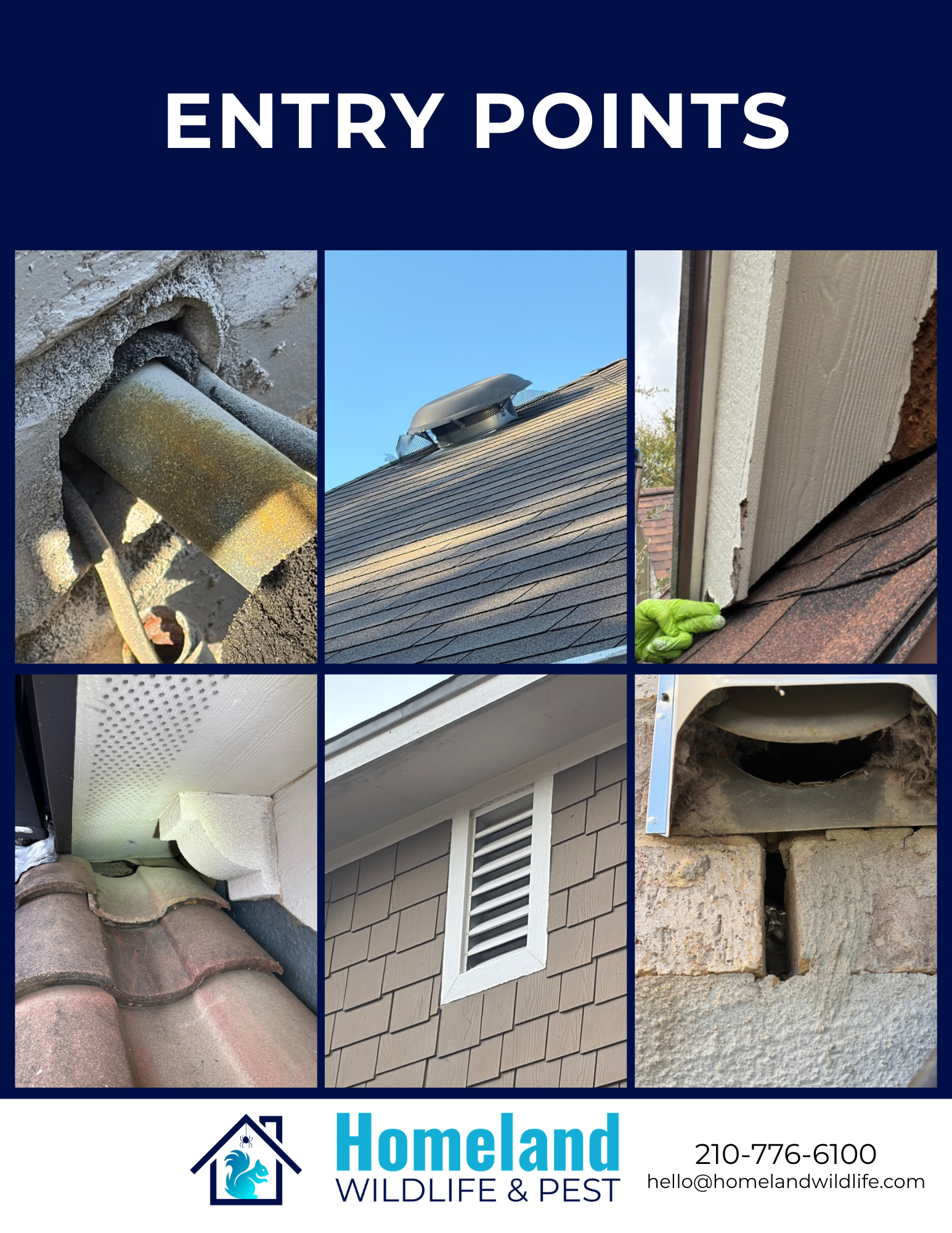
Entry Point Damage
Squirrels:
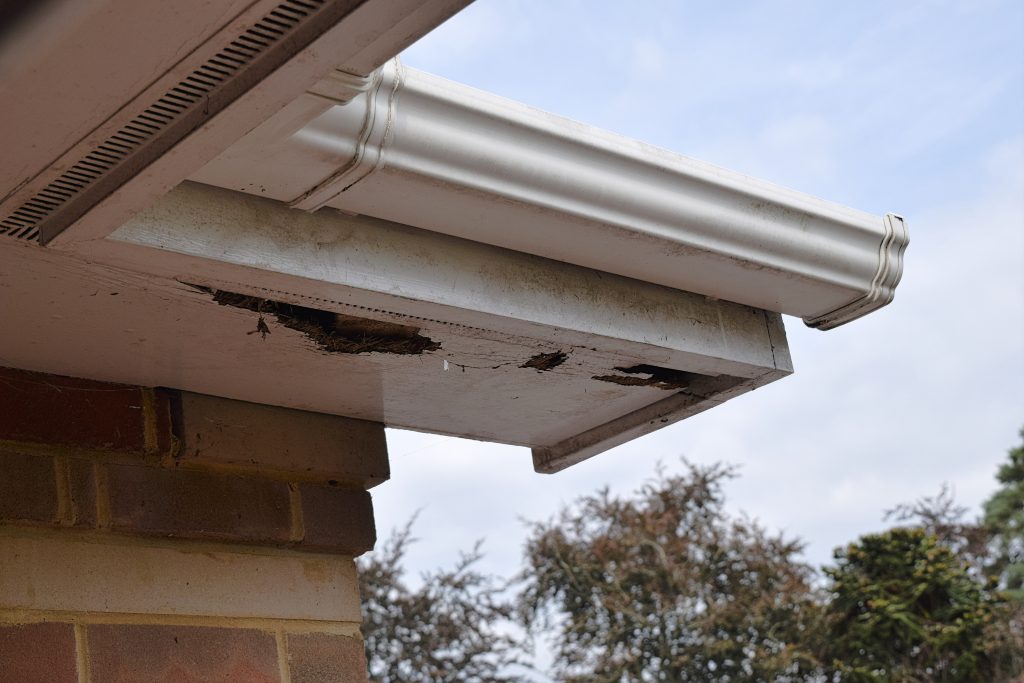
- Chew holes in wood soffits, fascia, or roof returns
- Holes are 2-4 inches in diameter, rough edges
- Often multiple entry points
Rats:
- Exploit existing gaps (they rarely chew through solid materials)
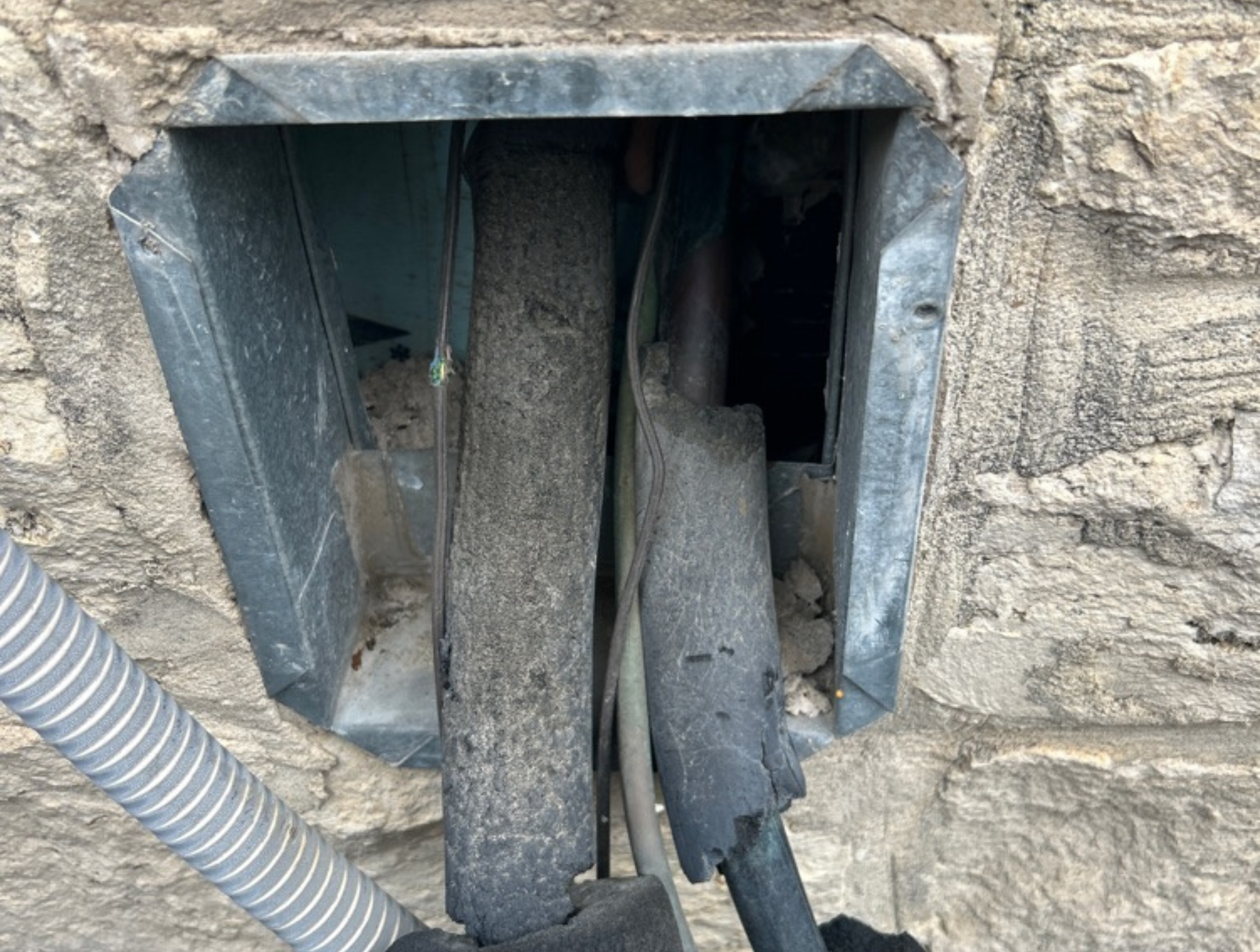
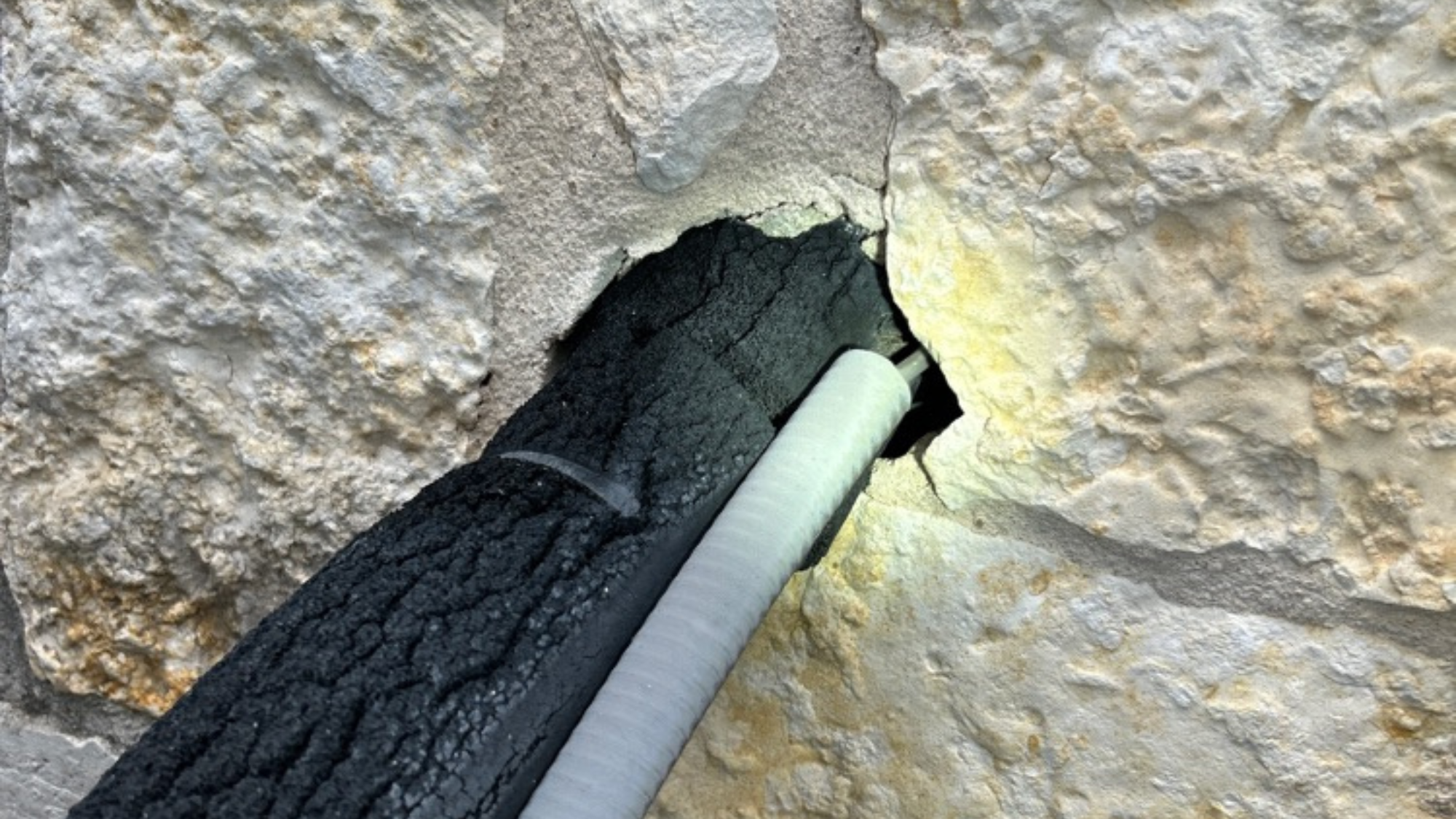
- Entry points are often 1/2 to 1 inch gaps in soffits, foundation, or vents
- Grease marks around entry points (from their oily fur)
Raccoons:
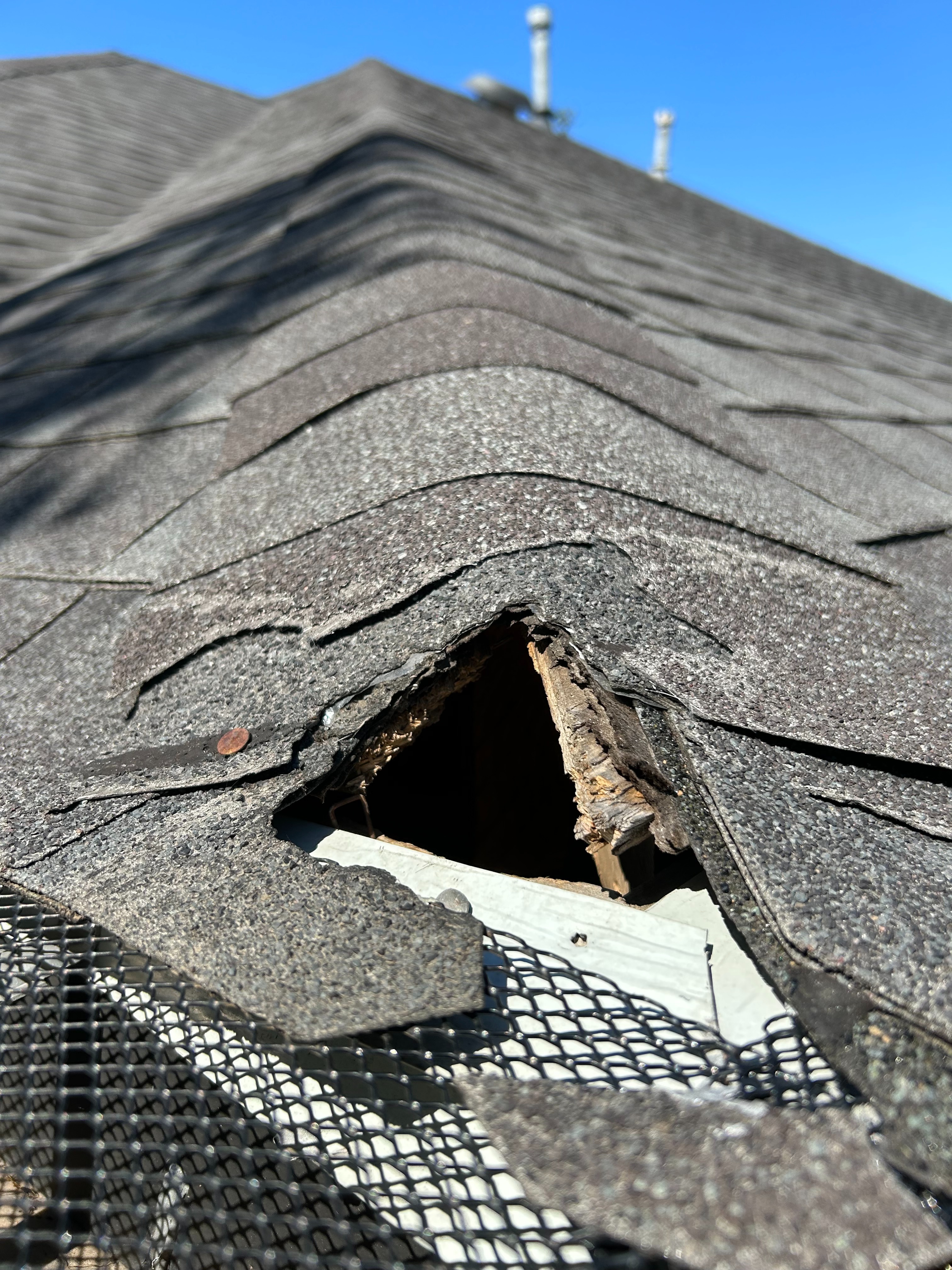
- Tear through roof shingles, decking, or soffits
- Damage is LARGE (8-12 inch holes)
- Destruction is obvious and severe
Special Case: What If I Hear Scratching in the Walls?
If the sound is coming from inside your walls (not the attic), it's almost always rats or mice.
Squirrels and raccoons typically stay in attics. Rats are small enough to travel through wall cavities.
Wall scratching sounds like:
- Scratching directly behind drywall
- Movement up and down (rats climbing inside walls)
- Sounds localized to one section of wall
This is harder to fix because you can't access the space easily. Professional exclusion is critical.
What to Do Once You've Identified the Animal
Step 1: Don't Panic
Wildlife in your attic is fixable. It's not a disaster—it's just a problem that needs solving.
Step 2: Don't Try DIY Removal
- Don't seal entry points while animals are inside (you'll trap them and they'll die in your walls)
- Don't use poison (they'll die in your attic and smell for weeks)
- Don't try to catch them yourself (especially raccoons—rabies risk)
Step 3: Call a Professional
A professional wildlife inspection will:
- Confirm exactly what animal you have
- Identify all entry points
- Assess damage
- Provide a plan for humane removal and permanent exclusion
Step 4: Act Fast
Wildlife damage compounds daily. The sooner you address it, the less it costs.
How Homeland Wildlife Handles Each Animal
Squirrels:
- Install one-way doors at active entry points
- Seal all other entry points with steel mesh
- Remove one-way doors after squirrels exit
- Permanent sealing
Rats:
- Set traps in attic to catch rats already inside
- Seal all entry points with steel mesh and aluminum
- Sanitize and restore attic
- Lifetime warranty
Raccoons:
- Heavy-duty exclusion materials (raccoons are strong)
- One-way doors for humane exit
- Complete attic restoration (raccoons cause major damage)
- Sanitization due to rabies/roundworm risk
Every animal is different. Every solution is customized.
The Bottom Line
Hearing scratching at night? Here's your answer:
- Daytime scratching = Squirrels
- Nighttime scratching (light/constant) = Rats
- Nighttime thumping (loud) = Raccoons
Now you know what you're dealing with.
Next step? Call a professional and get it handled before the damage gets worse.
Hearing scratching in your attic? Call Homeland Wildlife & Pest Control at 210-776-6100 for a free inspection. We'll identify exactly what you have and solve it permanently.


.png)

.png)
.png)

%20(6.8%20x%206.8%20in)%20(2).png)

.png)


.png)

.png)
.png)
.png)
.png)
.png)

.png)
.png)
.png)
.png)
.png)


.png)
.png)
.png)
.png)
.png)
.png)
.png)
.png)
.png)




.png)
.png)

%20(6.8%20x%206.8%20in)%20(1).png)
.webp)
.png)

.png)
.png)