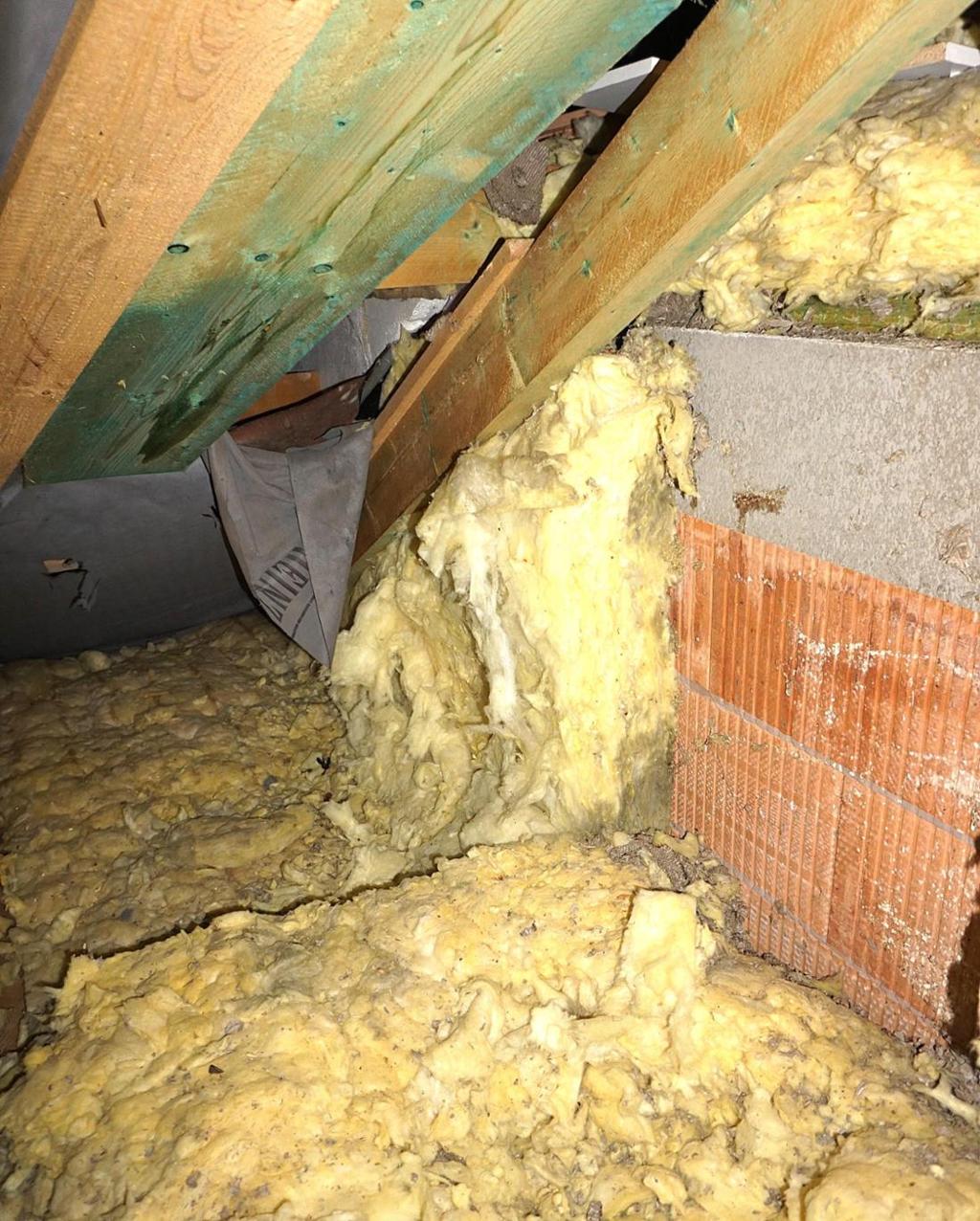
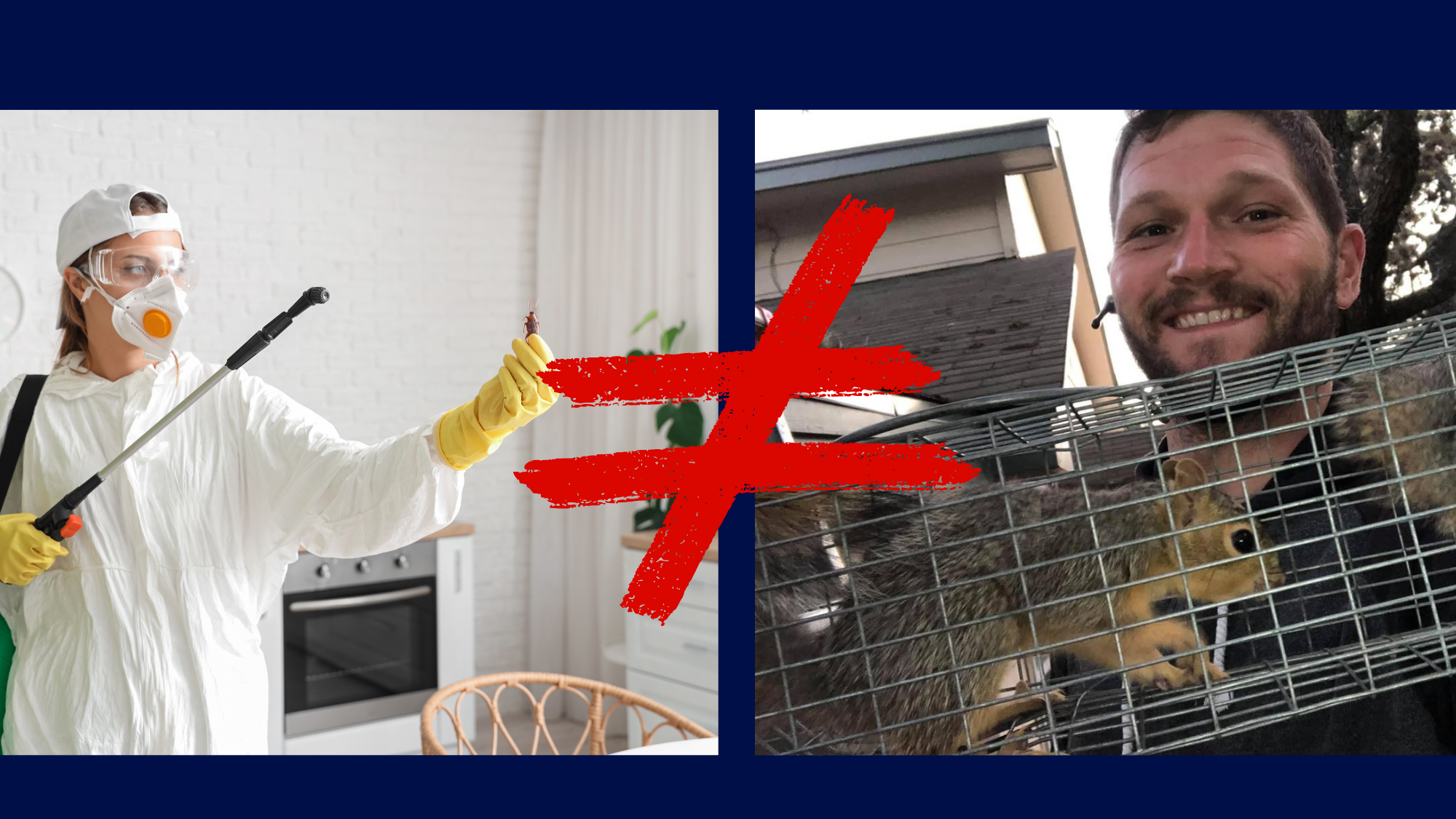
Most pest control companies treat wildlife removal as a side service. They focus on insects and rodents, and when a homeowner calls about squirrels or raccoons, they send out a tech who traps the animal and slaps a temporary fix on the entry point.
Here's what usually happens:
1. They Only Address the Obvious Entry Point
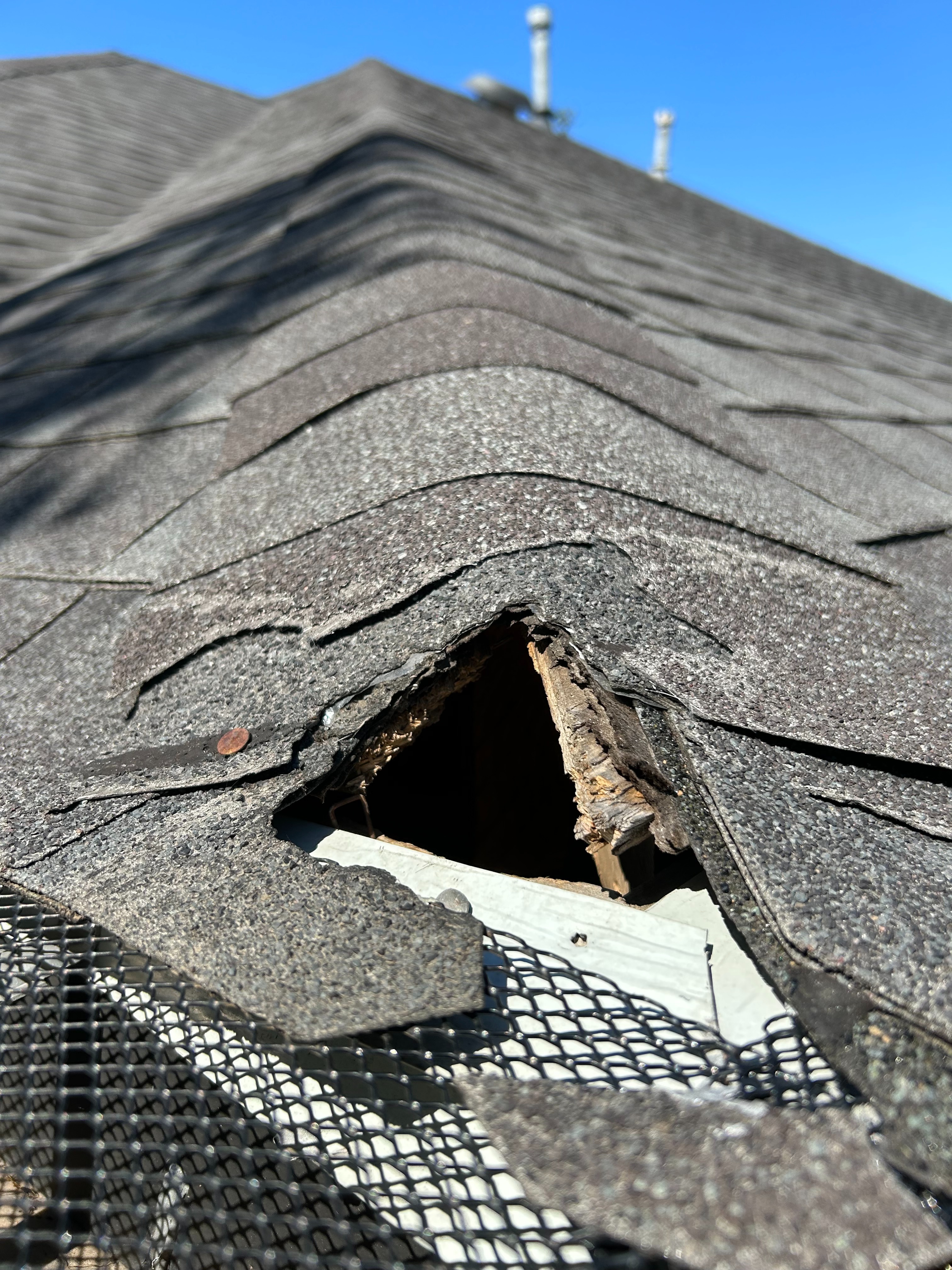
The homeowner sees damage at one roof return, so the company seals that spot. Problem solved, right?
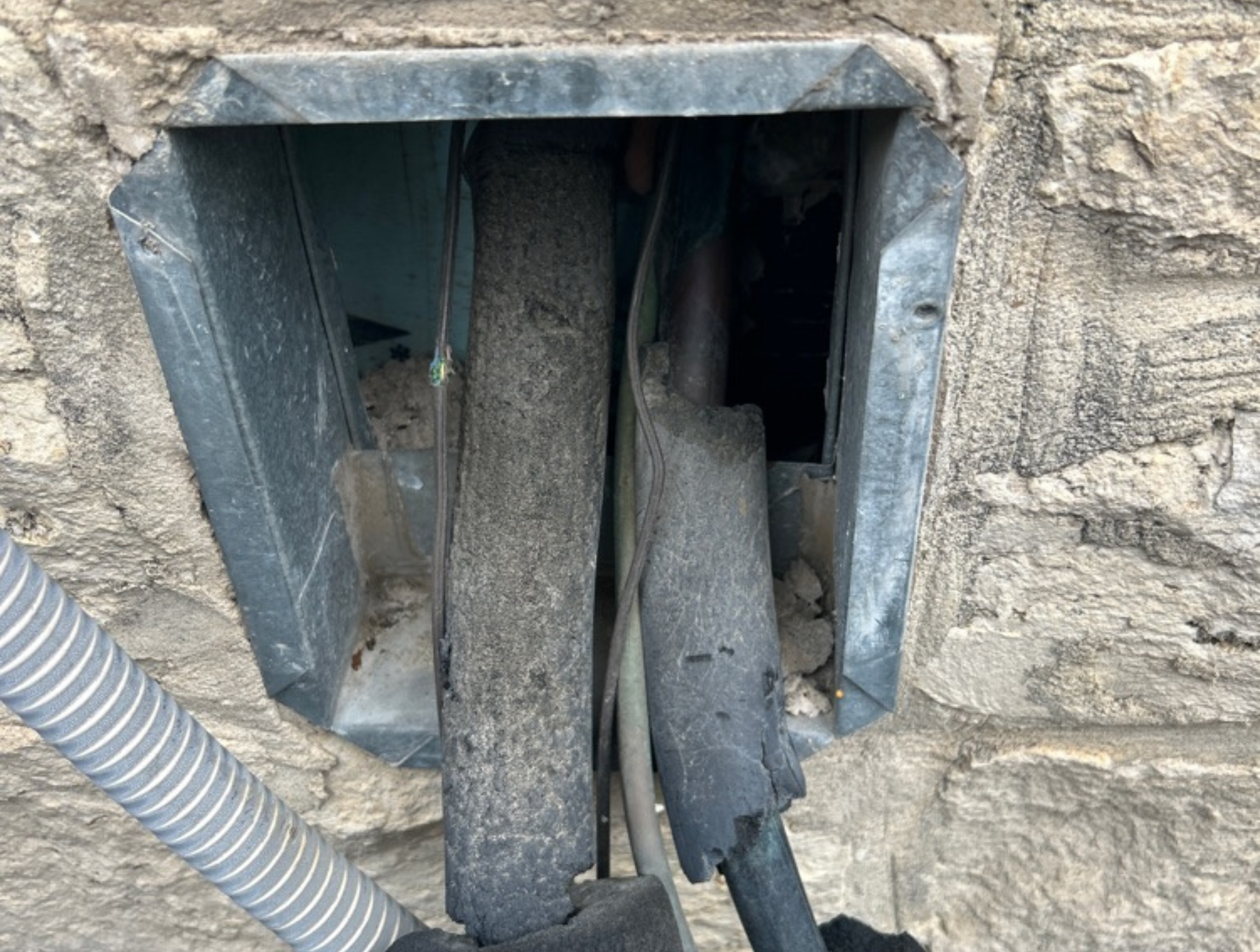
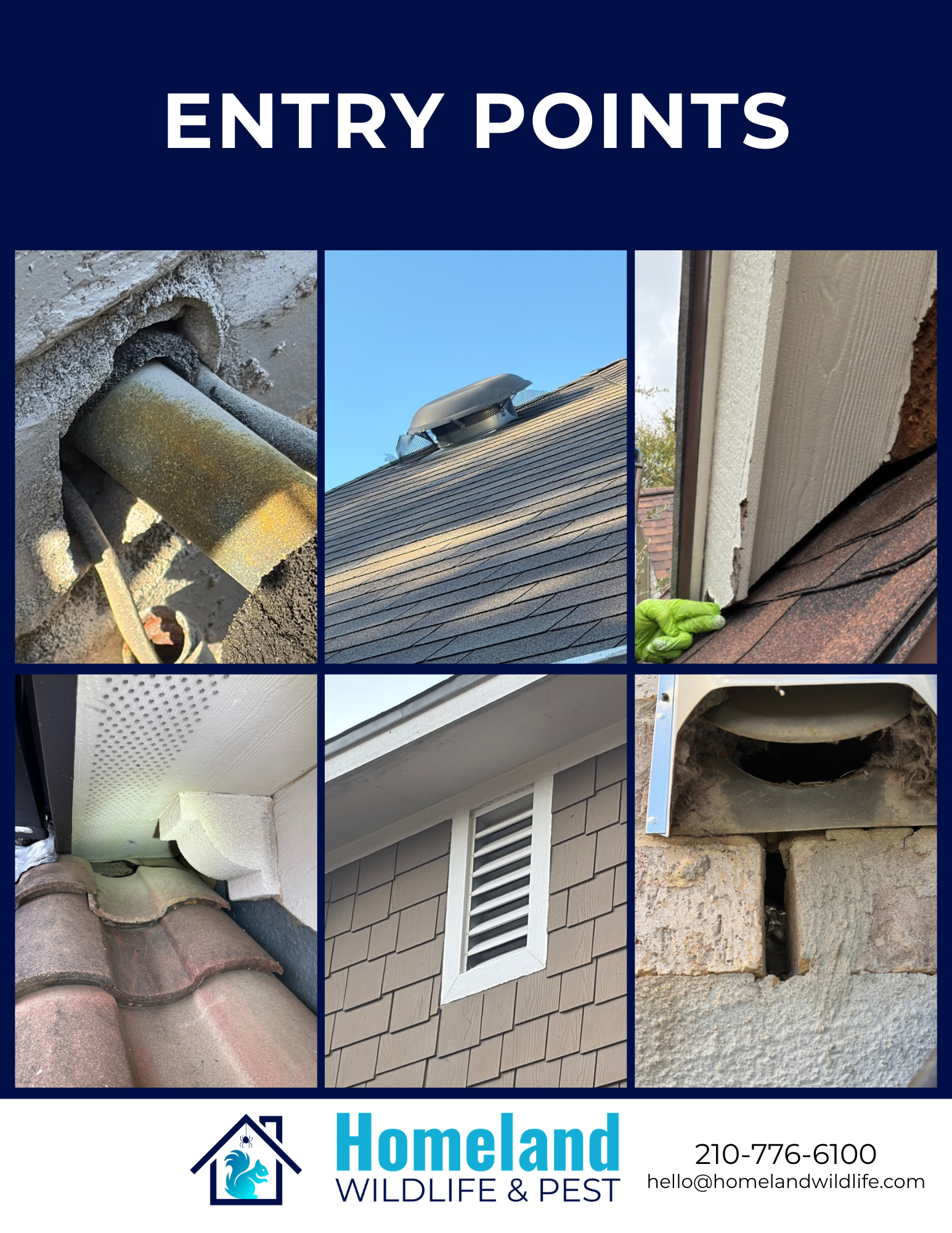
Wrong. Most homes have multiple vulnerable areas. If you only seal one entry point, animals will find another within days. We routinely find 5-10 potential entry points on a single home that were never addressed.
2. They Use Materials Wildlife Can Chew Through
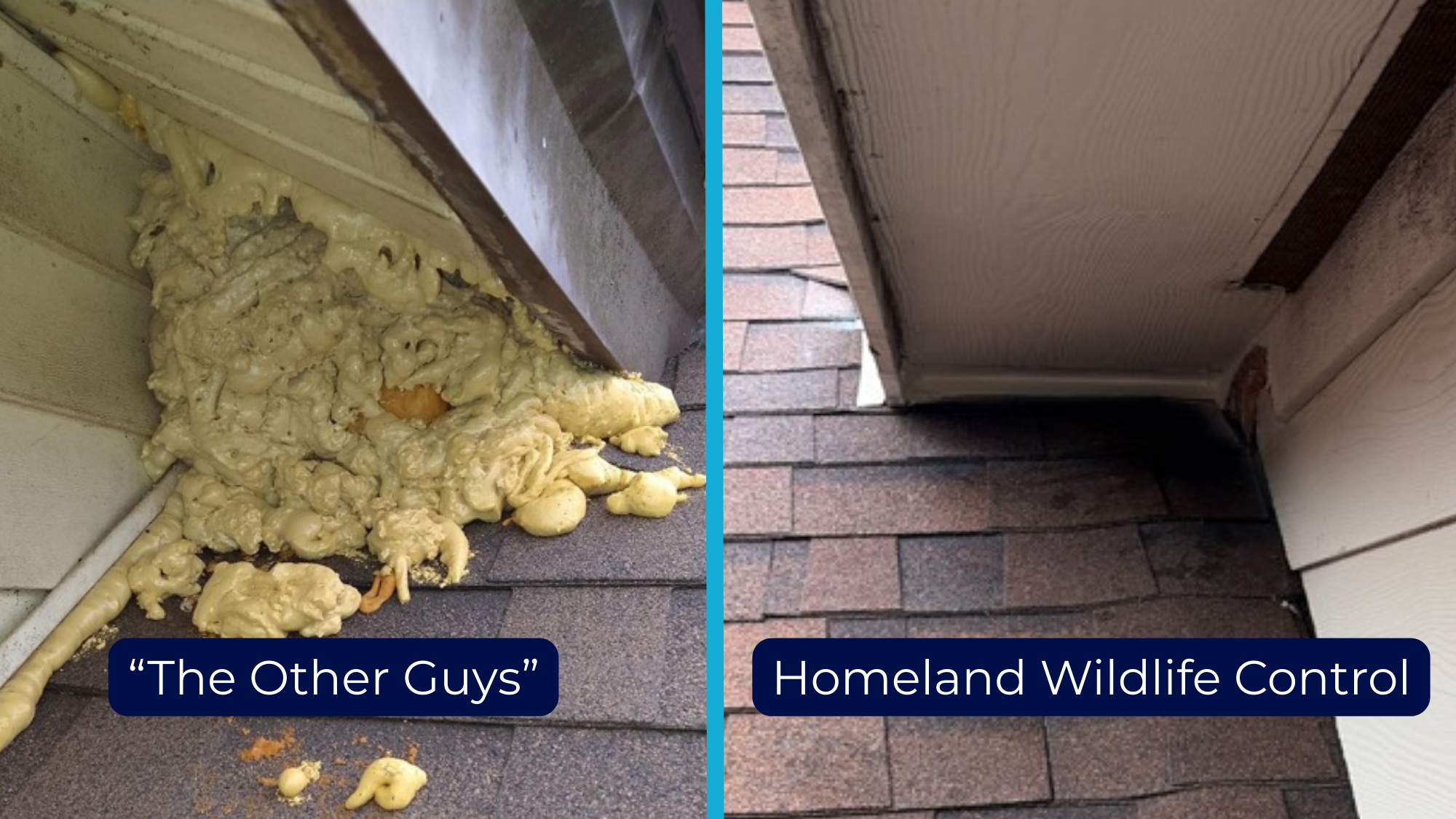
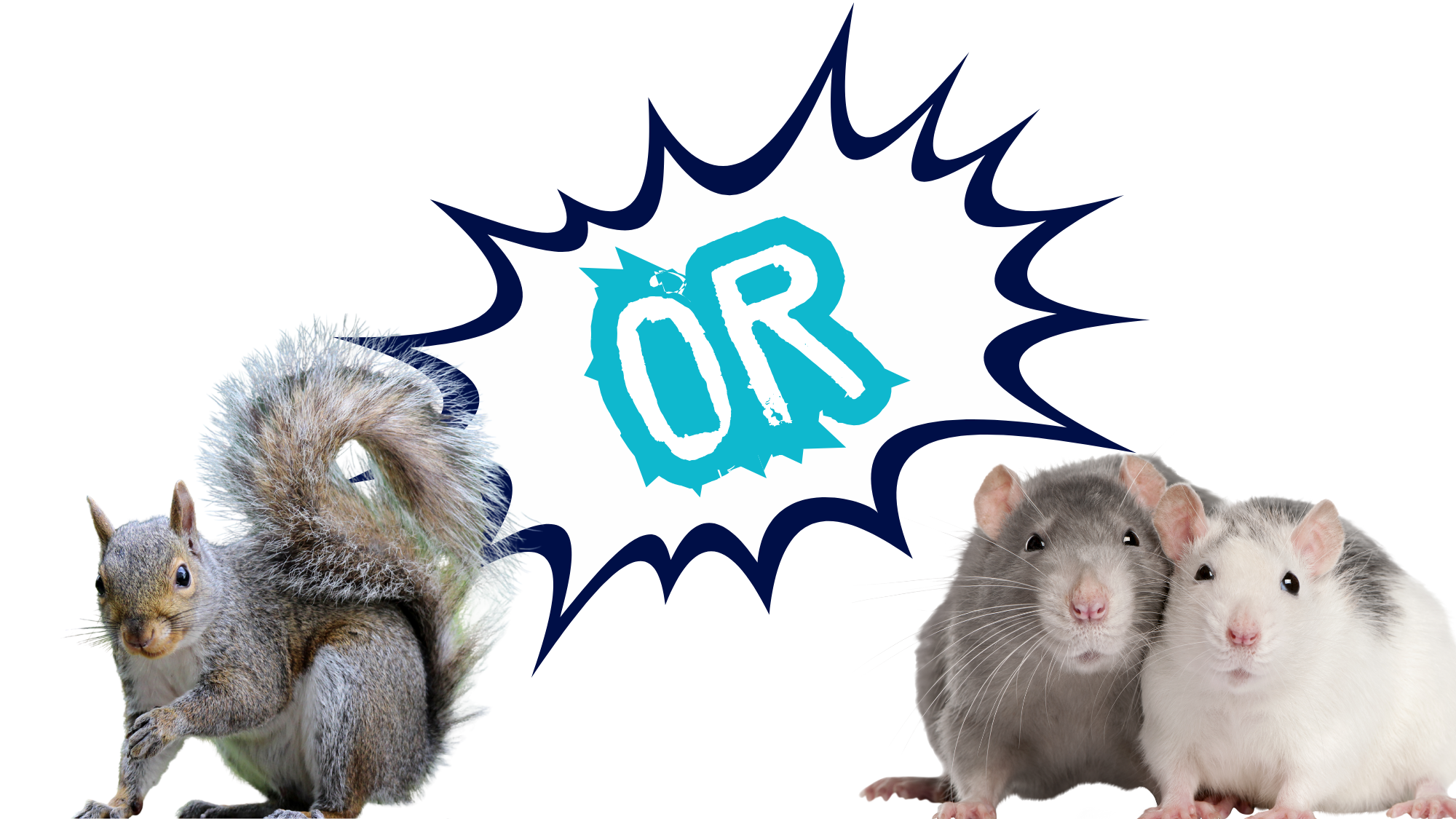
Expanding foam, caulk, and wood are not wildlife barriers. Squirrels and rats chew through these materials like they're not even there.
We've pulled out foam "repairs" that lasted less than 48 hours before animals chewed right back through. It looks like a fix, but it's completely ineffective.
3. They Don't Match Your Home
Even when companies use proper materials, they often don't care what it looks like. We've seen aluminum flashing nailed across roof returns on expensive homes, unpainted sheet metal stuck to siding, and mismatched materials that scream "cheap repair."
Your home deserves better than that.
4. They Trap Animals Inside
Some companies seal entry points without checking if animals are still inside. The result? Trapped wildlife that dies in your walls or attic, creating horrific odors that last for weeks.
Proper exclusion work includes making sure all animals are out before sealing—and installing one-way doors if needed to let animals exit safely.
Real wildlife exclusion isn't about quick fixes. It's about permanently sealing your home so animals can't get back in—ever.
Here's our process:
Step 1: Complete Inspection
We don't just look at the obvious damage. We inspect your entire roofline, foundation, vents, soffits, AC chases, garage doors, and any other vulnerable areas. Every potential entry point gets identified before we start any work.
Step 2: Remove Wildlife Humanely
If animals are inside, we trap and relocate them safely. We check for nests and babies to ensure no animals are left behind. We never seal until we're certain the attic is clear.
Step 3: Seal Every Entry Point
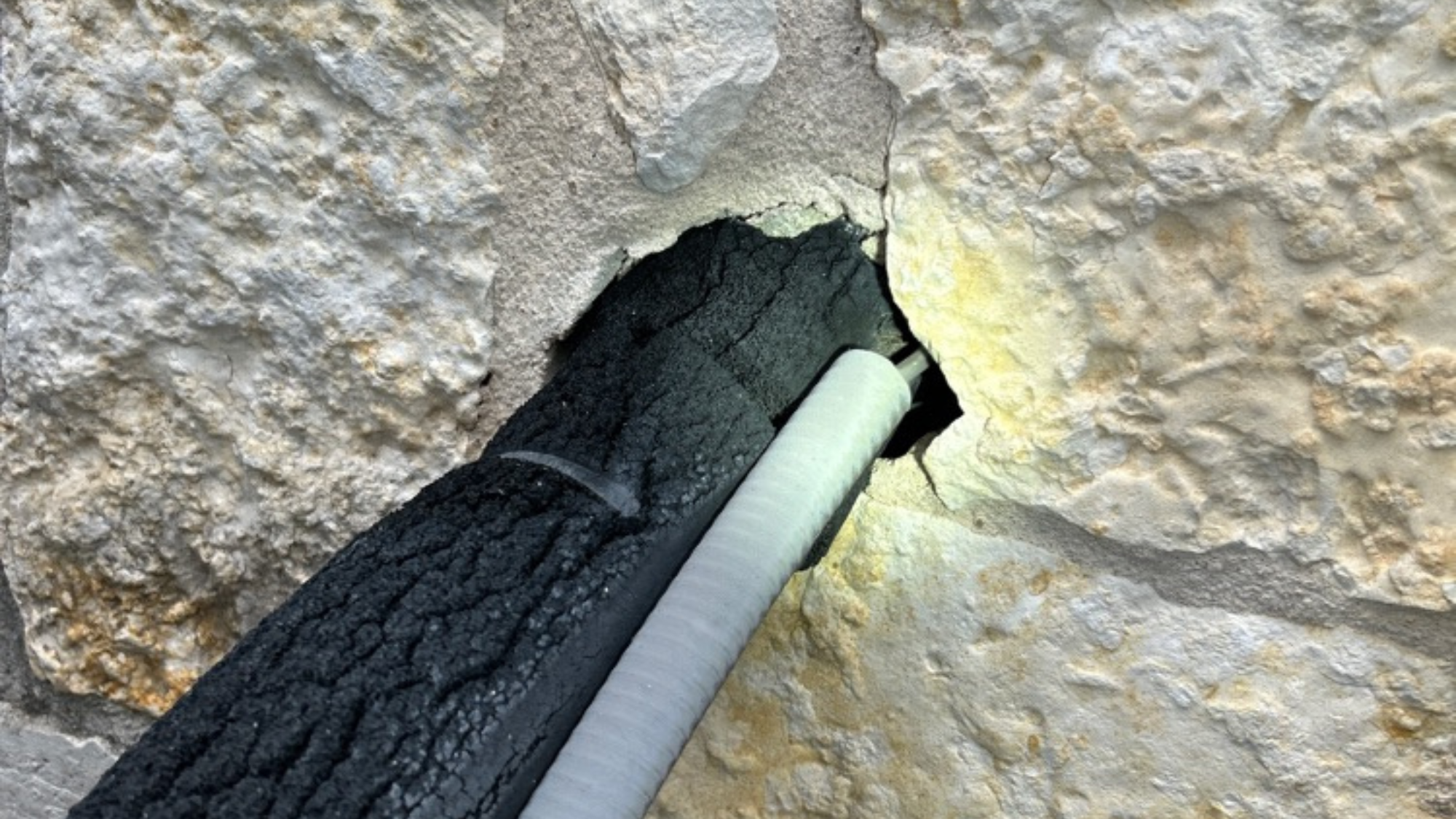
We use chew-proof materials—steel and aluminum that wildlife physically cannot penetrate. We custom-cut and install these materials to match your home's exterior, so the repairs blend in rather than standing out.
This includes:
Step 4: Clean and Repair (If Needed)
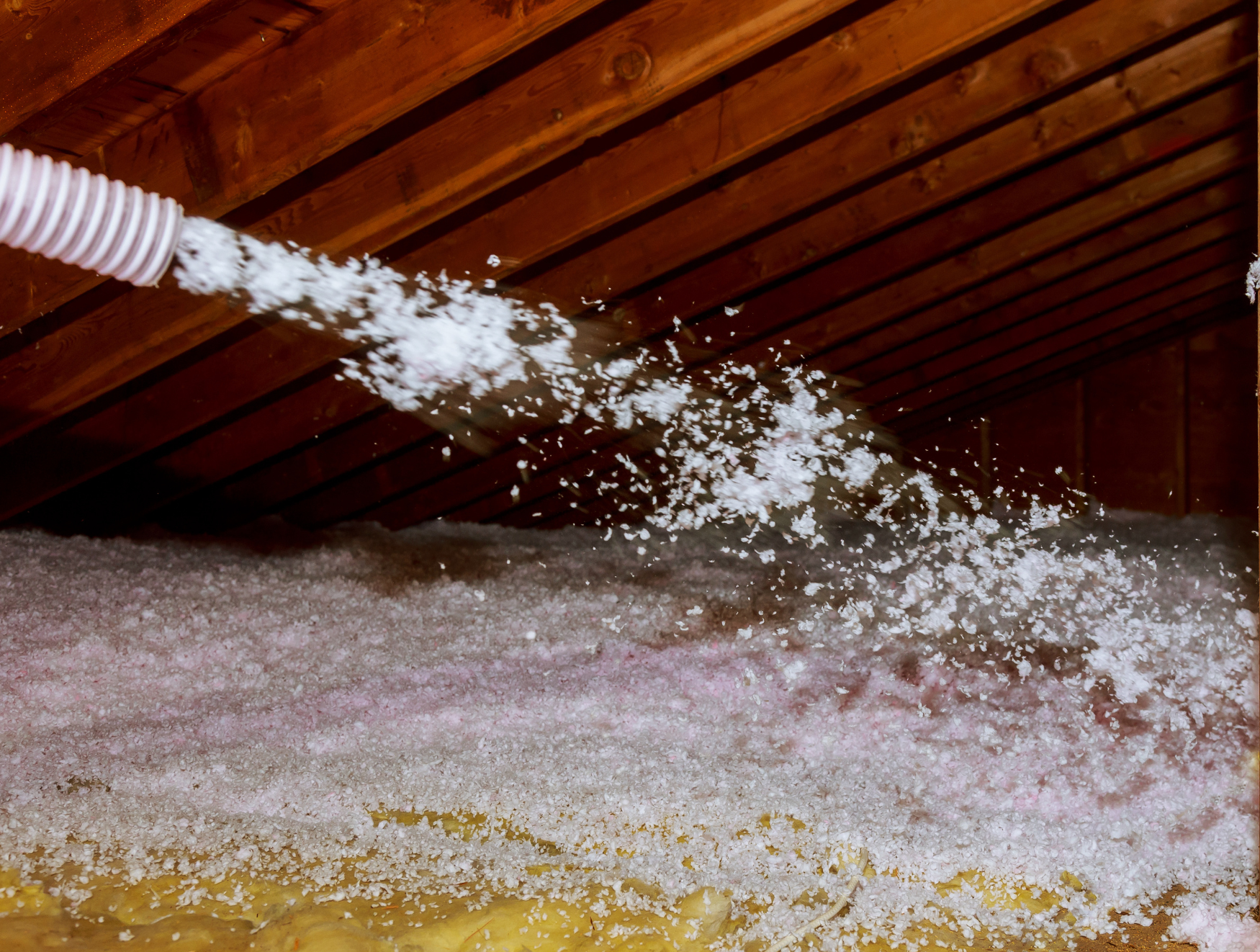
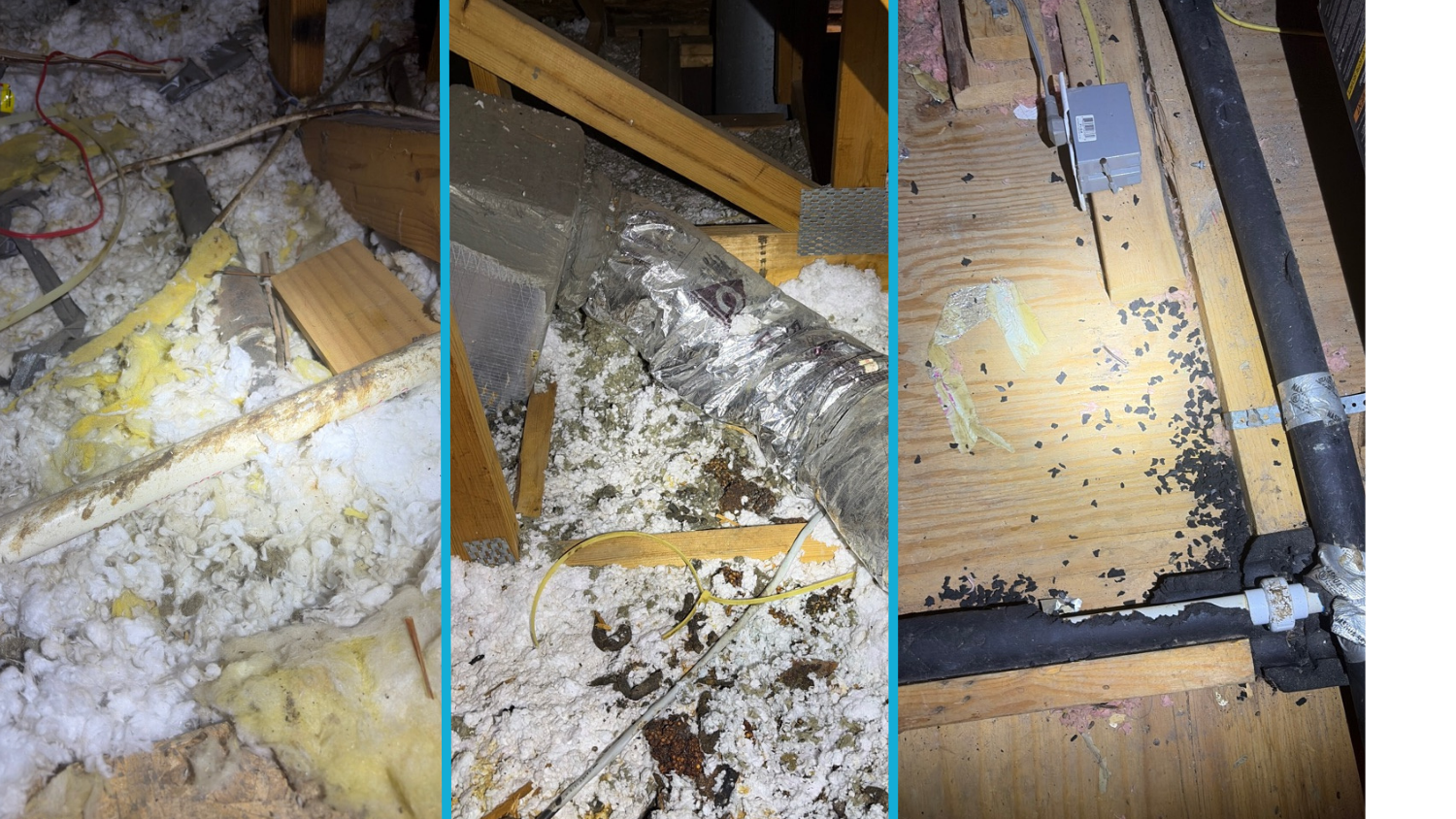
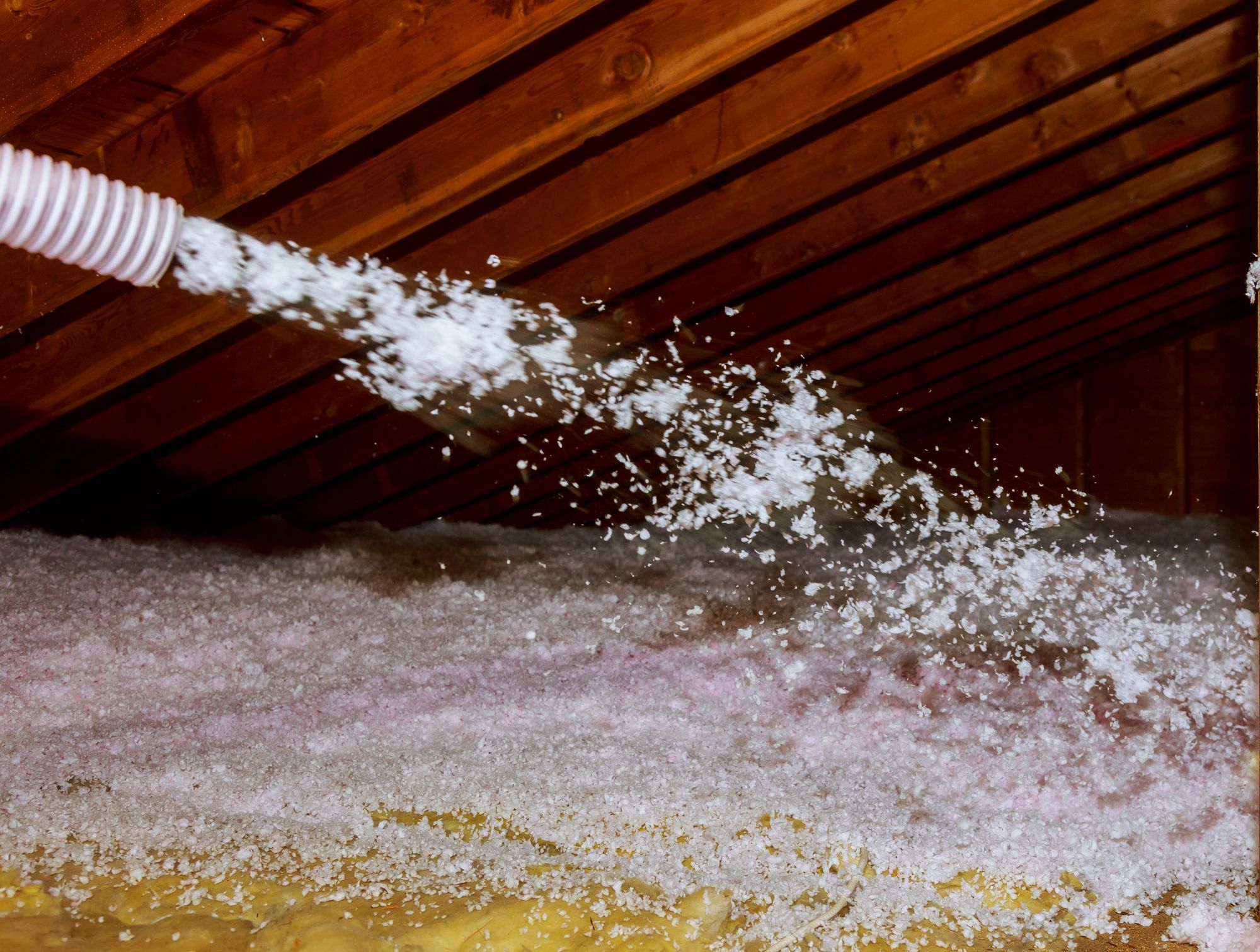
If wildlife damaged insulation, chewed wiring, or left droppings throughout your attic, we handle that too. We remove contaminated insulation, sanitize the space, and blow in fresh insulation to proper depths.
Step 5: Guarantee Our Work
We back every exclusion with a lifetime warranty. If an animal gets back in through a spot we sealed, we fix it free of charge. That's how confident we are in the quality of our work.
We understand the temptation to save money by handling it yourself. But here's the reality:
You don't have the right materials.
Hardware stores don't sell the commercial-grade steel mesh and custom sheet metal we use. The materials available to homeowners simply aren't strong enough.
You'll miss entry points.
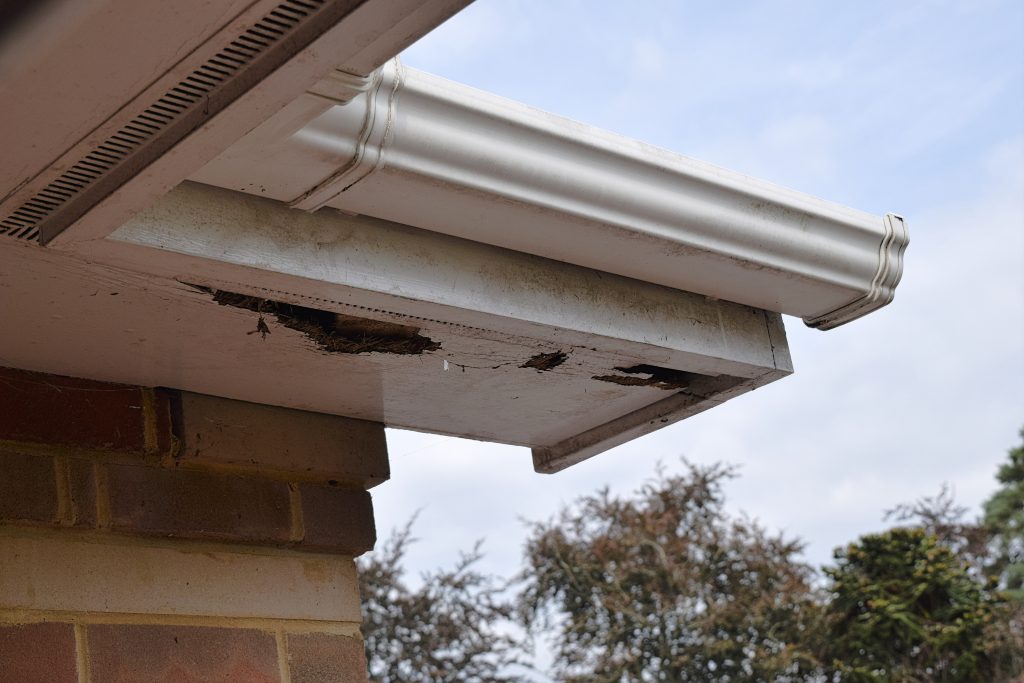
Wildlife entry points are often hidden—behind trim, under soffits, inside roof valleys. Without experience, it's easy to miss them. Animals will find what you missed.
It takes specialized tools.
Properly sealing a home requires tools most homeowners don't own: metal shears, rivet guns, sealant guns, ladders tall enough to reach second-story rooflines safely.
It's dangerous.
Working on roofs and ladders is risky, especially if you're not used to it. One slip can result in serious injury.
We've seen countless DIY attempts fail, and homeowners end up calling us anyway—after they've already spent money and time on materials that didn't work.
If you need wildlife exclusion, here's what separates real professionals from quick-fix companies:
✅ They inspect the entire home, not just the obvious damage
✅ They use steel or aluminum materials, not foam or caulk
✅ They match repairs to your home's exterior
✅ They guarantee their work for life, not 30-90 days
✅ They have years of experience specifically in wildlife exclusion
✅ They provide before-and-after photos of their work
✅ They explain exactly what they're doing and why
If a company can't check all these boxes, keep looking.
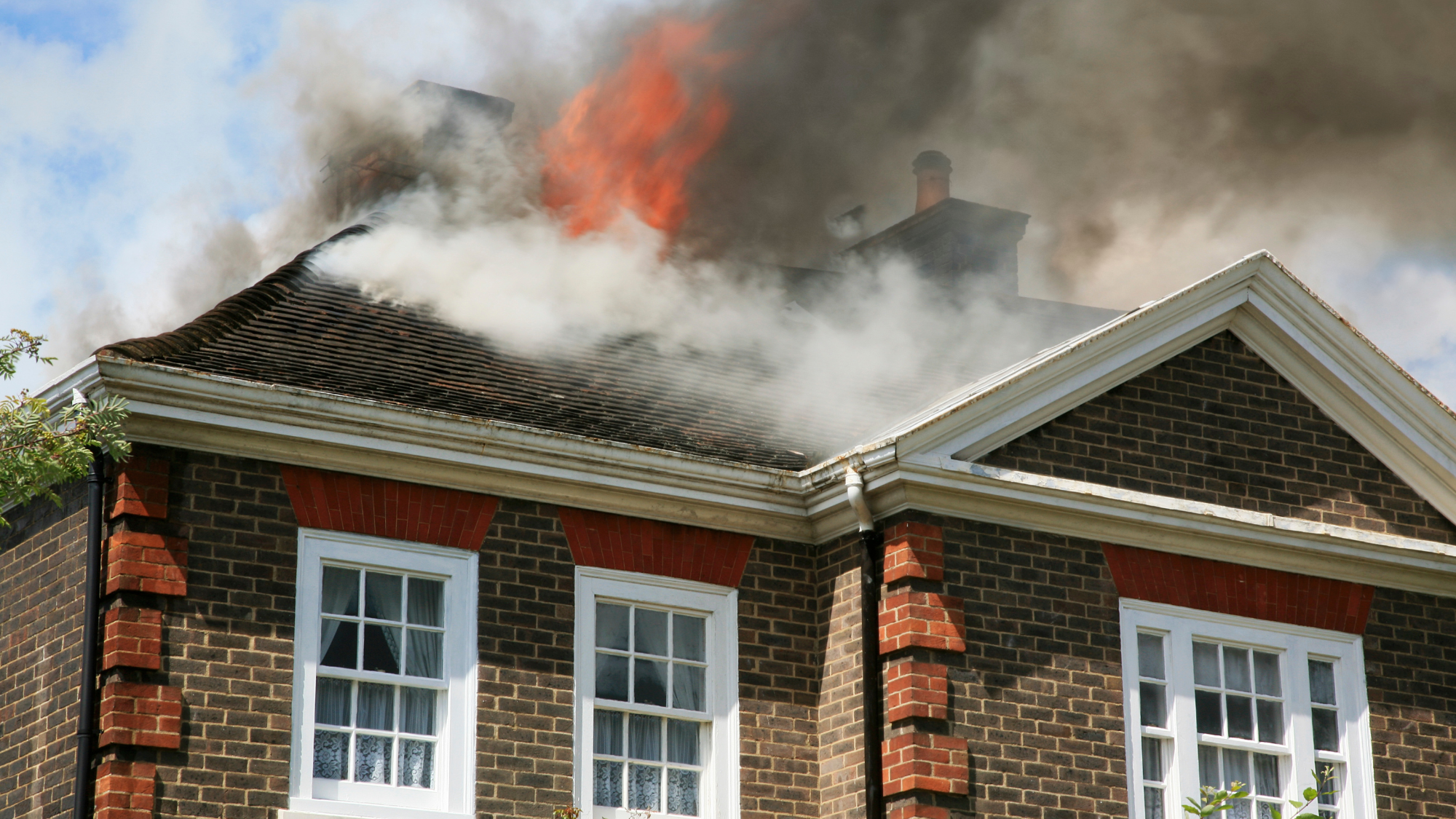
Wildlife exclusion isn't just about stopping noise or preventing damage. It's about protecting your home—one of your biggest investments.
Animals in attics cause:
The longer you wait or rely on temporary fixes, the more damage accumulates and the more expensive the repair bill becomes.
At Homeland Wildlife & Pest Control, we've built our reputation on doing what other companies won't: permanent, professional wildlife exclusion that actually works.
We've been serving San Antonio for over 14 years, and we've fixed thousands of failed repairs from other companies. We know what works and what doesn't—and we do it right the first time.
If you've already paid someone to fix your wildlife problem and the animals came back, call us. We'll show you what they missed and seal your home properly.
And if you haven't had work done yet? Don't waste money on a company that will do it wrong. Start with professionals who guarantee results.
📞 210-776-6100
🌐 www.HomelandWildlife.com
Free inspections. Lifetime warranty. Over 14 years protecting San Antonio homes.

February 13, 2025
.png)
March 19, 2025

May 5, 2025
.png)
May 1, 2025
.png)
May 2, 2025

January 27, 2026
%20(6.8%20x%206.8%20in)%20(2).png)
July 10, 2026

.png)


.png)

.png)
.png)
.png)
.png)
.png)

.png)
.png)
.png)
.png)
.png)


.png)
.png)
.png)
.png)
.png)
.png)
.png)
.png)
.png)

.png)
.png)
%20(6.8%20x%206.8%20in)%20(1).png)
.webp)
.png)

.png)
.png)