A blue calendar icon
August 7, 2026

How Tree Branches Can Become Highways for Wildlife

How Tree Branches Can Become Highways for Wildlife

Protect Your Home by Looking Beyond the Roof

Beautiful, mature trees add shade, curb appeal, and value to your property. However, if tree branches are growing too close to your home, they can also provide wildlife with an easy path to your roof and attic.

At Homeland Wildlife Control & Insulation, one of the first things we look for during a wildlife inspection is overhanging tree branches. These natural "bridges" allow squirrels, raccoons, rats, and other animals to bypass the ground and gain easy access to your home. By maintaining your trees and scheduling regular inspections, you can dramatically reduce the risk of unwanted wildlife moving into your attic.

Why Wildlife Loves Tree Branches

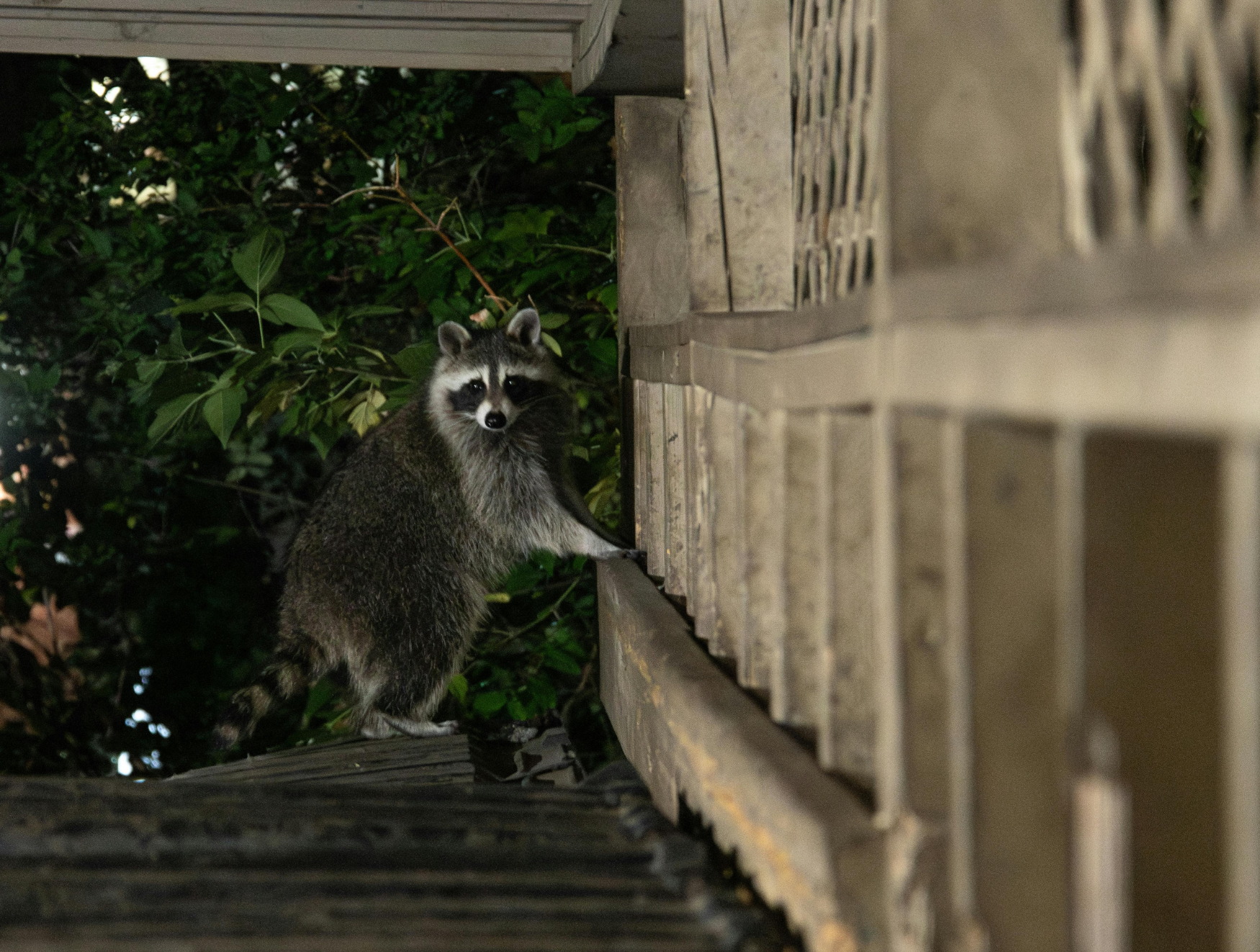
Many animals are excellent climbers and prefer traveling above ground whenever possible. Tree branches offer a safe, elevated route that keeps them away from predators while giving them direct access to your roof.

Common wildlife that uses tree branches to reach homes includes:

  • Squirrels
  • Raccoons
  • Roof rats
  • Opossums
  • Birds
  • Occasionally snakes looking for food or shelter

Once these animals reach your roof, they begin searching for vulnerable areas where they can enter your attic.

What Happens Once Wildlife Reaches Your Roof?

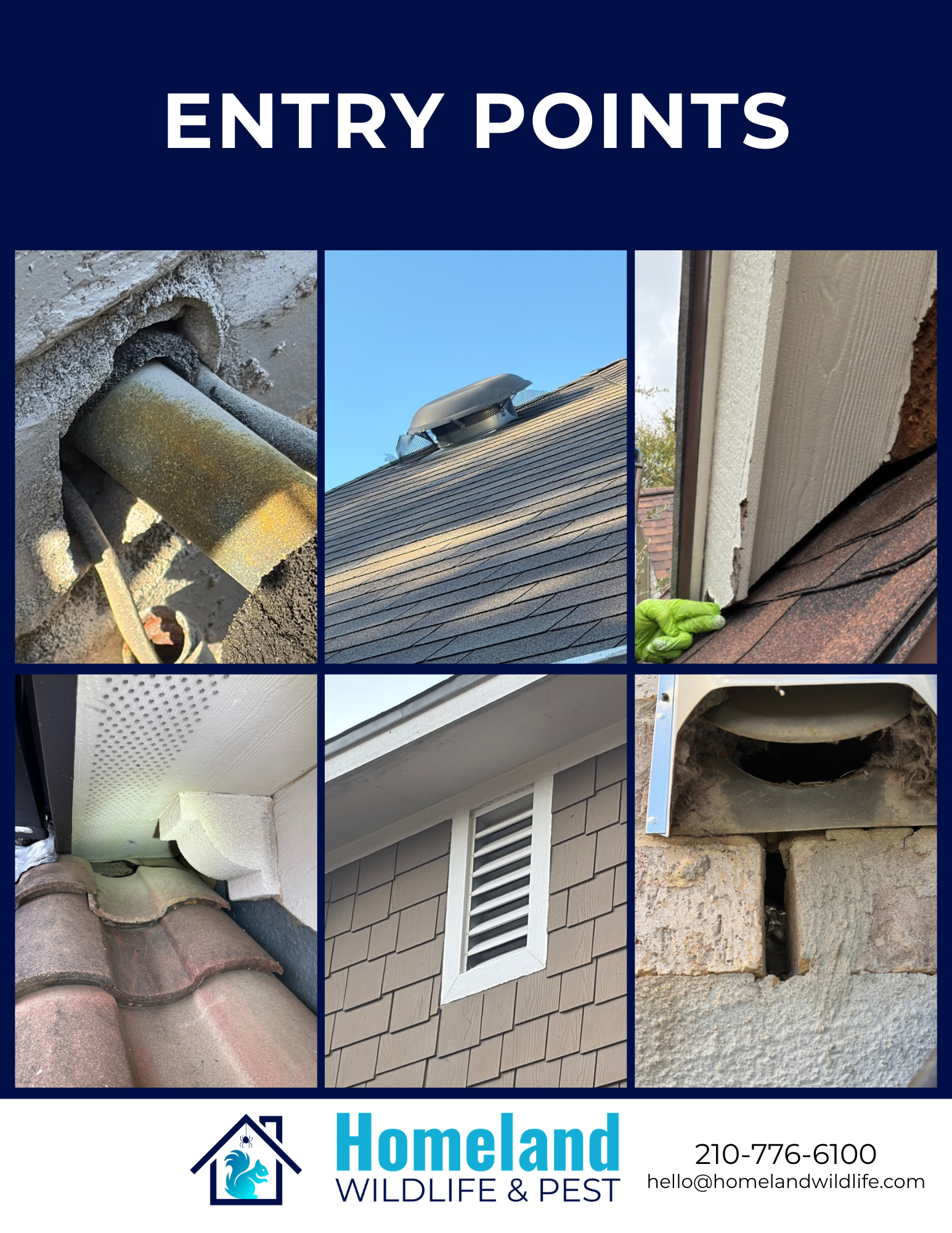
Even a well-built home can have small openings that wildlife can exploit. Animals commonly enter through:

  • Roof vents
  • Soffits
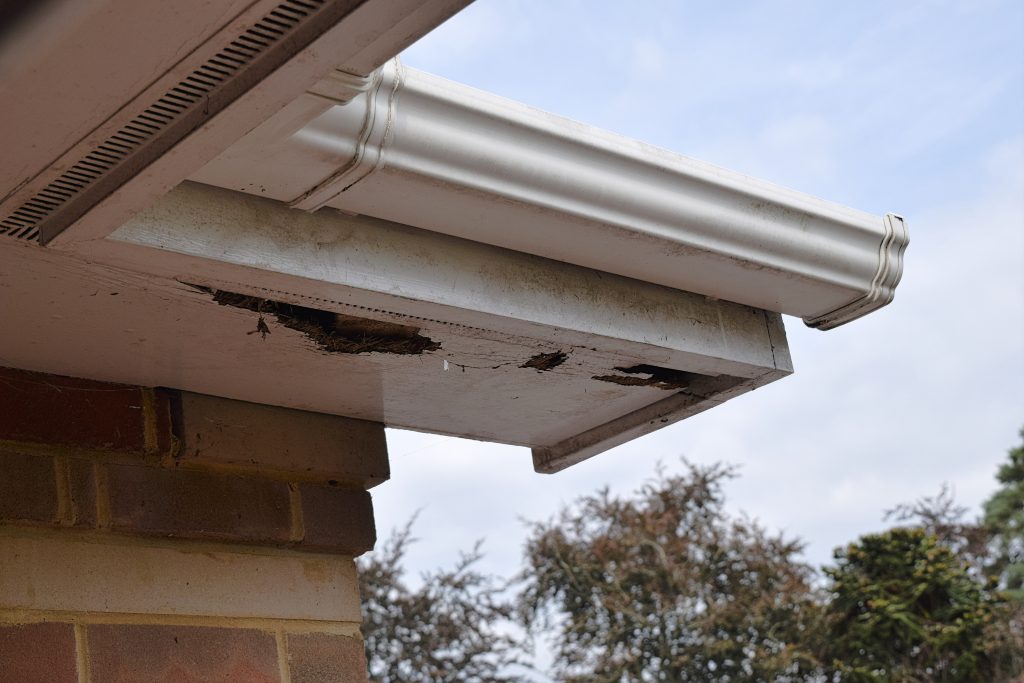
  • Fascia boards
  • Chimneys
  • Plumbing vent boots
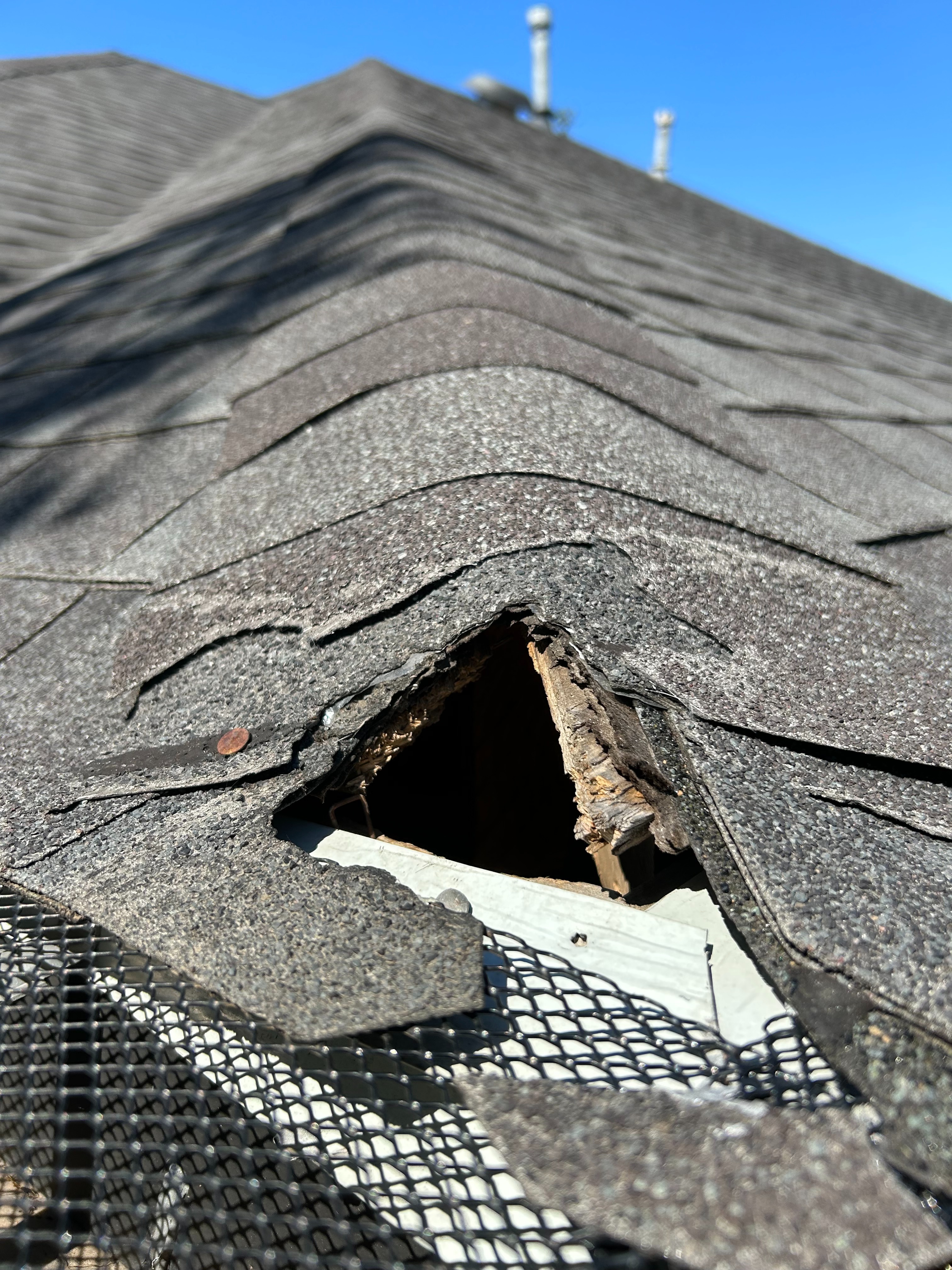
  • Gaps where roofing materials have aged or shifted

Many animals are surprisingly strong and persistent. Squirrels can chew through wood and plastic, while raccoons can tear away loose shingles or fascia to enlarge an opening.

Signs Tree Branches May Be Causing Wildlife Problems

Your trees may be helping wildlife if you notice:

  • Scratching or running noises in the attic
  • Squirrels frequently jumping onto your roof
  • Bird nests near roof vents or gutters
  • Chewed fascia boards or roof edges
  • Droppings around your home's exterior
  • Damaged shingles or roof vents
  • Tree limbs touching or hanging over your roof

These warning signs often indicate that wildlife has already discovered an easy route to your home.

How Far Should Tree Branches Be from Your Roof?

As a general guideline, branches should be trimmed back at least 6 to 10 feet from your roof whenever possible. This distance makes it much more difficult for squirrels, raccoons, and other climbing animals to leap onto your home.

Regular tree maintenance also provides additional benefits:

  • Reduces roof wear from rubbing branches
  • Minimizes clogged gutters from falling leaves
  • Helps prevent storm-related roof damage
  • Improves airflow around your home
  • Makes it more difficult for wildlife to access your roof

Proper pruning is one of the simplest and most cost-effective ways to protect your home.

Wildlife Damage Can Become Expensive

Once animals gain access to your attic, the damage can escalate quickly. Wildlife can:

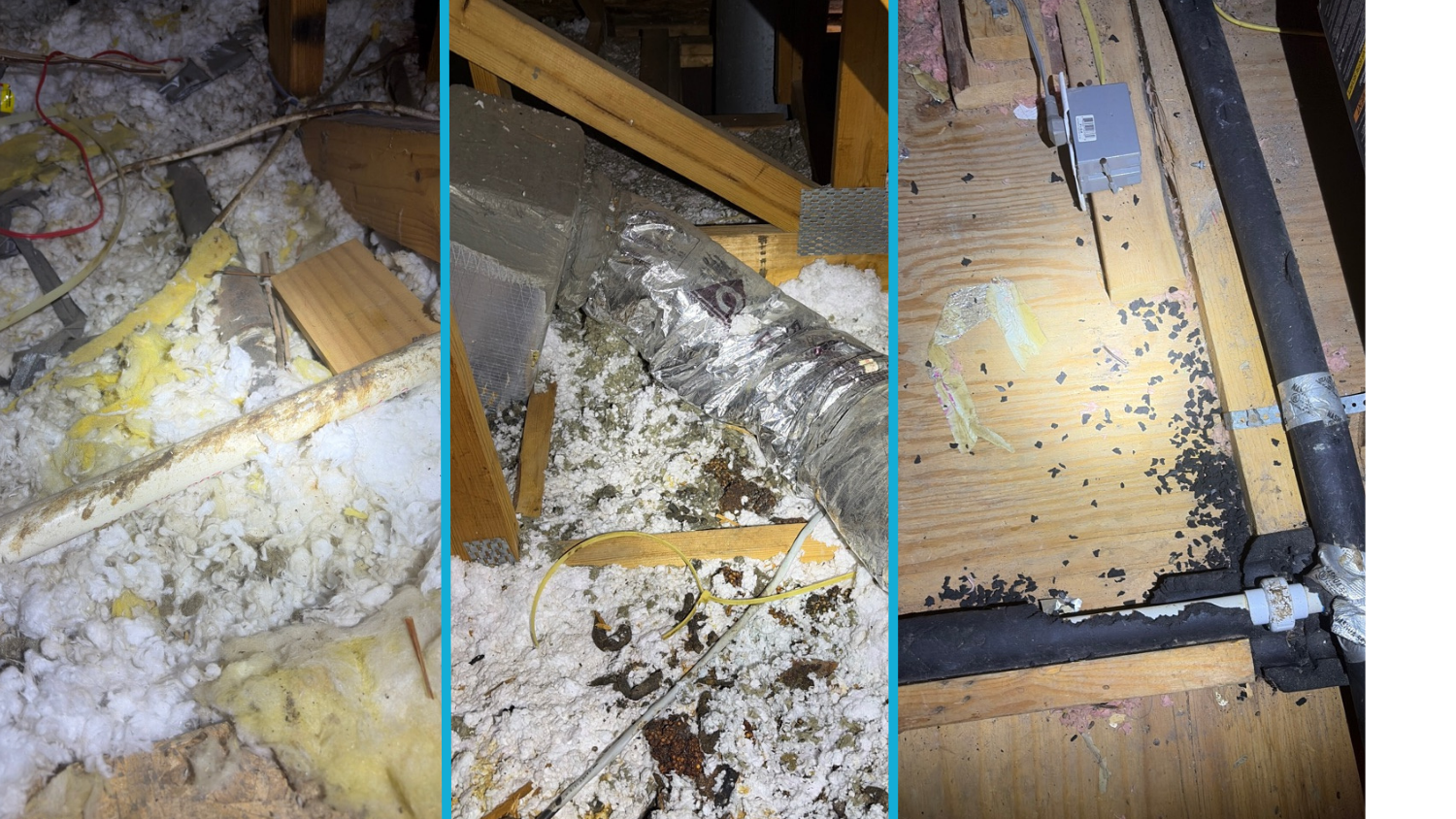
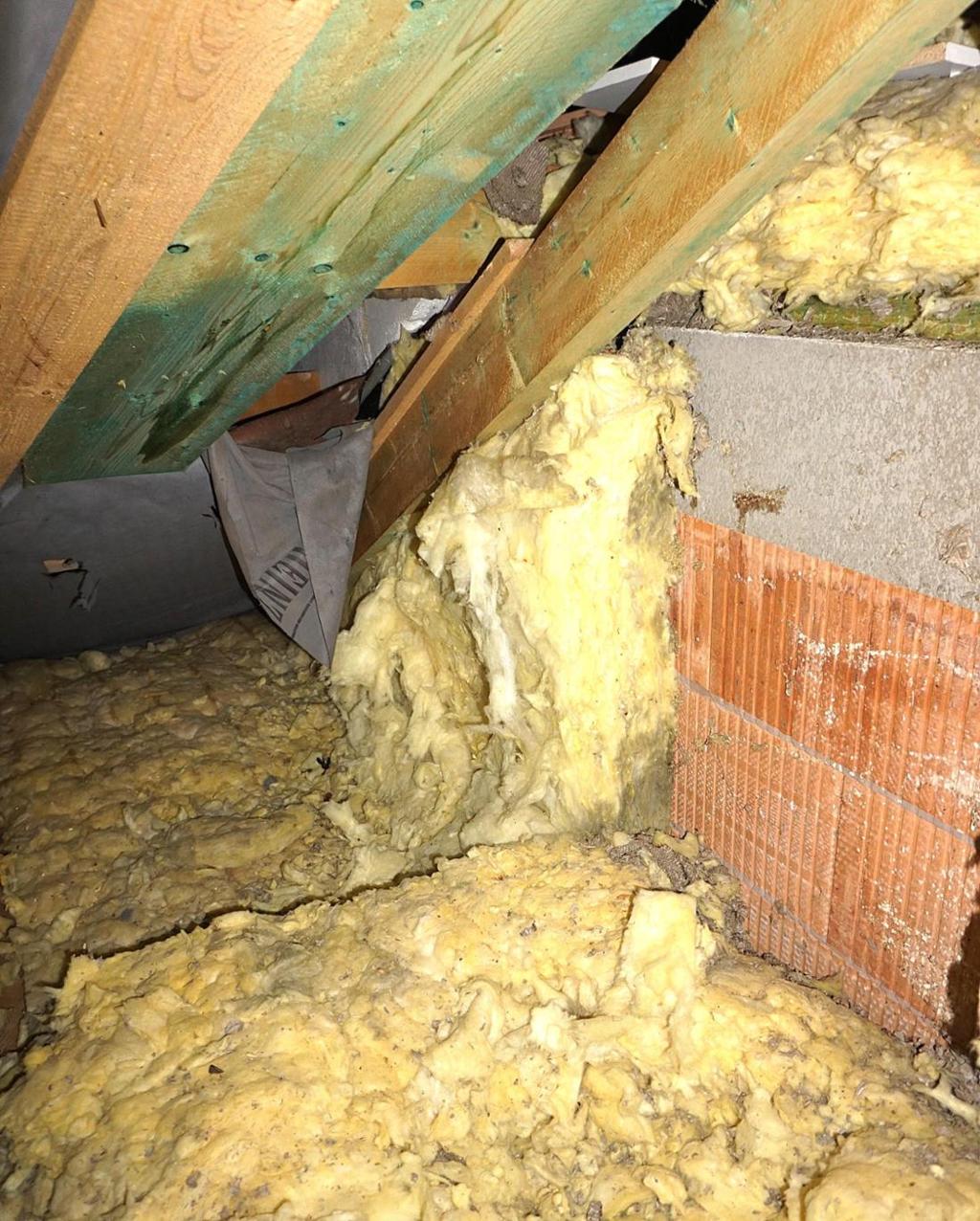
  • Tear apart attic insulation for nesting
  • Contaminate insulation with urine and droppings
  • Chew electrical wiring
  • Damage HVAC ductwork
  • Create unpleasant odors throughout the home
  • Introduce fleas, mites, and other parasites
  • Increase heating and cooling costs by reducing insulation efficiency

What begins as a few overhanging branches can eventually lead to thousands of dollars in repairs.

Prevention Is Always Better Than Repair

Keeping wildlife out starts with making your home less accessible. Homeowners should:

  • Trim tree branches regularly
  • Inspect the roof after storms
  • Repair damaged vents and flashing
  • Seal potential entry points
  • Schedule routine wildlife inspections
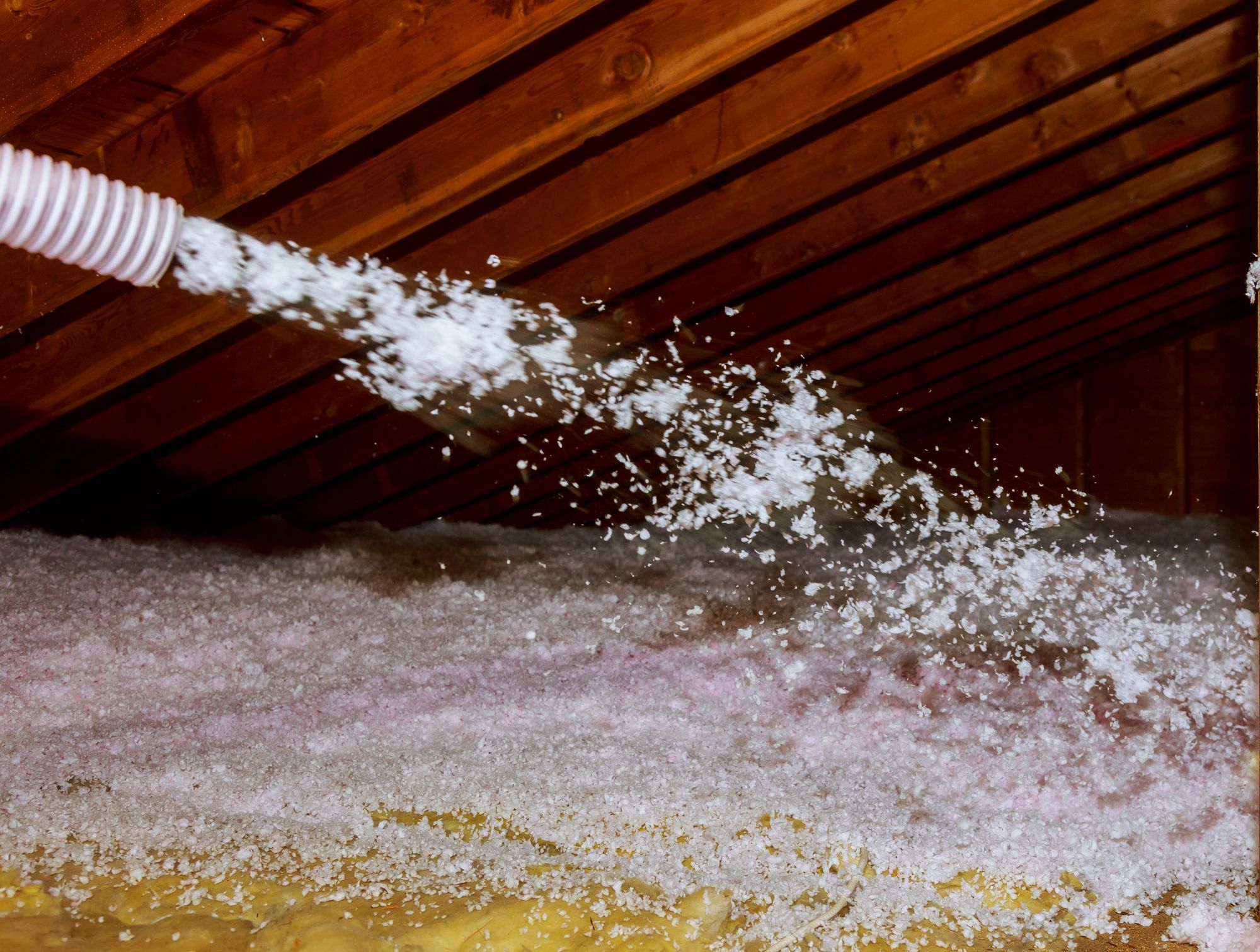
  • Replace contaminated or damaged attic insulation when needed

Combining these preventative measures greatly reduces the likelihood of an infestation.

Homeland Wildlife Control & Insulation Can Help

Our team specializes in identifying the hidden vulnerabilities that allow wildlife into your home. During every inspection, we evaluate not only your attic and roof but also the surrounding landscape—including nearby trees that may be providing wildlife with easy access.

If wildlife has already entered your home, we provide safe, humane removal, professional exclusion services, repairs, attic sanitation, and insulation restoration to help keep your home protected for the long term.

Schedule Your Free Inspection Today

Don't wait until a small tree branch leads to a major wildlife problem. Preventative maintenance today can save you thousands of dollars in future repairs and help protect your family's comfort and safety.

Contact Homeland Wildlife Control & Insulation today to schedule your free inspection and learn how we can help protect your home and your investment. With over 15 years of experience, give us a call at 210-776-6100 for a FREE inspection.

PREVIOUS

no previous post

Back to all posts

NEXT

no Next post

Back to all posts

Recent Articles

The Hidden Dangers: How Critters, Rodents, and Pests Can Wreak Havoc in Your Attic and Home

February 13, 2025

Read more
Why Home Exclusion Services Are Essential for Keeping Critters Out

February 24, 2024

Read more
The Hidden Dangers of Wildlife in Your Home – And How to Stop It

March 7, 2025

Read more
Protecting Your Home with Humane Wildlife Removal & Exclusion

February 18, 2025

Read more
Common Wildlife Problems in San Antonio: What Homeowners Need to Know

February 4, 2025

Read more
Why Most Homes Are Vulnerable to Wildlife – And How to Fix It

February 27, 2025

Read more
The True Cost of Wildlife Damage – Why Waiting Could Cost You Thousands

March 4, 2025

Read more
Rodents in the Roof: How Squirrels, Rats & Mice Break In—And What You Can Do About It

March 19, 2025

Read more
Signs of Wildlife in Your Attic (And What to Do About It)

April 16, 2025

Read more
Why You're Still Seeing Bugs—Even After Pest Control Treatments

April 18, 2025

Read more
The Critical Difference Between Pest Control and Wildlife Control

April 21, 2025

Read more
How to Keep Scorpions Out of Your Home – San Antonio’s Guide to Scorpion Control

May 5, 2025

Read more
The Buzz on Mosquitoes: How to Reclaim Your Yard from These Tiny Terrors

May 15, 2025

Read more
Baby Season is Here — What That Means for Your Attic

May 16, 2025

Read more
Why Your Attic Might Be the Most Dangerous Room in Your House (and What You Can Do About It)

May 1, 2025

Read more
Don’t Let Pests Take Over: Why Routine Pest Control is Essential for Texas Homes

May 2, 2025

Read more
The Sounds in Your Attic: What They Really Mean

May 19, 2025

Read more
Meet the Mexican Free-Tailed Bat — San Antonio’s Winged Wonder

May 22, 2025

Read more
Raccoons in Your Attic? Here’s What Every San Antonio Homeowner Needs to Know

May 23, 2025

Read more
Why You’re Still Seeing Ants in Your Kitchen (Even After You Spray)

May 27, 2025

Read more
The Life of a Texas Scorpion: What They’re Really Doing in Your Garage

May 28, 2025

Read more
The Secret Life of the Armadillo: Texas’s Backyard Digging Machine

May 30, 2025

Read more
Why Raccoons Love Your Soffits (and How to Block Them)

May 29, 2025

Read more
What Are Dirt Daubers (And Should You Be Concerned?)

June 4, 2025

Read more
What’s the Difference Between a Rat and a Mouse?

June 11, 2025

Read more
What Attracts Scorpions to My Home?

June 26, 2025

Read more
What’s the Difference Between a Squirrel and a Rat Nest?

June 27, 2025

Read more
Why Do Skunks Dig Under Homes and Decks?

June 30, 2025

Read more
Why Are Squirrels Chewing Through Your Roof?

July 10, 2025

Read more
What Are Roof Returns (And Why Do Animals Use Them to Break In?)

August 12, 2025

Read more
The Hidden Flaw in Mushroom Vents

September 10, 2025

Read more
Why AC Chase Entry Points Attract Critters

September 17, 2025

Read more
The Trouble With Garage Door Gaps

September 15, 2025

Read more
The Hidden Danger in Contaminated Attic Insulation

October 9, 2025

Read more
October Visitors You Weren't Expecting

October 16, 2025

Read more
Homeowner Money-Saving Tips

October 23, 2025

Read more
Fall Is Here — and So Are the Critters

November 18, 2025

Read more
The Most Overlooked Entry Point in Your Home

December 5, 2025

Read more
Why Your Attic Insulation Matters More Than You Think

December 9, 2025

Read more
How to Keep Wildlife Out of Your Home This Holiday Season

December 17, 2025

Read more
Why "The Other Guy's" Wildlife Work Always Fails

December 22, 2025

Read more
The Hidden Cost of Rodents in Your Attic

December 29, 2025

Read more
Should You Hire a Pest Control Company or a Wildlife Specialist?

January 7, 2026

Read more
What Happens During a Wildlife Inspection?

January 15, 2026

Read more
Can Wildlife Really Cause House Fires?

January 20, 2026

Read more
NEW YEAR, NEW INVADERS: WHY JANUARY IS PRIME TIME FOR RODENT PROBLEMS IN SAN ANTONIO

January 27, 2026

Read more
I HEAR SCRATCHING DURING THE NIGHT - IS IT SQUIRRELS OR RATS?

February 11, 2026

Read more
SHOULD I GET MULTIPLE QUOTES FOR WILDLIFE REMOVAL? WHAT TO COMPARE

February 13, 2026

Read more
5 ENTRY POINTS EVERY SAN ANTONIO HOMEOWNER SHOULD CHECK RIGHT NOW

March 27, 2026

Read more
RESTAURANT OWNERS: HOW WILDLIFE VIOLATIONS DESTROY YOUR HEALTH SCORE

March 31, 2026

Read more
PROPERTY MANAGERS: THE HIDDEN COST OF IGNORING WILDLIFE COMPLAINTS

April 8, 2026

Read more
HOW WILDLIFE DAMAGE AFFECTS COMMERCIAL PROPERTY VALUES (And Why Buyers Care)

April 14, 2026

Read more
SPRING WILDLIFE PREVENTION - HOW TO PROTECT YOUR HOME BEFORE BABY SEASON

April 23, 2026

Read more
OPOSSUMS VS. RACCOONS - HOW TO IDENTIFY WHAT'S IN YOUR ATTIC

May 1, 2026

Read more
SUMMER ATTIC HEAT AND WILDLIFE - WHY ANIMALS MOVE IN WHEN TEMPERATURES RISE

May 8, 2026

Read more
The Importance of Wildlife Prevention for Homeowners

May 15, 2026

Read more
What Is Wildlife Exclusion?

June 1, 2026

Read more
Why Wildlife Prevention Matters: Protecting Your Home Before Problems Start

June 26, 2026

Read more
Wildlife Prevention Helps Preserve Your Home's Energy Efficiency

July 2, 2026

Read more
Why Homeowners Should Schedule a Wildlife Inspection Before Selling Their Home

July 10, 2026

Read more
Why Insulation Matters During Texas' Extreme Heat

July 24, 2026

Read more
Why Regular Roof Inspections Prevent Wildlife Damage

July 31, 2026

Read more
How Tree Branches Can Become Highways for Wildlife

August 7, 2026

Read more
How Tree Branches Can Become Highways for Wildlife

August 7, 2026

Read more
Why Regular Roof Inspections Prevent Wildlife Damage

July 31, 2026

Read more
Why Insulation Matters During Texas' Extreme Heat

July 24, 2026

Read more