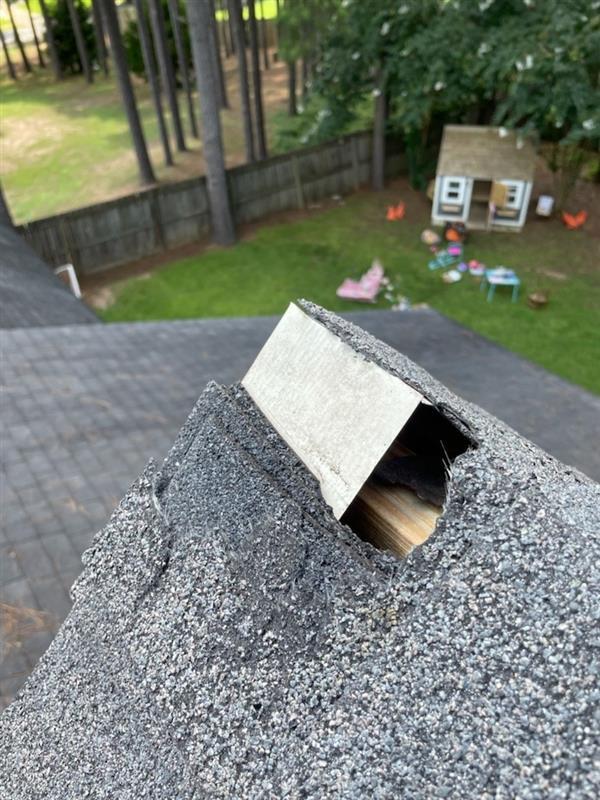
Your chimney may seem like just another part of your roof, but an open or unprotected chimney can become an easy entry point for wildlife, rain, debris, and other unwanted problems. Installing a quality chimney cap is a relatively small investment that can help protect your home from costly damage.
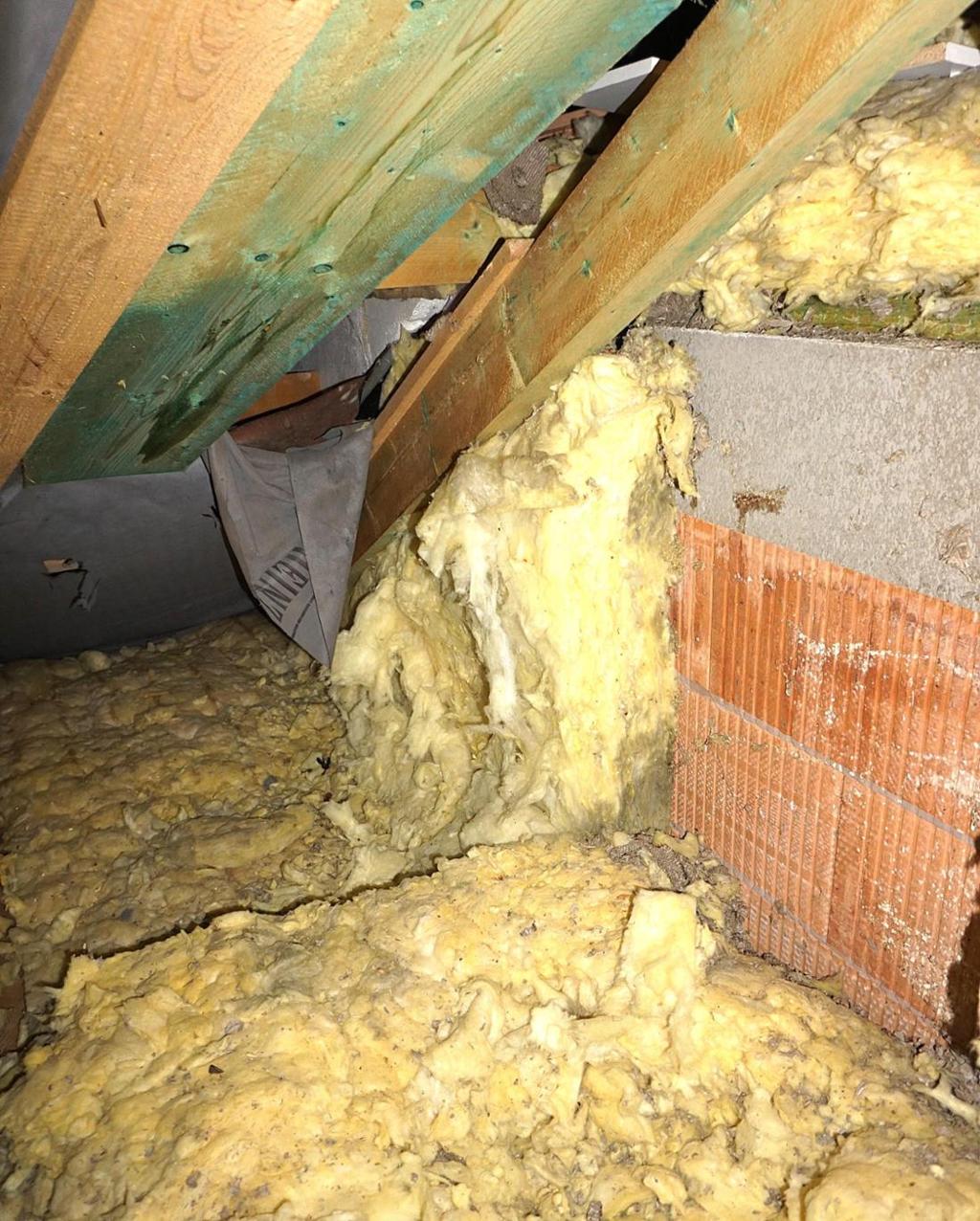
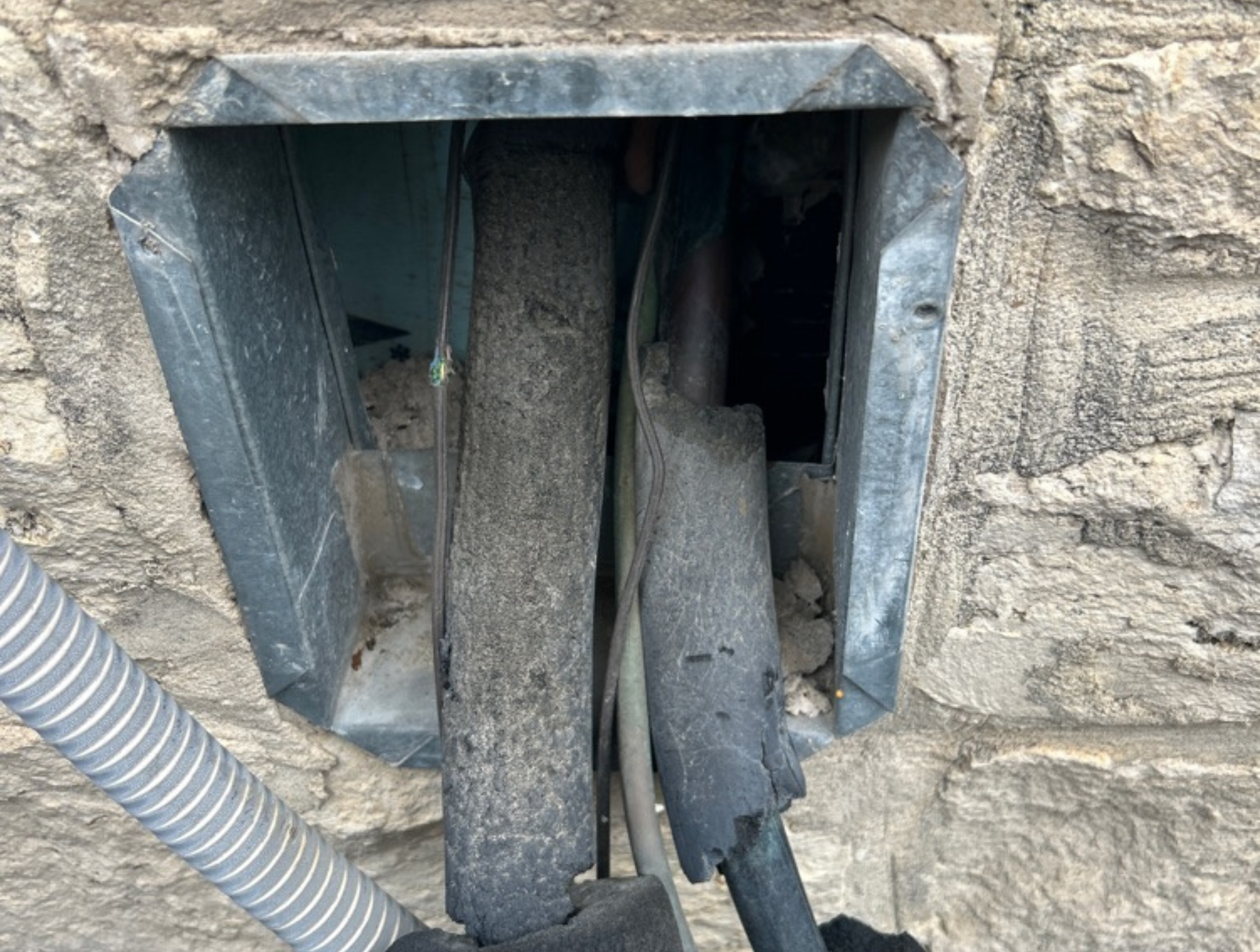
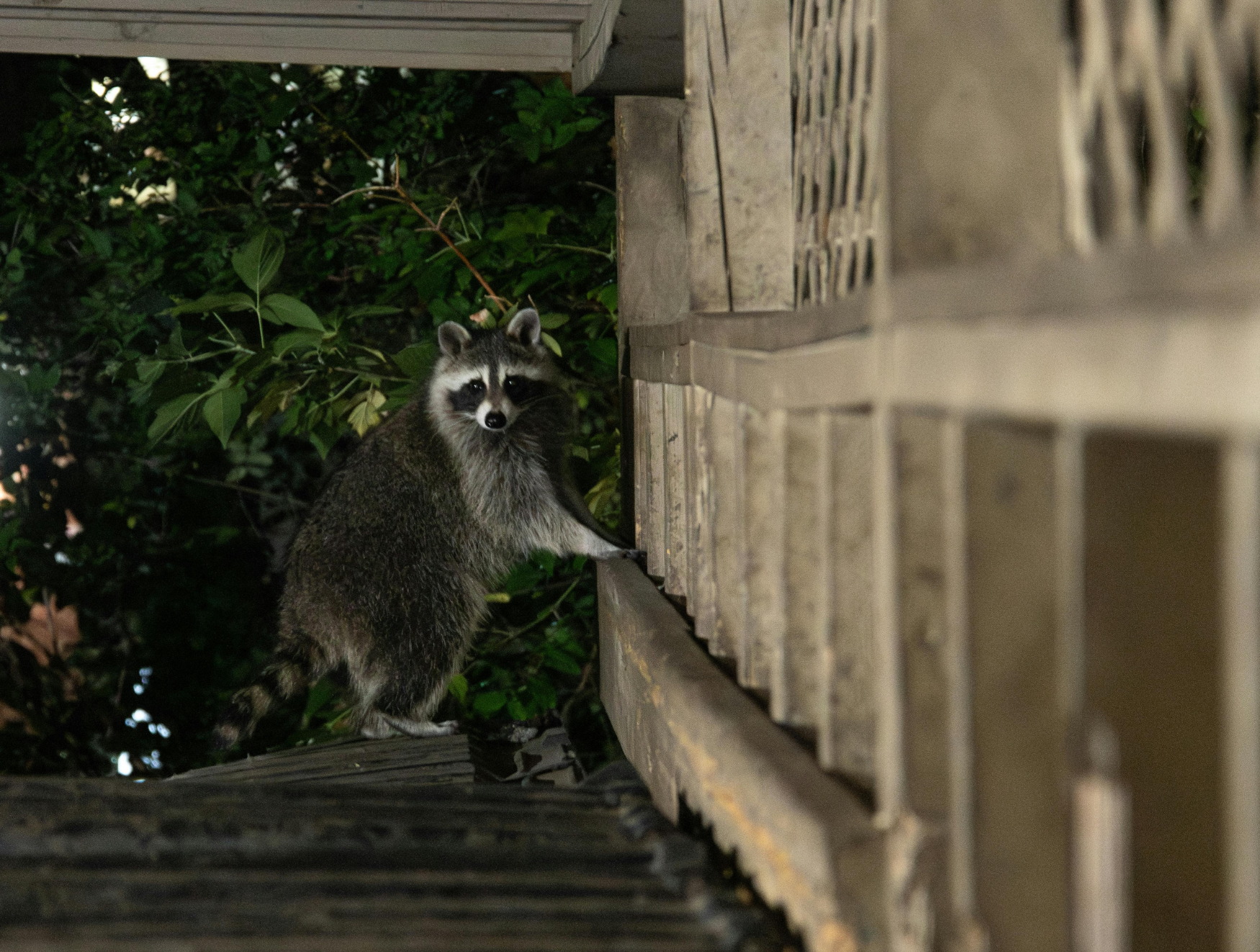
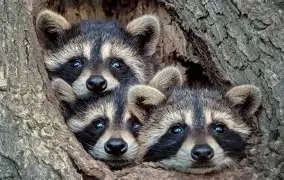
A chimney without a properly installed cap essentially creates an open doorway into your home. Birds, squirrels, raccoons, bats, and other wildlife can enter through the chimney and become trapped inside or make their way into the attic, walls, or living areas.
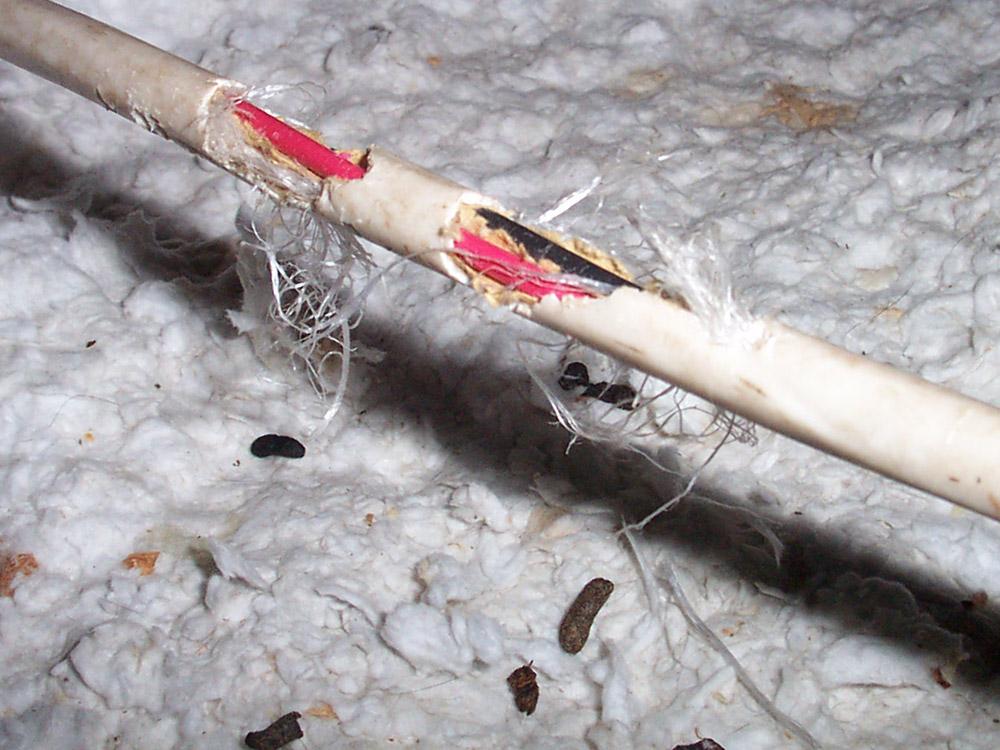
Once an animal gets inside, it can create significant problems, including nesting materials, droppings, unpleasant odors, property damage, and potential damage to electrical wiring or insulation.
A chimney cap provides a protective barrier while still allowing the chimney to function properly.
Wildlife is always looking for safe, sheltered locations to nest and raise young. A chimney can provide exactly that.
Raccoons, squirrels, birds, and other animals may see an unprotected chimney as an ideal place to escape predators and the weather. Once they establish themselves, removing them can become much more complicated.
A properly designed chimney cap with appropriate screening can help prevent animals from entering in the first place.
Wildlife isn't the only concern. An uncovered chimney allows rain and moisture to enter directly into the chimney structure.
Over time, moisture can contribute to:
A chimney cap helps direct water away from the chimney opening and protects the structure from unnecessary exposure to the elements.
Leaves, sticks, pine needles, and other debris can accumulate inside an open chimney. This debris can create blockages and provide nesting material for wildlife.
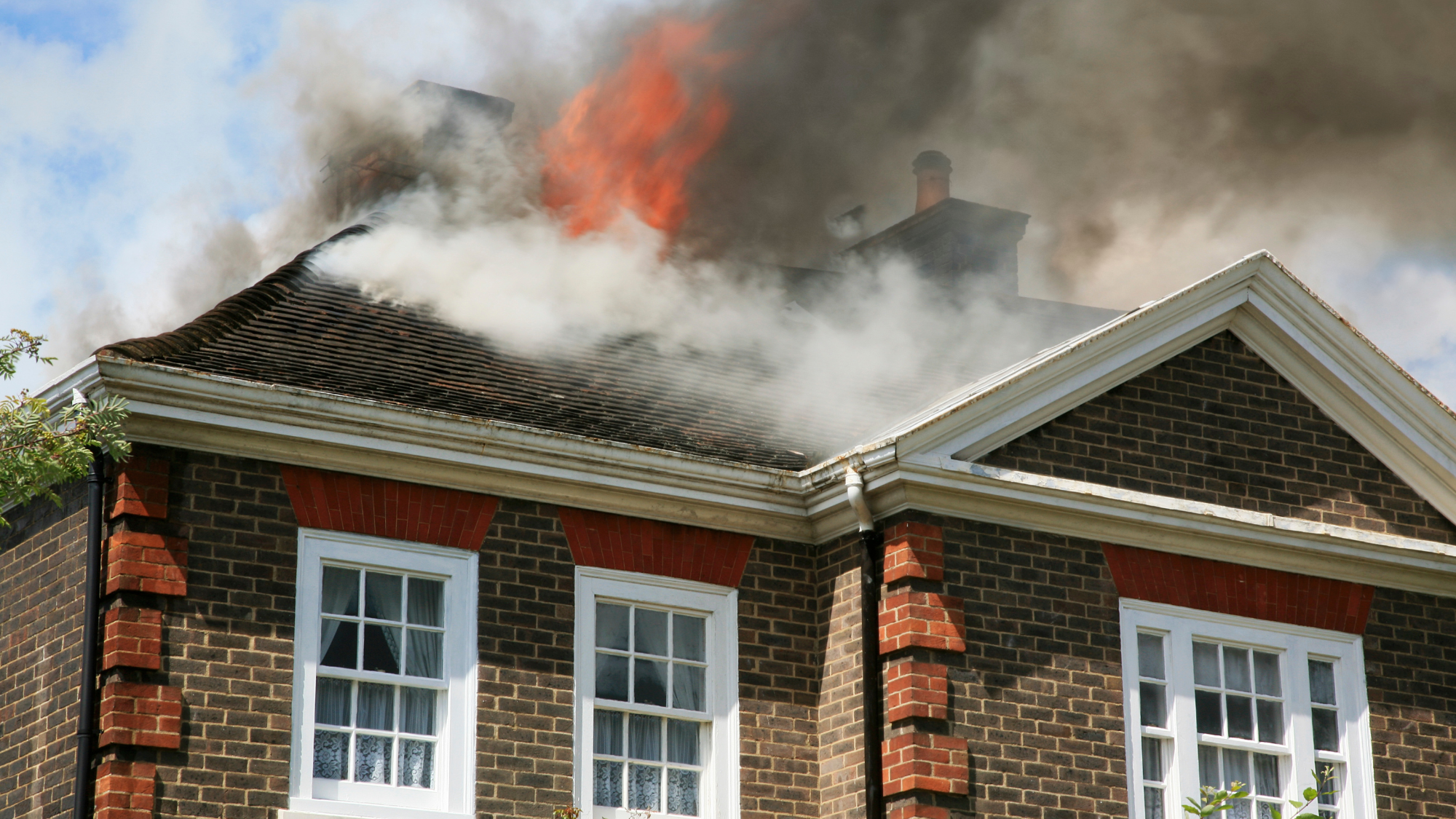
In some situations, debris accumulation can also create a potential fire hazard.
Keeping the chimney opening properly protected is an important part of maintaining your home's chimney system.
A chimney cap should be properly sized and securely installed for the specific chimney. A poorly fitted or damaged cap may not provide adequate protection and can potentially become loose during severe weather.
When evaluating a chimney cap, homeowners should consider:
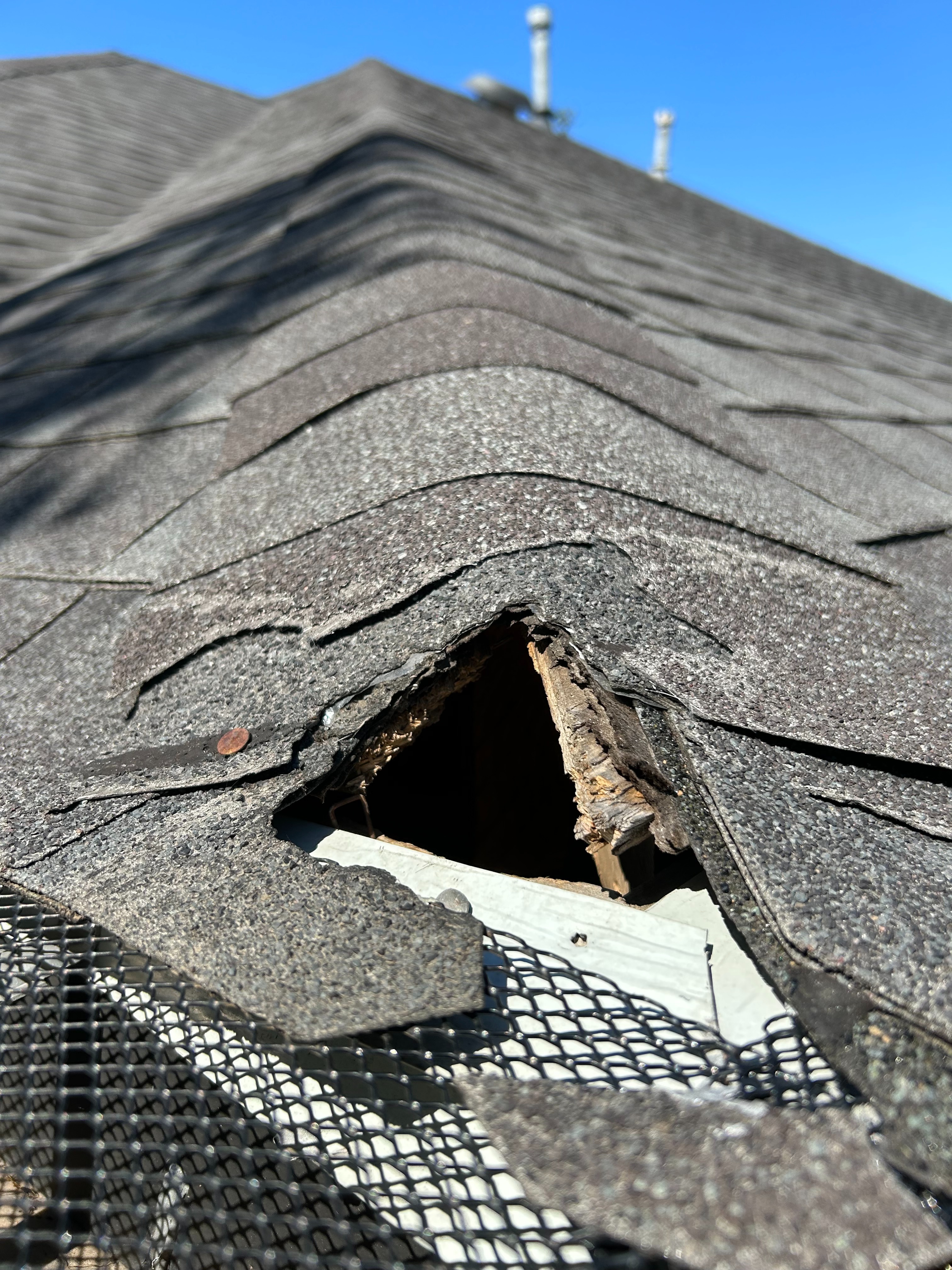
If your chimney cap is missing, damaged, or deteriorating, having it inspected can help prevent a much larger problem later.
If you hear scratching, chirping, movement, or other unusual noises coming from your chimney, attic, or walls, don't assume the problem will resolve itself.
An animal trapped or nesting inside your chimney may require professional wildlife removal before the opening can be permanently secured. Simply installing a cap without addressing an animal that is already inside can make the situation worse.
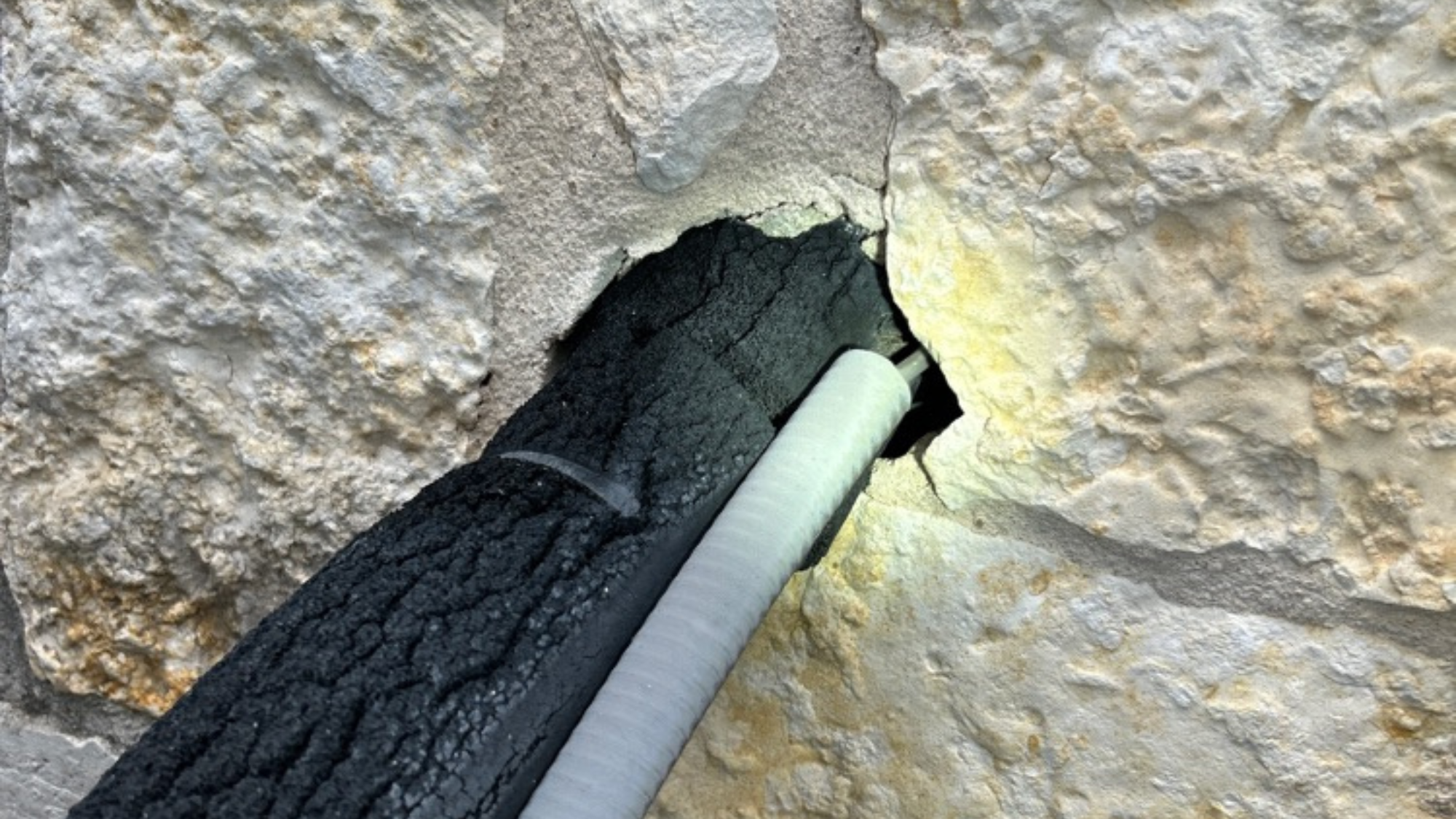
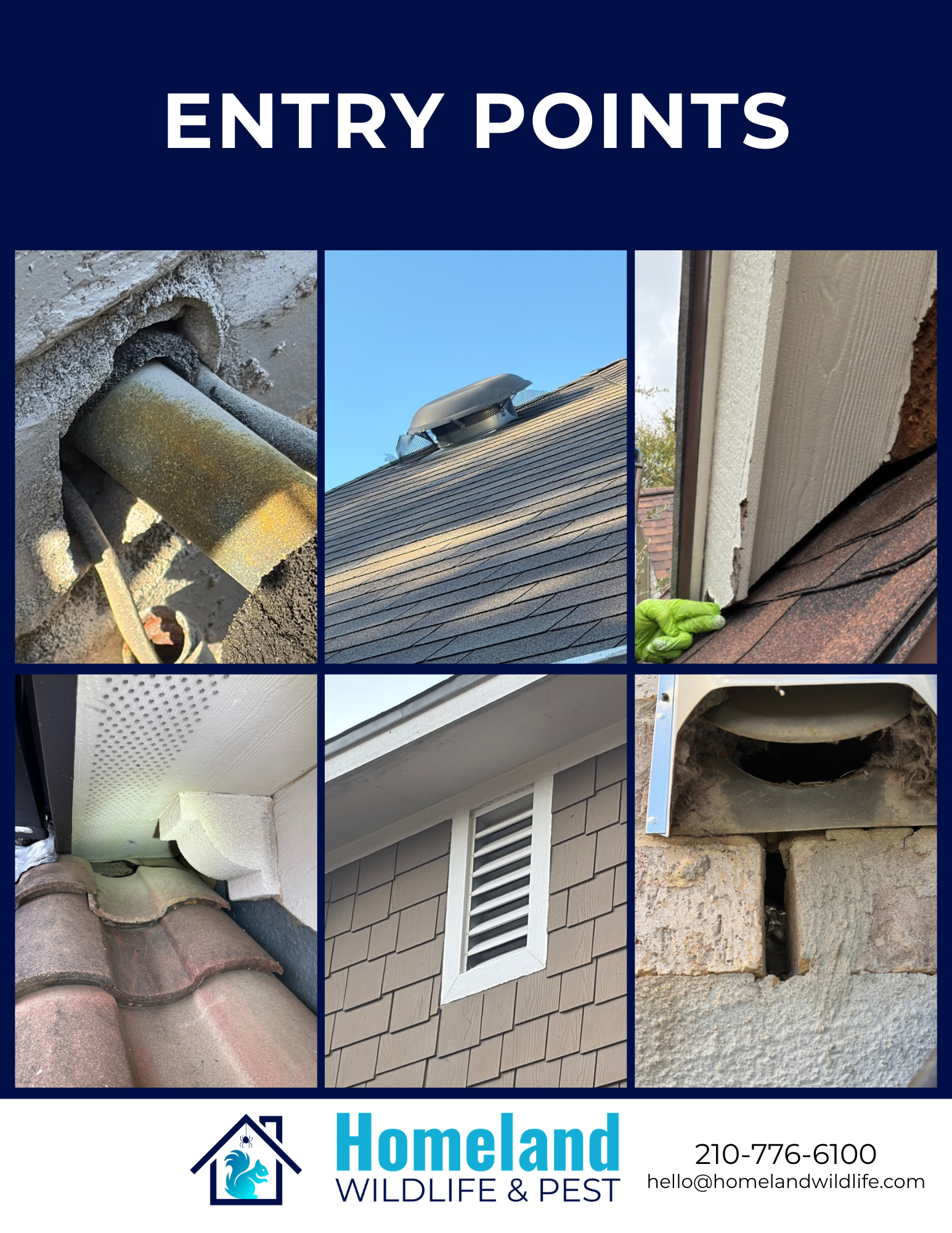
A professional wildlife inspection can identify potential entry points and determine whether animals are currently using the chimney or other areas of the home.
A chimney cap may not be the most noticeable improvement you make to your home, but it can provide valuable protection against wildlife, water, debris, and costly damage.
Preventing an animal from entering your home is almost always easier—and less expensive—than dealing with the damage after it happens.
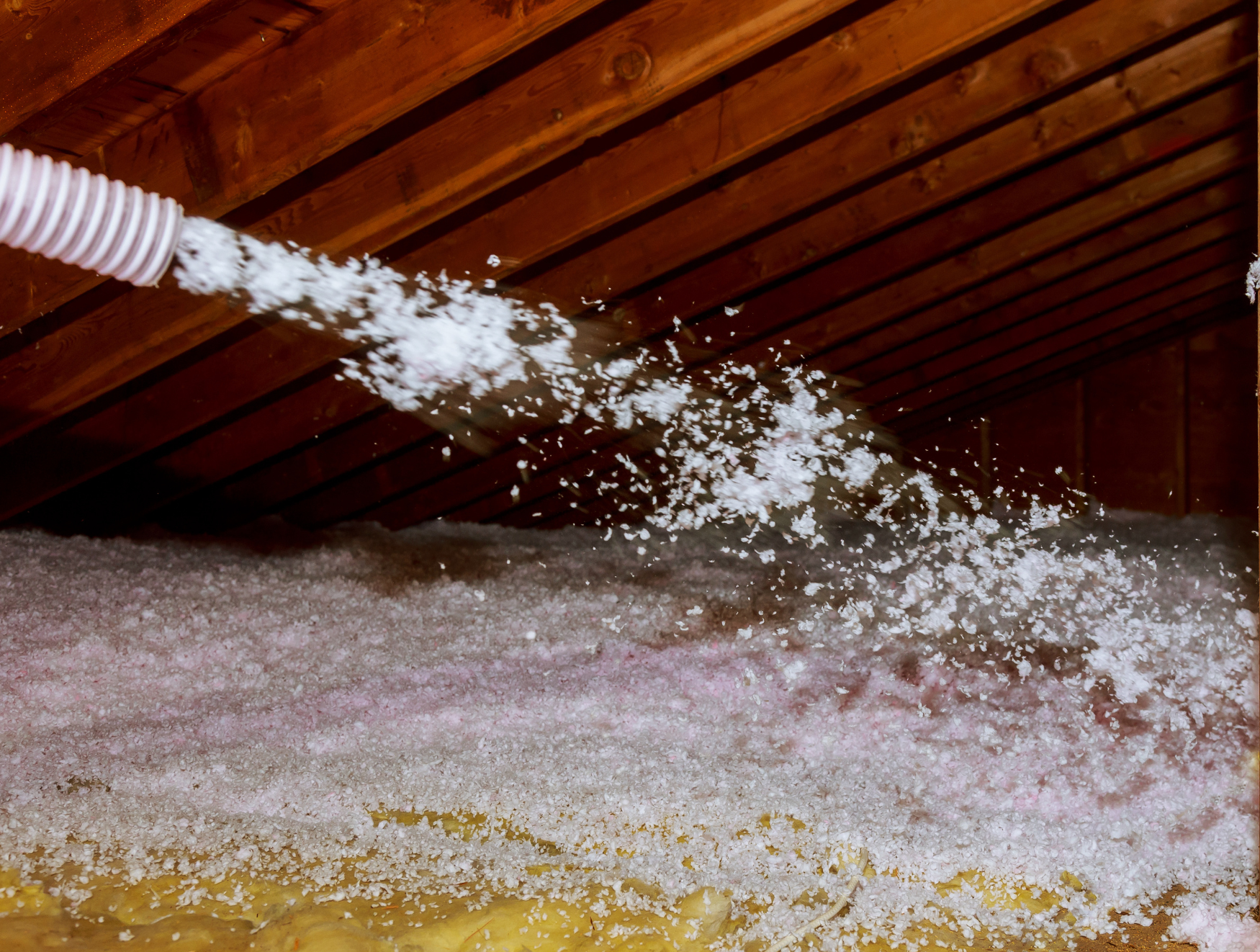
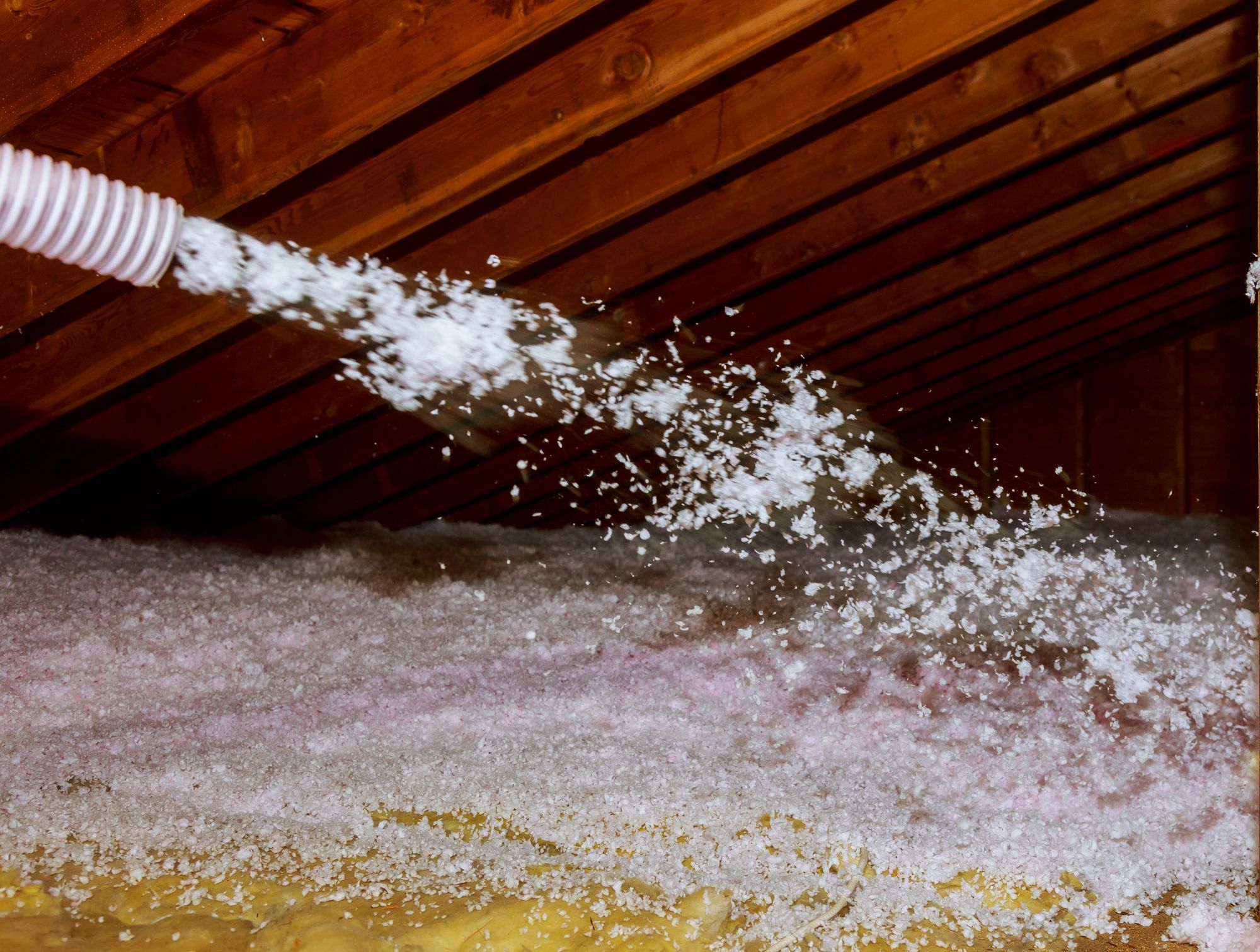
At Homeland Wildlife Control & Insulation, we help homeowners identify and address wildlife entry points before they turn into major problems. From chimney inspections and wildlife removal to exclusion and attic protection, our team can help keep unwanted animals where they belong—outside.
Contact Homeland Wildlife Control & Insulation today to schedule your free inspection and learn how we can help protect your home and your investment. With over 15 years of experience, give us a call at 210-776-6100 for a FREE inspection.

February 13, 2025
.png)
March 19, 2025

May 5, 2025
.png)
May 1, 2025
.png)
May 2, 2025

January 27, 2026
%20(6.8%20x%206.8%20in)%20(2).png)
July 10, 2026

.png)


.png)

.png)
.png)
.png)
.png)
.png)

.png)
.png)
.png)
.png)
.png)


.png)
.png)
.png)
.png)
.png)
.png)
.png)
.png)
.png)

.png)
.png)
%20(6.8%20x%206.8%20in)%20(1).png)
.webp)
.png)

.png)
.png)