A blue calendar icon
April 23, 2026

SPRING WILDLIFE PREVENTION - HOW TO PROTECT YOUR HOME BEFORE BABY SEASON

SPRING WILDLIFE PREVENTION - HOW TO PROTECT YOUR HOME BEFORE BABY SEASON

Why Spring is Baby Season for San Antonio Wildlife

Wildlife reproductive cycles are tied to weather and food availability. Spring offers:

  • Warmer temperatures – Babies born in spring have mild weather to grow and develop
  • Abundant food sources – Insects, seeds, and vegetation are plentiful
  • Longer days – More daylight means more time to forage and feed young

For pregnant females, your attic is ideal:

  • Warm and dry
  • Protected from predators
  • Soft insulation for nesting
  • Close to food sources (your trash, pet food, gardens)

If your home has entry points, wildlife WILL find them in spring.

Which Animals Have Babies in Spring?

Squirrels: March – May and August – September

Squirrels have TWO breeding seasons per year, with spring being the primary season.

Timeline:

  • Mating: January – February
  • Birth: March – April
  • Babies leave nest: May – June

Baby squirrels (called kits) are born blind and hairless. They depend entirely on their mother for 8-10 weeks. If you seal entry points while babies are inside, they'll die in your attic.

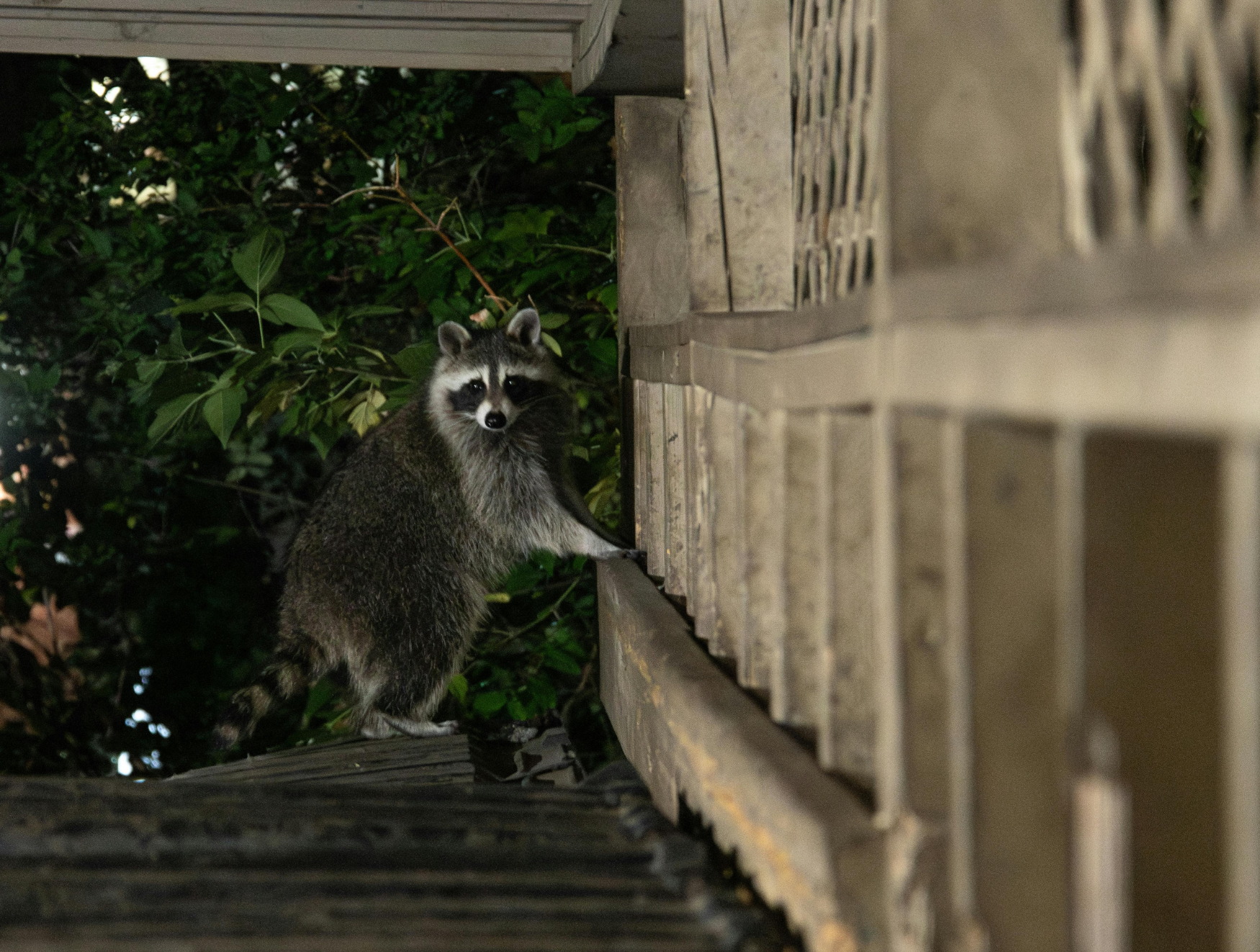
Raccoons: March – June

Raccoons typically have one litter per year in spring.

Timeline:

  • Mating: January – March
  • Birth: April – May
  • Babies leave den: June – July

Baby raccoons are loud. You'll hear chirping, chattering, and crying sounds—especially at night when mother is out foraging. Raccoon babies stay with their mother for 8-12 weeks.

Bats: May 1 – August 31 (LEGALLY PROTECTED)

Bats are the most complicated because it's illegal to exclude them during maternity season in Texas.

Timeline:

  • Maternity season: May 1 – August 31
  • Birth: June
  • Babies can fly: Late July – August

Texas law prohibits bat exclusion during this period. Violating this results in fines and potential criminal charges. If you have bats NOW (January – April), you must act before May 1 or wait until September.

Opossums: Year-Round (Peak in Spring)

Opossums breed year-round, but spring sees increased activity.

Timeline:

  • Gestation: Only 12-13 days (shortest of any mammal)
  • Babies stay in pouch: 2 months
  • Babies leave mother: 3-4 months

Opossums typically nest in crawlspaces, under decks, or in attics if accessible.

Why Baby Season Complicates Wildlife Removal

1. Legal Restrictions (Bats)

As mentioned, bat exclusion is illegal from May 1 – August 31. If you discover bats in May, you're stuck with them until September.

This means:

  • 4+ months living with bats
  • Continued guano accumulation (toxic and damages insulation)
  • Higher cleanup costs when you finally can address it

Act before May 1 if you suspect bats.

2. Humane Concerns (All Wildlife)

We never seal entry points with babies inside. Ever.

During baby season, our process changes:

  • Install one-way doors for mothers to exit
  • Manually locate and remove babies (sometimes requires cutting into soffits or walls)
  • Reunite babies with mother outside (when possible)
  • Ensure all animals are gone before final sealing

This takes longer and requires extra visits.

3. Increased Costs

Baby season exclusion costs 20-40% more than standard exclusion because:

  • Extra visits to confirm babies are gone
  • Manual baby removal requires additional labor
  • More time spent monitoring one-way doors
  • Higher risk of callbacks if babies are missed

Example:

  • Standard squirrel exclusion: $1,800
  • Baby season squirrel exclusion: $2,200-2,500

4. Extended Timeline

Standard exclusion: 3-5 days from start to finish.

Baby season exclusion: 2-3 weeks (waiting for babies to mature enough to leave with mother, or coordinating manual removal).

Your problem lasts longer, and damage accumulates.

The Smart Move: Prevent Wildlife Before Baby Season

The best strategy? Seal your home in January – February before wildlife gets pregnant.

Here's why this is the optimal window:

✅ No babies to complicate removal – Wildlife are adults only
✅ Standard pricing – No baby season upcharges
✅ Faster completion – 3-5 days instead of 2-3 weeks
✅ Prevent nesting – Stop wildlife from choosing your home as a nursery

One hour of prevention in February saves weeks of hassle and hundreds of dollars in March.

How to Wildlife-Proof Your Home This Spring

Step 1: Inspect Your Home for Vulnerabilities

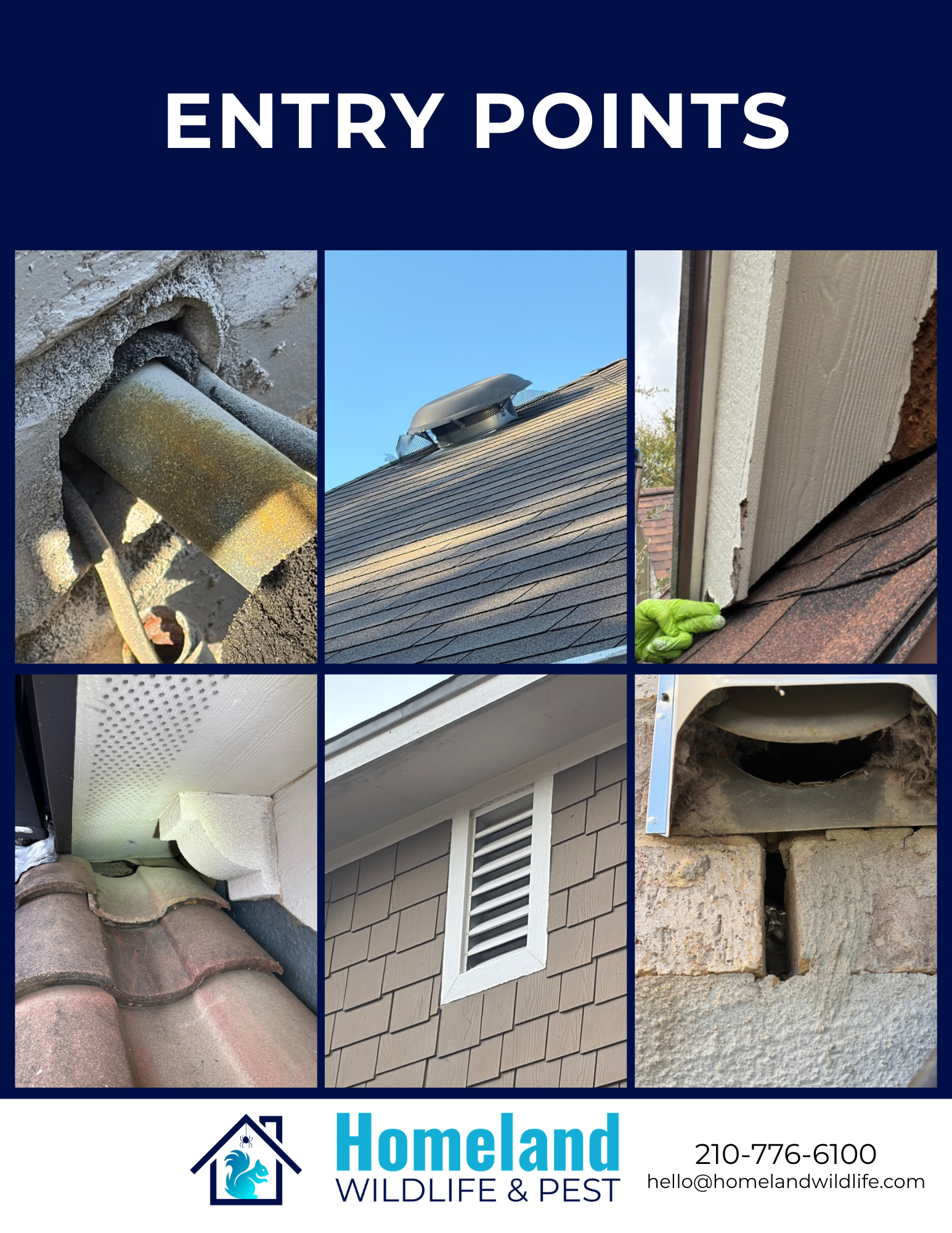
Walk around your home and check these common entry points:

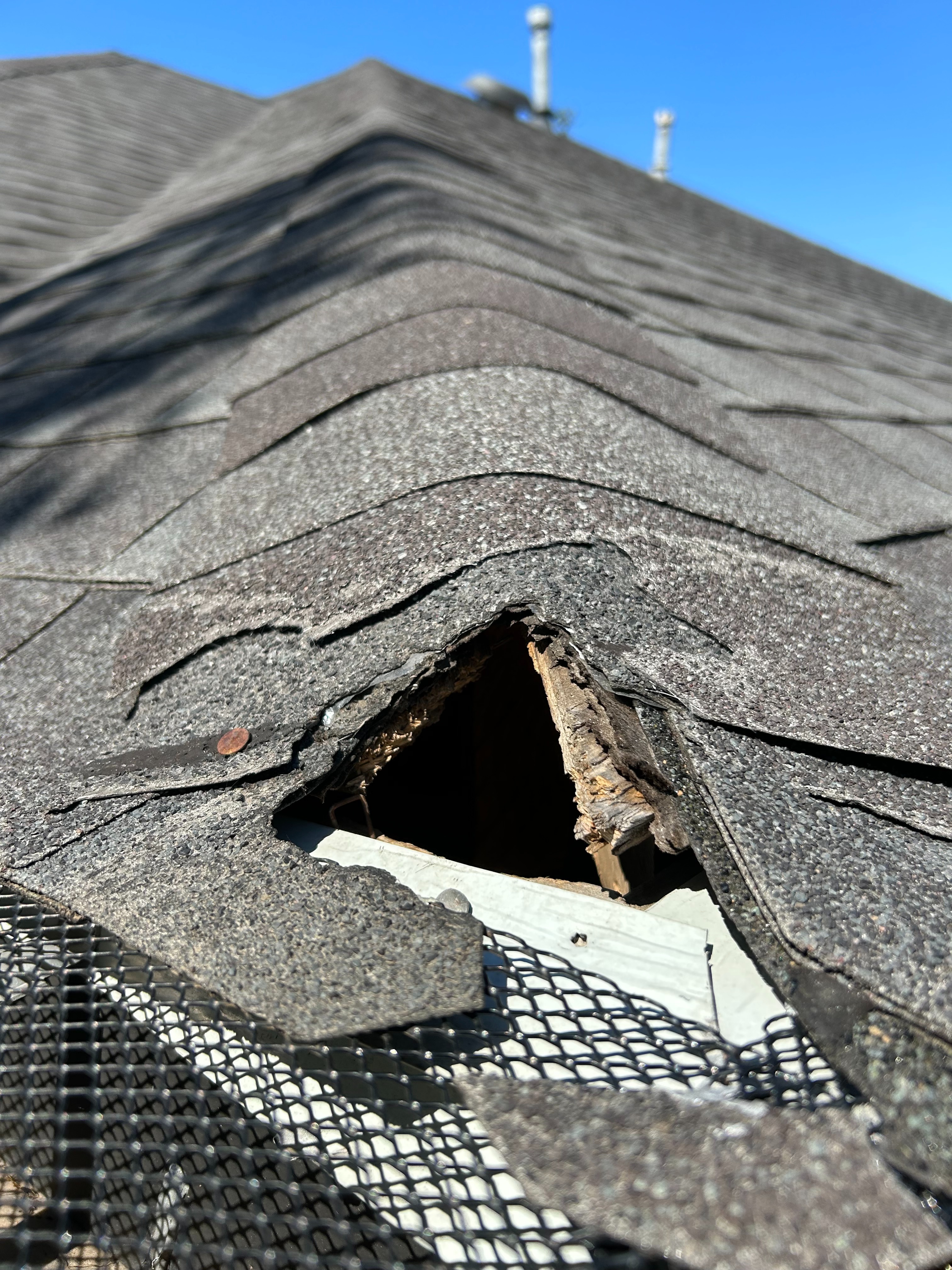
Roof Returns:

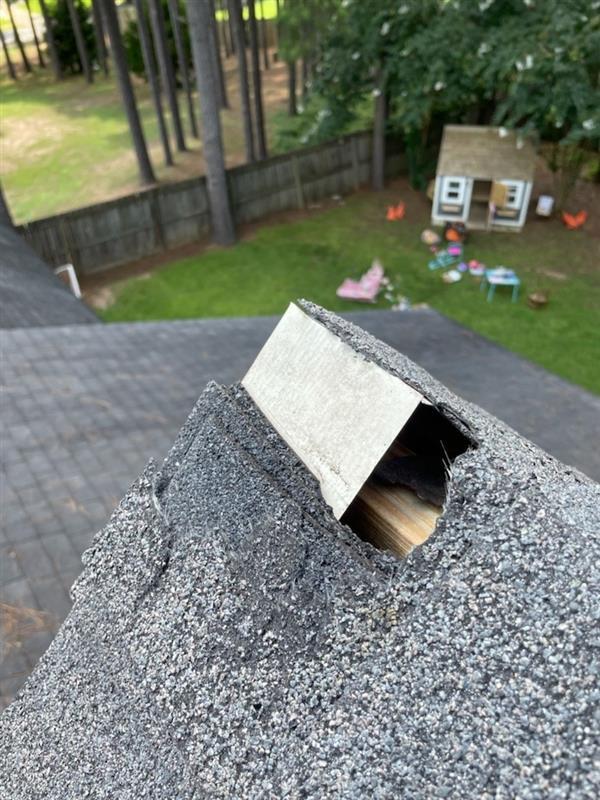
  • Look at both gable ends
  • Check for torn screening or gaps
  • Use binoculars if you can't see clearly

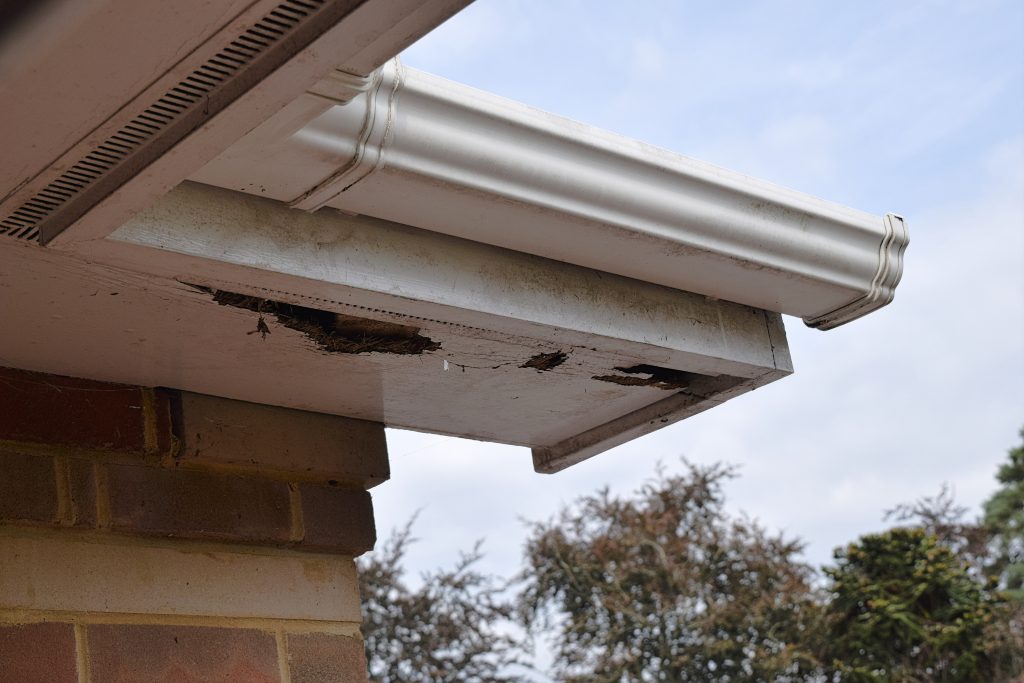
Soffits and Fascia:

  • Look for loose panels, gaps, or rot
  • Check where soffit meets fascia board
  • Pay attention to corners (most vulnerable spots)

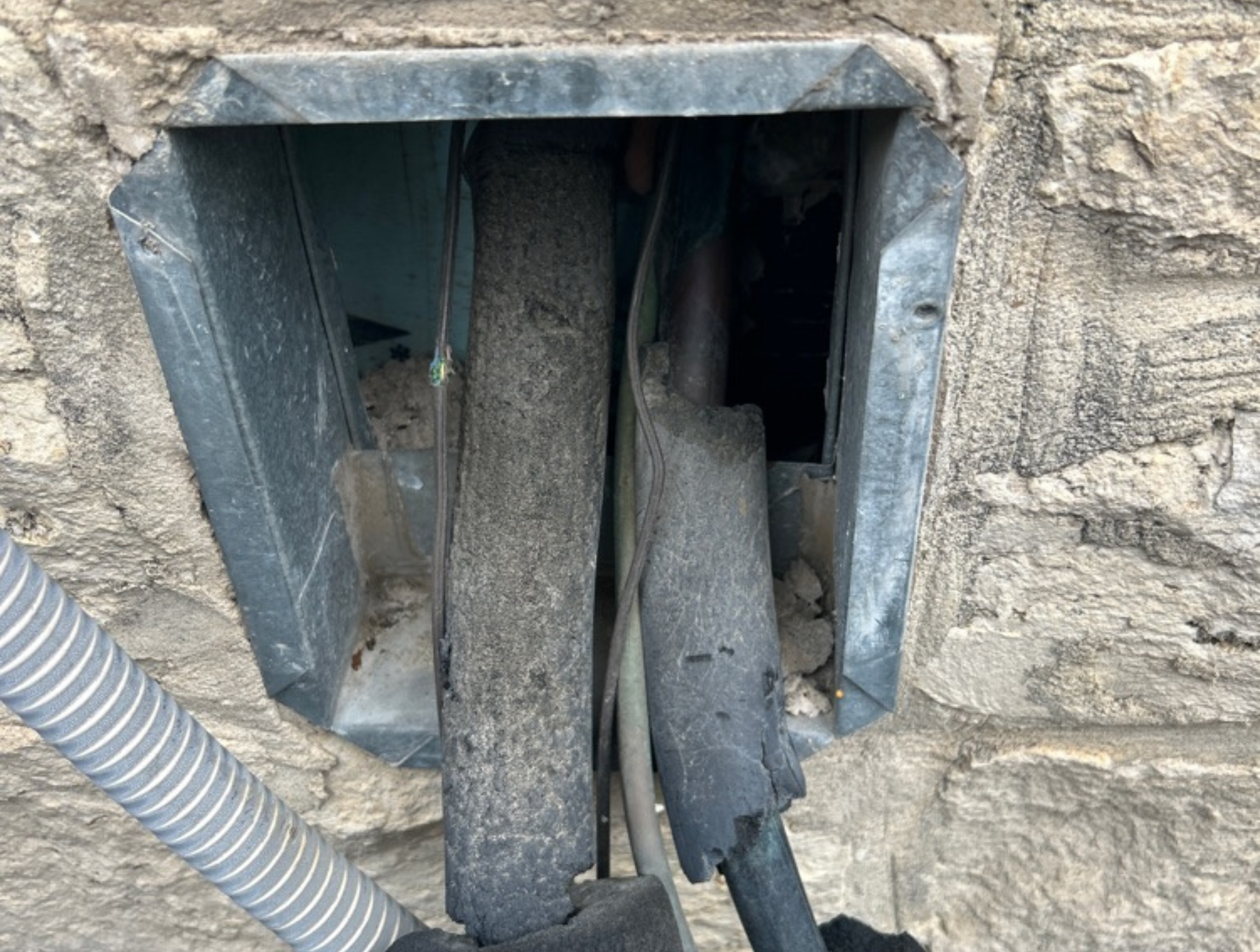
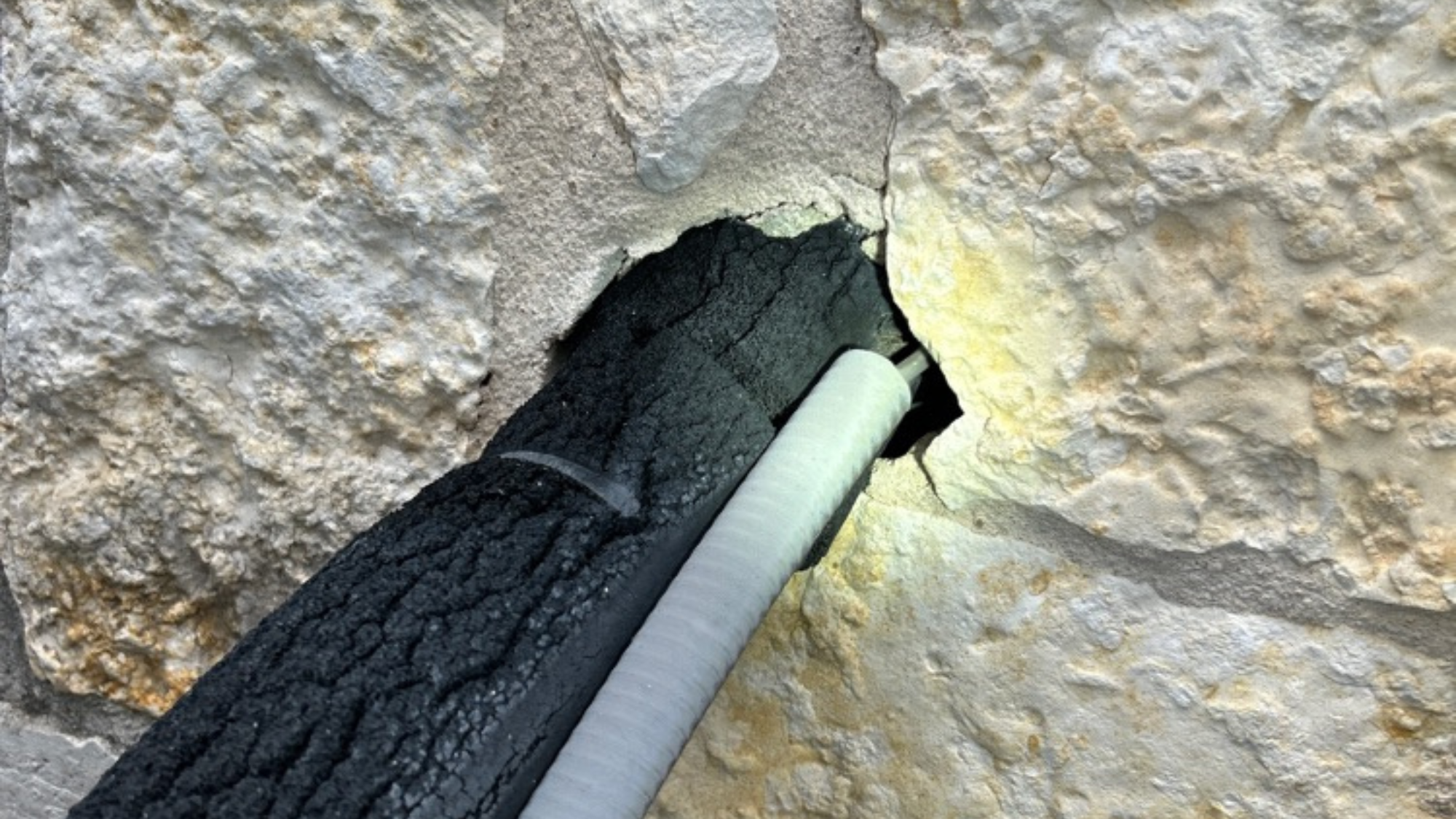
AC Line Penetrations:

  • Follow AC lines from outdoor unit to where they enter your home
  • Look for gaps around pipes
  • Check from inside attic (shine flashlight, look for daylight)

Foundation and Crawlspace:

  • Walk perimeter at ground level
  • Check for cracks, gaps, missing vent screens
  • Look for signs of digging or burrows

Garage Doors:

  • Close door, turn off lights, look for daylight gaps
  • Check bottom seal for cracks or wear
  • Inspect side seals

If you find gaps, seal them NOW before wildlife moves in.

Step 2: Trim Trees and Remove Wildlife Attractants

Tree Trimming:

  • Trim branches at least 6-8 feet away from your roofline
  • Squirrels can jump 8-10 feet, so distance matters
  • Remove branches overhanging your roof

Remove Food Sources:

  • Secure trash cans with tight lids
  • Don't leave pet food outside
  • Clean up fallen fruit from trees
  • Remove bird feeders (they attract rodents)
  • Store firewood away from house

Eliminate Water Sources:

  • Fix leaking outdoor faucets
  • Remove standing water
  • Keep gutters clean and draining properly

Step 3: Schedule a Professional Inspection

Even if you don't see obvious damage, get a professional inspection in late winter (January – February).

Why?

  • Professionals find entry points you'd never notice
  • Early detection = cheaper fixes
  • You get a clear understanding of your home's vulnerabilities

Our inspections take 45-60 minutes and include:

  • Complete exterior roofline inspection
  • Foundation and ground-level check
  • Attic inspection (if accessible)
  • Photo documentation of all vulnerabilities
  • Written estimate for sealing work

Free inspections. No obligation.

Step 4: Seal Vulnerabilities Before March

If we find entry points during inspection, seal them BEFORE baby season starts.

Standard exclusion in February:

  • 3-5 days completion
  • Standard pricing
  • No baby complications

Waiting until April:

  • 2-3 weeks completion
  • 20-40% higher cost
  • Baby removal complications

The math is simple: Act early, save money and hassle.

What If You Already Hear Scratching in Spring?

If it's already March or later and you're hearing scratching, don't panic—but act immediately.

Call for an inspection right away.

We'll determine:

  • What animal you have
  • Whether babies are present
  • Best approach for humane removal
  • Timeline and cost

The longer you wait, the older babies get, and the more damage accumulates.

Even during baby season, we solve the problem—it just takes more time and care.

Special Considerations for Bats

If you suspect bats (you see them flying at dusk, hear scratching at night, or find small black droppings in your attic):

ACT BEFORE MAY 1.

Once maternity season begins, you cannot legally exclude bats until September 1.

Bat exclusion timeline:

  • January – April: Legal to exclude (best window)
  • May 1 – August 31: ILLEGAL to exclude
  • September 1 – December: Legal to exclude

Don't gamble. If you think you might have bats, get an inspection NOW.

Cost Comparison: Prevention vs. Reactive Exclusion

Scenario 1: Preventive Sealing (February)

You schedule an inspection in February. We find 6 vulnerable entry points. No wildlife inside yet.

Cost to seal preventively: $800-1,200

Result: Wildlife never moves in. Problem prevented.

Scenario 2: Reactive Exclusion (April, Baby Season)

You wait. In April, you hear scratching. We find squirrels with babies in your attic.

Cost for exclusion: $2,200-2,800
Timeline: 2-3 weeks
Includes: Baby removal, one-way doors, multiple visits, attic cleanup

You pay 2x more and deal with weeks of hassle.

Scenario 3: Delayed Action (June, Full Infestation)

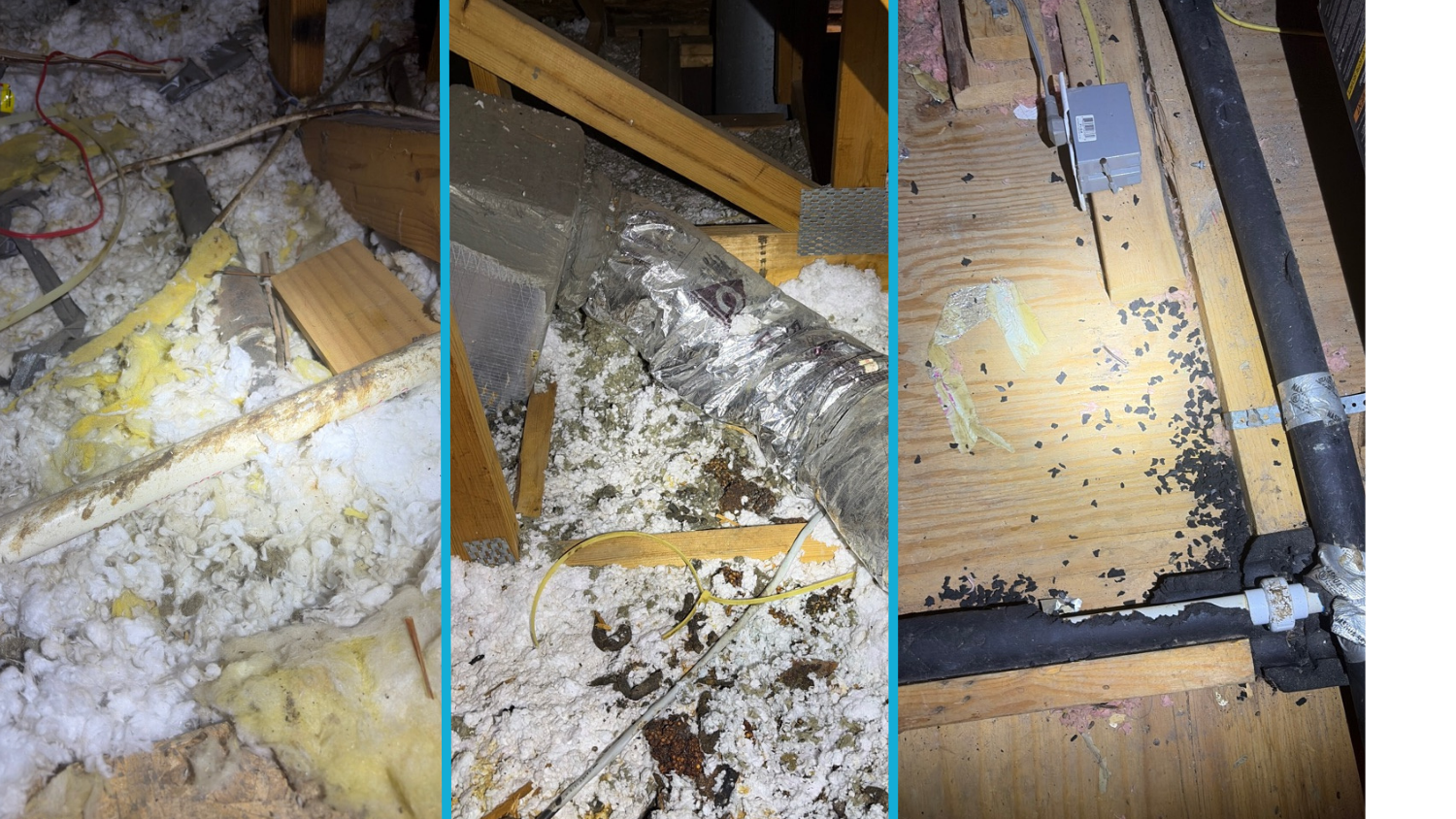
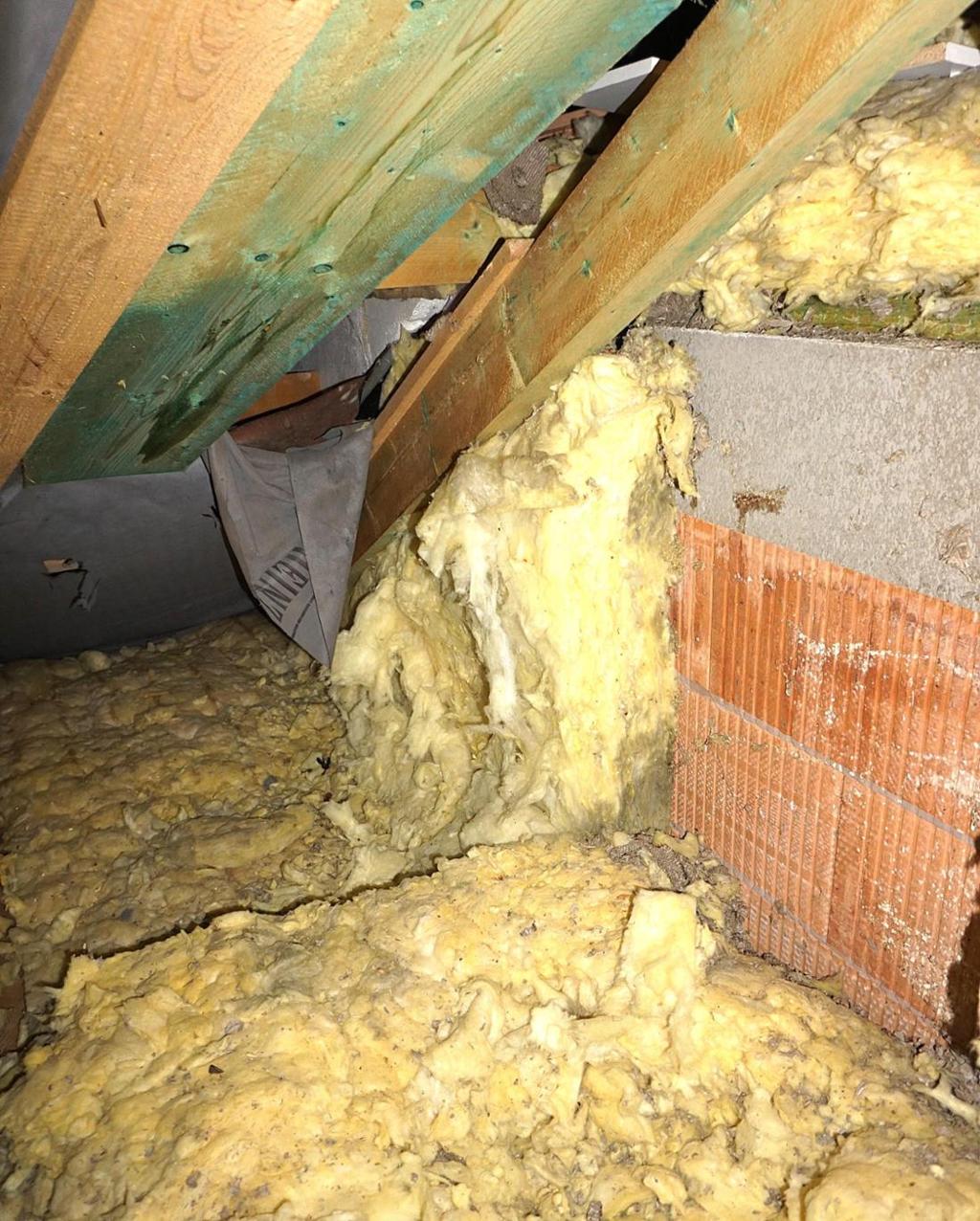
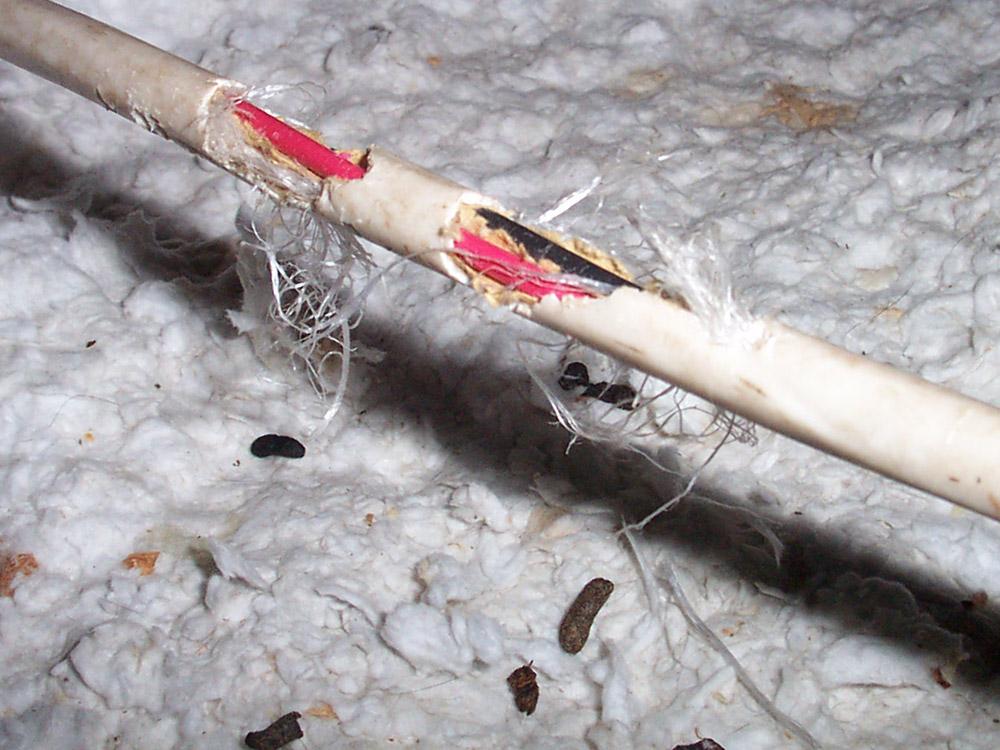
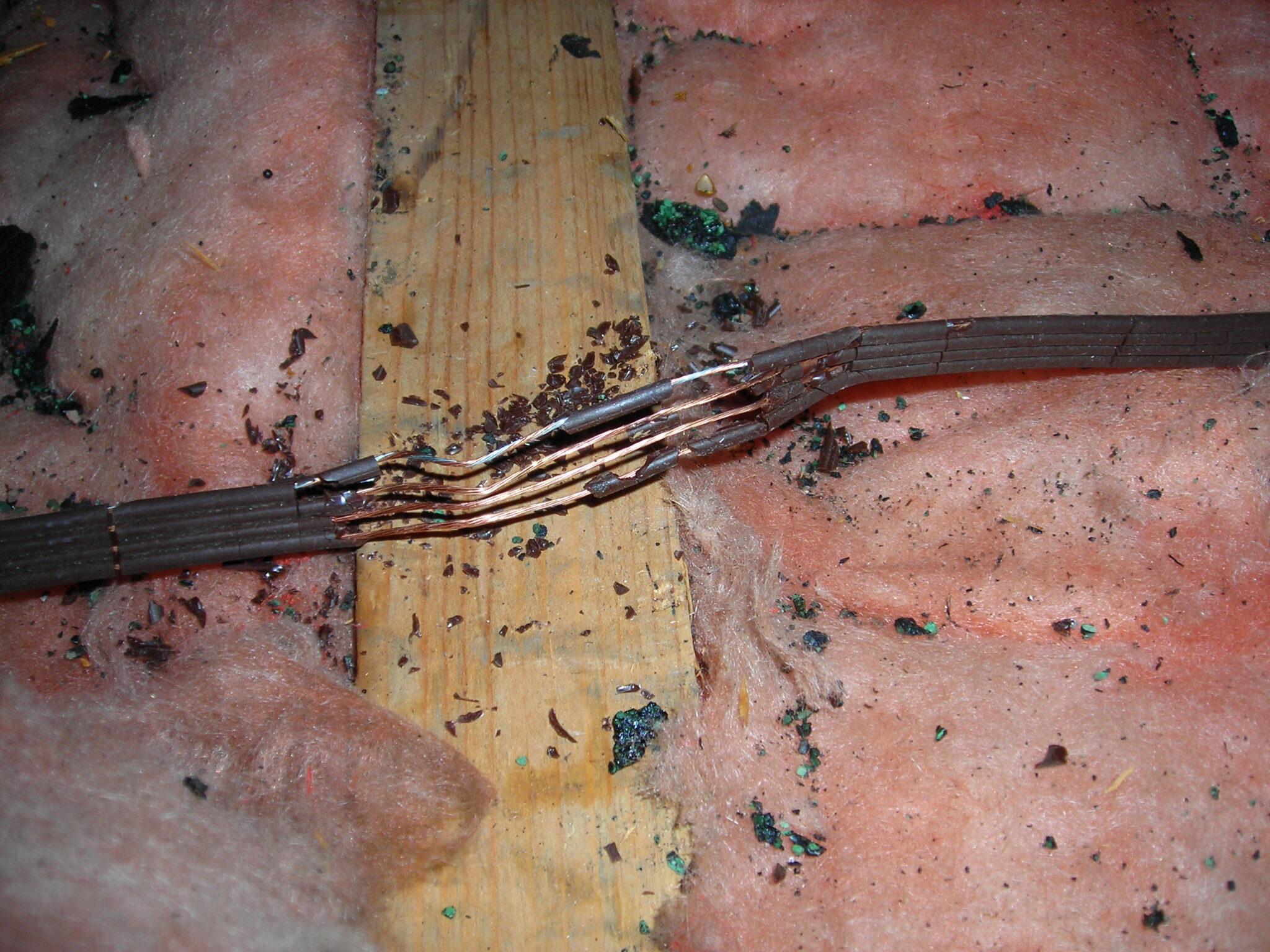
You ignore it until June. Now you have multiple squirrels, destroyed insulation, and chewed wiring.

Cost for exclusion + restoration: $4,500-7,000
Timeline: 3-4 weeks
Includes: Multiple animal removal, extensive attic cleanup, insulation replacement, electrical inspection

You pay 5x more than prevention would have cost.

How Homeland Wildlife Handles Spring Wildlife

Our Process:

1. Thorough Inspection

  • Identify all entry points (usually 8-15 per home)
  • Check for active wildlife and babies
  • Document everything with photos

2. Customized Approach

  • If no babies: Standard exclusion (3-5 days)
  • If babies present: One-way doors + manual baby removal
  • If bats during maternity season: Schedule for September

3. Complete Sealing

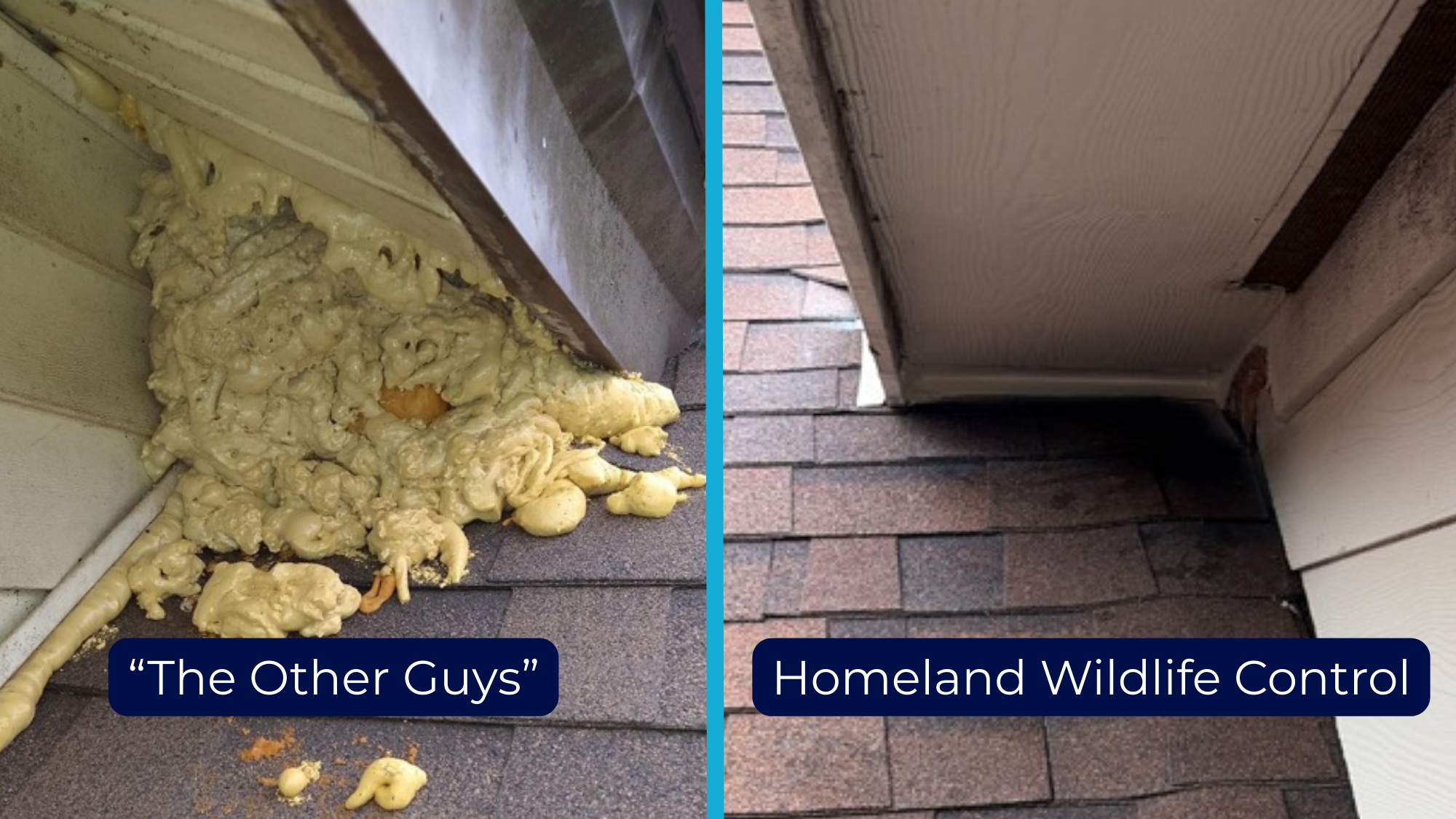
  • Steel mesh and aluminum (not foam)
  • Paint to match your home
  • Seal EVERY entry point

4. Cleanup and Restoration (If Needed)

  • Remove contaminated insulation
  • Sanitize attic
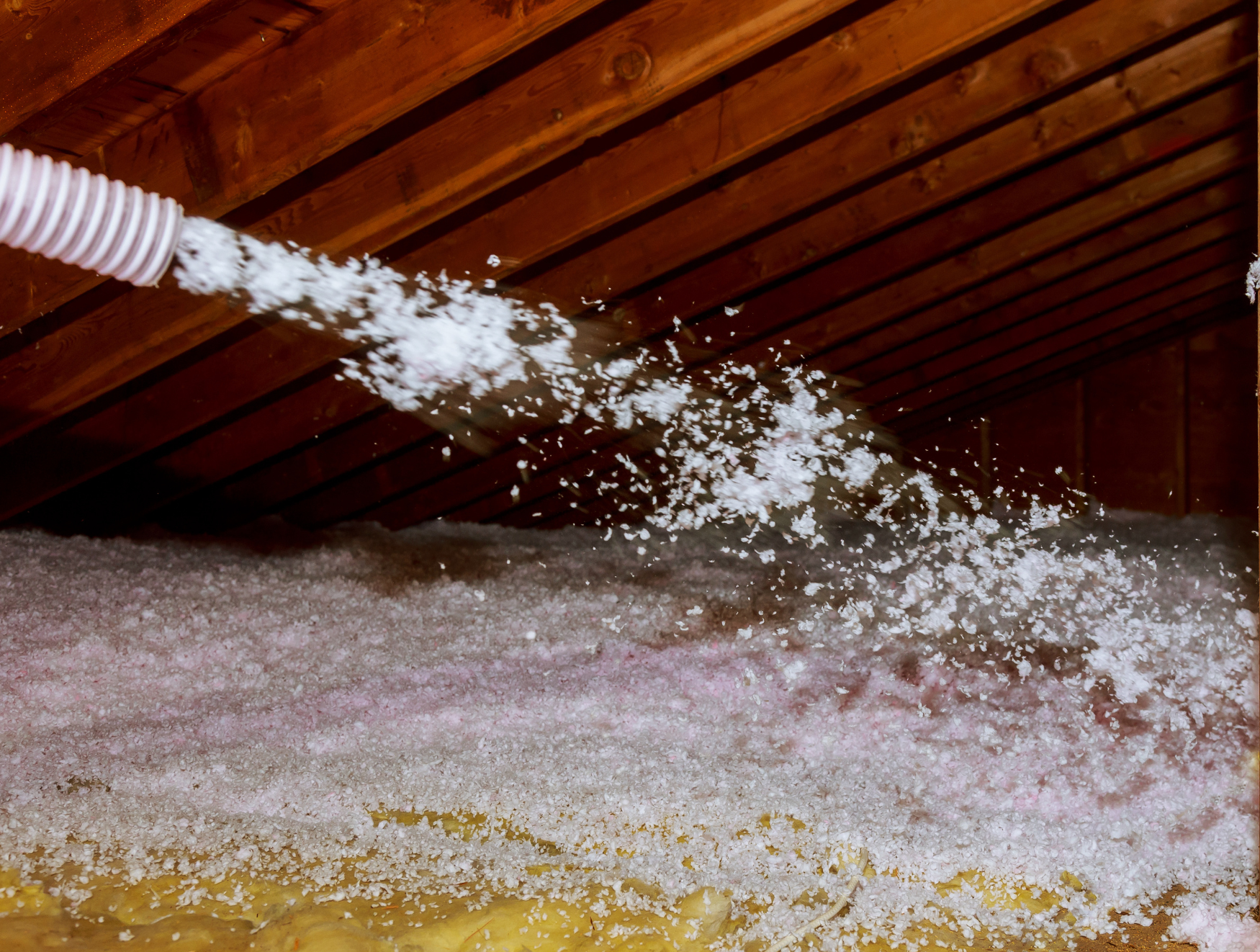
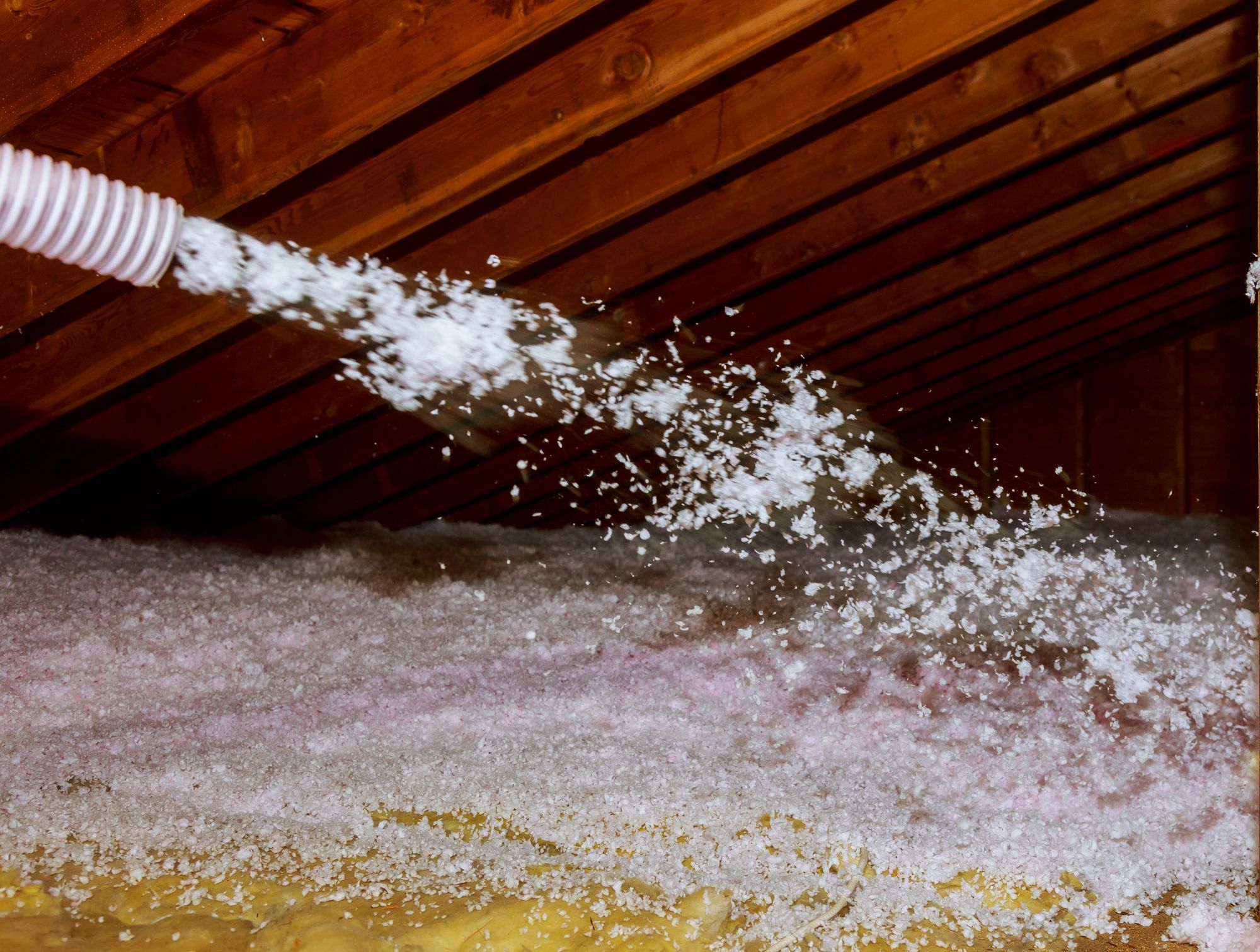
  • Blow in fresh insulation to R-38

5. Lifetime Warranty

  • Renewable annually
  • Covers all our work forever

The Bottom Line

Spring wildlife season is coming. Pregnant females are looking for nesting sites right now.

You have three options:

Option 1: Prevent (Best)
Seal your home in January – February before wildlife moves in.
Cost: $800-1,500
Timeline: 1-2 days
Hassle: Minimal

Option 2: React Early (Okay)
Address wildlife in March – April when you first hear scratching.
Cost: $1,800-2,800
Timeline: 1-2 weeks
Hassle: Moderate

Option 3: Wait (Worst)
Ignore it until summer when damage is extensive.
Cost: $4,500-8,000
Timeline: 3-4 weeks
Hassle: Maximum

The choice is obvious. Act now, before baby season complicates everything.

Ready to protect your home before spring wildlife season? Call Homeland Wildlife & Pest Control at 210-776-6100 for a free inspection. We'll identify vulnerabilities and seal them before animals move in.

15 years serving San Antonio. Lifetime warranty. Don't wait until you hear scratching.

PREVIOUS

no previous post

Back to all posts

NEXT

no Next post

Back to all posts

Recent Articles

The Hidden Dangers: How Critters, Rodents, and Pests Can Wreak Havoc in Your Attic and Home

February 13, 2025

Read more
Why Home Exclusion Services Are Essential for Keeping Critters Out

February 24, 2024

Read more
The Hidden Dangers of Wildlife in Your Home – And How to Stop It

March 7, 2025

Read more
Protecting Your Home with Humane Wildlife Removal & Exclusion

February 18, 2025

Read more
Common Wildlife Problems in San Antonio: What Homeowners Need to Know

February 4, 2025

Read more
Why Most Homes Are Vulnerable to Wildlife – And How to Fix It

February 27, 2025

Read more
The True Cost of Wildlife Damage – Why Waiting Could Cost You Thousands

March 4, 2025

Read more
Rodents in the Roof: How Squirrels, Rats & Mice Break In—And What You Can Do About It

March 19, 2025

Read more
Signs of Wildlife in Your Attic (And What to Do About It)

April 16, 2025

Read more
Why You're Still Seeing Bugs—Even After Pest Control Treatments

April 18, 2025

Read more
The Critical Difference Between Pest Control and Wildlife Control

April 21, 2025

Read more
How to Keep Scorpions Out of Your Home – San Antonio’s Guide to Scorpion Control

May 5, 2025

Read more
The Buzz on Mosquitoes: How to Reclaim Your Yard from These Tiny Terrors

May 15, 2025

Read more
Baby Season is Here — What That Means for Your Attic

May 16, 2025

Read more
Why Your Attic Might Be the Most Dangerous Room in Your House (and What You Can Do About It)

May 1, 2025

Read more
Don’t Let Pests Take Over: Why Routine Pest Control is Essential for Texas Homes

May 2, 2025

Read more
The Sounds in Your Attic: What They Really Mean

May 19, 2025

Read more
Meet the Mexican Free-Tailed Bat — San Antonio’s Winged Wonder

May 22, 2025

Read more
Raccoons in Your Attic? Here’s What Every San Antonio Homeowner Needs to Know

May 23, 2025

Read more
Why You’re Still Seeing Ants in Your Kitchen (Even After You Spray)

May 27, 2025

Read more
The Life of a Texas Scorpion: What They’re Really Doing in Your Garage

May 28, 2025

Read more
The Secret Life of the Armadillo: Texas’s Backyard Digging Machine

May 30, 2025

Read more
Why Raccoons Love Your Soffits (and How to Block Them)

May 29, 2025

Read more
What Are Dirt Daubers (And Should You Be Concerned?)

June 4, 2025

Read more
What’s the Difference Between a Rat and a Mouse?

June 11, 2025

Read more
What Attracts Scorpions to My Home?

June 26, 2025

Read more
What’s the Difference Between a Squirrel and a Rat Nest?

June 27, 2025

Read more
Why Do Skunks Dig Under Homes and Decks?

June 30, 2025

Read more
Why Are Squirrels Chewing Through Your Roof?

July 10, 2025

Read more
What Are Roof Returns (And Why Do Animals Use Them to Break In?)

August 12, 2025

Read more
The Hidden Flaw in Mushroom Vents

September 10, 2025

Read more
Why AC Chase Entry Points Attract Critters

September 17, 2025

Read more
The Trouble With Garage Door Gaps

September 15, 2025

Read more
The Hidden Danger in Contaminated Attic Insulation

October 9, 2025

Read more
October Visitors You Weren't Expecting

October 16, 2025

Read more
Homeowner Money-Saving Tips

October 23, 2025

Read more
Fall Is Here — and So Are the Critters

November 18, 2025

Read more
The Most Overlooked Entry Point in Your Home

December 5, 2025

Read more
Why Your Attic Insulation Matters More Than You Think

December 9, 2025

Read more
How to Keep Wildlife Out of Your Home This Holiday Season

December 17, 2025

Read more
Why "The Other Guy's" Wildlife Work Always Fails

December 22, 2025

Read more
The Hidden Cost of Rodents in Your Attic

December 29, 2025

Read more
Should You Hire a Pest Control Company or a Wildlife Specialist?

January 7, 2026

Read more
What Happens During a Wildlife Inspection?

January 15, 2026

Read more
Can Wildlife Really Cause House Fires?

January 20, 2026

Read more
NEW YEAR, NEW INVADERS: WHY JANUARY IS PRIME TIME FOR RODENT PROBLEMS IN SAN ANTONIO

January 27, 2026

Read more
I HEAR SCRATCHING DURING THE NIGHT - IS IT SQUIRRELS OR RATS?

February 11, 2026

Read more
SHOULD I GET MULTIPLE QUOTES FOR WILDLIFE REMOVAL? WHAT TO COMPARE

February 13, 2026

Read more
5 ENTRY POINTS EVERY SAN ANTONIO HOMEOWNER SHOULD CHECK RIGHT NOW

March 27, 2026

Read more
RESTAURANT OWNERS: HOW WILDLIFE VIOLATIONS DESTROY YOUR HEALTH SCORE

March 31, 2026

Read more
PROPERTY MANAGERS: THE HIDDEN COST OF IGNORING WILDLIFE COMPLAINTS

April 8, 2026

Read more
HOW WILDLIFE DAMAGE AFFECTS COMMERCIAL PROPERTY VALUES (And Why Buyers Care)

April 14, 2026

Read more
SPRING WILDLIFE PREVENTION - HOW TO PROTECT YOUR HOME BEFORE BABY SEASON

April 23, 2026

Read more
SPRING WILDLIFE PREVENTION - HOW TO PROTECT YOUR HOME BEFORE BABY SEASON

April 23, 2026

Read more
HOW WILDLIFE DAMAGE AFFECTS COMMERCIAL PROPERTY VALUES (And Why Buyers Care)

April 14, 2026

Read more
PROPERTY MANAGERS: THE HIDDEN COST OF IGNORING WILDLIFE COMPLAINTS

April 8, 2026

Read more