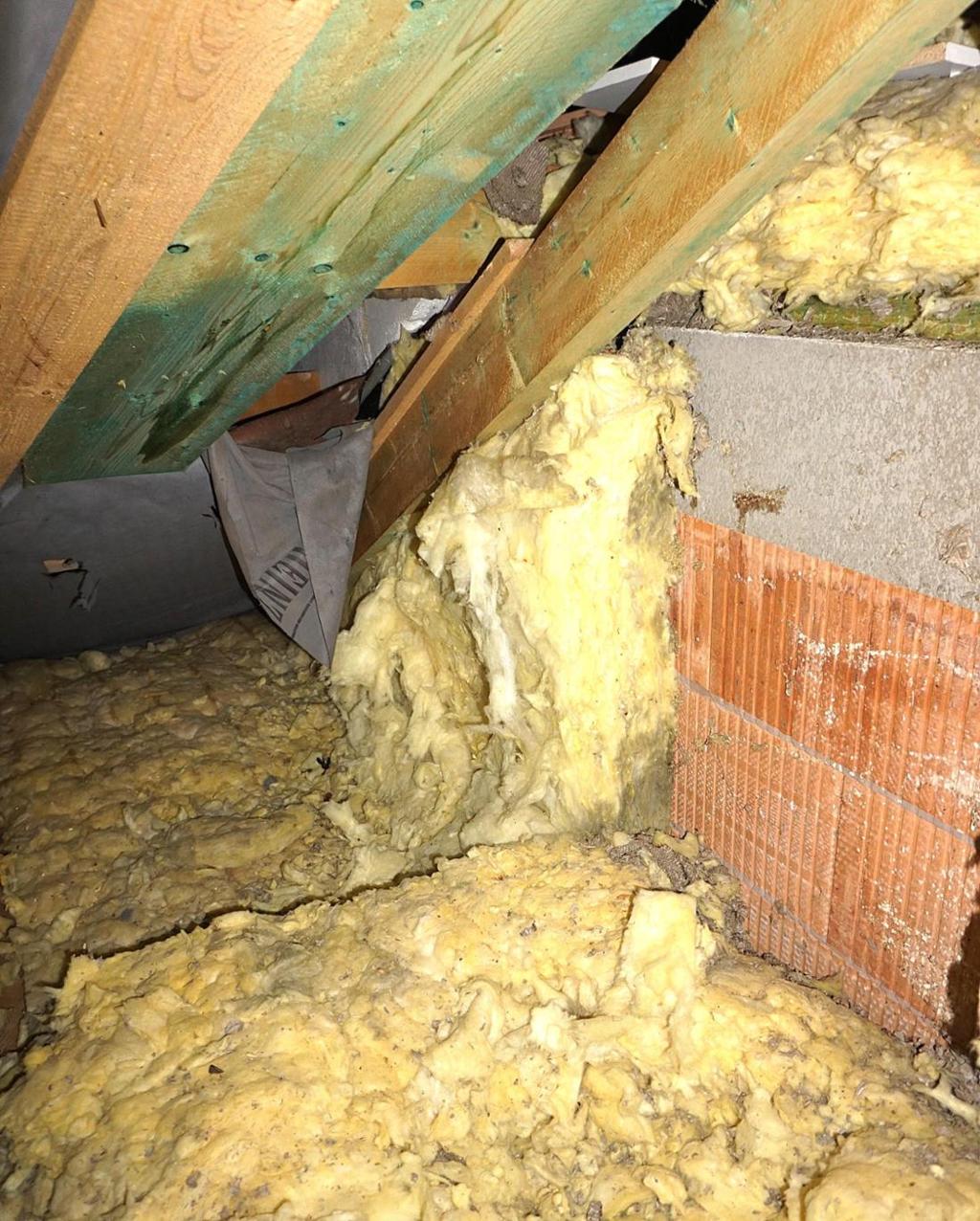
How Health Inspectors Find Wildlife Violations
Health inspectors aren't looking for live rats running across your kitchen (though if they see that, you're definitely getting written up).
They're looking for evidence of rodent activity. And they know exactly where to look.
What Inspectors Check:
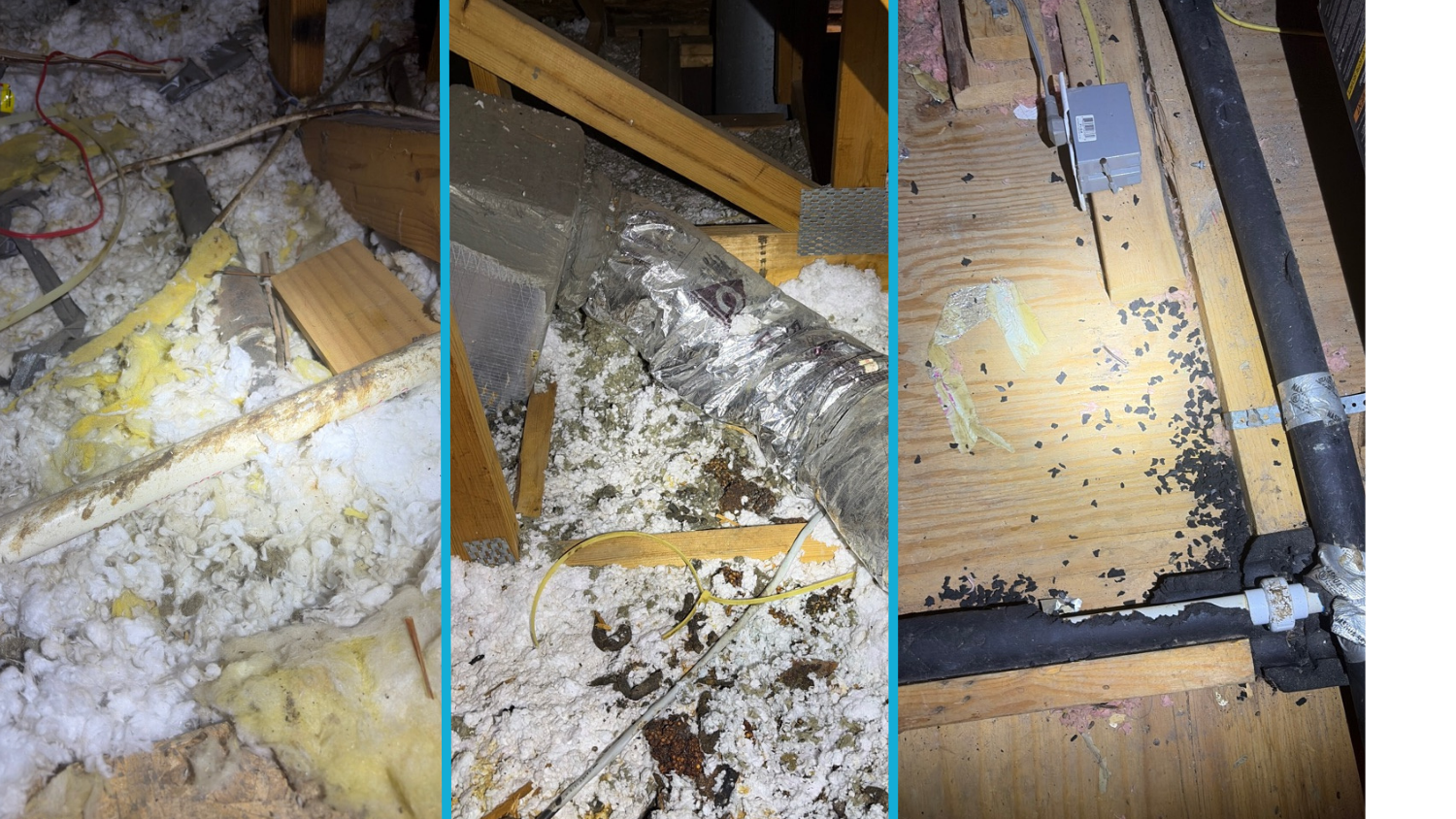
1. Droppings
Where they look:
- Behind equipment (ovens, fryers, fridges)
- Under sinks and prep stations
- In dry storage areas
- Along baseboards and in corners
- Inside cabinets and shelving units
What triggers a violation:
- Even ONE fresh dropping is a critical violation
- Old droppings (even if rodents are gone) can still trigger citations
Why it matters: Droppings = proof of active infestation. Inspectors assume if they found one, there are dozens they didn't see.
2. Gnaw Marks
Where they look:
- Food packaging (boxes, bags, plastic containers)
- Electrical wiring behind equipment
- Baseboards and door frames
- Cardboard boxes in storage
What triggers a violation:
- Fresh gnaw marks (light-colored, rough edges)
- Chewed food packaging
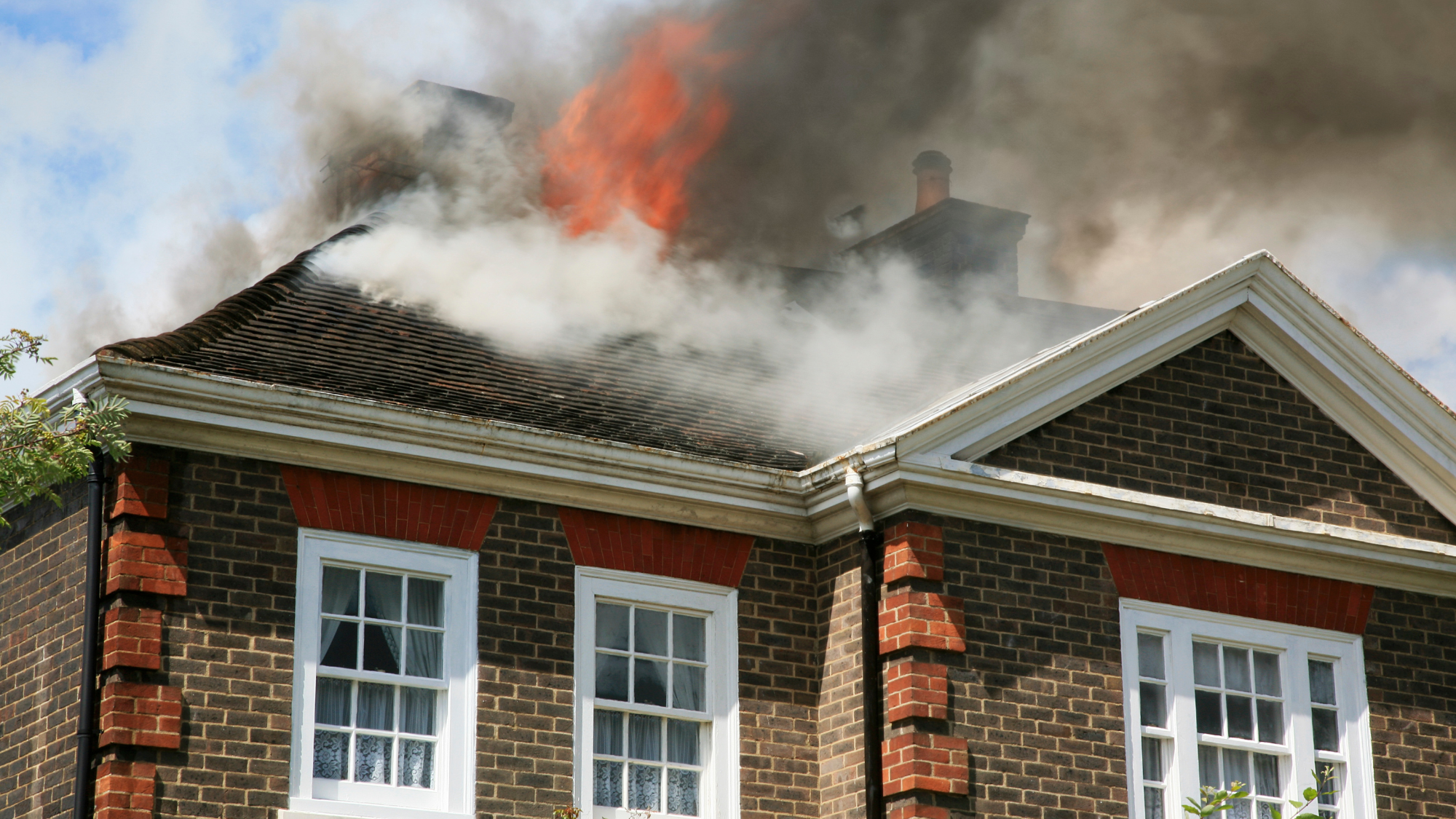
- Damaged wiring (also a fire hazard)
3. Grease Marks and Rub Marks
Rats travel the same routes repeatedly. Their oily fur leaves dark smudge marks along walls, pipes, and baseboards.
Where they look:
- Along walls near floors
- Pipes and conduit
- Behind equipment
What triggers a violation:
- Fresh grease marks (dark, oily appearance)
- Marks along multiple routes (indicates heavy activity)
4. Nesting Material
Where they look:
- Behind equipment
- In rarely-used storage areas
- Inside wall voids (if accessible)
- Near water heaters and HVAC units
What triggers a violation:
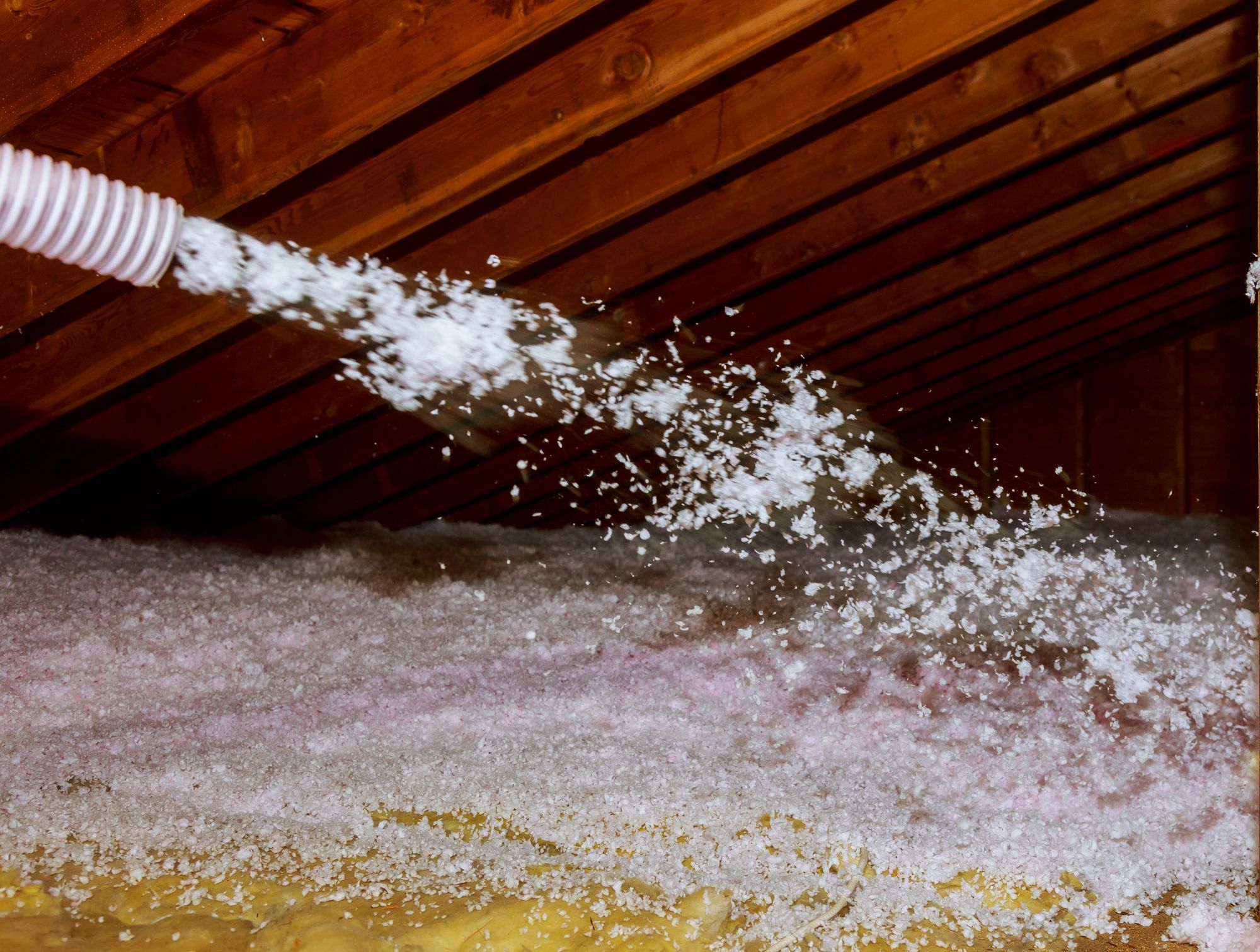
- Shredded paper, cardboard, or insulation
- Nests containing droppings or food debris
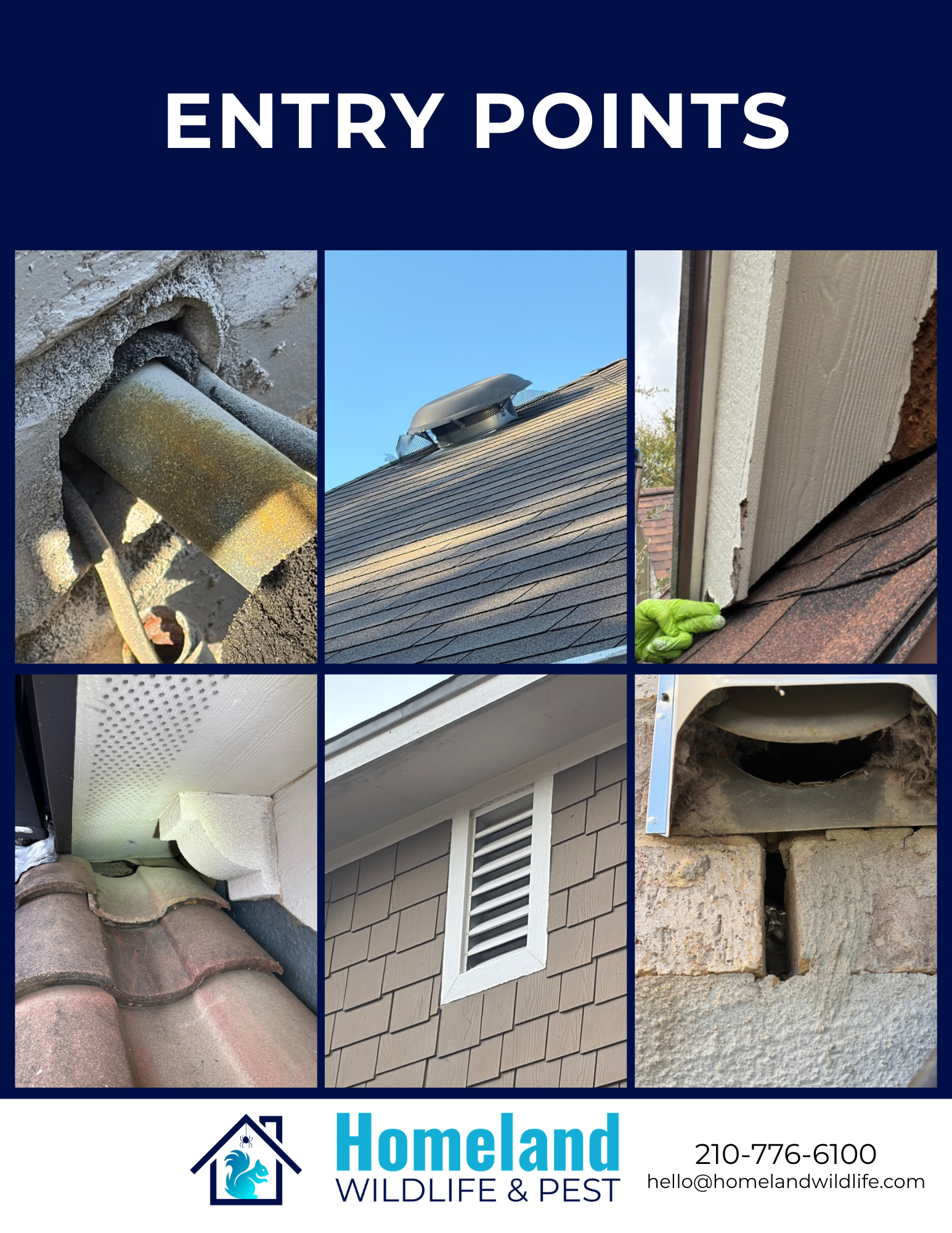
5. Burrows and Entry Points
Where they look:
- Exterior walls (especially near dumpsters and back doors)
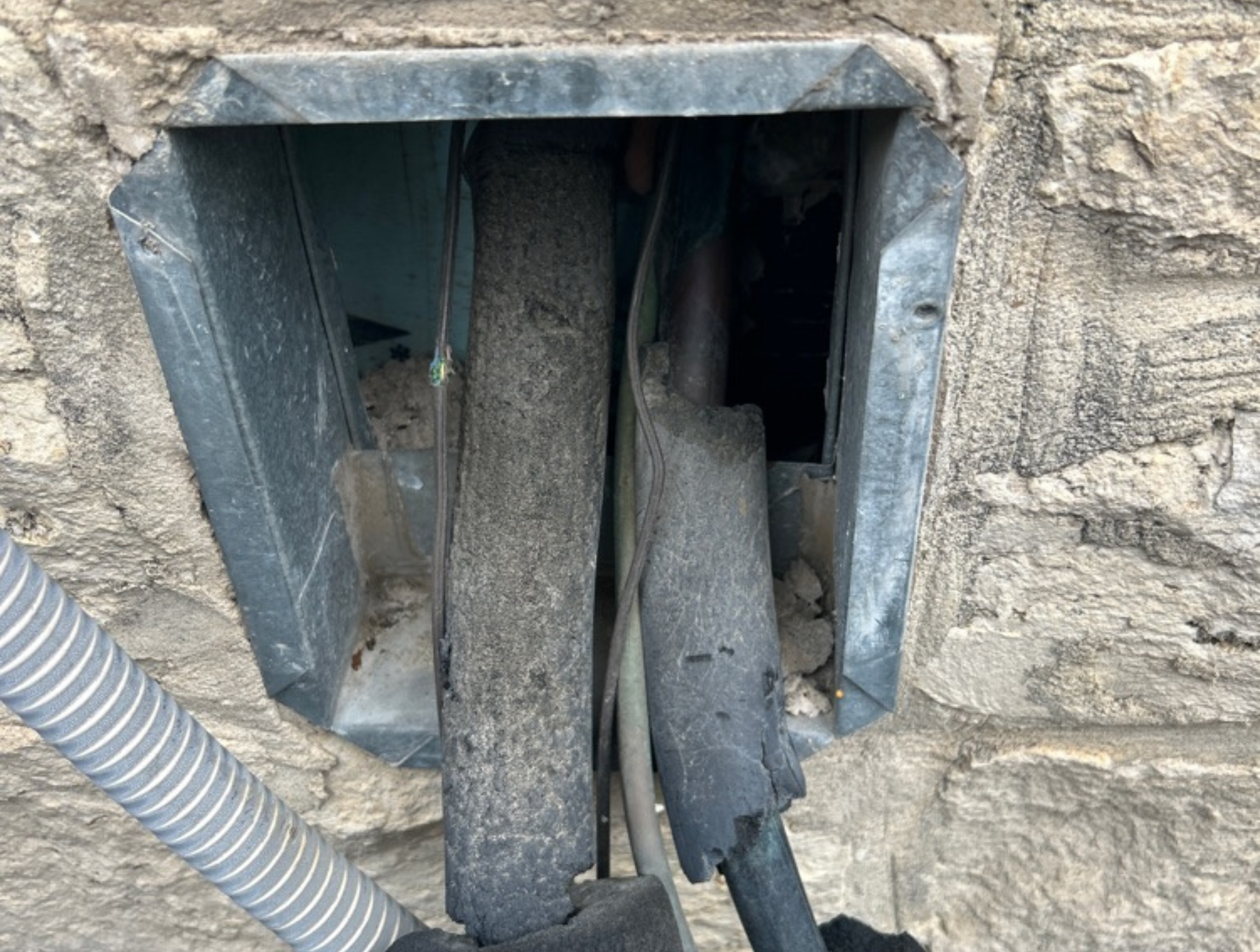
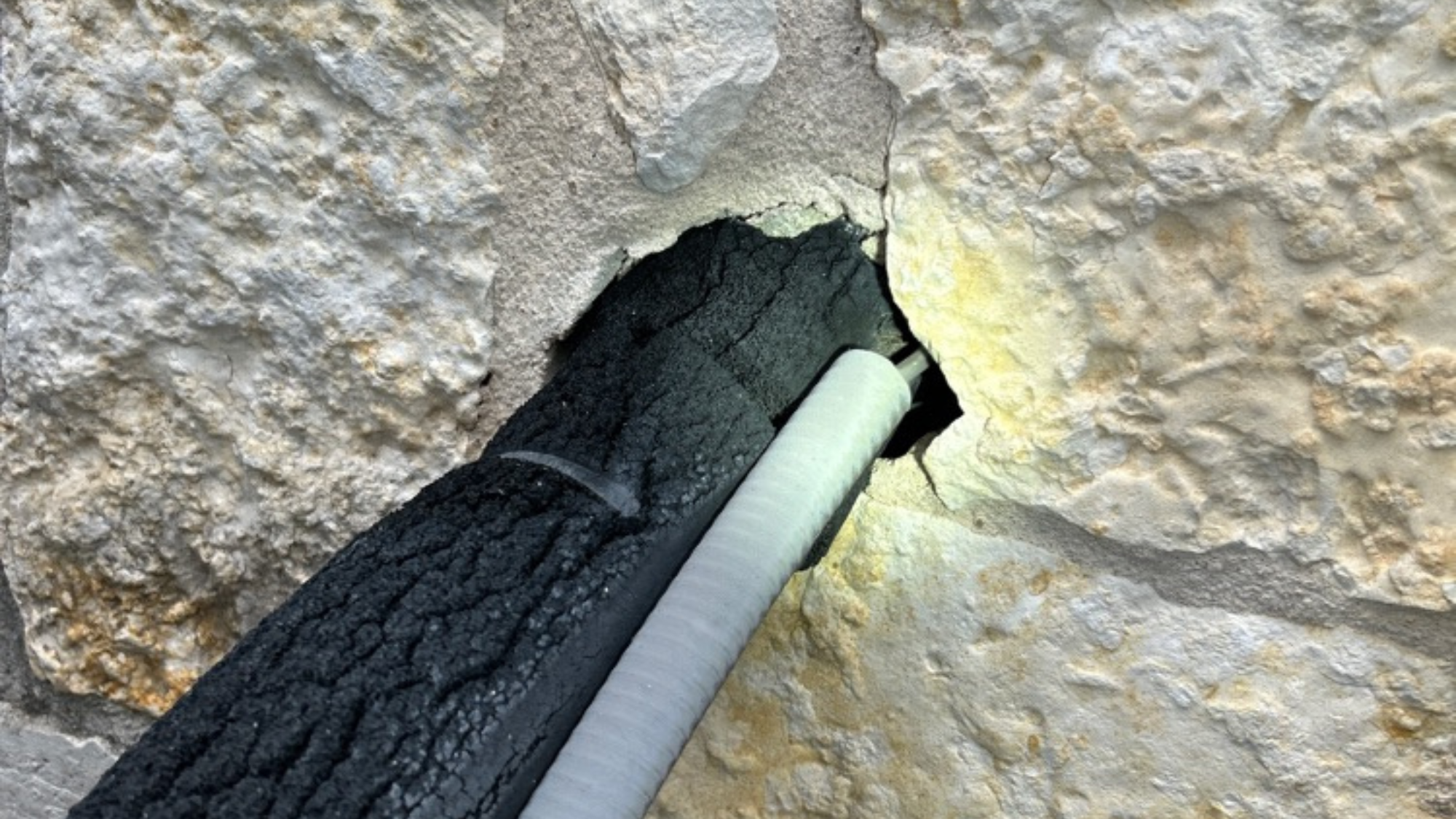
- Gaps around pipes and wiring
- Damaged door sweeps
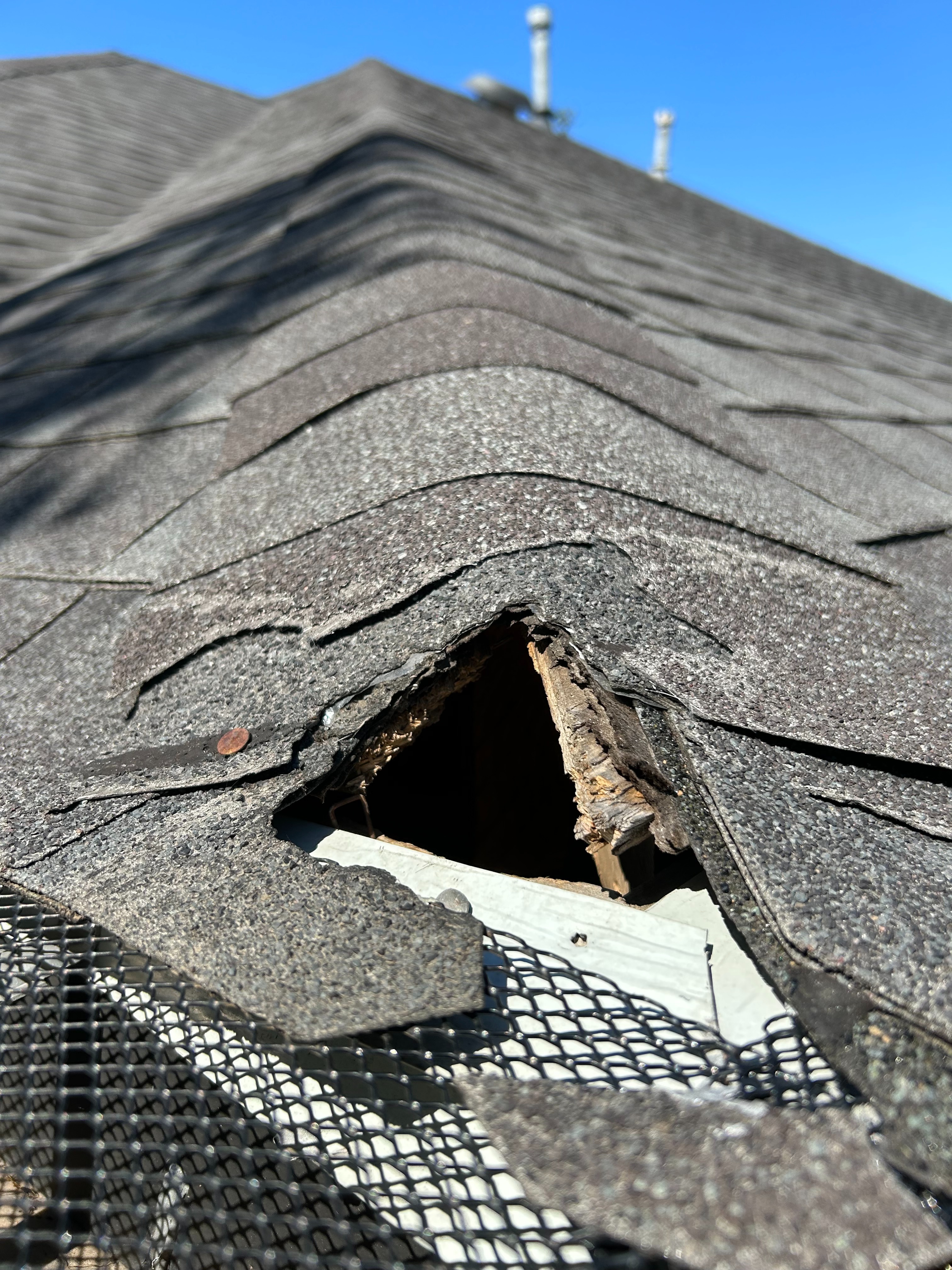
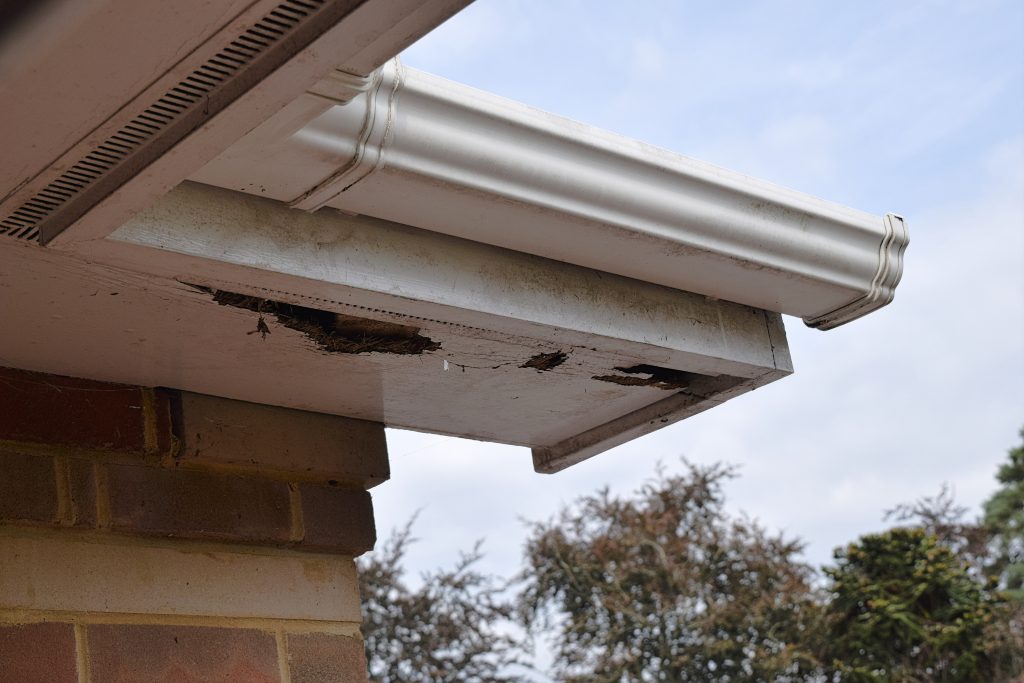
- Cracks in foundation
What triggers a violation:
- Visible burrows near building
- Gaps large enough for rodent entry (1/2 inch or larger)
- Missing or damaged door seals
Even if they don't see droppings inside, visible entry points can trigger citations for "conditions conducive to pests."
What a Wildlife Violation Actually Costs Your Restaurant
Let's break down the real financial impact:
Immediate Costs
Health Score Drop:
- Score of 89 or below = Public disclosure
- Score of 79 or below = Grade drops to "C" or "pending"
- Score of 69 or below = Mandatory closure until re-inspection
Re-Inspection Fees:
- First re-inspection: Usually included
- Additional re-inspections: $100-300 per visit
- Emergency inspection (if you request it): $200-500
Pest Control Services:
- Emergency pest control: $300-800
- Ongoing pest control: $150-400/month
Exclusion and Repairs:
- Professional wildlife exclusion: $2,000-5,000
- Structural repairs: $1,000-3,000
- Dumpster area improvements: $500-2,000
Total immediate costs: $4,000-12,000
Lost Revenue
This is where it really hurts.
Scenario 1: Score Drops to 85 (Still "A" but publicly disclosed)
Studies show restaurants with publicly disclosed violations see:
- 15-25% drop in revenue for 3-6 months
- Customers avoid restaurants they see on "Behind the Kitchen Door"
If your monthly revenue is $50,000:
- 20% drop = $10,000/month lost
- Over 3 months = $30,000 lost revenue
Scenario 2: Score Drops to 75-79 ("C" Grade or "Pending")
- 30-50% drop in revenue for 6-12 months
- Some customers never come back
- Negative online reviews spike
If your monthly revenue is $50,000:
- 40% drop = $20,000/month lost
- Over 6 months = $120,000 lost revenue
Scenario 3: Mandatory Closure (Score Under 70)
- 100% revenue loss during closure (usually 3-7 days)
- 50-70% drop for 6-12 months after reopening
- Permanent reputation damage
If your monthly revenue is $50,000:
- 1 week closure = $12,500 lost
- 60% drop for 6 months = $180,000 lost
- Total: $192,500+ lost revenue
Long-Term Costs
Reputation Damage:
- Negative online reviews persist for years
- "Rat problem" becomes associated with your brand
- Catering and event bookings dry up
Increased Inspection Frequency:
- Once flagged, inspectors return more often
- Future violations result in harsher penalties
Insurance Issues:
- Some insurers increase premiums after health violations
- Repeat violations can trigger policy cancellation
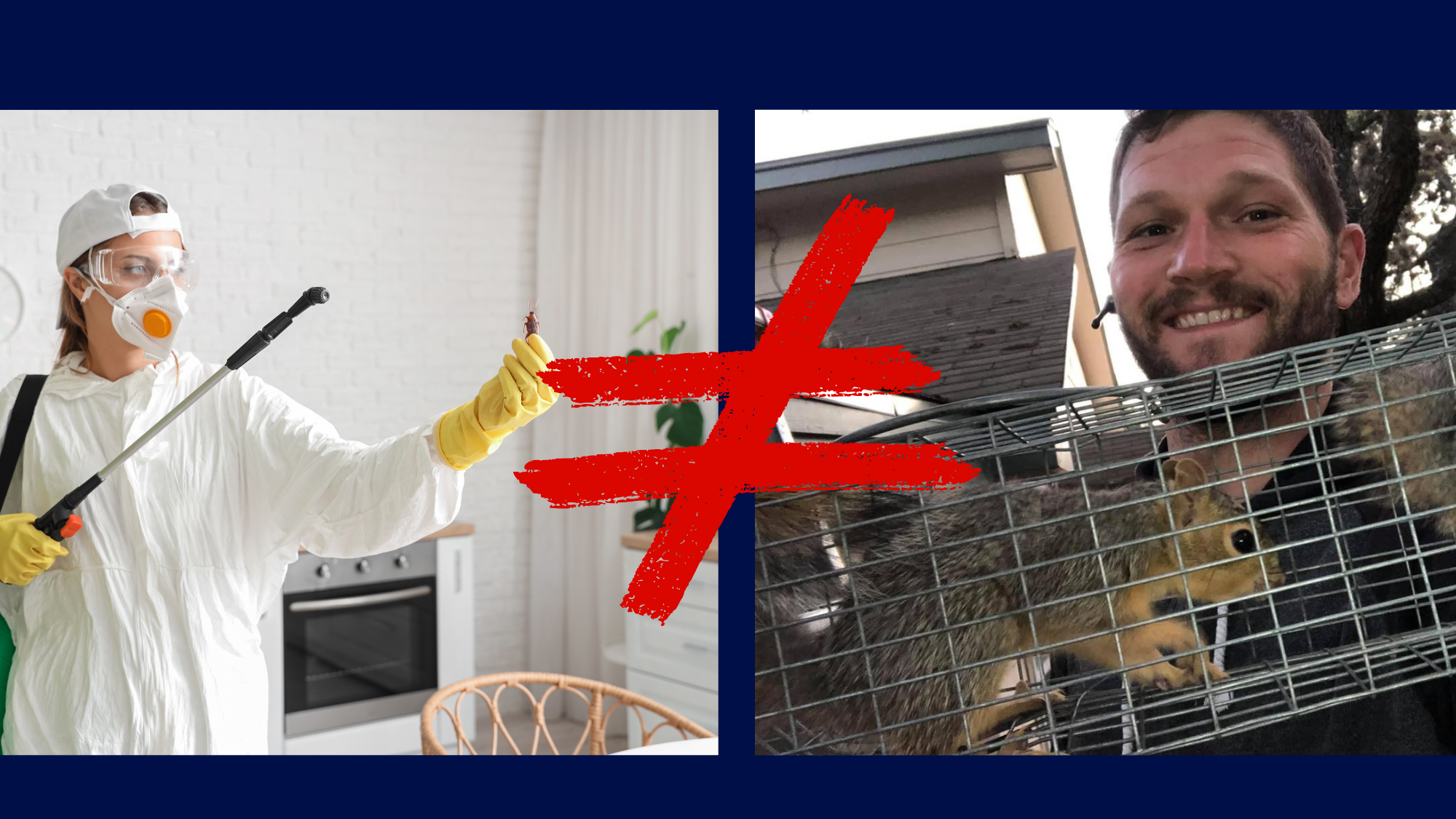
Why "Pest Control" Doesn't Solve Restaurant Wildlife Problems
Most restaurant owners call their regular pest control company when they see a rodent.
Here's why that doesn't work:
Pest Control = Reactive
Pest control companies:
- Set bait stations and traps
- Spray perimeters
- Come back monthly to check/rebait
The problem:
- They're killing rodents AFTER they're inside
- They're not sealing entry points
- Rodents keep coming back because nothing prevents entry
You're paying monthly but the problem never ends.
Wildlife Exclusion = Proactive
Wildlife exclusion companies:
- Identify ALL entry points (usually 10-20 per building)
- Seal gaps with steel mesh and professional materials
- Trap and remove rodents already inside
- Prevent future entry permanently
The result:
- Rodents can't get back in
- Problem solved permanently
- No ongoing monthly fees
Real Example:
Restaurant A: Uses regular pest control
- Pays $250/month for bait stations and perimeter spray
- Still sees rodent evidence every few months
- Annual cost: $3,000
- Problem persists year after year
Restaurant B: Invests in wildlife exclusion
- Pays $3,500 one-time for complete exclusion
- No rodent issues for 3+ years
- Optional annual inspection: $300/year
- 3-year cost: $4,400
- Problem solved permanently
Restaurant B spends less over 3 years AND solves the problem.
The 4 Most Common Entry Points at San Antonio Restaurants
1. Dumpster Area
Why it's vulnerable:
- Food waste attracts rodents
- Dumpster pads crack and create gaps
- Gaps between building and dumpster enclosure
- Damaged or missing gates
What to seal:
- Gaps in dumpster enclosure walls
- Cracks in concrete pad
- Gaps where enclosure meets building
2. Back Door and Loading Area
Why it's vulnerable:
- Doors left propped open during deliveries
- Damaged door sweeps and seals
- Gaps under doors
- Cracks in loading dock
What to seal:
- Replace door sweeps (bottom seals)
- Seal gaps around door frames
- Install rodent-proof thresholds
3. Plumbing and Utility Penetrations
Why it's vulnerable:
- Pipes enter building through walls
- Gaps around electrical conduit
- HVAC line penetrations
- Grease trap access points
What to seal:
- Steel wool and concrete around pipe penetrations
- Seal utility gaps with expanding foam and mesh
- Cover grease trap openings when not in use
4. Foundation Cracks and Gaps
Why it's vulnerable:
- Commercial buildings settle and crack
- Expansion joints create gaps
- Erosion exposes foundation
- Sidewalk separation creates entry
What to seal:
- Concrete repair for cracks
- Seal expansion joints with rodent-proof materials
- Fill erosion gaps
How to Rodent-Proof Your Restaurant (Checklist)
Daily Actions:
☐ Keep back door closed (don't prop open)
☐ Clean up food debris immediately
☐ Empty trash multiple times daily
☐ Sweep floors thoroughly at closing
☐ Store food in sealed containers (never cardboard boxes)
☐ Clean behind and under equipment
Weekly Actions:
☐ Move equipment and clean underneath
☐ Inspect dumpster area for gaps or damage
☐ Check door seals and sweeps
☐ Look for droppings in storage areas
☐ Inspect dry storage for gnaw marks
Monthly Actions:
☐ Deep clean kitchen (including areas behind equipment)
☐ Inspect exterior for new cracks or gaps
☐ Check plumbing penetrations for gaps
☐ Review pest control logs
☐ Inspect storage areas for nesting material
Quarterly Actions:
☐ Professional wildlife inspection
☐ Seal any new gaps identified
☐ Clean and repair dumpster enclosure
☐ Replace damaged door seals
What Health Inspectors Want to See
When inspectors visit, they want to see evidence of proactive pest management:
✅ Pest control logs - Documented monthly pest control visits
✅ Sealed entry points - No visible gaps or cracks
✅ Clean dumpster area - No spills, well-maintained enclosure
✅ Proper food storage - All food in sealed containers off the floor
✅ Door seals intact - No light visible under doors
✅ No clutter - Clean, organized storage areas
If they see these things, they're less likely to dig deeper.
What to Do If You Get a Wildlife Violation
Step 1: Don't Panic
One violation isn't the end of your business—but ignoring it is.
Step 2: Call a Wildlife Exclusion Specialist (Not Just Pest Control)
You need:
- Complete inspection of all entry points
- Professional sealing with permanent materials
- Trapping of rodents already inside
- Documentation for re-inspection
Do NOT just call your regular pest control guy and hope it goes away.
Step 3: Document Everything
Take photos and notes of:
- All repairs made
- Entry points sealed
- Professional services performed
- Ongoing monitoring
Inspectors want to see proof you fixed the problem.
Step 4: Schedule Re-Inspection ASAP
Don't wait for inspectors to come back. Request a re-inspection as soon as repairs are complete.
Why:
- Shows you take it seriously
- Gets your score back up faster
- Limits revenue loss
Step 5: Implement Ongoing Prevention
Monthly pest control + quarterly wildlife inspections = permanent protection
This is no longer optional. Once you've had a violation, inspectors will watch you closely.
How Homeland Wildlife Helps San Antonio Restaurants
We specialize in permanent rodent exclusion for commercial properties.
What We Do:
1. Complete Exterior and Interior Inspection
- Identify all entry points (average restaurant has 15-25)
- Assess dumpster area, loading dock, and building perimeter
- Provide written report with photos
2. Professional Exclusion
- Seal all entry points with steel mesh and concrete
- Install rodent-proof door sweeps
- Seal plumbing and utility penetrations
- Repair foundation cracks
3. Interior Trapping and Removal
- Trap rodents already inside
- Humane removal and disposal
- Sanitization of affected areas
4. Documentation for Health Department
- Provide written documentation of all work performed
- Photos of before/after
- Warranty information
5. Quarterly Maintenance Program
- Monthly inspections
- Seal new gaps as they develop
- Ongoing documentation
- $300-500/month (cheaper than losing customers)
The Bottom Line
A single rodent violation can cost your restaurant $30,000-200,000 in lost revenue.
Prevention costs $3,000-5,000 one time.
The math is simple.
Don't wait for a health inspector to find the problem. Be proactive.
Your reputation, your revenue, and your business depend on it.
Own a San Antonio restaurant? Call Homeland Wildlife & Pest Control at 210-776-6100 for a free commercial inspection. We'll identify every vulnerability and provide a plan to keep your health score perfect.


.png)

.png)
.png)

%20(6.8%20x%206.8%20in)%20(2).png)

.png)


.png)

.png)
.png)
.png)
.png)
.png)

.png)
.png)
.png)
.png)
.png)


.png)
.png)
.png)
.png)
.png)
.png)
.png)
.png)
.png)





.png)
.png)

%20(6.8%20x%206.8%20in)%20(1).png)
.webp)
.png)

.png)
.png)