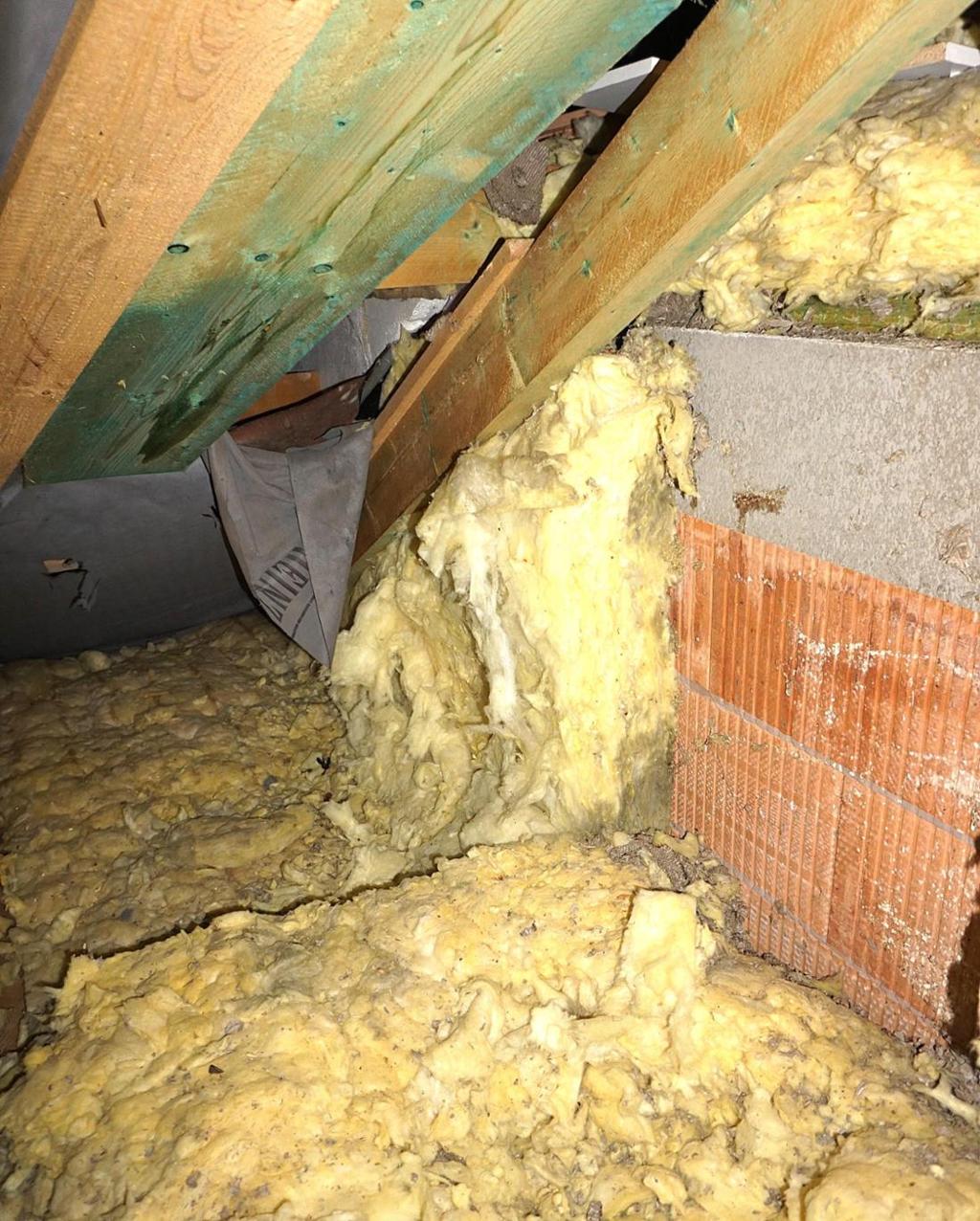
Before we dive into the specific entry points, understand this: San Antonio's climate and construction style make homes here particularly attractive to wildlife.
San Antonio builders prioritize:
All of this creates entry points for wildlife.
In northern states, wildlife activity slows in winter. Not here.
San Antonio's mild winters mean:
Your home is under constant pressure from wildlife looking for shelter.
San Antonio has beautiful mature trees. Unfortunately, they also:
Add in homes built in the 70s-90s with aging materials, and you have the perfect recipe for wildlife entry.
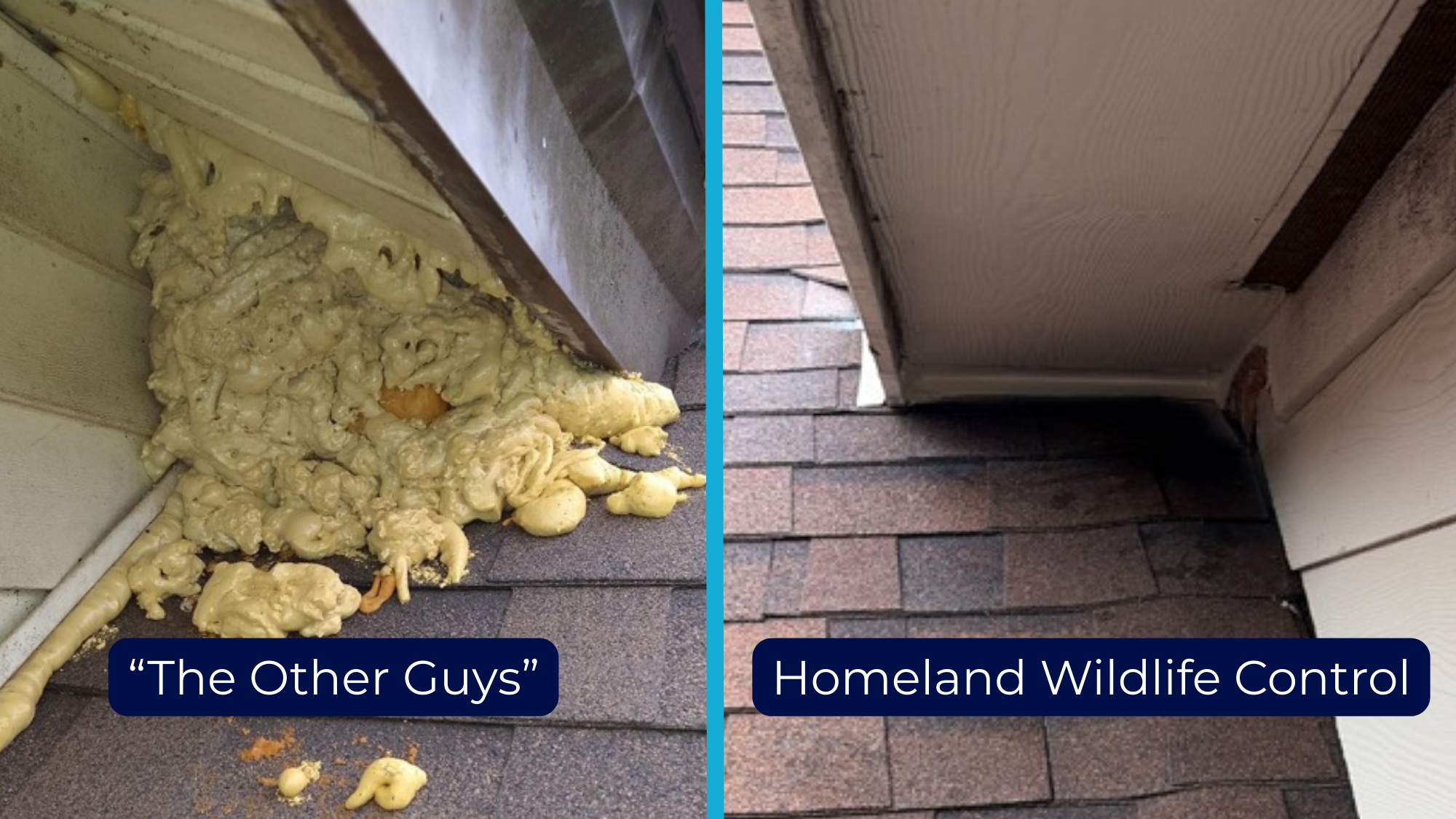
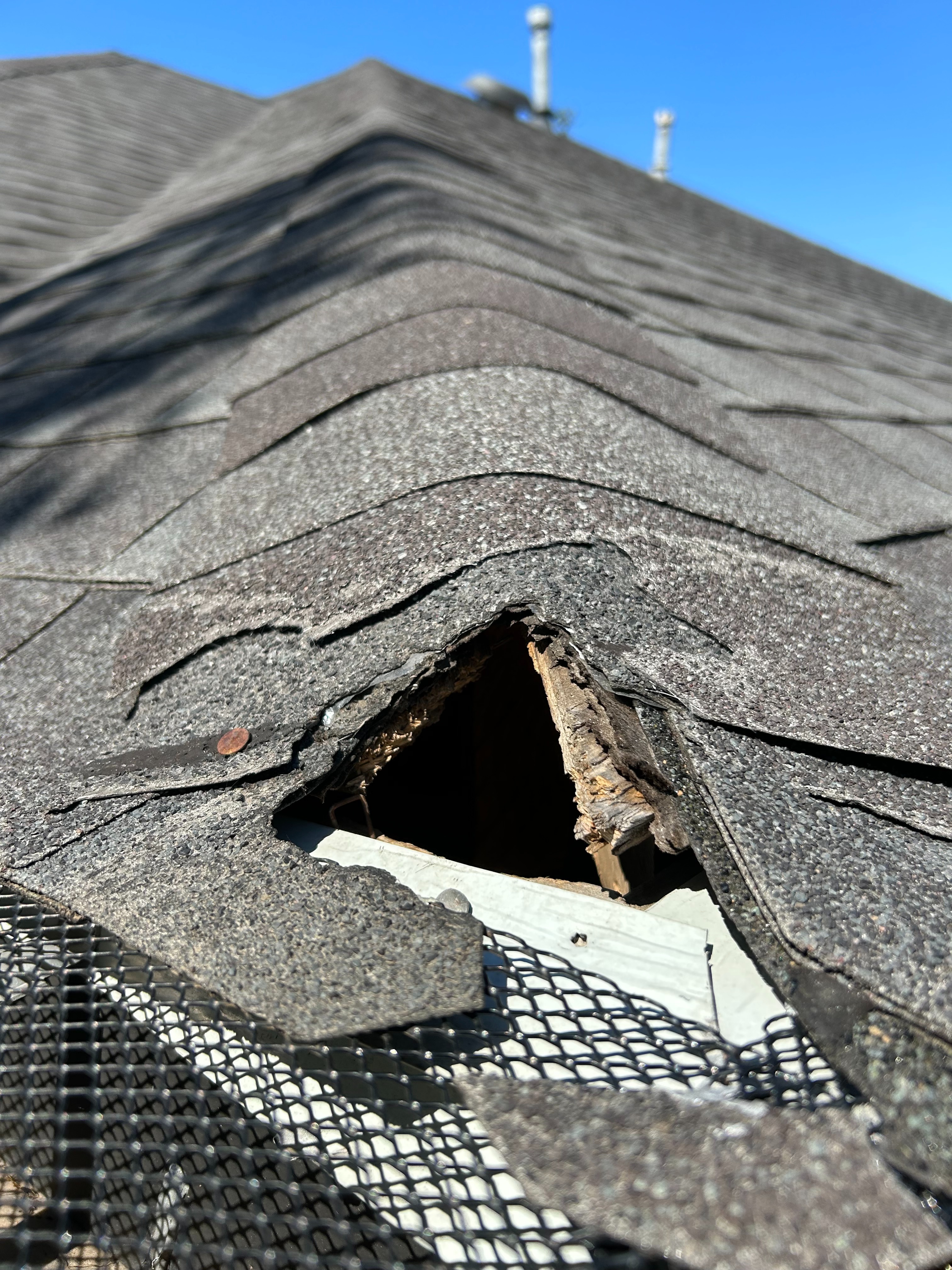
Roof returns are the sections where your roofline meets the side of your house—usually at the gable ends. They're designed with small vents or screening to allow attic ventilation.
From the ground:
Close-up (if you can safely access):
DIY: Only if the screening is intact but slightly loose. You can re-secure it with screws.
Call a pro: If there's any chewing, gaps, or missing screening. You need steel mesh, not replacement screening (animals will just chew through again).
Cost to fix professionally: $150-300 per roof return (includes steel mesh installation and paint matching)
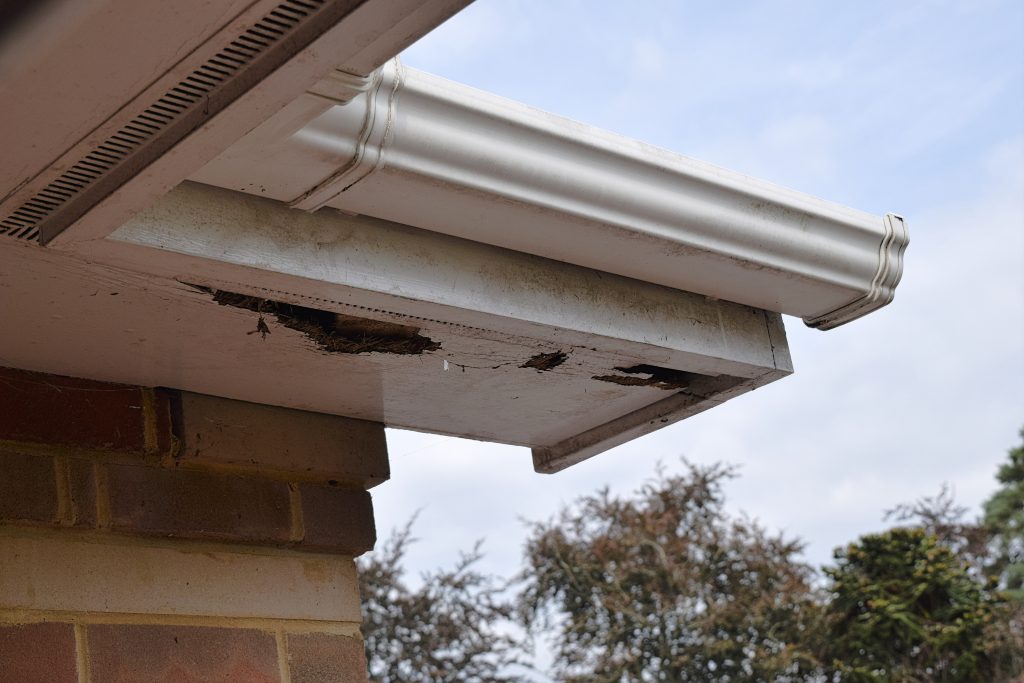
Soffits are the underside of your roof overhang (the part you see when you look up from your yard). Fascia is the vertical board that runs along the edge of your roof.
These areas are designed to ventilate your attic—but they're also prime entry points when they deteriorate.
Walk around your entire home and look up at the soffits:
Look for:
Pro tip: Check corners and seams first—that's where gaps develop most often.
DIY: Small gaps (under 1 inch) can be sealed with steel mesh and exterior caulk.
Call a pro: Rotted wood, large gaps, or extensive damage. You'll need soffit replacement and proper sealing.
Cost to fix professionally: $200-800 depending on extent of damage
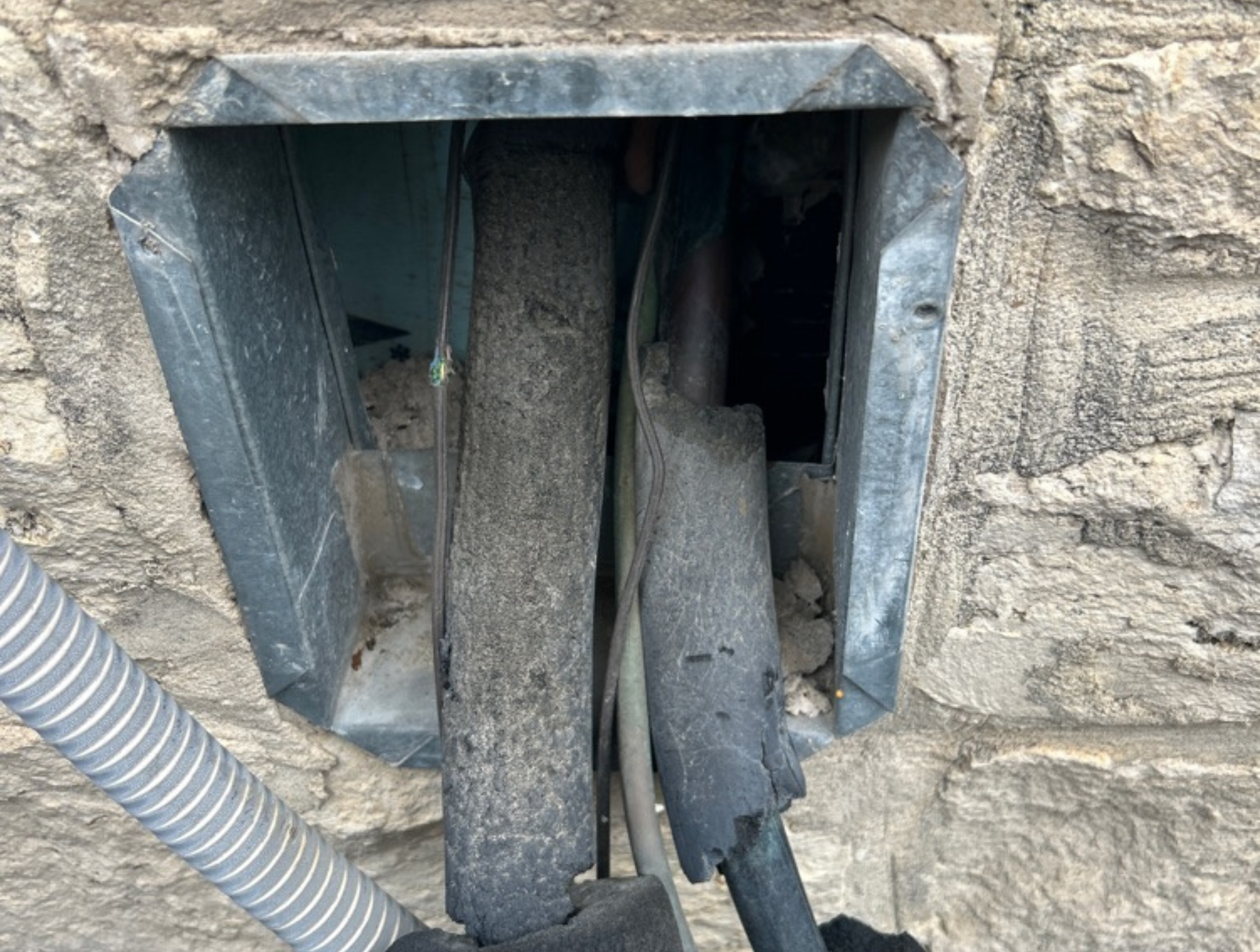
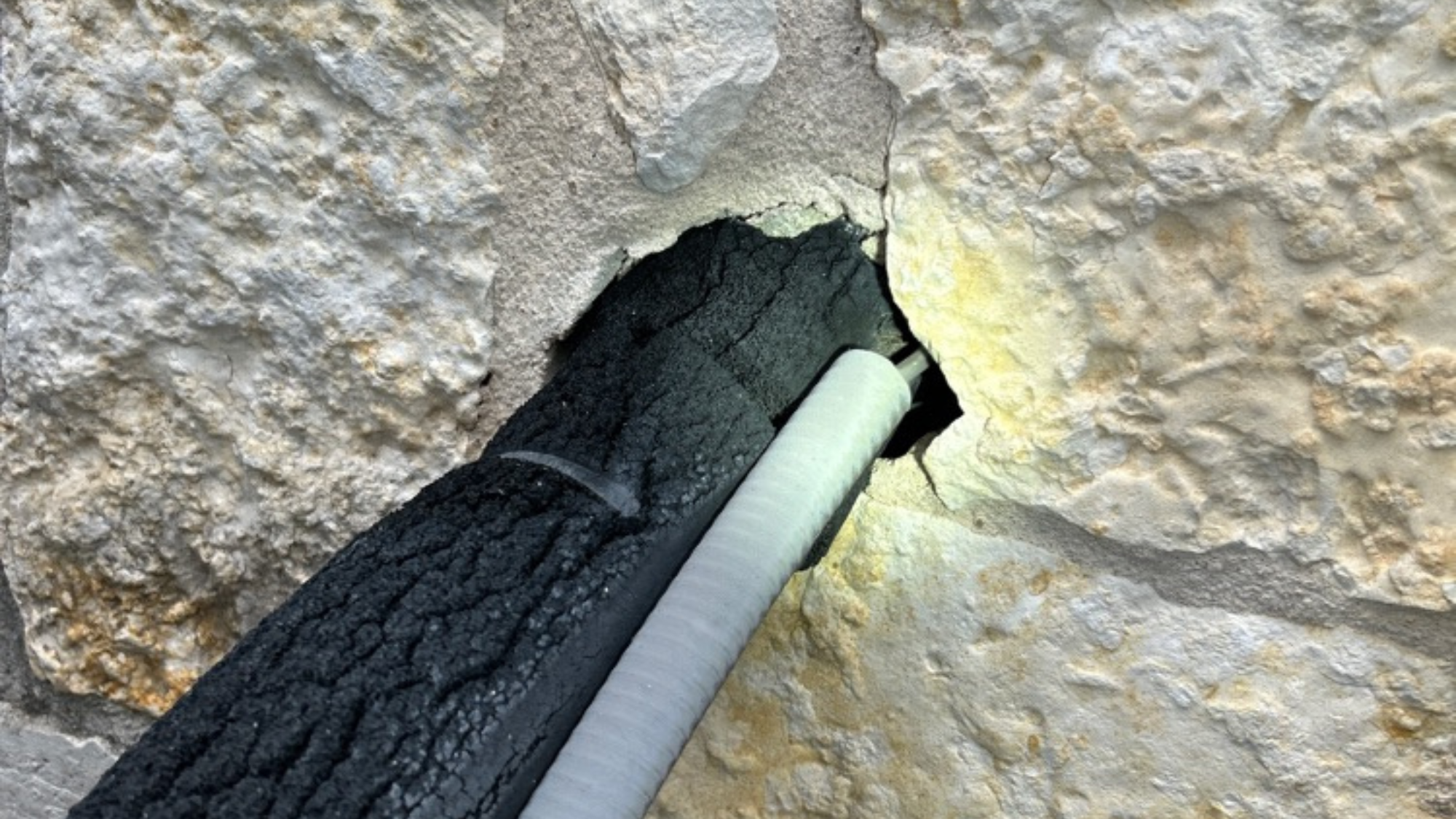
Your AC lines (refrigerant lines and electrical) run from your outdoor unit to your indoor air handler. They enter your home through a penetration—usually through an exterior wall into your attic.
Builders often leave gaps around these penetrations "for ventilation." Wildlife sees them as front doors.
Go outside and find your AC unit:
Look for:
Inside the attic (if you can access safely):
DIY: You can seal small gaps (under 1 inch) with steel wool and expanding foam (NOT regular foam—use steel wool first).
Call a pro: Gaps over 1 inch or multiple penetrations. Professionals use steel mesh and proper sealing.
Cost to fix professionally: $100-200 per penetration
Pro tip: Most San Antonio homes have 2-4 AC line penetrations. Check them all.
Your foundation is the concrete base of your home. Over time, gaps develop:
Walk around your home at ground level:
Look for:
Pro tip: Check after rain—erosion is more visible when soil is wet.
DIY: Replace missing vent screens with steel mesh screens (not plastic—rats chew through it).
Call a pro: Foundation gaps, erosion damage, or evidence of burrowing. You need proper sealing and possibly concrete repair.
Cost to fix professionally: $150-500 depending on number of gaps and extent of damage
Your garage is connected to your attic. If rodents get into your garage, they can climb walls and access attic spaces through interior gaps.
And garage doors? They're rarely sealed properly.
Close your garage door and turn off the lights inside:
Check the bottom seal:
Check the sides:
DIY: Replace bottom garage door seal (available at hardware stores, easy to install).
Call a pro: Side gaps, structural issues with door, or evidence of rodents already inside.
Cost to fix professionally: $75-200 for seal replacement
Bonus tip: Don't store pet food, birdseed, or garbage in your garage. It attracts rodents.
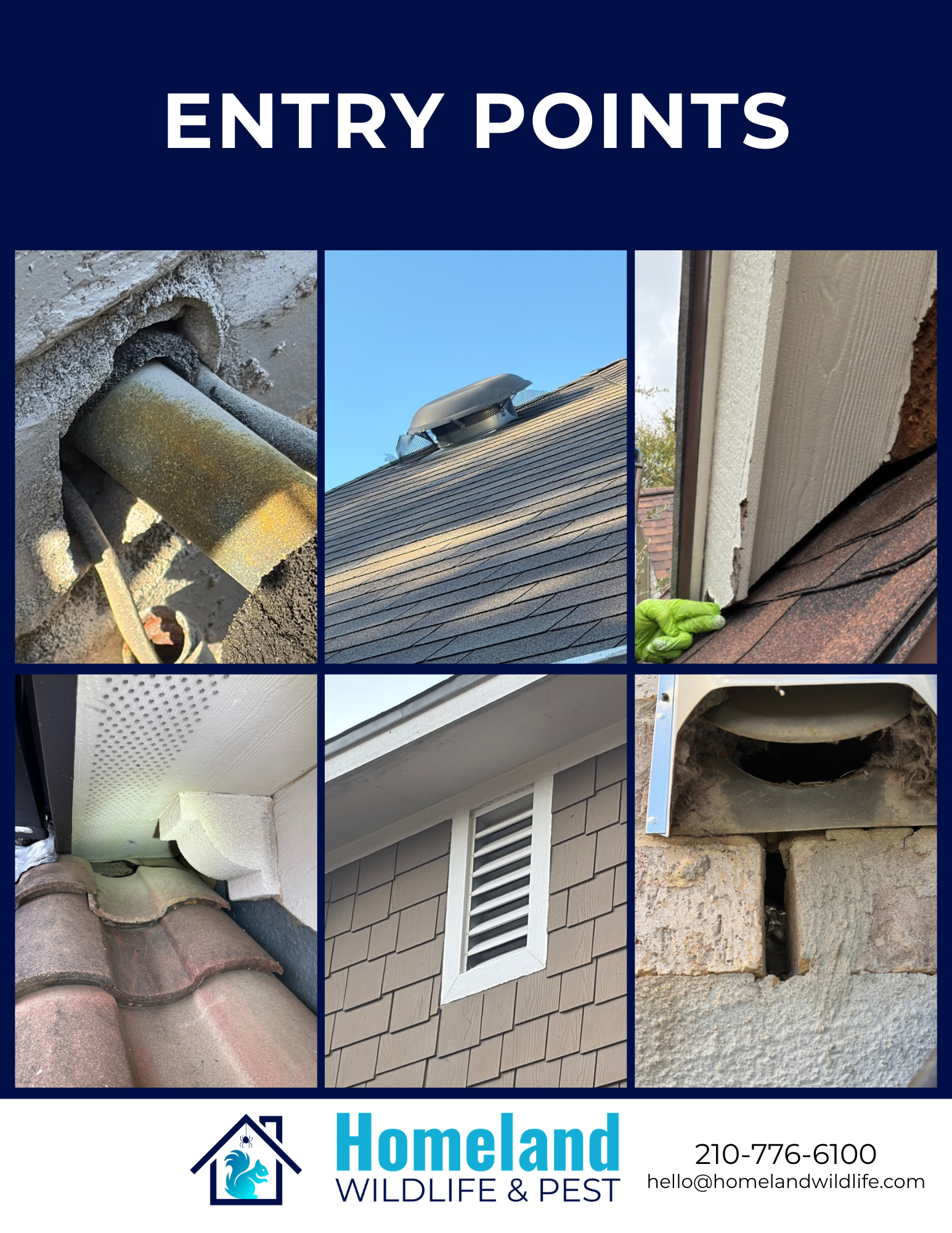
These are less common but still worth inspecting:
What to look for: Missing screens, chew marks, gaps
Animals: Squirrels, bats, rats
What to look for: No cap installed, rust damage, gaps in flashing
Animals: Raccoons, squirrels, bats, birds
What to look for: Gaps around pipe, damaged flashing
Animals: Squirrels, rats
If you find gaps but no evidence of wildlife (no chewing, no droppings, no sounds), seal them yourself or hire a handyman.
Cost: $50-300 depending on number of gaps
Time investment: 1-2 hours
Savings: Prevents a $2,500+ wildlife exclusion later
If you find:
Do NOT seal the entry points yourself. You could trap animals inside, causing them to die in your walls.
Call a wildlife specialist to:
Grab binoculars, a flashlight, and a notepad. Walk around your home and check:
☐ Roof returns (both gable ends) - Look for torn screening or gaps
☐ Soffits (entire perimeter) - Look for loose panels or gaps
☐ AC line penetrations (2-4 locations) - Look for gaps around lines
☐ Foundation (entire perimeter at ground level) - Look for gaps and erosion
☐ Garage door seals (close door, look for daylight) - Look for visible light
☐ Attic vents (if visible from ground) - Look for damage
☐ Chimney (if applicable) - Look for missing cap
If you find 1-2 minor gaps: Seal them yourself or hire a handyman.
If you find 3+ gaps or any evidence of wildlife: Call a professional.
Here's the math:
Sealing 5 entry points BEFORE wildlife moves in:
Waiting until wildlife moves in:
Spending $500 now saves you $5,000 later.
Free Inspection: We'll inspect your entire home and identify every entry point—even the ones you'd never find.
Preventive Sealing: If you don't have wildlife yet but have vulnerabilities, we can seal them before animals move in (much cheaper than full exclusion).
Full Exclusion: If animals are already inside, we'll remove them humanely and seal your home permanently.
Lifetime Warranty: All work backed by renewable lifetime warranty.
You don't need to wait until you hear scratching to protect your home.
Take 20 minutes this weekend:
An ounce of prevention is worth a pound of cure.
(Or in this case, $500 in prevention is worth $5,000 in repairs.)
Want a professional inspection? Call Homeland Wildlife & Pest Control at 210-776-6100. We'll identify every vulnerability and give you options—whether that's simple sealing or full exclusion.

February 13, 2025
.png)
March 19, 2025

May 5, 2025
.png)
May 1, 2025
.png)
May 2, 2025

January 27, 2026
%20(6.8%20x%206.8%20in)%20(2).png)
July 10, 2026

.png)


.png)

.png)
.png)
.png)
.png)
.png)

.png)
.png)
.png)
.png)
.png)


.png)
.png)
.png)
.png)
.png)
.png)
.png)
.png)
.png)






.png)
.png)

%20(6.8%20x%206.8%20in)%20(1).png)
.webp)
.png)

.png)
.png)