A blue calendar icon
August 14, 2026

How Wildlife Can Damage Your Electrical Wiring

How Wildlife Can Damage Your Electrical Wiring

How Wildlife Can Damage Your Electrical Wiring

The Hidden Danger Lurking in Your Attic

When most homeowners think about wildlife in the attic, they picture scratching noises or damaged insulation. What many don't realize is that one of the most serious risks is hidden behind the walls and above the ceiling—your home's electrical wiring.

Squirrels, rats, mice, and other wildlife have a natural instinct to chew. Unfortunately, electrical wiring is often one of their favorite targets. What starts as a small wildlife problem can quickly become a costly repair—or even a fire hazard.

At Homeland Wildlife Control & Insulation, we've seen firsthand how destructive wildlife can be once it enters a home. Identifying and removing these animals early can help protect both your property and your family's safety.

Why Do Animals Chew on Electrical Wires?

Many rodents have teeth that never stop growing. To keep them from becoming too long, they constantly gnaw on hard materials.

Inside your attic, wildlife may chew on:

  • Electrical wiring
  • Wooden framing
  • Plastic piping
  • HVAC ductwork
  • Stored belongings
  • Insulation

Unfortunately, electrical wiring provides an easy surface for rodents to chew, increasing the risk of damaged circuits and exposed wires.

Which Animals Are Most Likely to Cause Electrical Damage?

Several common wildlife species are known for chewing electrical wiring, including:

  • Squirrels
  • Roof rats
  • Mice
  • Chipmunks (where present)

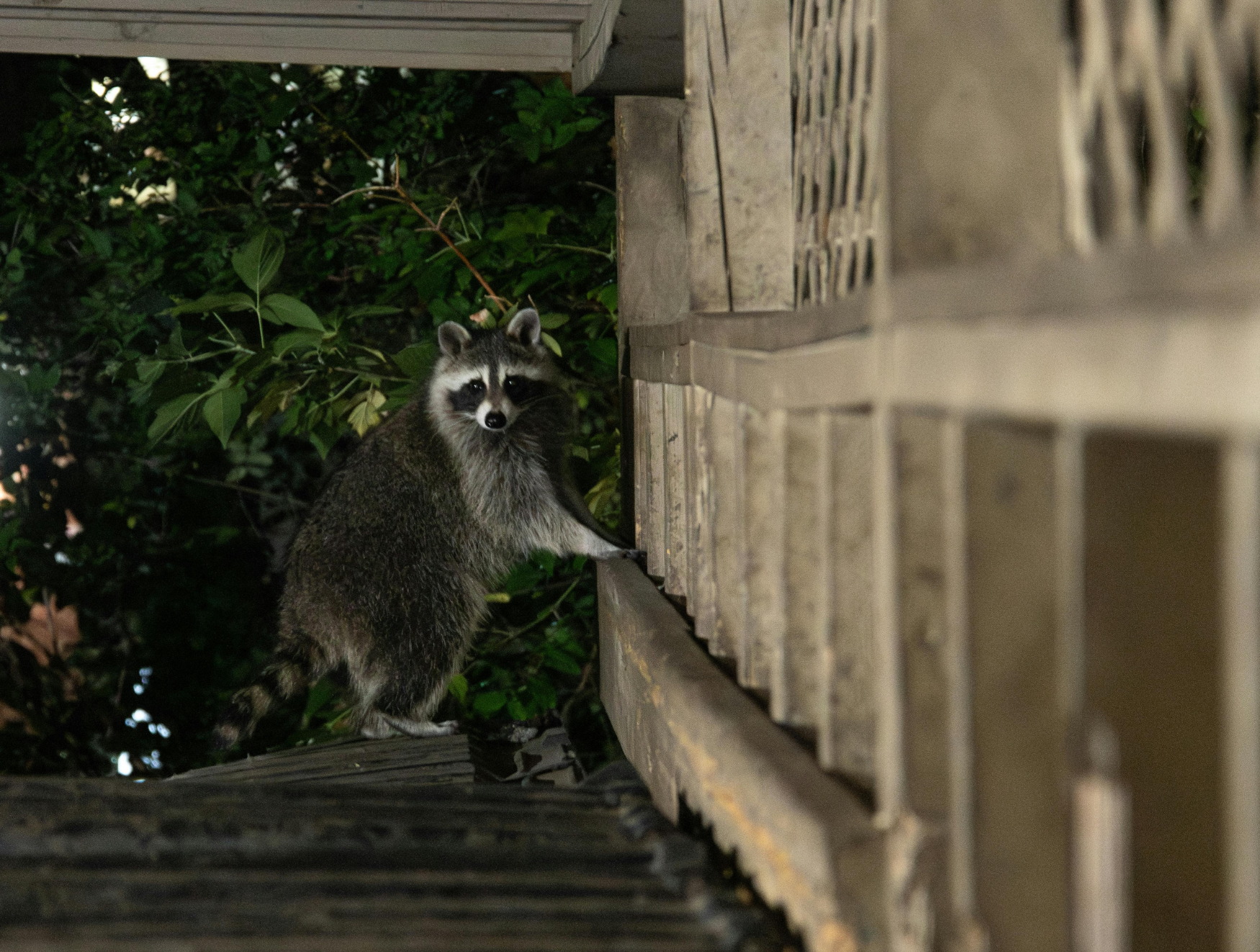
Other animals, such as raccoons, may not chew wires as frequently but can still damage electrical components while nesting or moving through attic spaces.

The Risks of Damaged Wiring

Chewed electrical wiring is more than an inconvenience—it can create serious safety hazards for your home.

Potential risks include:

  • Electrical shorts
  • Flickering lights
  • Tripped circuit breakers
  • Power outages
  • Damage to appliances and electronics
  • Costly electrical repairs
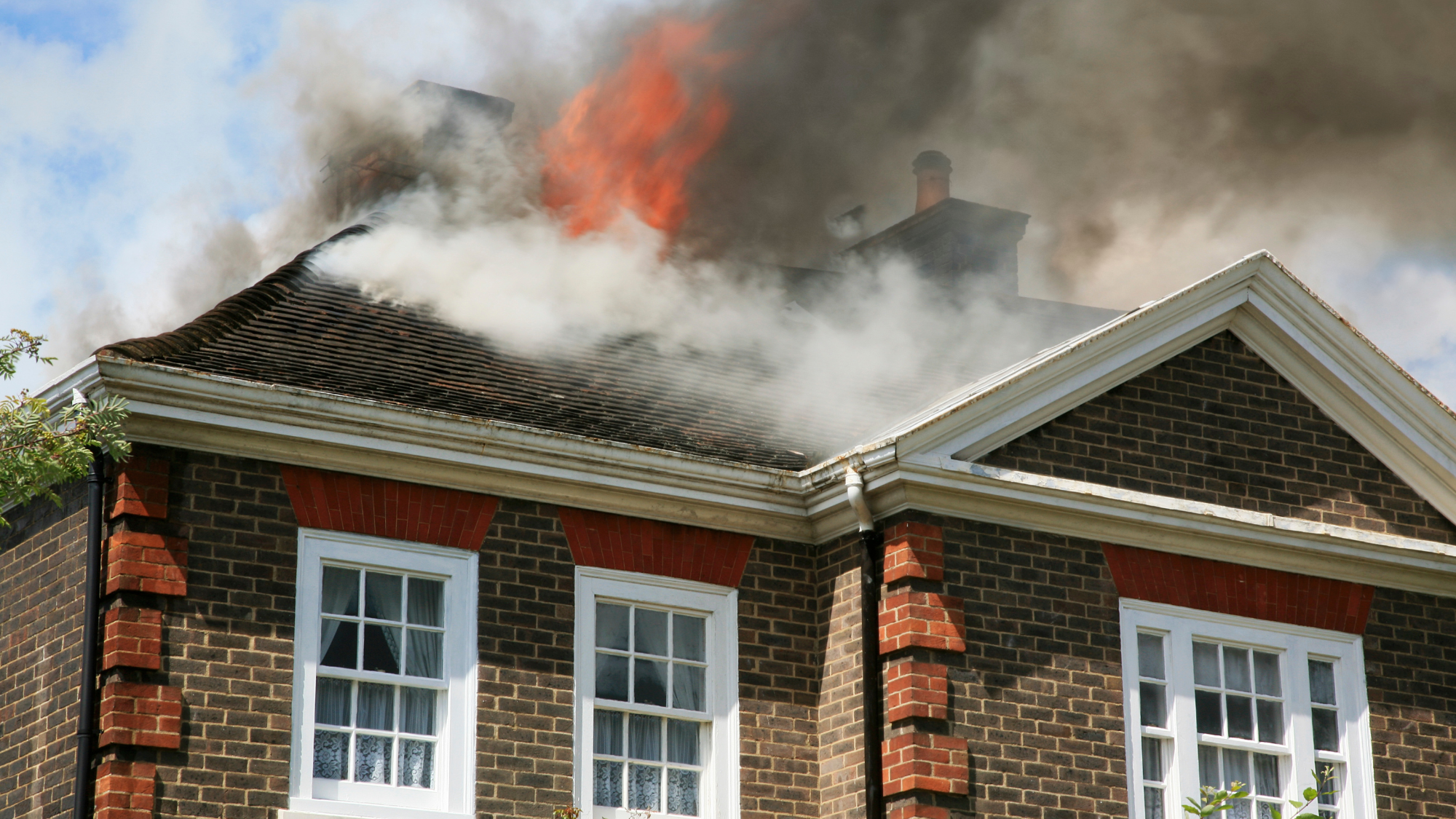
  • Increased risk of electrical fires

Even if you don't notice immediate problems, hidden wire damage can worsen over time. That's why it's important to have your attic inspected if you suspect wildlife activity.

Signs Wildlife May Have Damaged Your Wiring

Watch for these warning signs:

  • Scratching or scurrying sounds in the attic
  • Lights that flicker unexpectedly
  • Circuit breakers that trip repeatedly
  • Burning or unusual odors
  • Unexplained power interruptions
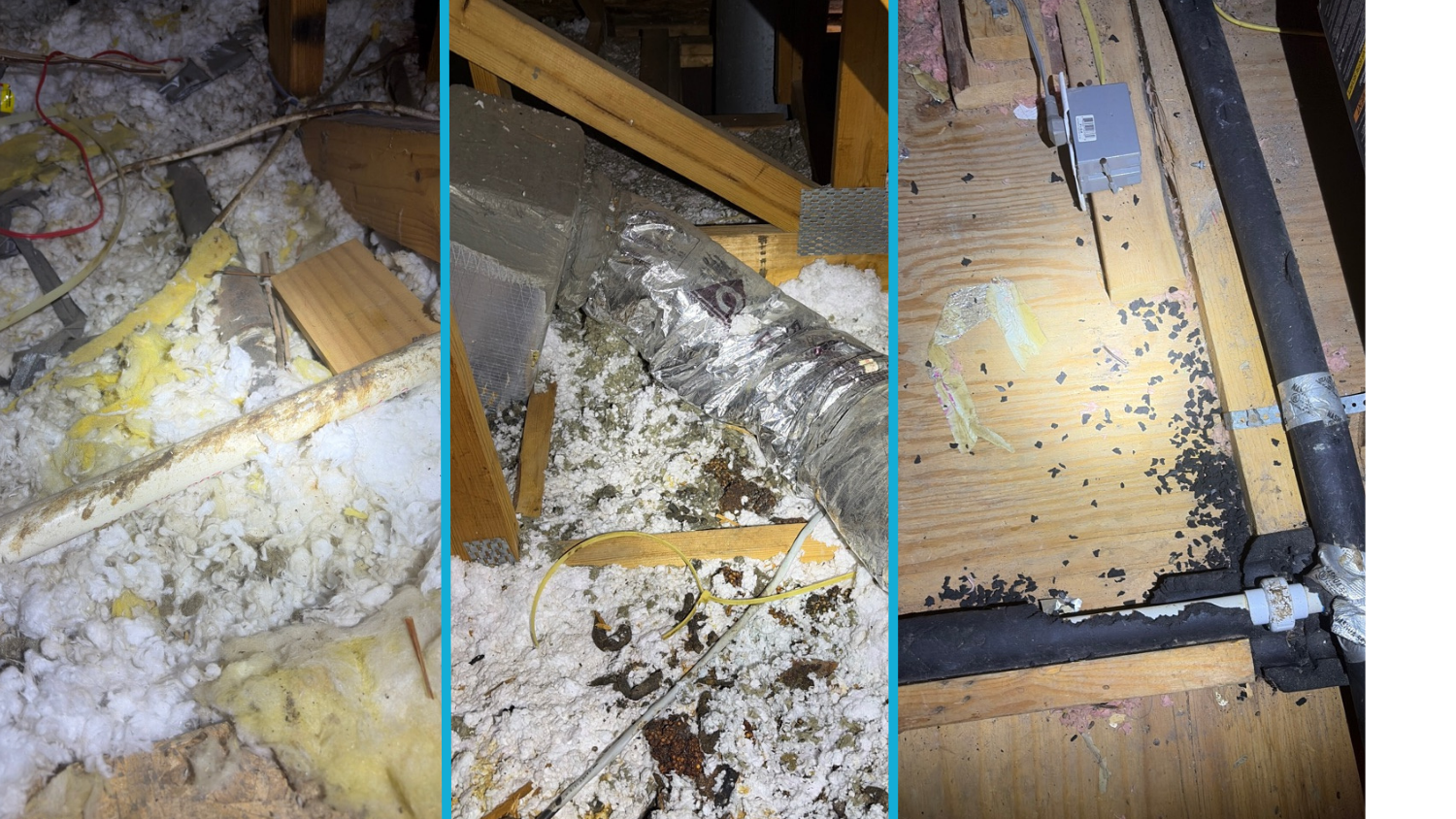
  • Visible droppings or nesting materials
  • Chewed insulation or wood in the attic

If you notice any of these issues, avoid entering confined attic spaces without caution and consider scheduling a professional inspection.

Wildlife Damage Doesn't Stop at Electrical Wiring

Once wildlife gains access to your attic, the damage often extends far beyond electrical systems.

Animals may also:

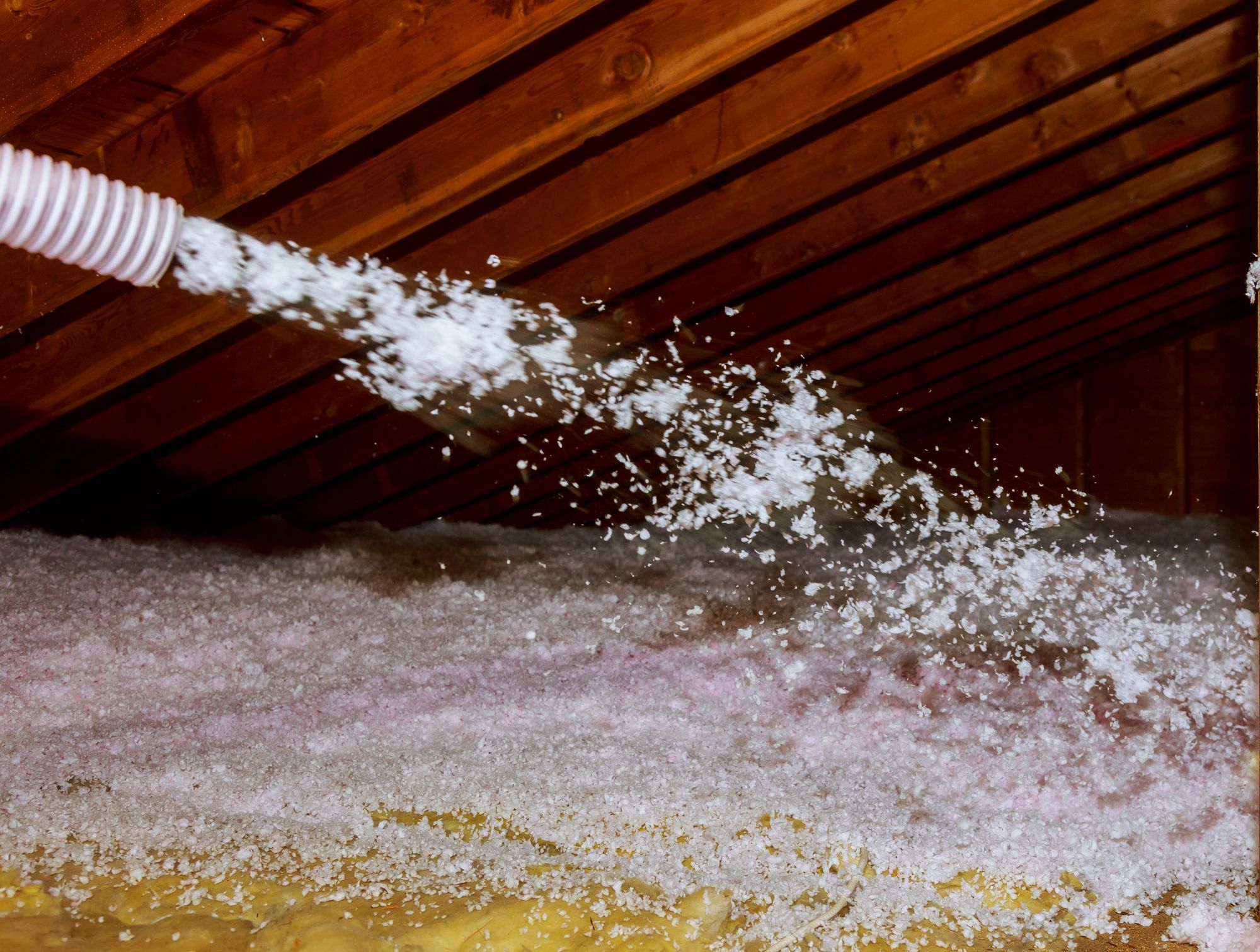
  • Destroy attic insulation
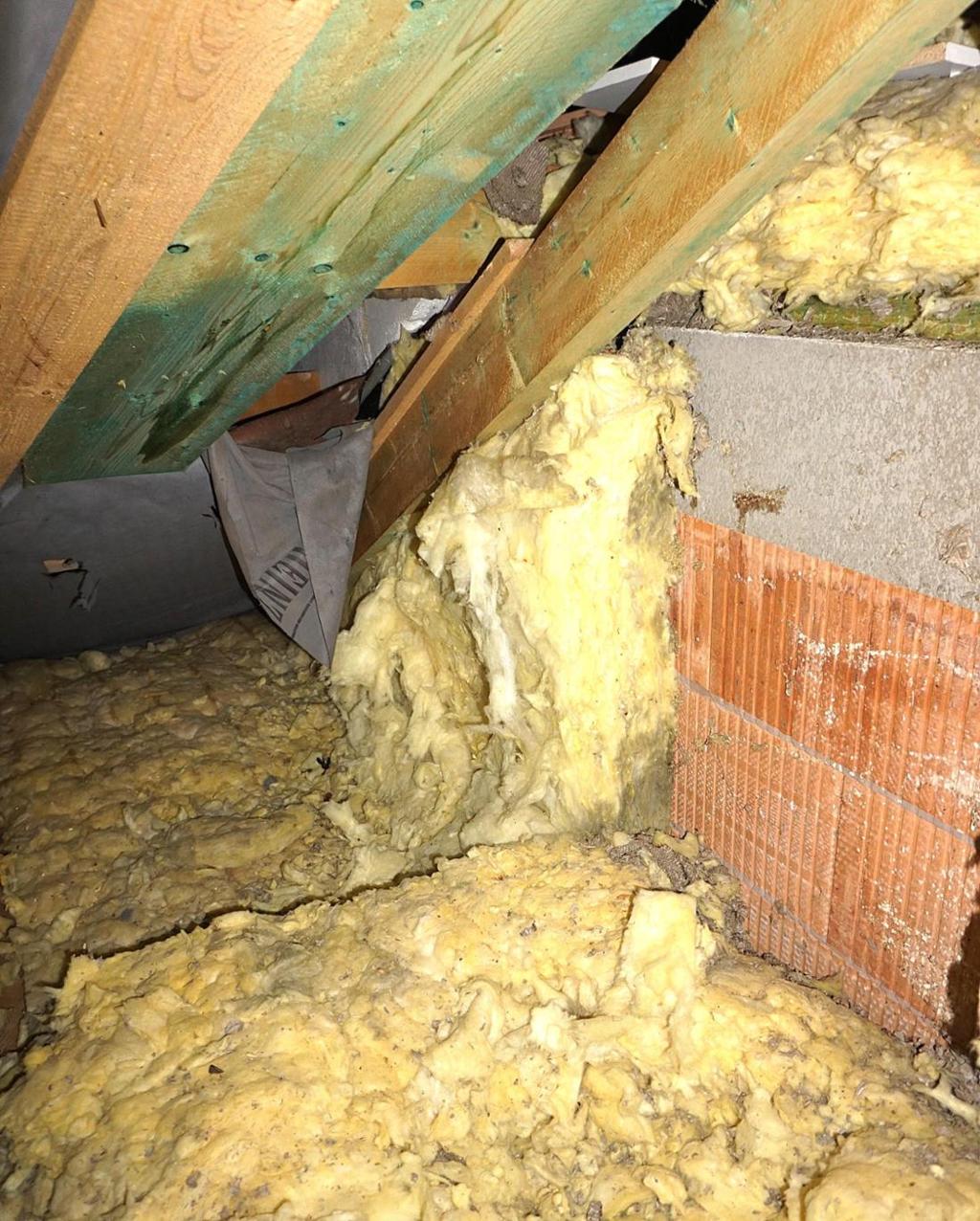
  • Contaminate insulation with urine and droppings
  • Damage HVAC ductwork
  • Block attic ventilation
  • Create unpleasant odors
  • Introduce fleas, mites, ticks, and other parasites
  • Damage wood framing and other building materials

Addressing the problem early can help prevent extensive repairs and improve your home's overall condition.

How to Prevent Wildlife from Entering Your Home

The best way to protect your electrical wiring is to prevent wildlife from getting inside in the first place.

Homeowners should:

  • Schedule annual roof and attic inspections
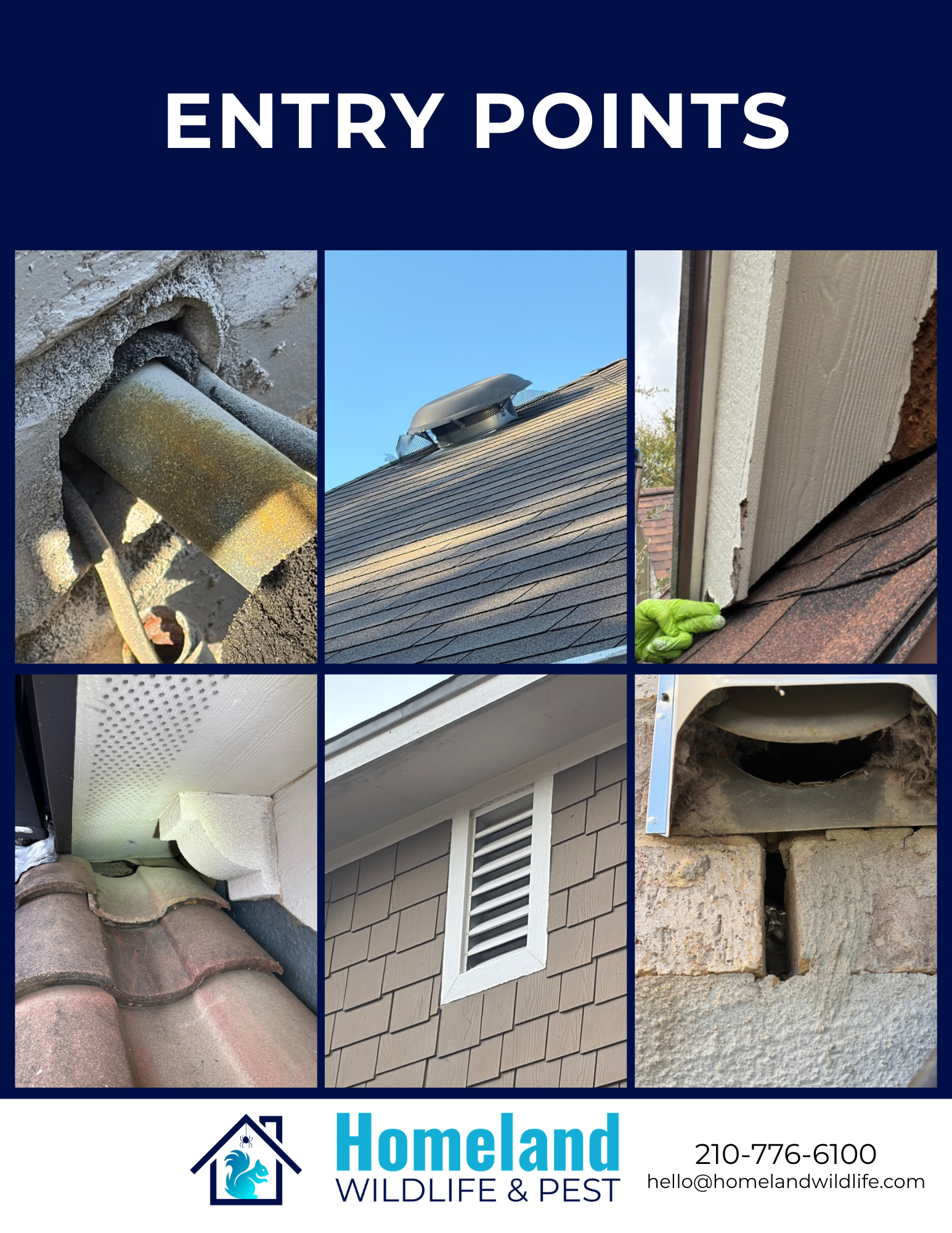
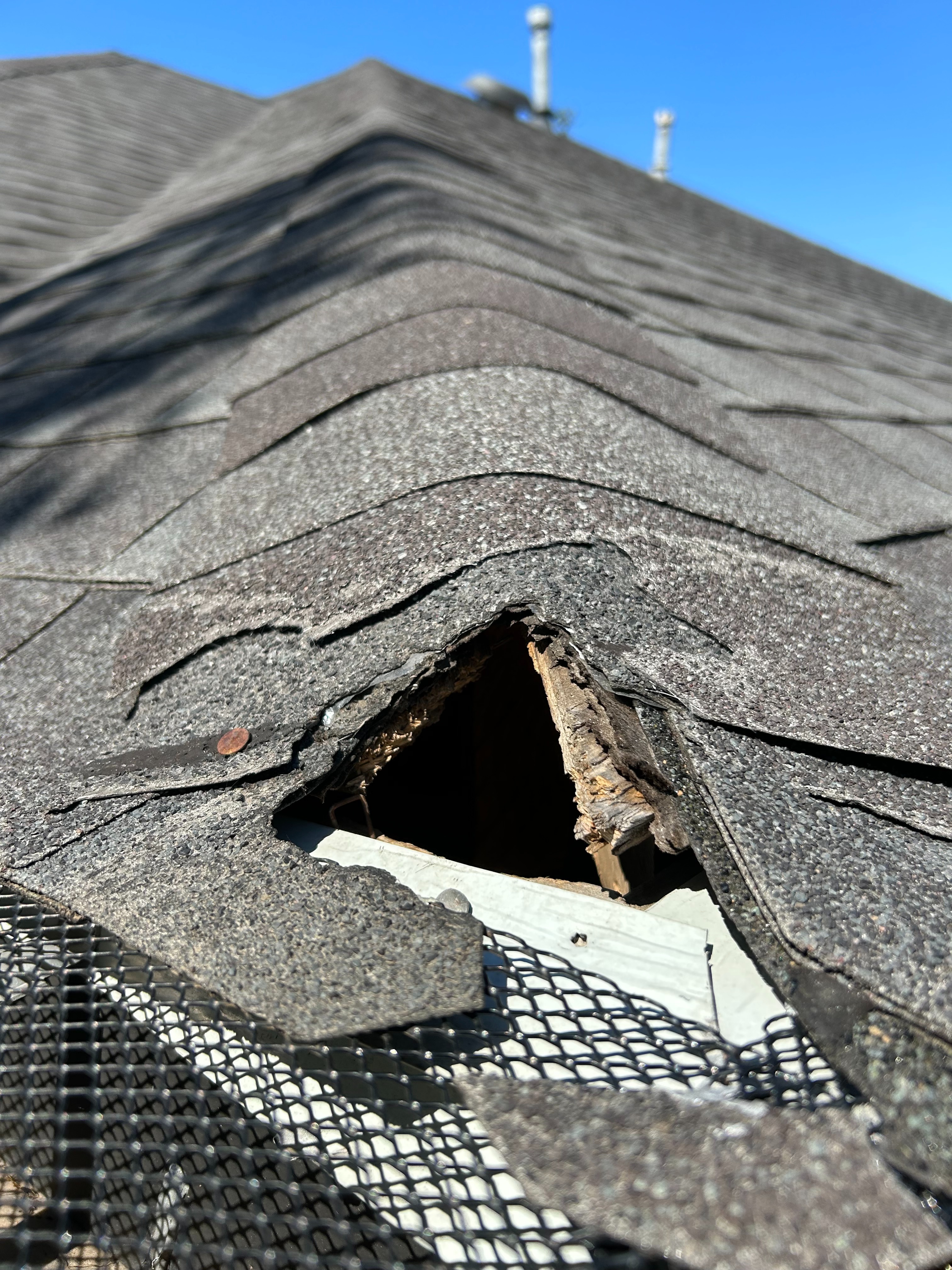
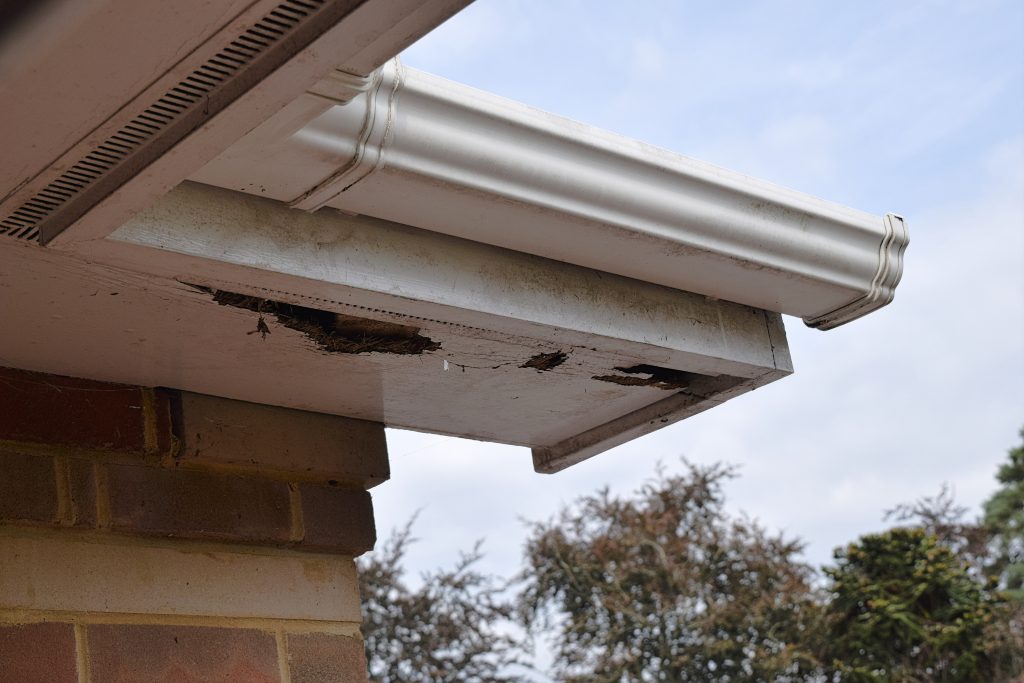
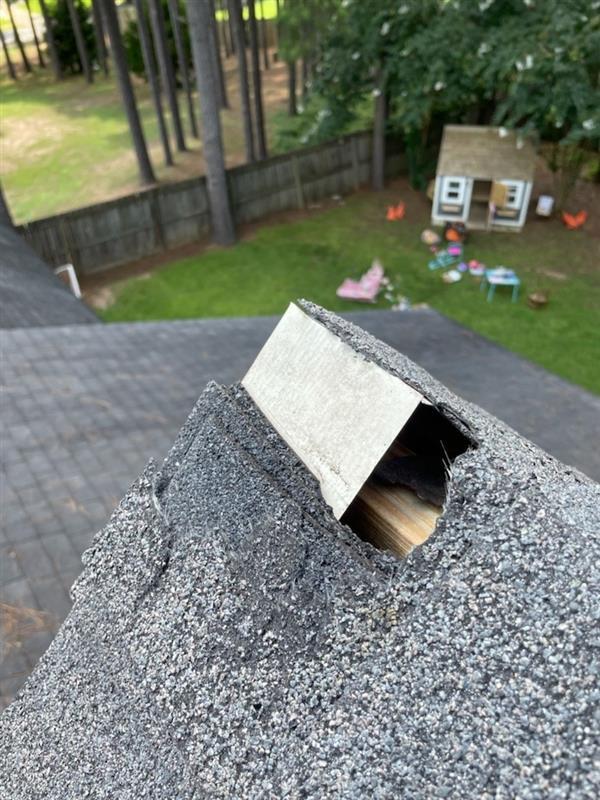
  • Repair damaged roof vents, soffits, and fascia
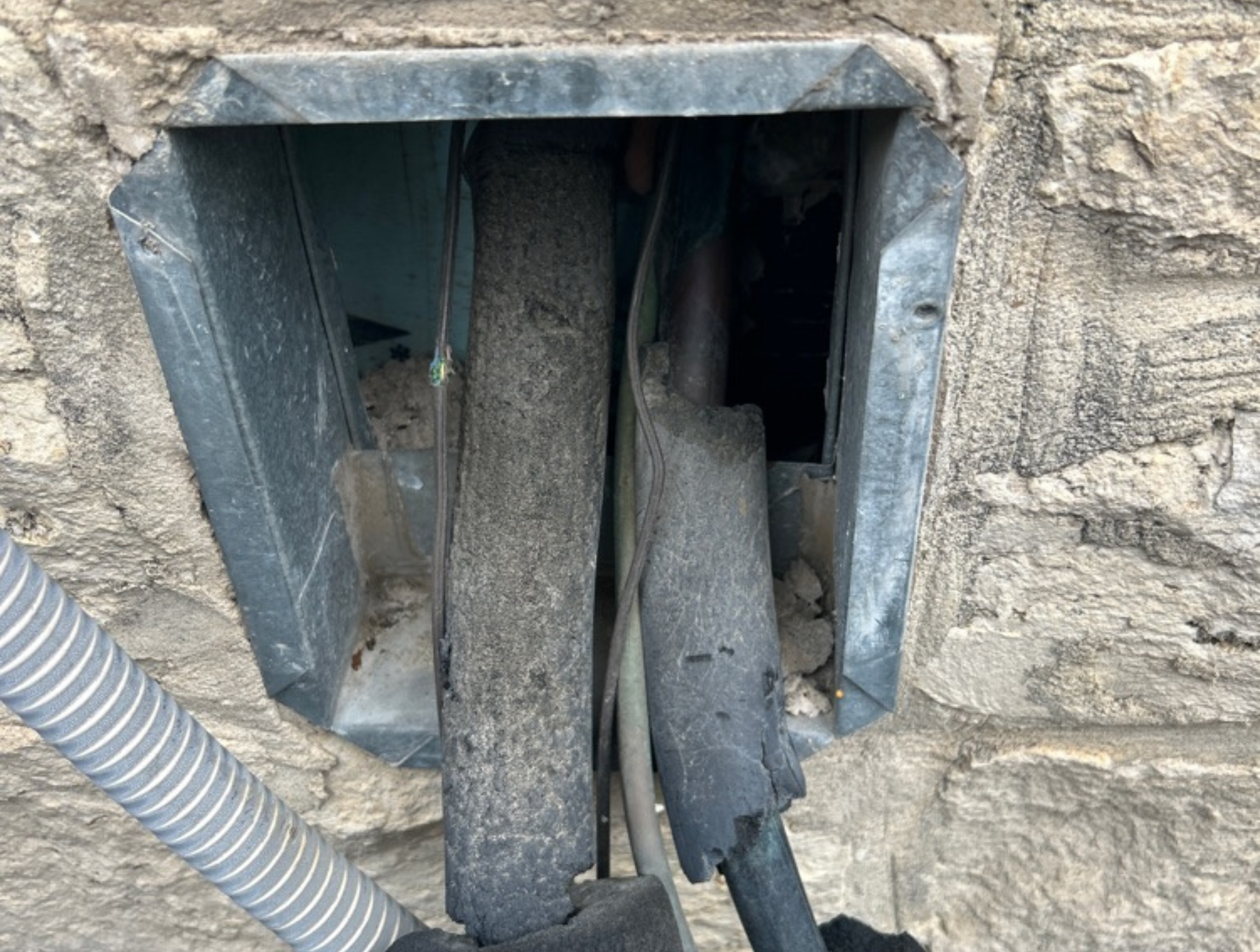
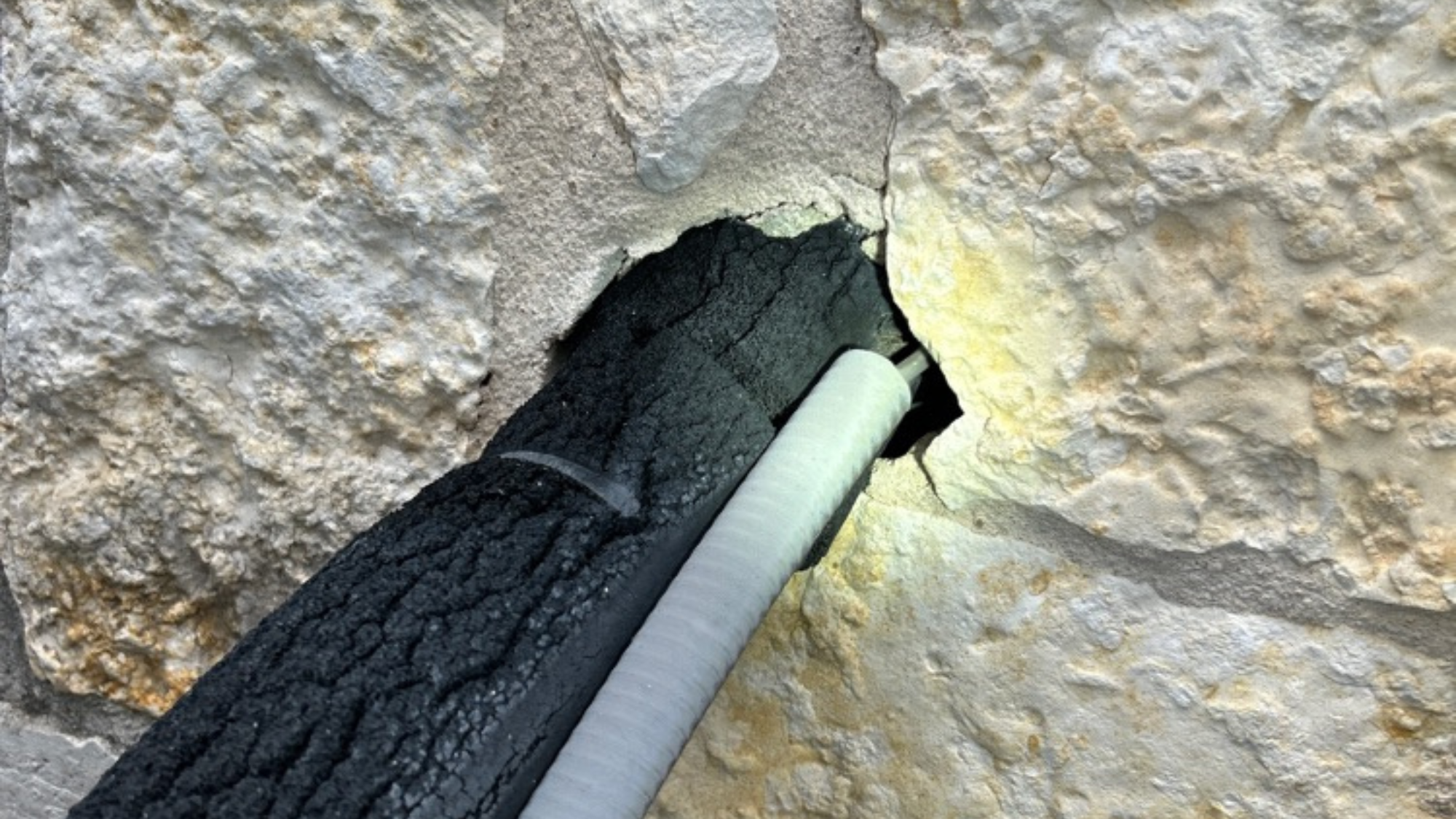
  • Seal gaps around utility penetrations
  • Trim tree branches away from the roof
  • Replace damaged vent covers
  • Address storm damage promptly
  • Have suspected wildlife activity inspected immediately

Prevention is always less expensive than repairing the damage left behind by an infestation.

What to Do If You Suspect Wire Damage

If you believe wildlife has chewed on your home's wiring:

  1. Schedule a professional wildlife inspection to identify and remove the animals.
  2. Have a licensed electrician inspect any suspected electrical damage and make necessary repairs.
  3. Replace contaminated or damaged attic insulation if needed.
  4. Seal all entry points to help prevent future infestations.

Taking these steps helps restore your home's safety and reduces the chance of recurring wildlife problems.

Homeland Wildlife Control & Insulation Is Here to Help

At Homeland Wildlife Control & Insulation, we understand that wildlife removal is only part of the solution. Our experienced team performs comprehensive inspections, safely removes wildlife, seals entry points, sanitizes affected attic spaces, and restores damaged insulation to help protect your home for the long term.

If electrical damage is suspected, we also recommend having your home's wiring inspected by a qualified, licensed electrician after the wildlife has been removed.

Schedule Your Free Inspection Today

Don't wait until damaged wiring turns into a costly repair or a serious safety hazard. Early detection and professional wildlife exclusion can save you thousands of dollars while protecting your home and your family.

Contact Homeland Wildlife Control & Insulation today to schedule your free inspection and learn how we can help protect your home and your investment. With over 15 years of experience, give us a call at 210-776-6100 for a FREE inspection.

PREVIOUS

no previous post

Back to all posts

NEXT

no Next post

Back to all posts

Recent Articles

The Hidden Dangers: How Critters, Rodents, and Pests Can Wreak Havoc in Your Attic and Home

February 13, 2025

Read more
Why Home Exclusion Services Are Essential for Keeping Critters Out

February 24, 2024

Read more
The Hidden Dangers of Wildlife in Your Home – And How to Stop It

March 7, 2025

Read more
Protecting Your Home with Humane Wildlife Removal & Exclusion

February 18, 2025

Read more
Common Wildlife Problems in San Antonio: What Homeowners Need to Know

February 4, 2025

Read more
Why Most Homes Are Vulnerable to Wildlife – And How to Fix It

February 27, 2025

Read more
The True Cost of Wildlife Damage – Why Waiting Could Cost You Thousands

March 4, 2025

Read more
Rodents in the Roof: How Squirrels, Rats & Mice Break In—And What You Can Do About It

March 19, 2025

Read more
Signs of Wildlife in Your Attic (And What to Do About It)

April 16, 2025

Read more
Why You're Still Seeing Bugs—Even After Pest Control Treatments

April 18, 2025

Read more
The Critical Difference Between Pest Control and Wildlife Control

April 21, 2025

Read more
How to Keep Scorpions Out of Your Home – San Antonio’s Guide to Scorpion Control

May 5, 2025

Read more
The Buzz on Mosquitoes: How to Reclaim Your Yard from These Tiny Terrors

May 15, 2025

Read more
Baby Season is Here — What That Means for Your Attic

May 16, 2025

Read more
Why Your Attic Might Be the Most Dangerous Room in Your House (and What You Can Do About It)

May 1, 2025

Read more
Don’t Let Pests Take Over: Why Routine Pest Control is Essential for Texas Homes

May 2, 2025

Read more
The Sounds in Your Attic: What They Really Mean

May 19, 2025

Read more
Meet the Mexican Free-Tailed Bat — San Antonio’s Winged Wonder

May 22, 2025

Read more
Raccoons in Your Attic? Here’s What Every San Antonio Homeowner Needs to Know

May 23, 2025

Read more
Why You’re Still Seeing Ants in Your Kitchen (Even After You Spray)

May 27, 2025

Read more
The Life of a Texas Scorpion: What They’re Really Doing in Your Garage

May 28, 2025

Read more
The Secret Life of the Armadillo: Texas’s Backyard Digging Machine

May 30, 2025

Read more
Why Raccoons Love Your Soffits (and How to Block Them)

May 29, 2025

Read more
What Are Dirt Daubers (And Should You Be Concerned?)

June 4, 2025

Read more
What’s the Difference Between a Rat and a Mouse?

June 11, 2025

Read more
What Attracts Scorpions to My Home?

June 26, 2025

Read more
What’s the Difference Between a Squirrel and a Rat Nest?

June 27, 2025

Read more
Why Do Skunks Dig Under Homes and Decks?

June 30, 2025

Read more
Why Are Squirrels Chewing Through Your Roof?

July 10, 2025

Read more
What Are Roof Returns (And Why Do Animals Use Them to Break In?)

August 12, 2025

Read more
The Hidden Flaw in Mushroom Vents

September 10, 2025

Read more
Why AC Chase Entry Points Attract Critters

September 17, 2025

Read more
The Trouble With Garage Door Gaps

September 15, 2025

Read more
The Hidden Danger in Contaminated Attic Insulation

October 9, 2025

Read more
October Visitors You Weren't Expecting

October 16, 2025

Read more
Homeowner Money-Saving Tips

October 23, 2025

Read more
Fall Is Here — and So Are the Critters

November 18, 2025

Read more
The Most Overlooked Entry Point in Your Home

December 5, 2025

Read more
Why Your Attic Insulation Matters More Than You Think

December 9, 2025

Read more
How to Keep Wildlife Out of Your Home This Holiday Season

December 17, 2025

Read more
Why "The Other Guy's" Wildlife Work Always Fails

December 22, 2025

Read more
The Hidden Cost of Rodents in Your Attic

December 29, 2025

Read more
Should You Hire a Pest Control Company or a Wildlife Specialist?

January 7, 2026

Read more
What Happens During a Wildlife Inspection?

January 15, 2026

Read more
Can Wildlife Really Cause House Fires?

January 20, 2026

Read more
NEW YEAR, NEW INVADERS: WHY JANUARY IS PRIME TIME FOR RODENT PROBLEMS IN SAN ANTONIO

January 27, 2026

Read more
I HEAR SCRATCHING DURING THE NIGHT - IS IT SQUIRRELS OR RATS?

February 11, 2026

Read more
SHOULD I GET MULTIPLE QUOTES FOR WILDLIFE REMOVAL? WHAT TO COMPARE

February 13, 2026

Read more
5 ENTRY POINTS EVERY SAN ANTONIO HOMEOWNER SHOULD CHECK RIGHT NOW

March 27, 2026

Read more
RESTAURANT OWNERS: HOW WILDLIFE VIOLATIONS DESTROY YOUR HEALTH SCORE

March 31, 2026

Read more
PROPERTY MANAGERS: THE HIDDEN COST OF IGNORING WILDLIFE COMPLAINTS

April 8, 2026

Read more
HOW WILDLIFE DAMAGE AFFECTS COMMERCIAL PROPERTY VALUES (And Why Buyers Care)

April 14, 2026

Read more
SPRING WILDLIFE PREVENTION - HOW TO PROTECT YOUR HOME BEFORE BABY SEASON

April 23, 2026

Read more
OPOSSUMS VS. RACCOONS - HOW TO IDENTIFY WHAT'S IN YOUR ATTIC

May 1, 2026

Read more
SUMMER ATTIC HEAT AND WILDLIFE - WHY ANIMALS MOVE IN WHEN TEMPERATURES RISE

May 8, 2026

Read more
The Importance of Wildlife Prevention for Homeowners

May 15, 2026

Read more
What Is Wildlife Exclusion?

June 1, 2026

Read more
Why Wildlife Prevention Matters: Protecting Your Home Before Problems Start

June 26, 2026

Read more
Wildlife Prevention Helps Preserve Your Home's Energy Efficiency

July 2, 2026

Read more
Why Homeowners Should Schedule a Wildlife Inspection Before Selling Their Home

July 10, 2026

Read more
Why Insulation Matters During Texas' Extreme Heat

July 24, 2026

Read more
Why Regular Roof Inspections Prevent Wildlife Damage

July 31, 2026

Read more
How Tree Branches Can Become Highways for Wildlife

August 7, 2026

Read more
How Wildlife Can Damage Your Electrical Wiring

August 14, 2026

Read more
How Wildlife Can Damage Your Electrical Wiring

August 14, 2026

Read more
How Tree Branches Can Become Highways for Wildlife

August 7, 2026

Read more
Why Regular Roof Inspections Prevent Wildlife Damage

July 31, 2026

Read more