Most homeowners understand the importance of annual maintenance for their HVAC system, roof, gutters, and other major components of their home. But one area that is often overlooked is wildlife prevention.
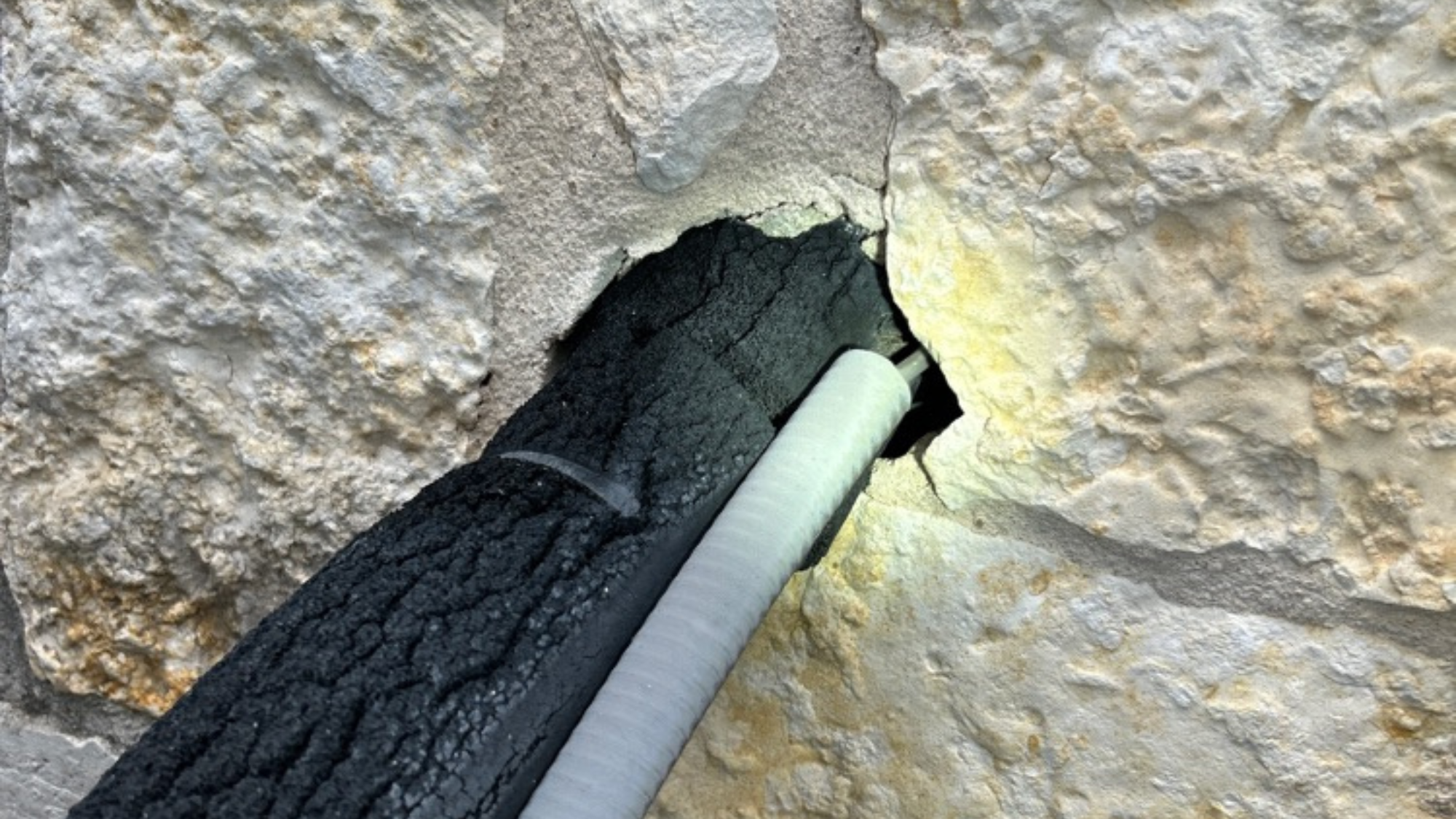
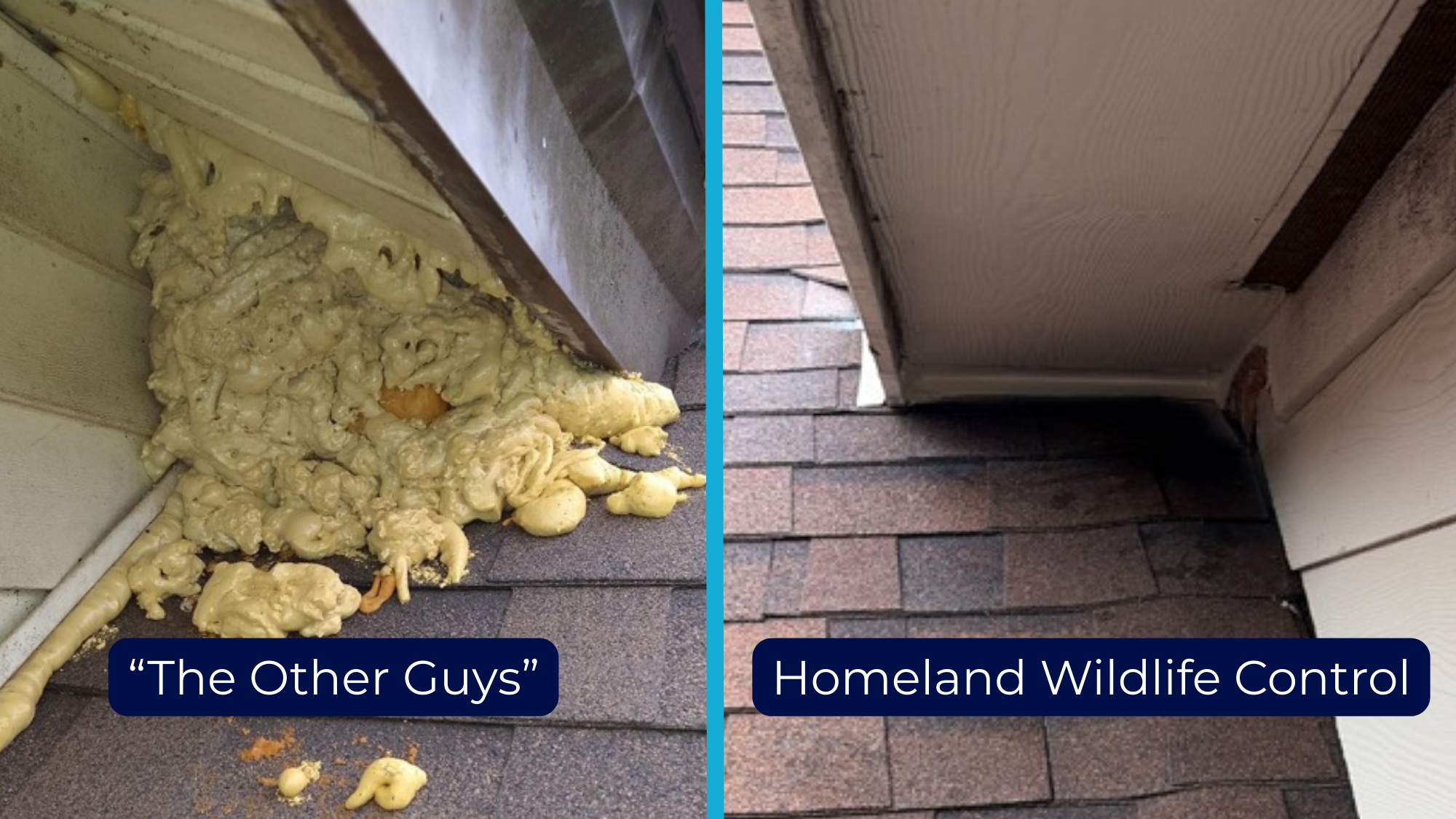
Animals can find surprisingly small openings around your home and turn them into entry points. An annual wildlife inspection can help identify these vulnerabilities before they become expensive problems.
Your home is constantly exposed to weather, temperature changes, wind, rain, and normal wear and tear. As your home ages, areas that were once secure can develop gaps or openings.
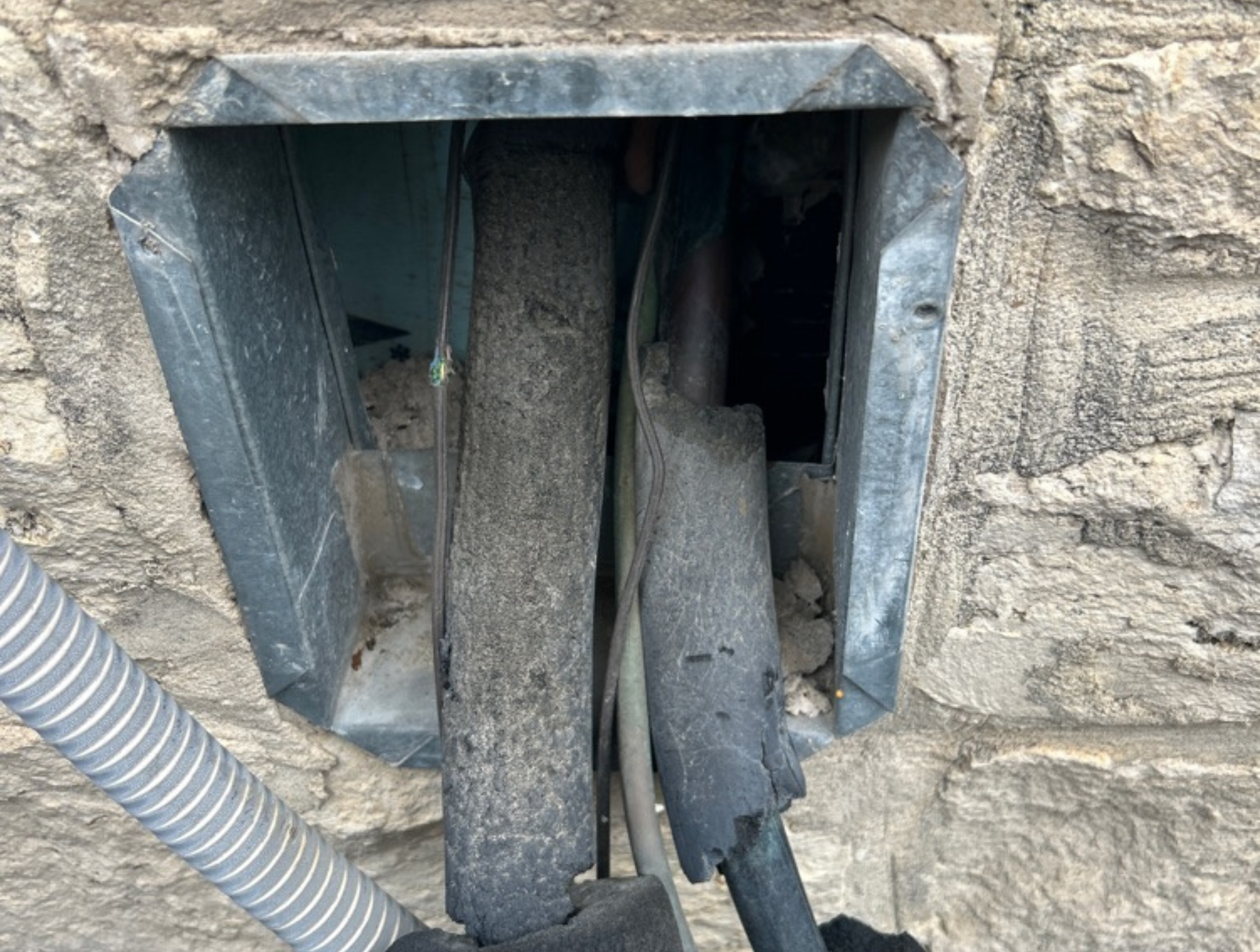
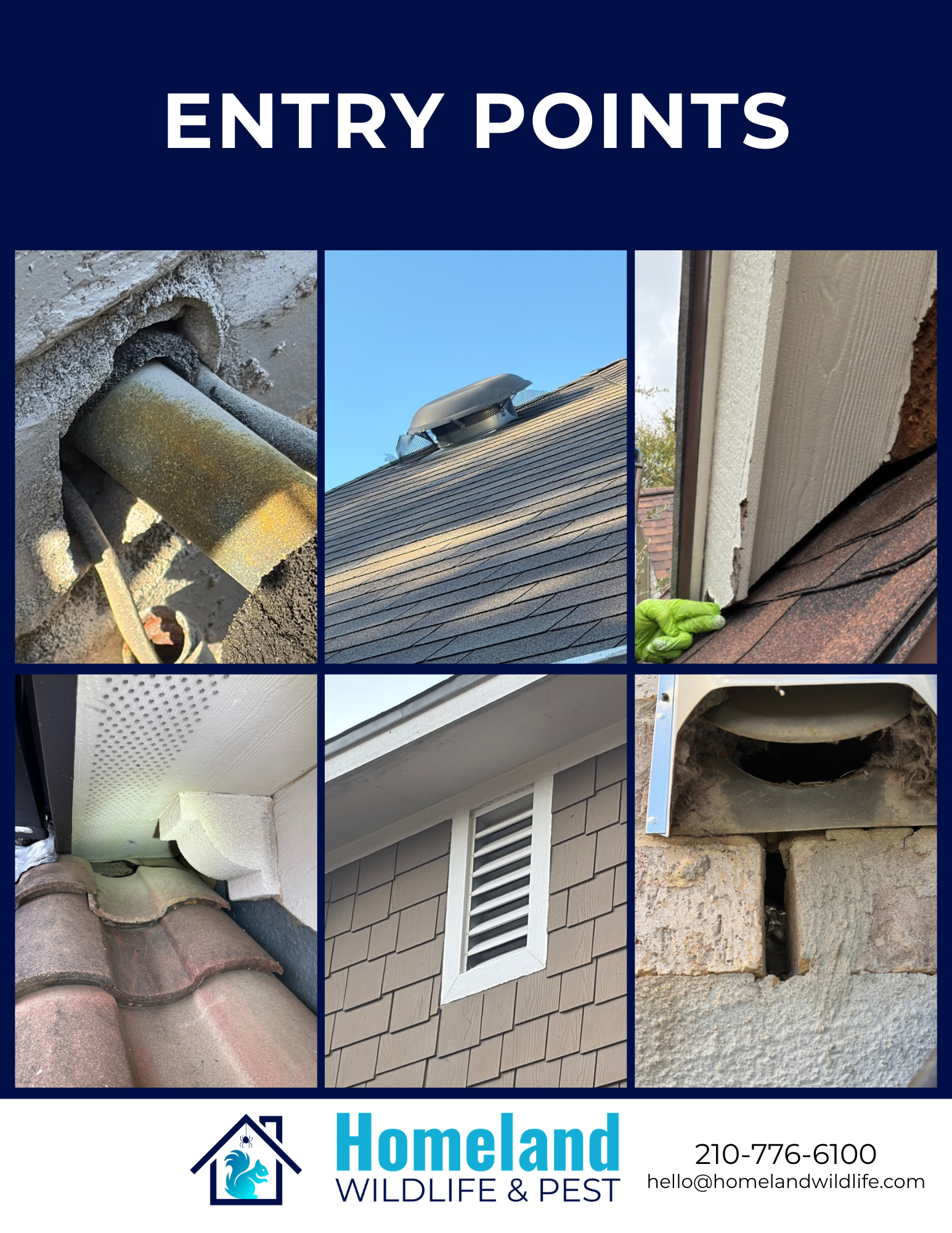
Common wildlife entry points include:
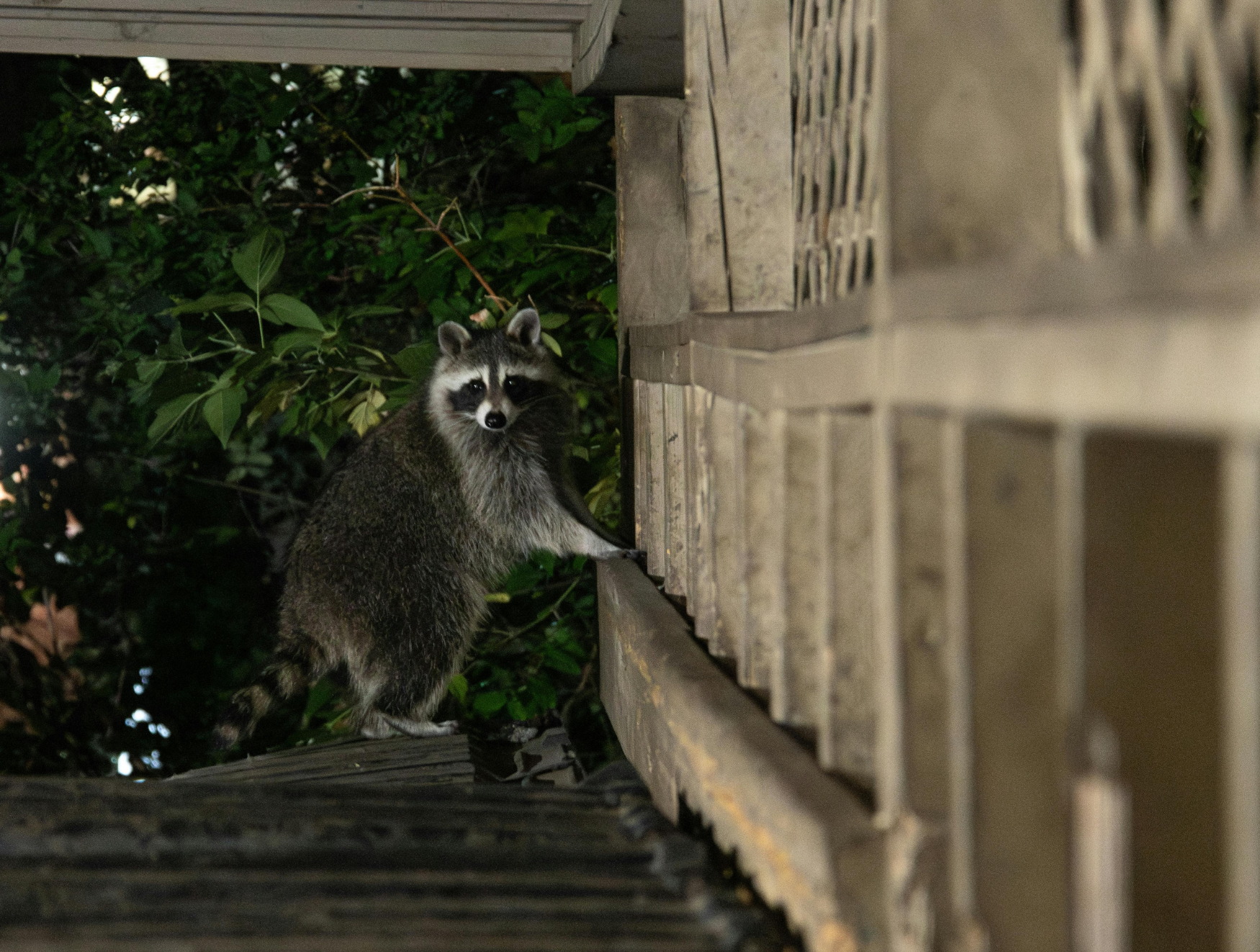
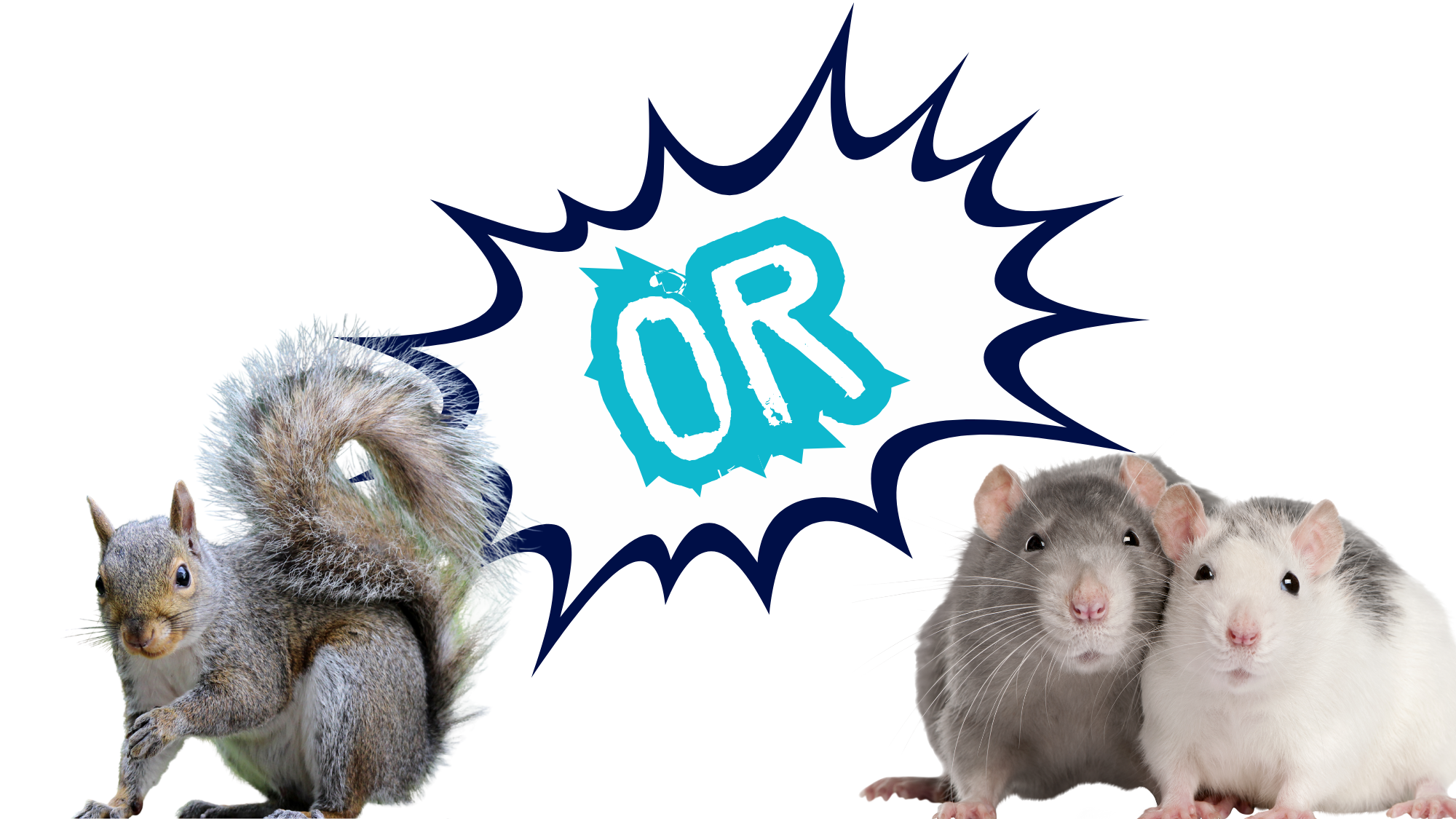
What may look like a minor gap to a homeowner can be an easy doorway for a squirrel, raccoon, bat, bird, or rodent.
Wildlife activity changes throughout the year. Different animals look for shelter, nesting locations, and food depending on the season.
An annual inspection gives homeowners an opportunity to identify new vulnerabilities before wildlife discovers them.
Rather than waiting until you hear scratching in the attic or find droppings around your home, a preventative inspection can identify potential problems while they are still relatively easy to correct.
Once wildlife enters your home, the damage can extend far beyond the original entry point.
Animals may:
The longer wildlife remains inside your home, the greater the potential for damage.
An annual inspection can help catch these issues before they turn into major repairs.
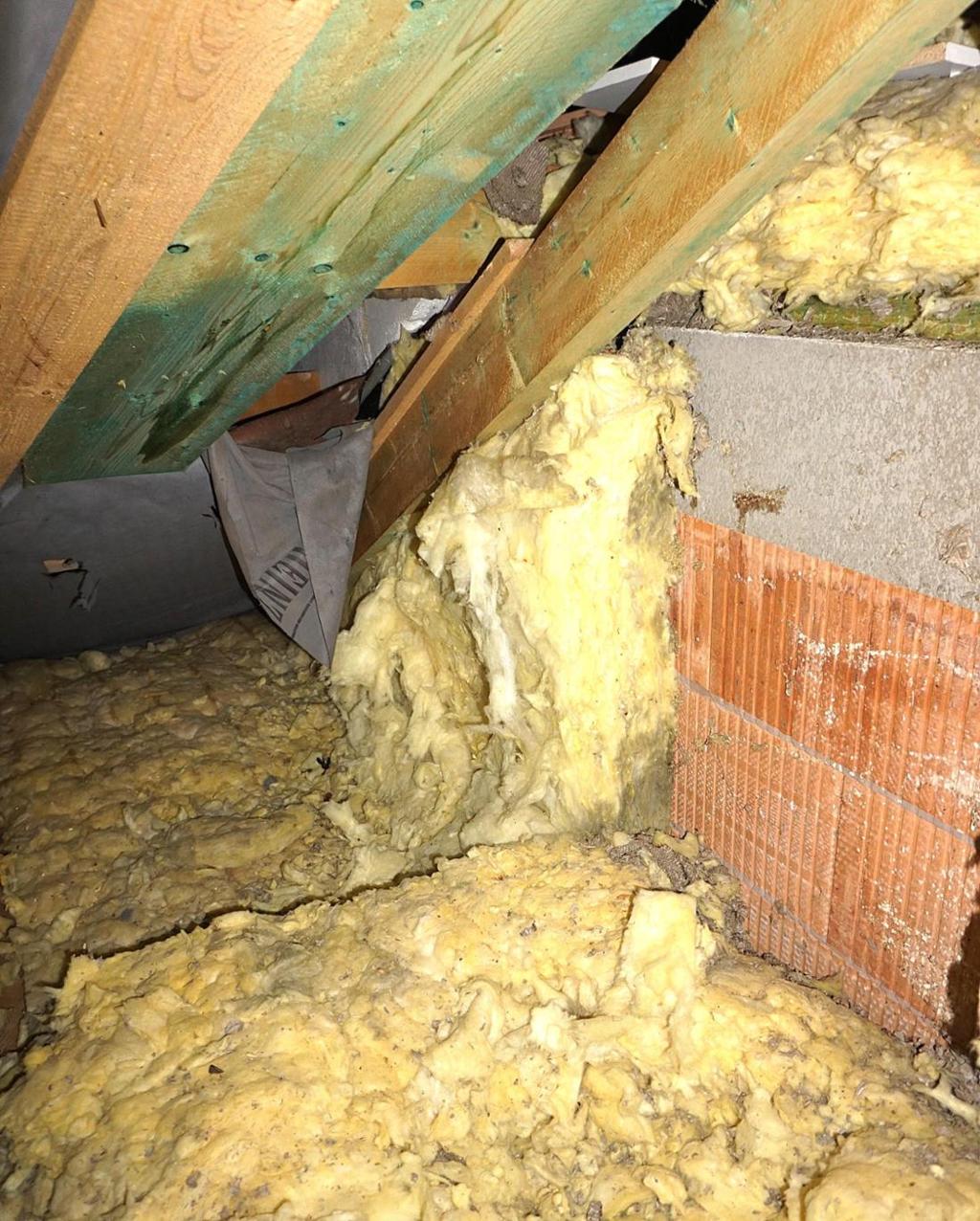
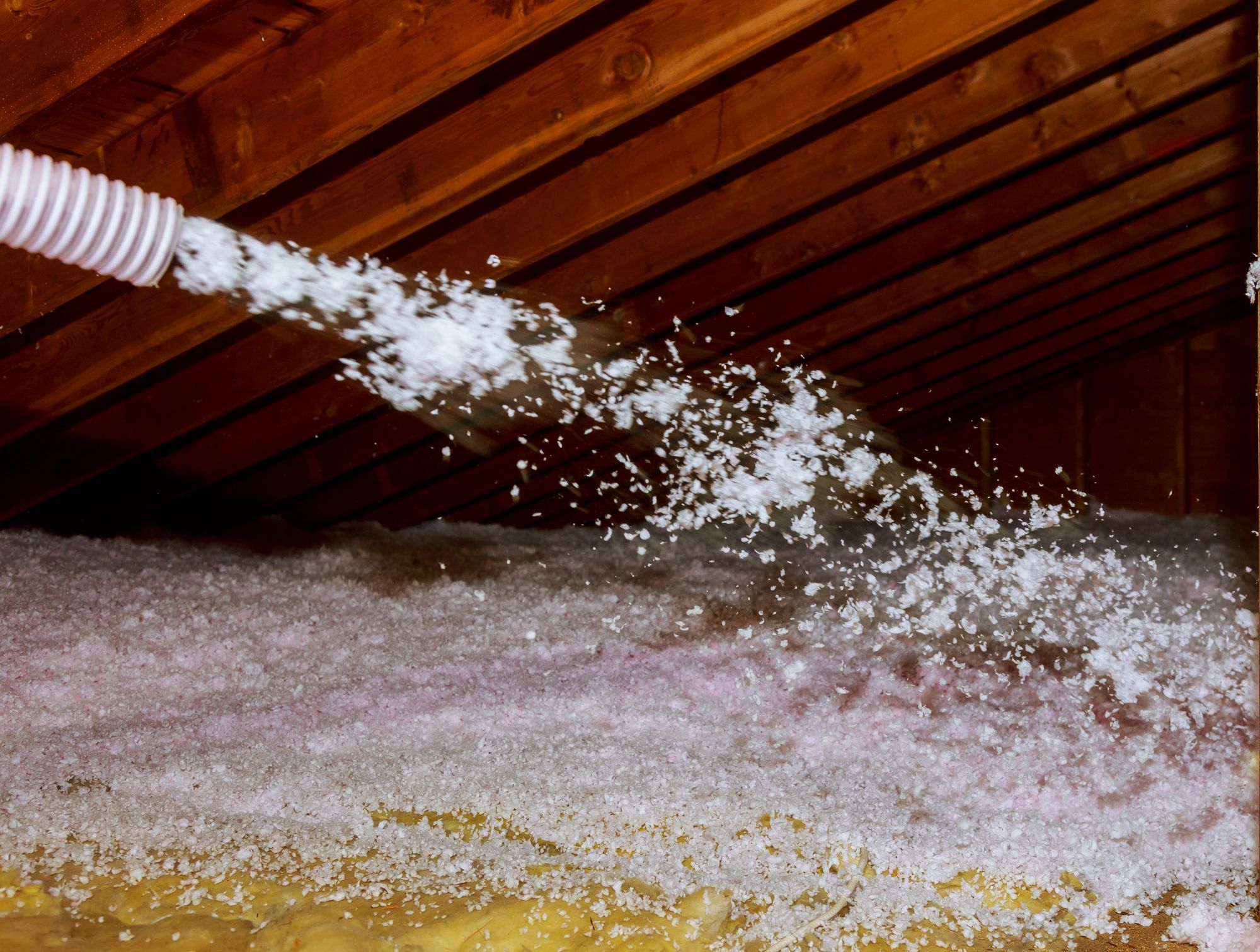
The attic is one of the most common areas for wildlife activity because it provides warmth, shelter, and protection from predators.
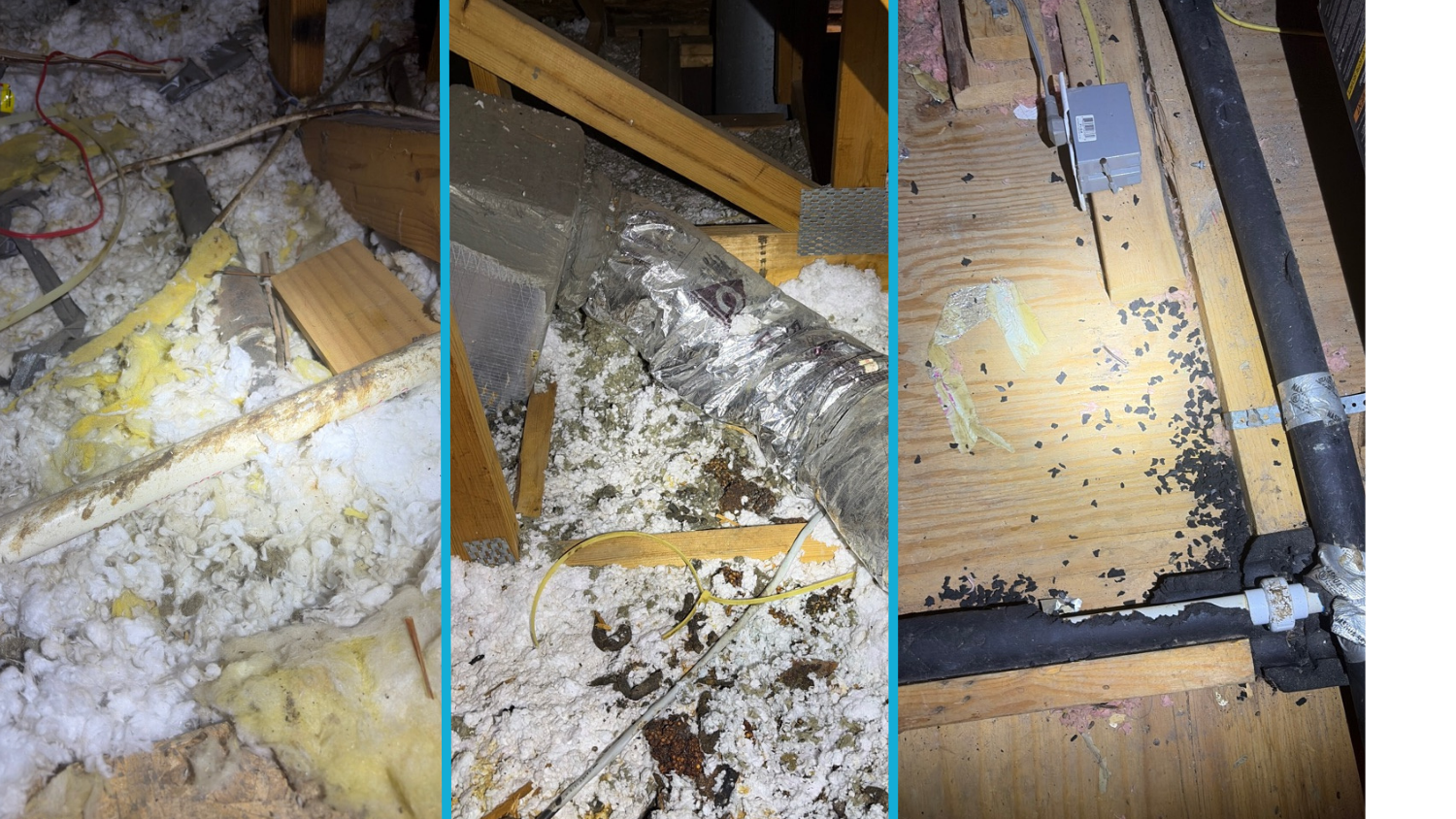
During an inspection, professionals can look for evidence such as:
Even if you haven't heard an animal recently, signs of previous activity can indicate that your home has vulnerabilities that should be addressed.
Wildlife removal is important when an animal has already entered your home, but prevention is even better.
A comprehensive wildlife inspection can identify areas that may need repairs, screening, sealing, or other exclusion measures.
By addressing these areas before animals move in, homeowners can reduce the likelihood of dealing with emergency wildlife problems later.
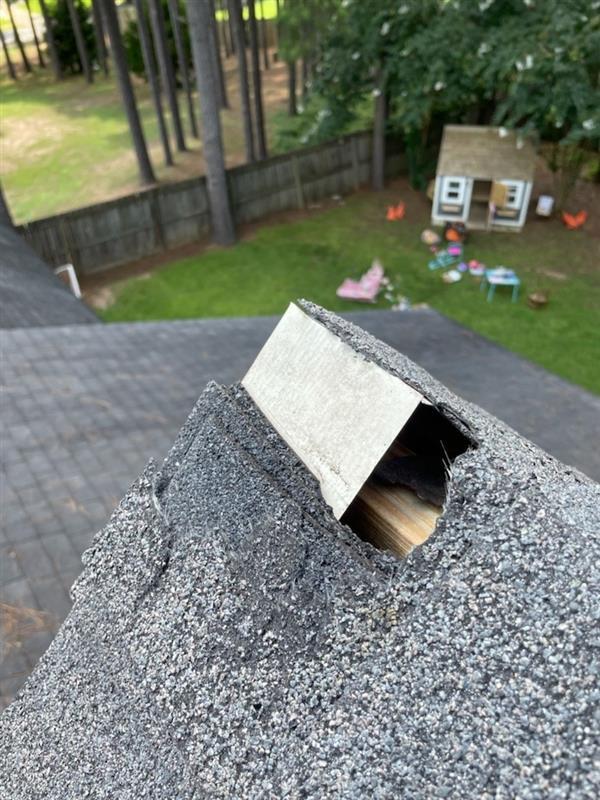
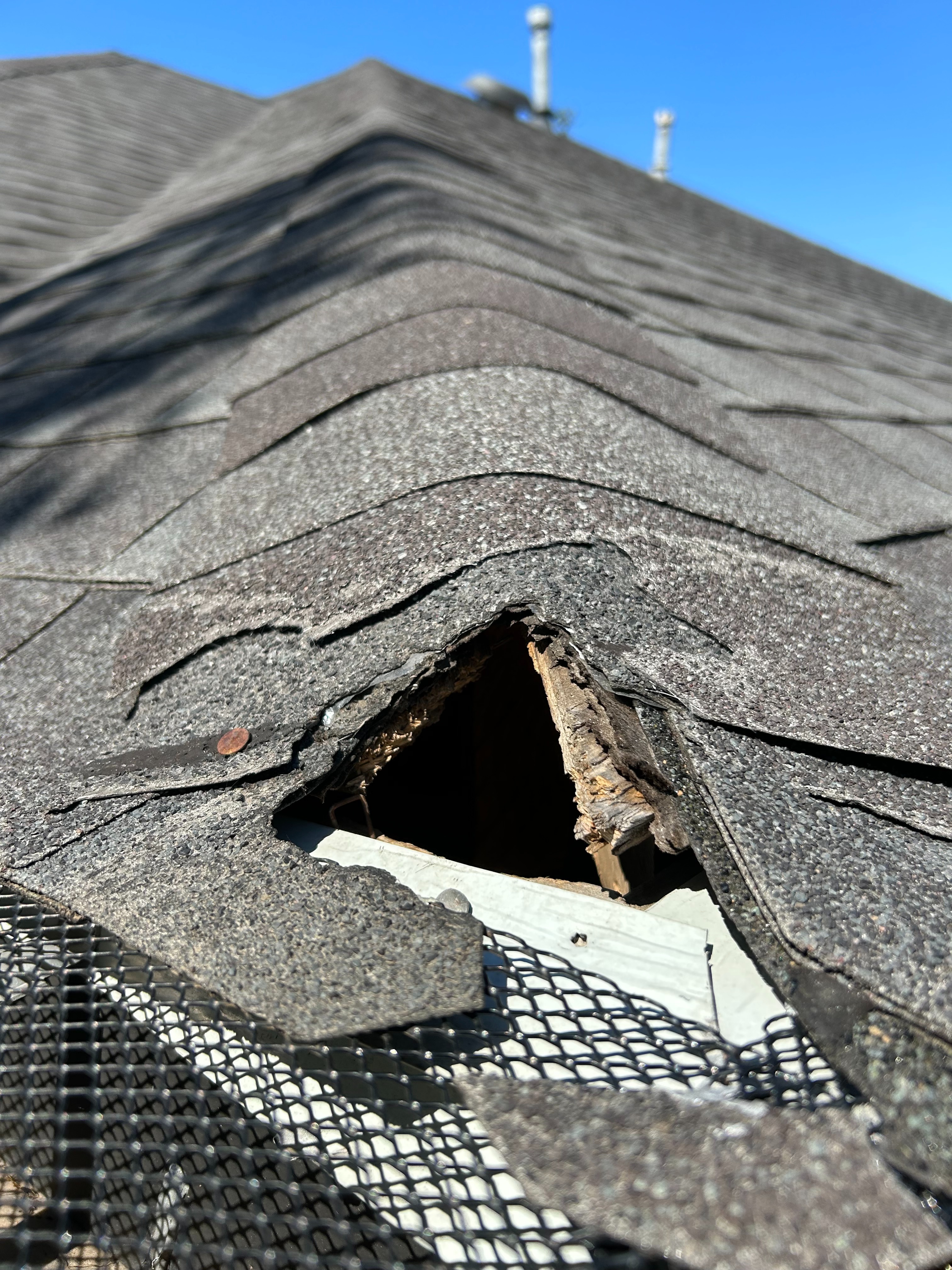
Your roof is one of the most important areas to inspect because wildlife frequently uses elevated areas to access homes.
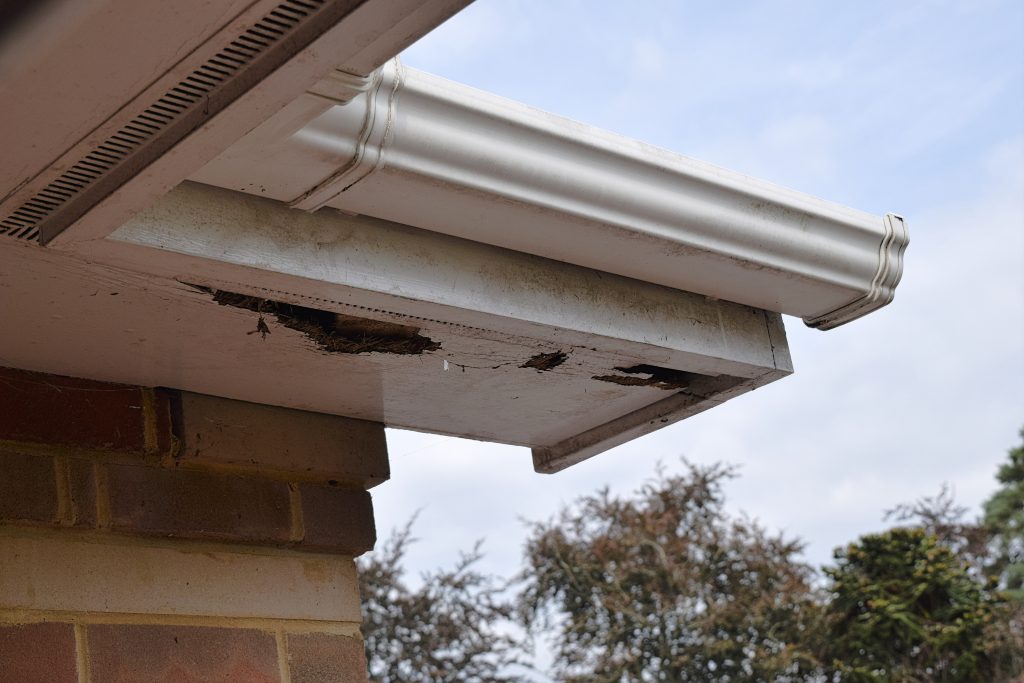
Roof vents, chimney openings, damaged shingles, loose flashing, soffits, and fascia can all provide potential access.
Regular inspections can help identify these issues and allow homeowners to address them before wildlife takes advantage of them.
A wildlife inspection is a relatively simple preventative measure that can potentially save homeowners thousands of dollars in repairs.
Think of it like other routine home maintenance. You don't wait for your air conditioner to completely fail before having it serviced. You don't wait for a roof leak to appear before checking your roof.
The same principle applies to wildlife prevention.
Find the problem before the animal does.
At Homeland Wildlife Control & Insulation, we help homeowners identify wildlife entry points and potential vulnerabilities before they become major problems. Our team can inspect your home, identify signs of wildlife activity, and recommend solutions to help keep unwanted animals outside where they belong.
Contact Homeland Wildlife Control & Insulation today to schedule your free inspection and learn how we can help protect your home and your investment. With over 15 years of experience, give us a call at 210-776-6100 for a FREE inspection.

February 13, 2025
.png)
March 19, 2025

May 5, 2025
.png)
May 1, 2025
.png)
May 2, 2025

January 27, 2026
%20(6.8%20x%206.8%20in)%20(2).png)
July 10, 2026

.png)


.png)

.png)
.png)
.png)
.png)
.png)

.png)
.png)
.png)
.png)
.png)


.png)
.png)
.png)
.png)
.png)
.png)
.png)
.png)
.png)


.png)
.png)
%20(6.8%20x%206.8%20in)%20(1).png)
.webp)
.png)

.png)
.png)